Tucker Carlson on Aliens: UFOs, UAP & Media Discourse
Dive into Tucker Carlson's perspective on aliens and UFOs. This article examines the evolving media discourse around Unidentified Anomalous Phenomena (UAP) and their implications.
Tucker Carlson’s Views on Aliens: A Deep Dive into UFOs and Media Discourse
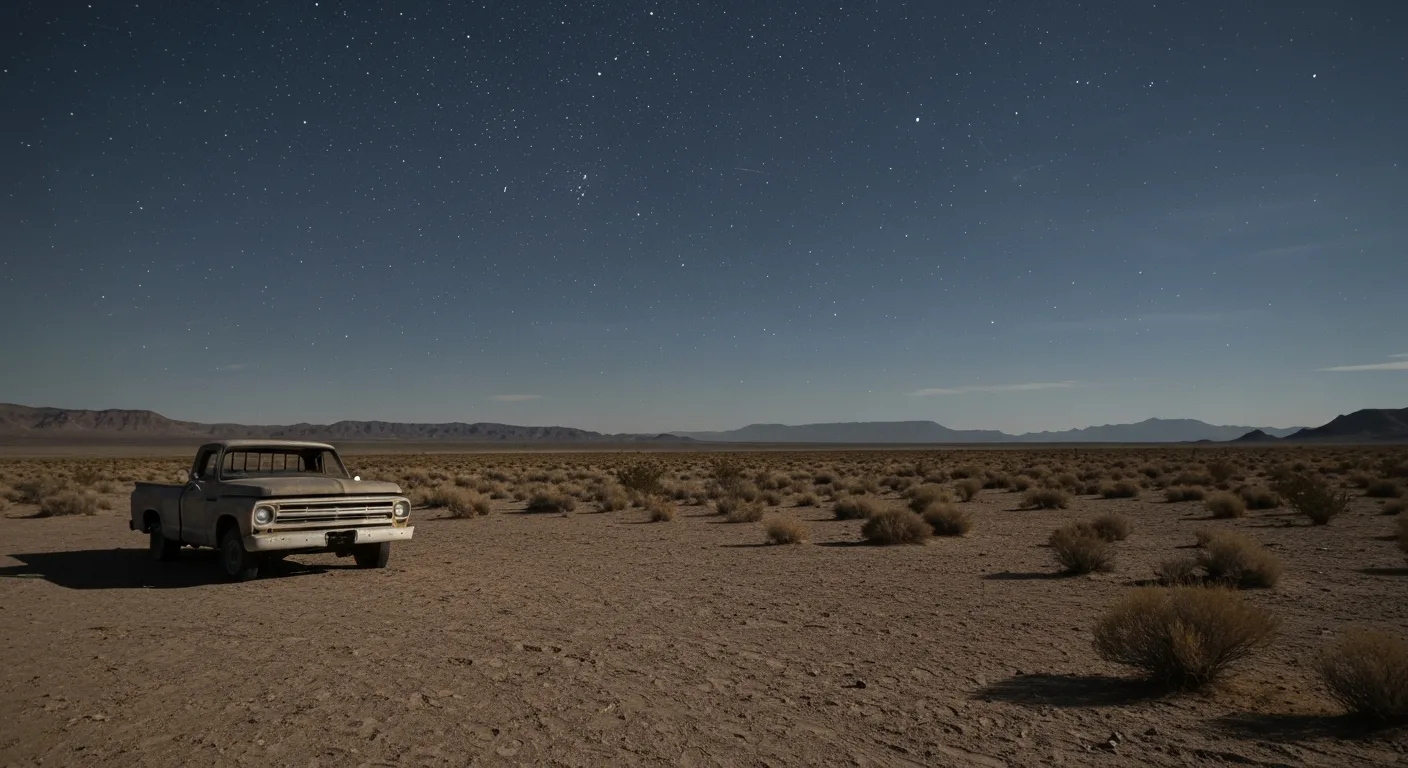
The desert night in Nevada is a canvas of impossibilities. Beneath a sky so vast it swallows the horizon, where distant stars glitter with an almost painful clarity, one can almost feel the weight of unanswered questions hanging in the dry, cool air. This is the landscape, both literal and metaphorical, where the discourse around Unidentified Anomalous Phenomena (UAP)—the modern, official term for what we once called UFOs—often feels most at home. It’s a space where the known blurs into the unknown, and where, increasingly, figures like Tucker Carlson have stepped in to navigate the shifting sands of public perception. His engagement with Tucker Carlson’s views on aliens and UFOs represents more than mere curiosity; it’s a profound inflection point in how a once-fringe topic entered the mainstream, particularly within a conservative media ecosystem.
For decades, the idea of “flying saucers” and extraterrestrial visitors was relegated to grainy photographs, hushed whispers at late-night conventions, and the realm of science fiction. To speak of them seriously in mainstream media was to invite ridicule, a swift dismissal. Yet, something fundamental shifted. As a journalist, I’ve watched this evolution unfold, tracking the subtle tremors that grew into a seismic change. Carlson, with his immense platform and distinctive style, didn’t just report on this shift; he became one of its most potent accelerants, transforming the conversation from a giggle-inducing fringe topic into a serious, often politically charged, inquiry.
The Fox News Era: Amplifying the Unexplained
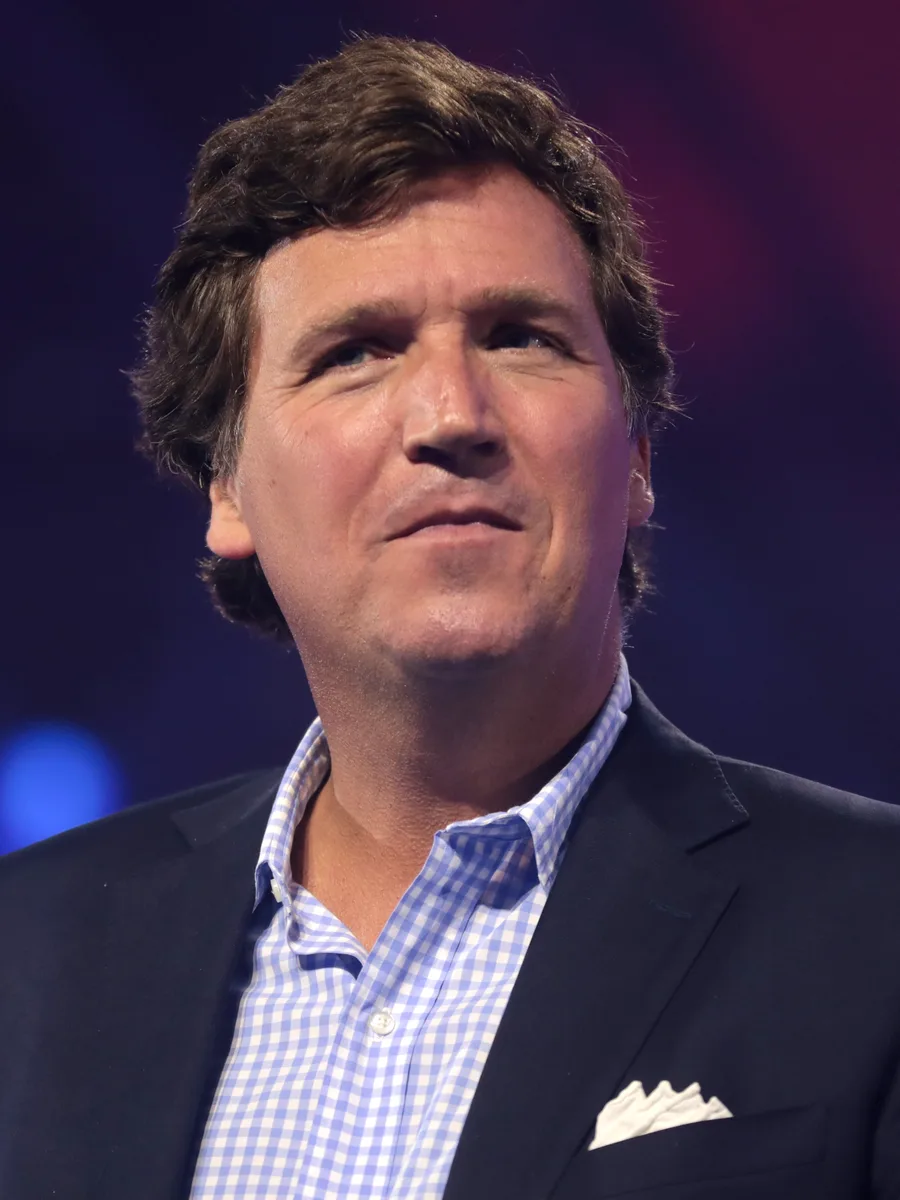 My journey into understanding Carlson’s perspective truly begins within the brightly lit confines of the Fox News studio where, for years, he commanded one of the most-watched cable news programs. It was here that the topic of UAPs, previously considered taboo, found an unprecedented, consistent voice. What began as occasional segments evolved into a recurring theme, carefully woven into the fabric of his nightly monologue and interviews. Carlson didn't just touch on the subject; he embraced it, framing it not as a kooky conspiracy, but as a legitimate, often alarming, national security concern.
His approach was distinctive. While other news outlets might offer a cautious, often skeptical report on new UAP disclosures, Carlson treated them with a blend of intellectual curiosity and an almost righteous indignation at official secrecy. He understood that the inherent mystery of UAPs, coupled with the government’s historical obfuscation, perfectly aligned with his broader anti-establishment narrative. This wasn’t merely about little green men; it was about power, secrecy, and what “they”—the shadowy figures in Washington—were hiding from “us.” His segments often featured dramatic graphics and a tone that suggested not just a story, but a revelation, preparing his audience to consider possibilities they might have previously dismissed out of hand.
Beyond the Phenomenon: Carlson’s Broader Skepticism and Anti-Establishment Stance
To truly grasp Tucker Carlson’s views on aliens, one must understand that his interest in UAPs is inextricably linked to his overarching political philosophy: a deep-seated skepticism of established institutions and a relentless critique of government opacity. For Carlson, the UAP phenomenon wasn’t just an isolated mystery; it was a potent symbol of a broader pattern of official deception and incompetence. He didn’t just ask, “What are these things?” He asked, “Why is our government lying to us about them?”
This framing resonated powerfully with his audience, many of whom already harbored significant distrust towards federal agencies and legacy media. When the Pentagon or intelligence agencies slowly, grudgingly, began to acknowledge the existence of “unidentified aerial phenomena,” Carlson seized on this not as a sign of newfound transparency, but as an admission of decades of deliberate concealment. He often posited that if the government was so willing to mislead the public about something as profound as objects violating restricted airspace with impunity, what else were they hiding? This perspective transformed the UAP discussion from an abstract scientific puzzle into a tangible example of governmental malfeasance, a key pillar of his “deep state” narrative.
Key Interviewees and Their Impact on Tucker Carlson’s Views on Aliens
A pivotal aspect of Carlson’s UAP coverage was his strategic selection of guests, individuals who, by their very backgrounds, lent immense credibility to a topic often ridiculed. He didn’t invite self-proclaimed alien abductees or fringe theorists; he brought on decorated military pilots, former intelligence officials, and respected defense contractors. These were not the usual suspects of UFOlore, and their presence on his show was a game-changer.
One of the most impactful was David Fravor, the former Navy pilot who famously described his 2004 encounter with the “Tic-Tac” UAP off the coast of California. Fravor’s calm, factual recounting of an object performing maneuvers defying known aeronautical capabilities, witnessed by multiple trained observers, was incredibly compelling. Carlson amplified this testimony, emphasizing Fravor’s impeccable military credentials. Similarly, Luis Elizondo, the former head of the Pentagon’s Advanced Aerospace Threat Identification Program (AATIP), became a recurring guest. Elizondo, with his intelligence background and insider knowledge, provided a crucial “confirmation from within” that the government had, indeed, been studying these phenomena. Another significant voice was Chris Mellon, a former Deputy Assistant Secretary of Defense for Intelligence, whose public advocacy for UAP transparency further bolstered the credibility of the narrative. These individuals, with their unimpeachable professional histories, allowed Carlson to present UAPs not as fantastical speculation, but as a serious, documented reality that the public deserved to know about.

The “Threat” Narrative: National Security Implications
Carlson’s engagement with UAPs was rarely framed as a purely scientific or philosophical inquiry. Instead, he consistently emphasized the national security implications, transforming the mystery into a potential menace. “If these things are real,” he would often argue, “and they are operating in our airspace, who are they? And why can’t we stop them?” This angle resonated deeply with a conservative audience concerned with national defense and sovereignty.
He probed the implications of objects demonstrating capabilities far beyond any known human technology—hypersonic speeds, instantaneous acceleration, and a lack of visible propulsion systems. Discussions often centered on the vulnerability of American airspace, the potential for an unknown adversary to possess vastly superior technology, and the chilling prospect of a technologically advanced presence operating with impunity within sovereign territory. This narrative wasn’t about seeking contact; it was about confronting a potential threat, a challenge to American military dominance and strategic intelligence. The idea that an unknown entity could so easily breach protected zones became a potent symbol of perceived weakness and a failure of governmental oversight, further fueling his anti-establishment critiques.
The Post-Fox Era: Independent Platforms and Continued Advocacy
 When Tucker Carlson departed Fox News in April 2023, many wondered if his prominent voice in the UAP discourse would diminish. Instead, he simply shifted platforms, taking his unique brand of inquiry to independent channels, primarily his program on X (formerly Twitter) and later the Tucker Carlson Network. This move, far from silencing him, arguably liberated him from some of the constraints of traditional cable news, allowing for even more expansive and unfiltered discussions on UAPs.
On these new platforms, Carlson continued to host key figures from the UAP transparency movement, including David Grusch, the former intelligence official who made sensational claims about a secret UAP crash retrieval program and “non-human biologics.” Grusch’s testimony, delivered with solemn gravity, found an immediate and eager amplifier in Carlson, who dedicated significant airtime to exploring these extraordinary allegations. The shift to independent media allowed Carlson to engage in longer-form interviews, delving deeper into the nuances and implications of UAP claims without the rigid time constraints of a broadcast network. It underscored that his interest in the topic was not merely a programming choice for Fox News, but a deeply held conviction that continued to drive his journalistic pursuits.
Media Echo Chambers and the Discourse on Unidentified Aerial Phenomena
The way Carlson approached UAPs also offers a fascinating case study in media echo chambers and the fragmentation of public discourse. While he was actively elevating the topic on Fox News, much of the legacy media remained cautious, often framing UAP stories with a heavy dose of skepticism or treating them as novelties rather than serious geopolitical concerns. This created a stark divergence: one segment of the media, led by Carlson, treated the issue with gravity and urgency, while another largely dismissed or downplayed it.
This divergence fed into Carlson’s broader narrative about the untrustworthiness of mainstream institutions. He often highlighted the perceived hypocrisy of media outlets that once ridiculed UAP witnesses but were then forced to acknowledge official government reports. This dynamic amplified the sense among his audience that they were receiving “the real story” from Carlson, while others were either ignorant or complicit in a cover-up. The UAP conversation, therefore, became another battleground in the broader culture war, with different media factions interpreting the same phenomena through vastly different ideological lenses, further entrenching existing beliefs about who to trust and what narratives to accept.
The Cultural Impact of Tucker Carlson’s Views on Aliens
Beyond the political and media machinations, the most profound aspect of Tucker Carlson’s prolonged engagement with UAPs is its cultural impact. For a significant segment of the American population, particularly conservatives, his platform provided a safe, even validating, space to discuss a topic that was long considered the domain of cranks and conspiracists. He effectively mainstreamed the conversation, stripping away some of the inherent ridicule and replacing it with a sense of legitimate inquiry, even concern.
This normalization has had tangible effects. It has likely contributed to a broader public acceptance of the idea that something truly anomalous is occurring in our skies, and that government secrecy surrounding it is problematic. Carlson’s approach helped to bridge the gap between niche UAP enthusiasts and a broader, more politically engaged audience, fostering a climate where congressional hearings on UAPs, featuring whistleblowers and former officials, are no longer unthinkable. He didn’t just report on the changing paradigm; he actively shaped it, demonstrating that when a powerful media voice gives sustained attention to a once-taboo subject, it can fundamentally alter the cultural landscape, shifting public opinion and pushing the boundaries of what is considered acceptable discourse.
FAQ
Q1: Did Tucker Carlson ever explicitly state he believed in extraterrestrial aliens visiting Earth? A1: While Carlson never explicitly declared a belief in extraterrestrial visitation, his coverage often explored the possibility and consistently highlighted the unexplained nature of UAPs, emphasizing that conventional explanations often fell short. He focused more on the government’s lack of transparency and the advanced capabilities of these phenomena than on specific origins.
Q2: Who were some of the most frequent and impactful UAP guests on his show? A2: Key guests included former Navy pilot David Fravor, who recounted the “Tic-Tac” encounter; Luis Elizondo, the former head of the Pentagon’s AATIP program; Chris Mellon, former Deputy Assistant Secretary of Defense for Intelligence; and, in his post-Fox era, whistleblower David Grusch. These individuals all brought significant military or intelligence credibility to the discussions.
Q3: How did Carlson’s UAP coverage differ from most mainstream media outlets? A3: Carlson’s coverage was characterized by its consistent, serious, and often alarmist tone, framing UAPs as a national security threat and evidence of government deceit. Most mainstream outlets, particularly in the earlier stages of UAP disclosure, tended to be more cautious, often skeptical, and less frequent in their reporting, sometimes treating the topic as a novelty rather than a grave concern.
Q4: What was the primary angle Tucker Carlson took on the UAP topic? A4: Carlson primarily approached UAPs through an anti-establishment, national security lens. He focused on government secrecy, the potential threat posed by unknown advanced technology, and the implications for American sovereignty and military readiness, rather than purely scientific or philosophical exploration of alien life.
Key Takeaways
Tucker Carlson’s sustained engagement with Unidentified Anomalous Phenomena stands as a testament to the power of media platforms in shaping public discourse. He didn’t just report on the UAP phenomenon; he actively contributed to its mainstreaming, particularly within conservative circles, by framing it through a lens of government accountability and national security. His meticulous selection of credible guests and his consistent questioning of official narratives transformed a once-ridiculed topic into a serious, often politically charged, conversation. This deep dive into Tucker Carlson’s views on aliens reveals a complex interplay of journalistic curiosity, political ideology, and a profound cultural impact that continues to reshape how we collectively perceive the mysteries in our skies.
You might also like:
👉 Unexplained Mysteries of Science: Cosmos, Quantum & Beyond
👉 Most Mind-Blowing Universe Facts: Cosmic Wonders & Mysteries
👉 AI & Journalism’s Future: Reshaping News Reporting & Media