Unearthing History: Famous Archaeological Discoveries & Their Impact
Explore the captivating history of famous archaeological discoveries that have unveiled ancient civilizations and reshaped our understanding of humanity's enduring past. From accidental finds to meticulous excavations, uncover their monumental impact.
The Enduring Legacy: A Comprehensive History of Famous Archaeological Discoveries
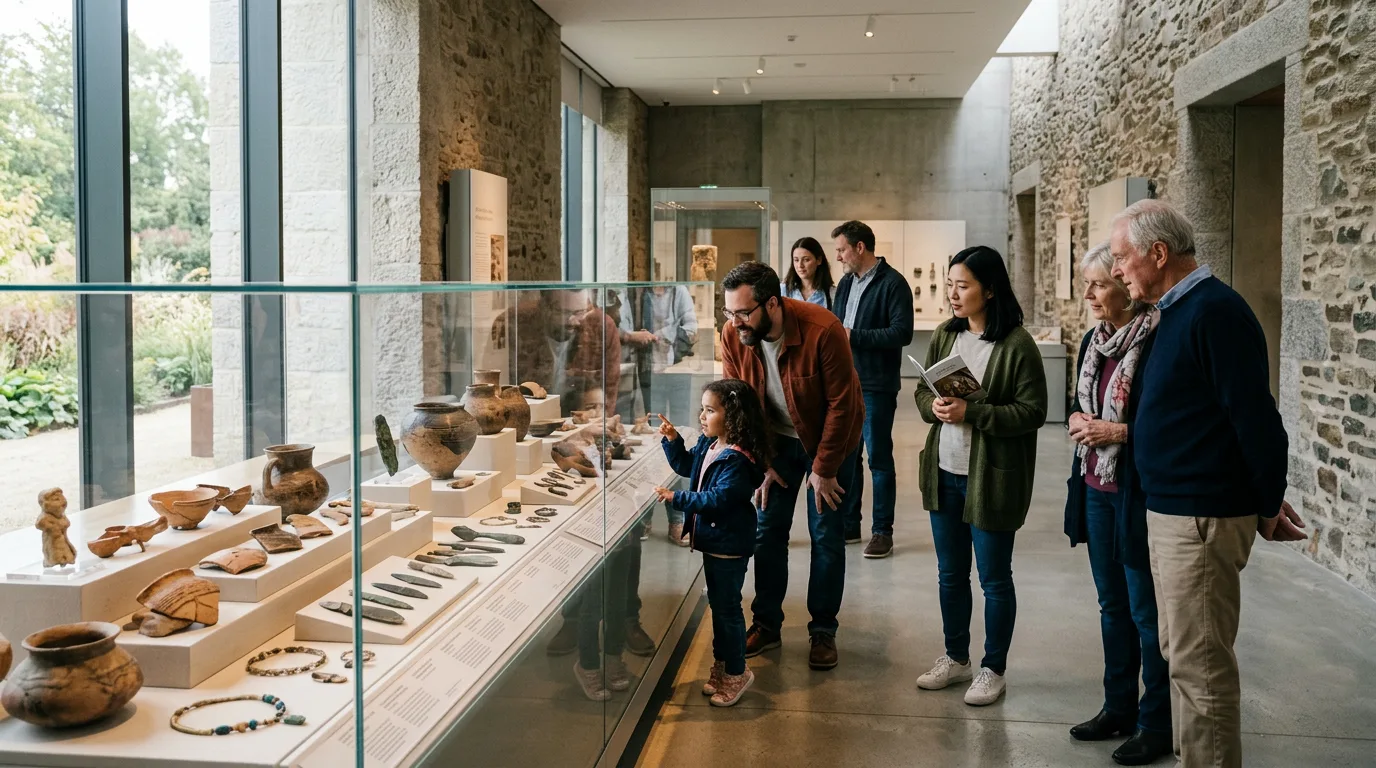
Humanity’s relentless curiosity about its past has fueled some of the most thrilling quests for knowledge, leading to monumental breakthroughs that have reshaped our understanding of civilization. Archaeology, the study of human history and prehistory through the excavation of sites and the analysis of artifacts, is a discipline built on discovery. From accidental finds by farmers to meticulously planned expeditions by dedicated scholars, the history of famous archaeological discoveries is a vibrant tapestry woven with tales of intrigue, perseverance, and profound insight. This guide delves into the fascinating journey of how we unearthed lost worlds, deciphered ancient scripts, and pieced together the narrative of our collective heritage.
The Dawn of Archaeology: From Treasure Hunting to Scholarly Inquiry
Before archaeology became a recognized scientific discipline, the exploration of ancient sites was often driven by a mix of curiosity, religious fervor, and the pursuit of valuable artifacts. The Renaissance period in Europe saw a renewed interest in classical antiquity, leading to the unearthing of Roman statues and architectural fragments that fueled artistic and intellectual movements. However, these early “antiquarians” often lacked systematic methods, frequently damaging sites in their search for treasures.
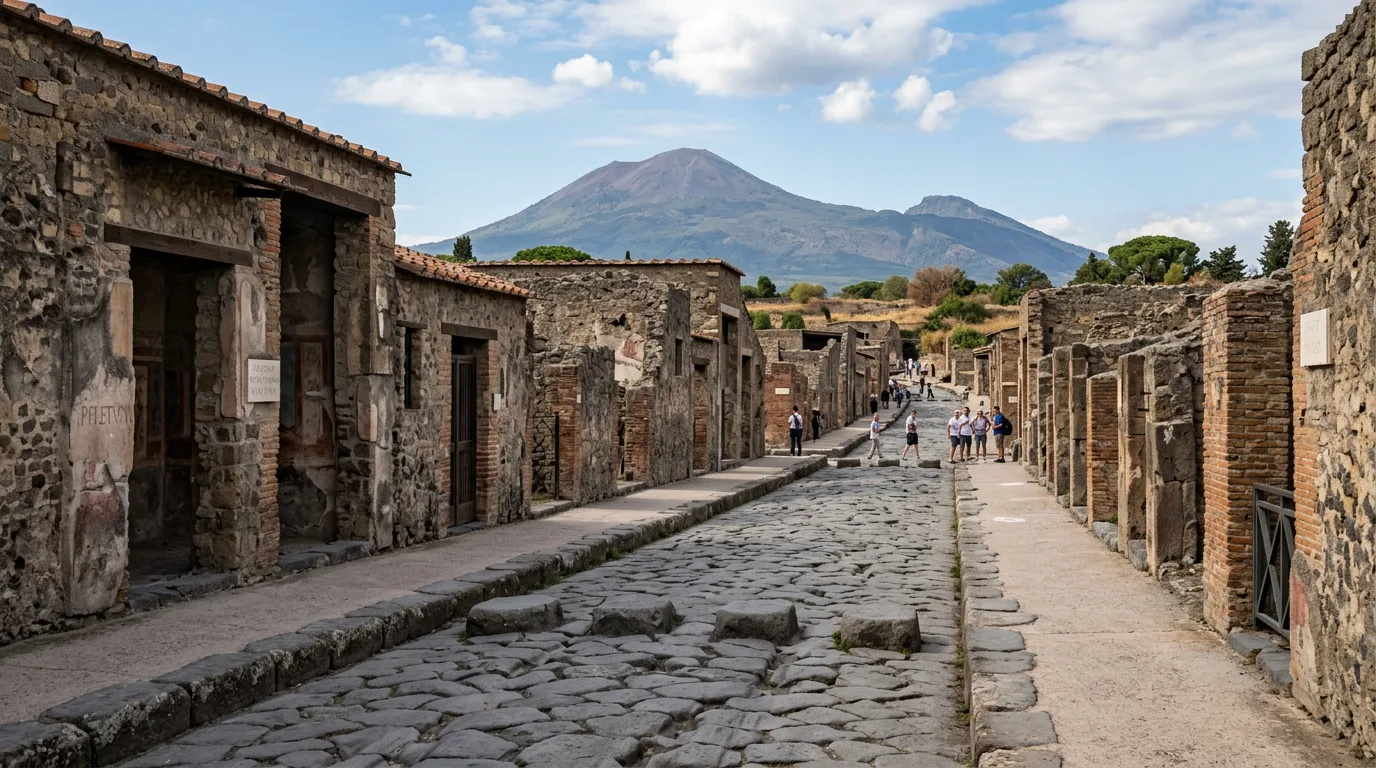
A pivotal moment in this transition was the discovery of Pompeii and Herculaneum in the mid-18th century. Buried by the eruption of Mount Vesuvius in 79 AD, these Roman cities offered an unprecedented snapshot of daily life. While early excavations were often crude and destructive, the scale and preservation of the sites sparked public imagination and highlighted the potential for understanding past societies in vivid detail. The sheer volume of finds – from frescoes and mosaics to everyday tools and even human remains – began to shift the focus from mere collection to broader interpretation. However, it wasn’t until the 19th century that more systematic approaches began to take root, laying the groundwork for modern archaeological practice.
The Age of Grand Expeditions: Unveiling Ancient Civilizations Through Famous Archaeological Discoveries
The 19th and early 20th centuries marked an era of grand expeditions, driven by imperial ambitions, burgeoning academic institutions, and a fervent desire to uncover the roots of great civilizations. This period saw some of the most iconic and famous archaeological discoveries that continue to captivate the world.
One of the most significant breakthroughs was the decipherment of Egyptian hieroglyphs. The discovery of the Rosetta Stone in 1799 by Napoleon’s soldiers in Egypt provided the key. This basalt stele bore the same decree inscribed in three scripts: hieroglyphic, Demotic, and ancient Greek. It took scholars like Jean-François Champollion decades, but by 1822, he had cracked the code, unlocking millennia of Egyptian history, religion, and culture. This monumental achievement transformed Egyptology from speculation into a rigorous academic field.
Meanwhile, a German businessman turned archaeologist, Heinrich Schliemann, fueled by a belief in the historical accuracy of Homer’s Iliad, famously excavated the site of Hisarlik in modern-day Turkey in the 1870s. He claimed to have found the legendary city of Troy, along with “Priam’s Treasure.” While Schliemann’s methods were often criticized for their destructiveness and his interpretations sometimes flawed, his work undeniably brought ancient Greece to life and sparked immense public interest in archaeological exploration.
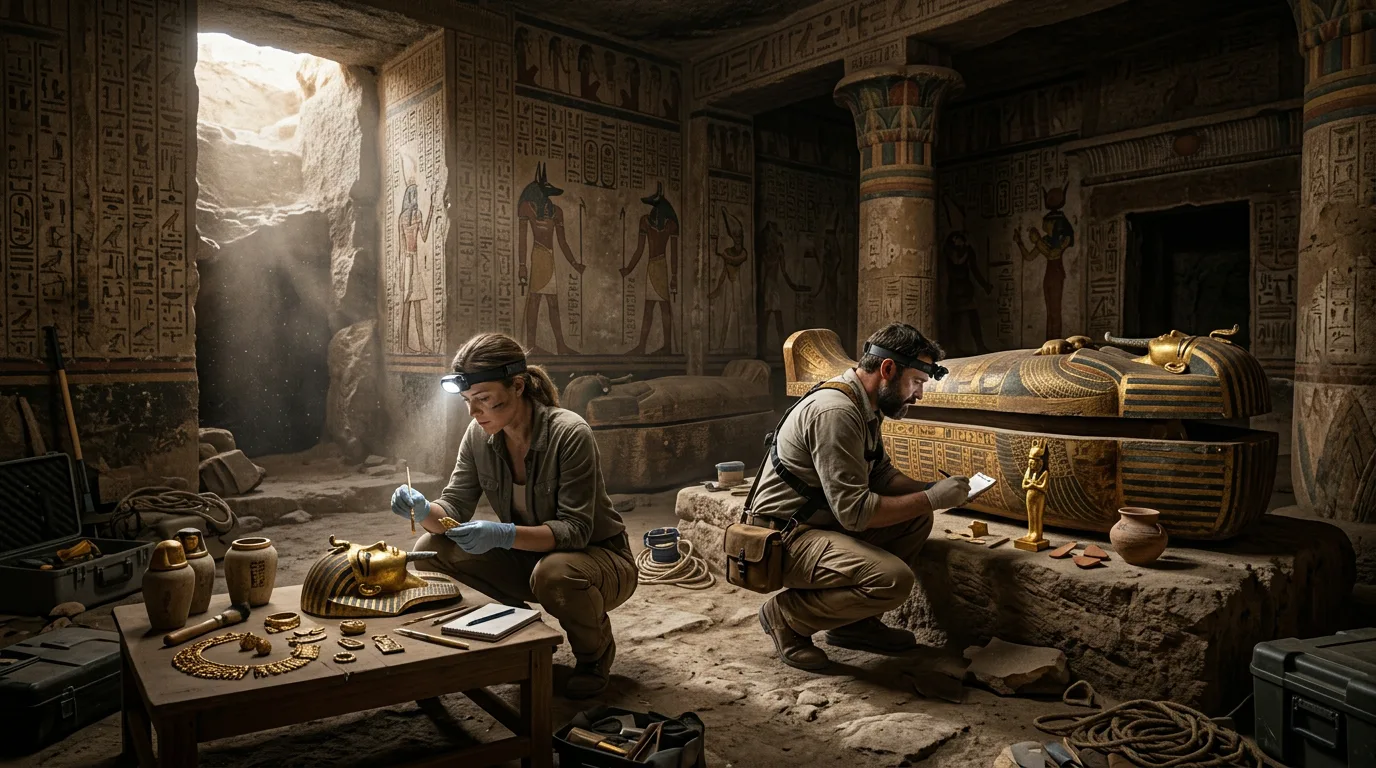
Perhaps the most sensational discovery of this era was Howard Carter’s unearthing of the tomb of Tutankhamun in Egypt’s Valley of the Kings in 1922. After years of searching, Carter, funded by Lord Carnarvon, located the nearly intact tomb of the boy-king. The sheer wealth of treasures – golden masks, chariots, intricate jewelry, and funerary objects – provided an unparalleled glimpse into ancient Egyptian burial practices and artistic mastery. The discovery became a global phenomenon, sparking “Egyptomania” and cementing archaeology’s place in popular culture.
Revolutionizing Our Past: Scientific Archaeology and Deeper Time
The mid-20th century brought a scientific revolution to archaeology. The advent of radiocarbon dating in the late 1940s by Willard Libby fundamentally changed the way archaeologists could date organic materials. This technology provided an objective, scientific method for establishing chronologies, allowing for a much more accurate understanding of prehistoric cultures and the sequencing of events across vast stretches of time.
This era also saw a renewed focus on human origins. The work of Louis and Mary Leakey at Olduvai Gorge in Tanzania became legendary. From the 1930s through the 1970s, their persistent excavations yielded crucial hominin fossils, including Homo habilis and Paranthropus boisei, along with early stone tools. These discoveries pushed back the timeline of human evolution significantly and provided compelling evidence for Africa as the cradle of humanity.
In Europe, chance discoveries also continued to amaze. The Lascaux Cave in France, discovered by teenagers in 1940, revealed breathtaking Paleolithic cave paintings dating back over 17,000 years. Similarly, the Chauvet Cave, discovered in 1994, pushed the age of complex cave art back even further, to over 30,000 years ago. These sites offered profound insights into the artistic and symbolic capabilities of early humans, challenging previous notions of their cognitive development.
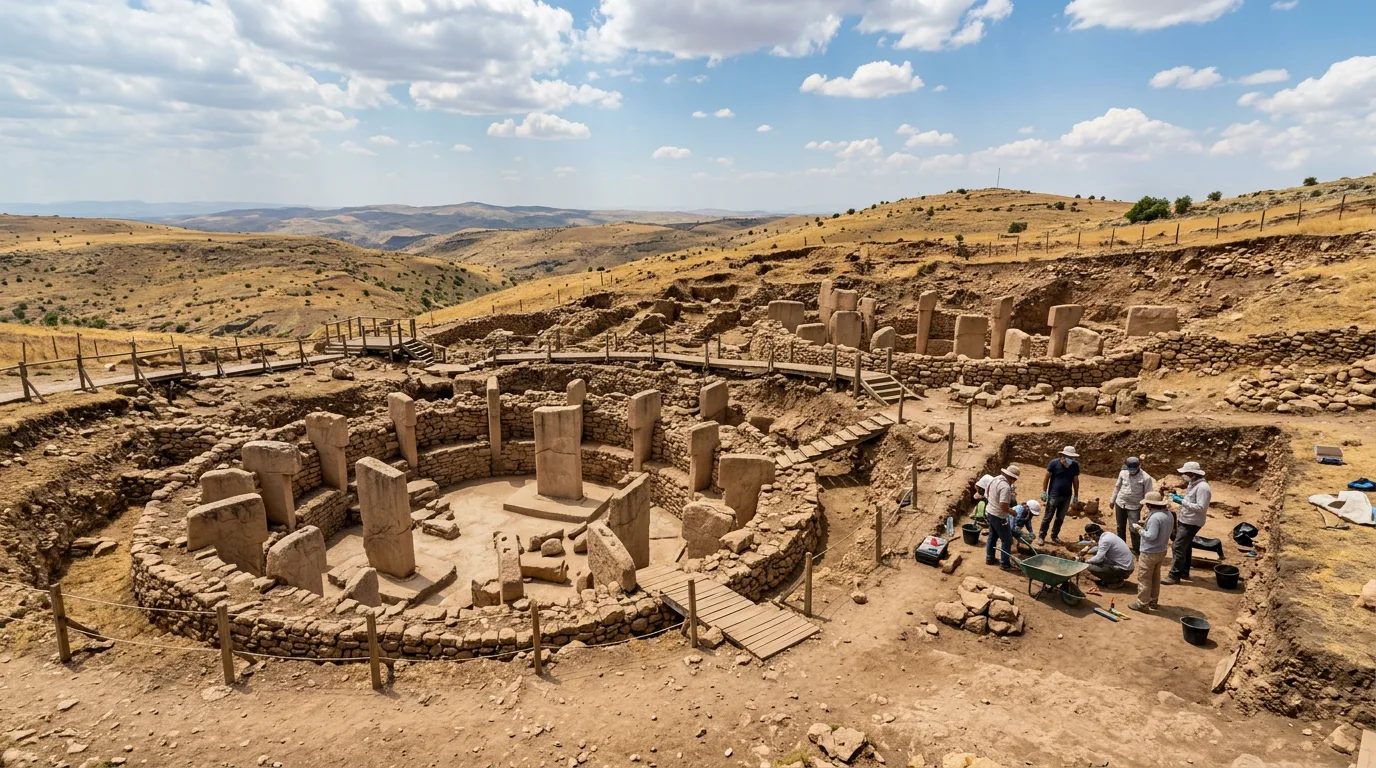
More recently, the discovery of Göbekli Tepe in southeastern Turkey in the mid-1990s dramatically reshaped our understanding of the Neolithic Revolution. This monumental complex of megalithic structures, dating back over 11,000 years (predating Stonehenge by 6,000 years and the invention of agriculture), suggests that complex ritual sites and organized labor may have preceded the development of settled agriculture, challenging the long-held belief that agriculture was the prerequisite for monumental architecture and complex societies.
Underwater Worlds and Lost Cities: Expanding the Scope of Archaeological Discoveries
The vast majority of Earth’s surface is covered by water, meaning countless human stories lie submerged beneath the waves. The development of specialized diving technology and sonar during the 20th century opened up a new frontier: maritime archaeology. This field explores shipwrecks, submerged cities, and ancient harbors, offering unique insights into trade, navigation, and daily life in coastal communities.
One of the most spectacular maritime finds is the Uluburun shipwreck, discovered off the coast of Turkey in 1982. Dating to the Late Bronze Age (around 1300 BC), this merchant vessel was laden with an extraordinary cargo, including copper ingots, tin ingots, glass ingots, pottery from various cultures, and exotic raw materials like elephant tusks and hippopotamus teeth. Its excavation, spanning a decade, provided an unparalleled snapshot of international trade networks and technological sophistication in the ancient Mediterranean.
Another fascinating area of underwater exploration involves submerged cities. Off the coast of Alexandria, Egypt, archaeologists are slowly uncovering parts of the ancient city swallowed by earthquakes and rising sea levels. Finds include statues, sphinxes, and parts of Cleopatra’s palace, offering tantalizing glimpses into the Ptolemaic dynasty. These underwater sites present unique challenges – preservation, accessibility, and the delicate nature of recovering artifacts – but they continue to yield incredible insights into civilizations that once thrived on land now claimed by the sea.
Modern Archaeology: Technology, Ethics, and Community Engagement
Today, archaeology stands at the intersection of cutting-edge technology, rigorous scientific methodology, and a growing awareness of ethical responsibilities. Modern tools have revolutionized how we locate and study sites, while evolving ethical frameworks guide how we interact with the past and its living descendants.
Remote sensing technologies like LiDAR (Light Detection and Ranging) have transformed landscape archaeology. By penetrating dense jungle canopies from aircraft, LiDAR can map ancient structures and settlements hidden for centuries. This technology has revealed vast, interconnected Maya urban landscapes in Guatemala and Mexico, showing that their cities were far more extensive and densely populated than previously imagined. Similarly, satellite imagery and ground-penetrating radar allow archaeologists to identify potential sites and plan excavations with unprecedented precision, minimizing destructive exploratory digging.
DNA analysis is another powerful tool. The study of ancient DNA (aDNA) from human remains has provided groundbreaking insights into migration patterns, genetic relationships between ancient and modern populations, and even the spread of diseases. The controversial discovery of Kennewick Man in the US, for instance, sparked debates over the origins of Native Americans and the ethical treatment of ancestral remains, highlighting the complex interplay between science, indigenous rights, and cultural heritage.
Furthermore, modern archaeology increasingly emphasizes community engagement and public archaeology. Projects often involve local populations, recognizing their historical ties to the land and their right to participate in the interpretation and preservation of their heritage. This shift acknowledges that archaeological discoveries are not just for academics but are part of a shared human story, requiring collaborative and respectful stewardship.
Conclusion
The history of famous archaeological discoveries is a testament to humanity’s unyielding desire to understand its origins and trajectory. From the early treasure hunters to today’s technologically advanced and ethically conscious researchers, each discovery has added a vital piece to the vast puzzle of our past. The unearthing of Pompeii, the decipherment of hieroglyphs, the treasures of Tutankhamun, the hominids of Olduvai Gorge, the artistry of Lascaux, the monumental architecture of Göbekli Tepe, and the submerged riches of Uluburun – these are just a few examples of how archaeology continually reshapes our perception of who we are and where we come from. As technology advances and new ethical considerations emerge, the journey of discovery continues, promising even more profound revelations about the rich and complex tapestry of human history.