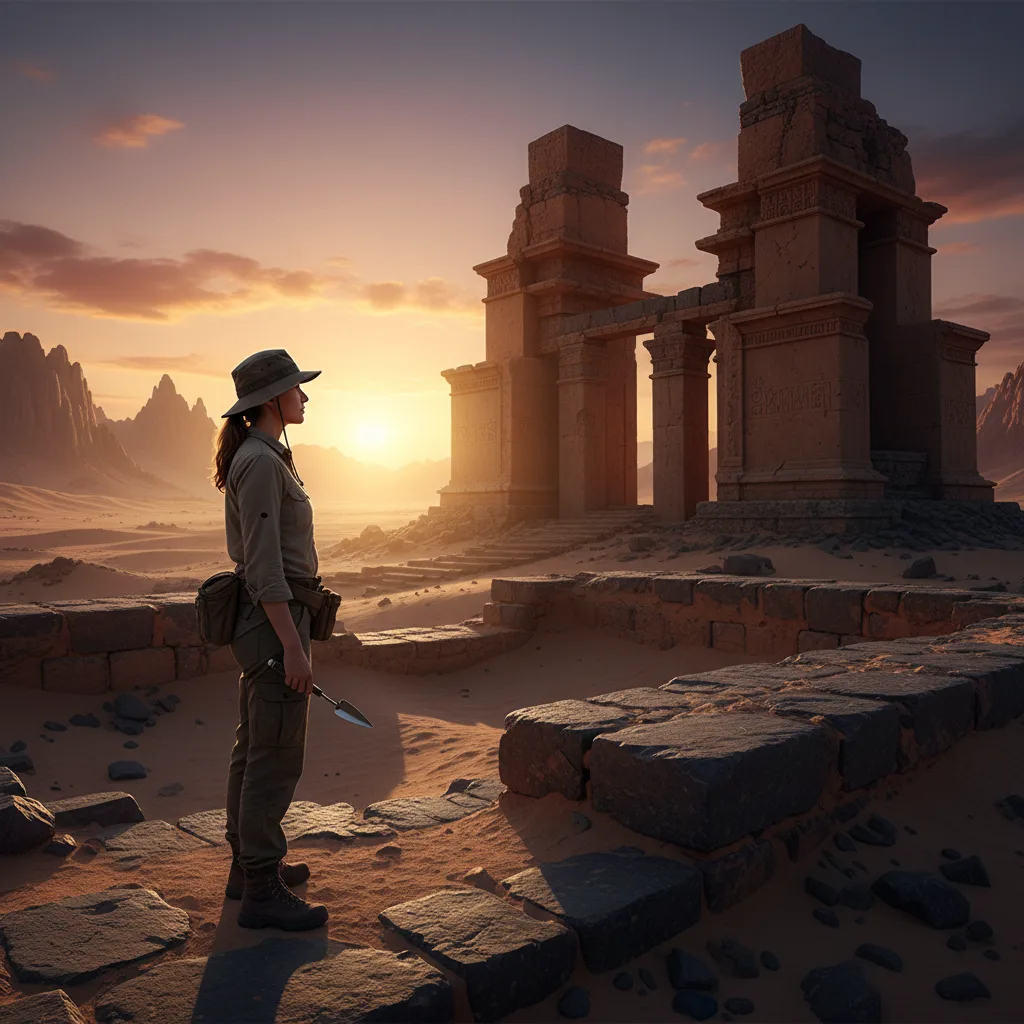
Lost Worlds: Unraveling the Most Mysterious Civilizations
Explore the most mysterious civilizations in history. Uncover cultures that rose, flourished, and vanished, leaving tantalizing clues and unanswered questions about their enigmatic existence.
Unraveling the Enigmas: Exploring the Most Mysterious Civilizations in the World
Human history is a vast tapestry woven with threads of innovation, conflict, and extraordinary achievement. Yet, amidst the well-documented empires and dynasties, there exist profound gaps—entire civilizations that rose, flourished, and then vanished, leaving behind only tantalizing clues and unanswered questions. These are the most mysterious civilizations in the world, cultures whose stories are incomplete, whose languages are unread, or whose sudden disappearances defy easy explanation. They challenge our understanding of the past and fuel an endless fascination with the unknown.
From advanced urban planners whose writing remains a puzzle to islanders who moved colossal statues with unknown means, these ancient societies beckon us to look closer, to theorize, and to acknowledge the limits of our current knowledge. Join us on a journey through time as we explore some of history’s most compelling enigmas, delving into the archaeological wonders and enduring mysteries that define these lost worlds.
The Silent Cities of the Indus: Unraveling the Harappan Mystery
Nestled in what is now Pakistan and northwest India, the Indus Valley Civilization, also known as the Harappan Civilization, was one of the three early cradles of civilization in the Old World (alongside ancient Egypt and Mesopotamia). Flourishing from approximately 2500 to 1900 BCE, it was a sprawling urban culture boasting cities like Mohenjo-Daro and Harappa, which were remarkably advanced for their time.
What makes them mysterious?
- Undeciphered Script: The most significant enigma is their Indus script, a system of symbols found on seals, pottery, and tablets. Despite numerous attempts, it remains undeciphered, preventing us from reading their own accounts of their society, beliefs, and history. This silence is a profound barrier to understanding.
- Advanced Urban Planning Without Obvious Rulers: Harappan cities featured sophisticated urban planning, with grid-like street layouts, elaborate drainage systems, and standardized brick sizes. Yet, archaeologists have found no grand palaces, monumental temples, or obvious signs of a centralized monarchy or military elite, suggesting a remarkably egalitarian or perhaps priest-led society. This contrasts sharply with contemporary civilizations.
- Mysterious Decline: Around 1900 BCE, the civilization began to decline, eventually collapsing. Theories range from climatic change (such as a prolonged drought impacting the monsoon system), shifts in river courses, to possible invasions (though evidence for this is weak). The lack of clear evidence leaves its demise shrouded in uncertainty.
The Harappans left behind a legacy of sophisticated craftsmanship, intricate seals depicting animals and enigmatic figures, and a tantalizing glimpse into a highly organized, perhaps peaceful, urban society whose full story we are yet to unlock.
Rapa Nui: The Enigmatic Stone Giants of Easter Island
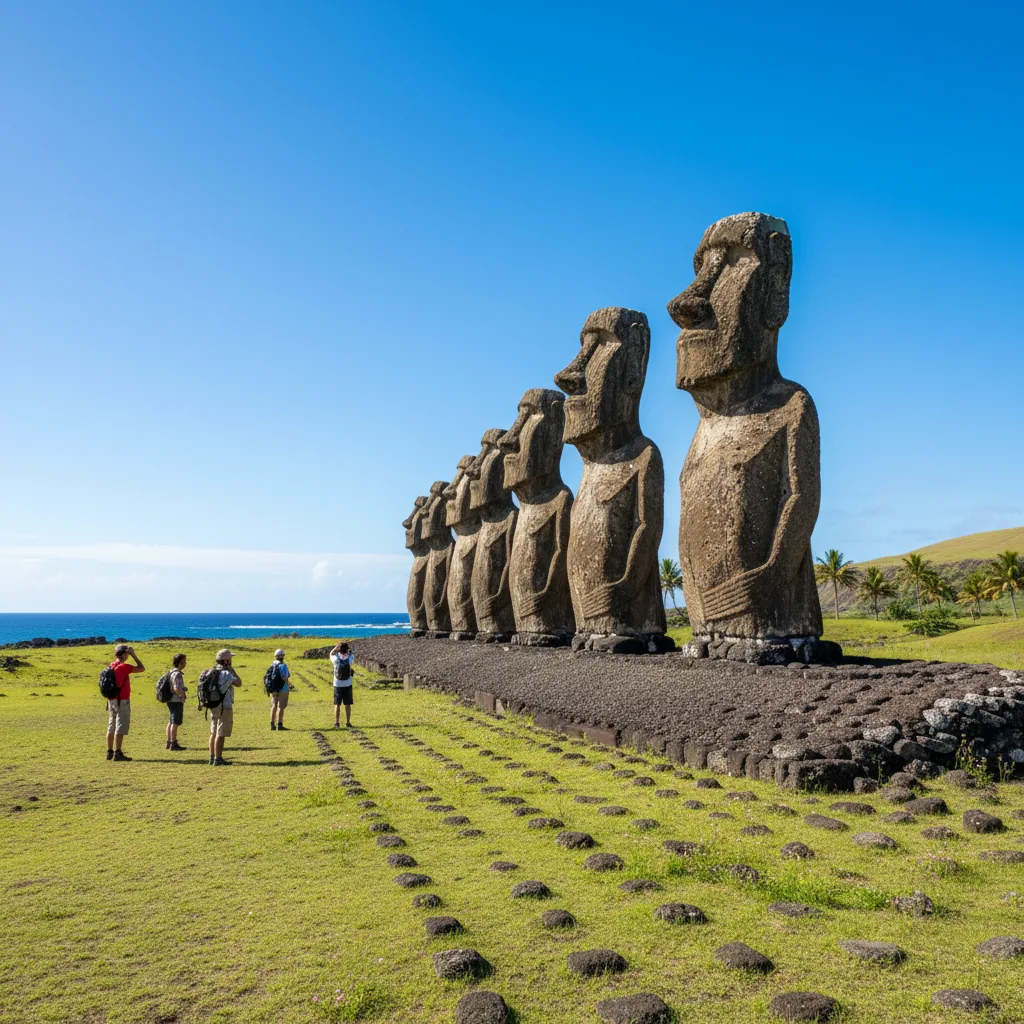
Far out in the Pacific Ocean, one of the most isolated inhabited islands on Earth holds a profound mystery: Rapa Nui, or Easter Island. This small island, roughly 63 square miles, is home to nearly 1,000 colossal stone statues known as Moai. Carved from volcanic rock, these monolithic figures, some standing over 30 feet tall and weighing up to 80 tons, gaze inland from ceremonial platforms called ahu.
What makes them mysterious?
- Construction and Transport: The sheer scale of the Moai and the fact that they were carved and transported across the island by a Stone Age society without the aid of wheels, draft animals, or sophisticated machinery, presents an astounding logistical challenge. How did they move these giants? Theories involve rolling them on logs, using ropes and levers to “walk” them upright, or a combination of methods, but no definitive answer has been universally accepted.
- Purpose and Meaning: While generally believed to represent deified ancestors or important personages, the precise cultural and religious significance of the Moai, their orientation, and the red scoria “topknots” (pukao) worn by some, remain subjects of intense debate.
- Societal Collapse: The flourishing society that created the Moai eventually collapsed dramatically. By the time Europeans arrived in the 18th century, many Moai had been toppled, and the island’s once-forested landscape was barren. The prevailing theory points to ecocide—the islanders overexploited their natural resources, leading to deforestation, soil erosion, and resource scarcity, which in turn triggered warfare, famine, and a breakdown of social order. However, the exact interplay of environmental degradation and internal conflict, and whether external factors like disease played a role, is still debated.
Rapa Nui stands as a powerful, albeit tragic, testament to human ingenuity and the potential consequences of ecological mismanagement, its silent stone guardians forever posing questions about their creators’ rise and fall.
The Olmec: Mesoamerica’s Mother Culture and Its Lingering Questions
Often referred to as Mesoamerica’s “Mother Culture,” the Olmec civilization emerged around 1600 BCE in the tropical lowlands of south-central Mexico. They predate the Maya and Aztec, laying many of the foundational cultural and artistic traditions that would characterize later Mesoamerican societies. Sites like San Lorenzo and La Venta reveal a complex society with monumental architecture and sophisticated art.
What makes them mysterious?
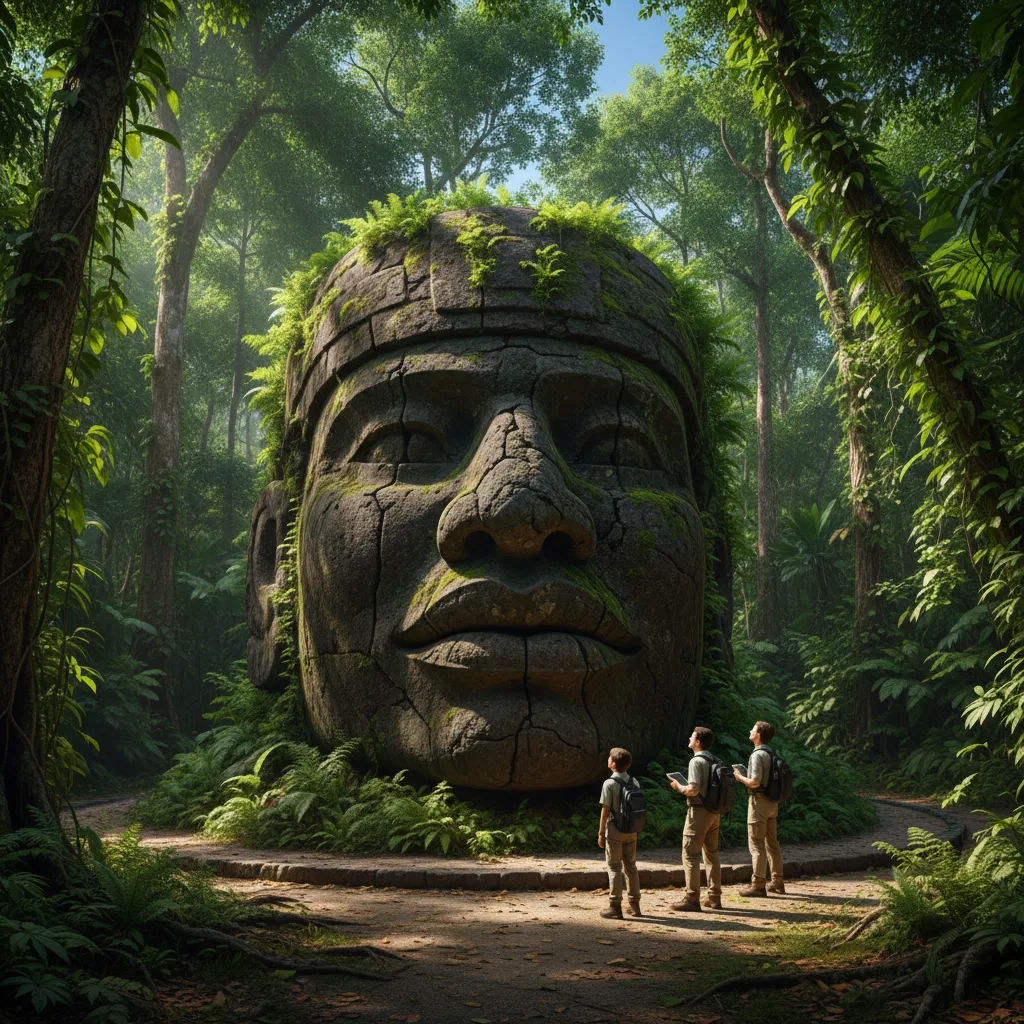
- Colossal Heads: The most iconic Olmec artifacts are the colossal basalt heads, massive sculptures ranging from 6 to 11 feet tall and weighing up to 40 tons. Each head depicts a distinct individual, likely a ruler, wearing a unique helmet. The basalt was quarried from distant volcanic mountains and transported dozens of miles, a feat of engineering and organization that still puzzles archaeologists. How they were moved and carved with limited tools remains a subject of speculation.
- Unknown Origins and Influence: While considered the “mother culture,” the precise origins of the Olmec people and the extent of their influence on neighboring and later cultures are still debated. Did their innovations spread through conquest, trade, or cultural diffusion?
- Mysterious Decline: Around 400 BCE, the major Olmec centers were abandoned, and their distinctive culture faded. There’s no clear evidence of invasion or widespread environmental catastrophe. Theories include environmental changes (such as river course shifts impacting agriculture), internal social unrest, or a gradual shift in power and population to other emerging centers. The lack of a written historical record (beyond rudimentary glyphs) leaves their decline largely unexplained.
The Olmec’s artistic mastery, their development of a calendar system, and their possible invention of Mesoamerican ballgame rituals left an indelible mark, yet the full story of their rise and disappearance remains one of the most mysterious civilizations in the world.
The Classic Maya Collapse: A Sudden Silence Among the Most Mysterious Civilizations in the World
The Maya civilization, renowned for its sophisticated writing system, advanced mathematics, intricate calendar, and monumental architecture, flourished in Mesoamerica for centuries. During its Classic Period (c. 250–900 CE), great city-states like Tikal, Palenque, and Copán dominated the landscape, characterized by towering pyramids, elaborate temples, and complex social structures. Yet, between the 8th and 9th centuries CE, something profound happened: the Classic Maya Collapse.
What makes them mysterious?
- Sudden Abandonment of Cities: Within a relatively short period, the great Maya cities of the southern lowlands were largely abandoned. Construction ceased, royal lineages ended, and populations plummeted. It wasn’t a universal collapse—some northern Maya cities continued to thrive, and the Maya people themselves did not vanish—but the heartland of their most spectacular achievements fell silent.
- Multi-Factorial Theories: Unlike a single catastrophic event, the collapse is believed to have been a complex interplay of factors. Leading theories include:
- Prolonged Drought: Paleoclimatic data suggests a series of severe, multi-year droughts coinciding with the collapse.
- Environmental Degradation: Intensive agriculture, deforestation, and soil erosion may have exacerbated the effects of drought and resource scarcity.
- Warfare and Political Instability: Evidence suggests increased inter-city warfare and internal conflicts, perhaps driven by resource competition and weakened central authority.
- Disease: While less direct evidence exists, new diseases could have played a role.
- Lack of a Single Explanation: The precise weighting and interaction of these factors, and why some regions collapsed while others persisted, remain subjects of intense debate. The Maya left behind vast written records on stelae and codices, but they rarely offer direct explanations for the societal breakdown, focusing instead on dynastic achievements and cosmic cycles.
The Classic Maya Collapse serves as a cautionary tale of environmental limits and societal fragility, and continues to be one of the most intensively studied and debated examples of societal decline among the most mysterious civilizations in the world.
Göbekli Tepe: Rewriting the Dawn of Civilization
Located in southeastern Turkey, Göbekli Tepe is not a civilization in the traditional sense of a sprawling empire or urban network, but rather a monumental site that fundamentally challenges our understanding of the origins of civilization itself. Dating back to the Pre-Pottery Neolithic period, around 9600–8200 BCE, it predates Stonehenge by some 6,000 years and the pyramids of Egypt by 7,000 years.
What makes it mysterious?
- Pre-Agricultural Megaliths: Before Göbekli Tepe, it was widely believed that large-scale, complex societies and monumental architecture only arose after the development of agriculture, which provided the surplus resources and settled populations necessary for such endeavors. Göbekli Tepe turns this on its head. It was built by hunter-gatherers, suggesting that complex religious or social structures might have preceded agriculture, perhaps even inspiring its development.
- Sophisticated Art and Engineering: The site consists of numerous massive circular enclosures featuring T-shaped monolithic pillars, some weighing up to 20 tons. These pillars are intricately carved with reliefs of wild animals—boars, foxes, snakes, birds—displaying a high degree of artistic skill and symbolic complexity. The organization and labor required to quarry, transport, and erect these stones by a pre-agricultural society are astonishing.
- Deliberate Burial: After centuries of use, the entire site was deliberately buried, layer upon layer, by its creators. The reason for this intentional burial is unknown, adding another layer of intrigue to its story. Was it to preserve it, to ritualistically end its use, or to prepare for a new phase?
Göbekli Tepe forces us to reconsider the timeline and catalysts for human civilization, suggesting that spiritual and communal needs might have been as powerful a driving force as material necessity. It remains a profound archaeological puzzle, revealing a level of organizational complexity among early humans previously thought impossible.
The Nazca Lines: Art, Astronomy, or Ancient Messages?
Stretching across the arid plains of Peru, the Nazca Lines are a series of ancient geoglyphs etched into the desert floor by the Nazca culture (c. 100 BCE – 800 CE). Covering an area of about 170 square miles, these colossal designs include over 300 figures of animals (hummingbirds, monkeys, spiders, lizards), plants, geometric shapes, and straight lines, some extending for miles.
What makes them mysterious?
- Purpose and Meaning: The most enduring mystery is why the Nazca people created these enormous designs, many of which can only be fully appreciated from an aerial perspective. Were they astronomical observatories, religious offerings to mountain deities or sky gods, pathways for ceremonial processions, or perhaps a massive irrigation system calendar? While theories abound, a definitive explanation for their purpose remains elusive.
- Construction Method: The Nazca people created these lines by simply removing the reddish-brown surface pebbles to expose the lighter-colored subsoil. Despite their simplicity, the sheer scale and precision of the designs, achieved without modern surveying equipment, are remarkable. How they scaled up small drawings to such massive proportions while maintaining accuracy is a testament to their engineering and mathematical skills.
- Water Management Context: Some researchers link the lines to the Nazca’s sophisticated puquios—underground aqueducts that tapped into subterranean water sources. Given the extreme aridity of the region, the lines might have been part of a ritualistic appeal for water or marked water sources.
The Nazca Lines continue to captivate the imagination, serving as an enduring symbol of ancient human ingenuity and our persistent quest to understand the motivations behind monumental artistic and engineering endeavors.

Conclusion
The most mysterious civilizations in the world stand as powerful reminders of the vastness of human history and the limits of our current knowledge. From the silent, script-locked cities of the Indus to the enigmatic stone giants of Rapa Nui, the pioneering artistry of the Olmec, the dramatic collapse of the Classic Maya, the paradigm-shifting megaliths of Göbekli Tepe, and the sprawling geoglyphs of Nazca, each civilization offers a unique window into humanity’s past and an enduring puzzle for its future.
These lost worlds challenge us to look beyond conventional narratives, to embrace the ambiguities of archaeological evidence, and to continue pushing the boundaries of discovery. As technology advances and new sites are unearthed, perhaps one day we will unlock the secrets that still shroud these incredible cultures, adding new, vibrant chapters to the grand story of human civilization. Until then, they remain powerful symbols of wonder, inspiring awe and inviting endless speculation about the ingenuity, beliefs, and ultimate fates of those who came before us.