World's Most Bizarre Traditions: Unveiling Humanity's Quirky Customs
Dive into humanity's most bizarre traditions and quirky customs from around the world. Explore unique cultural practices that challenge perceptions of normal and extraordinary, guided by TrendSeek.
Unveiling the World’s Most Bizarre Traditions: A TrendSeek Guide to Humanity’s Quirkiest Customs
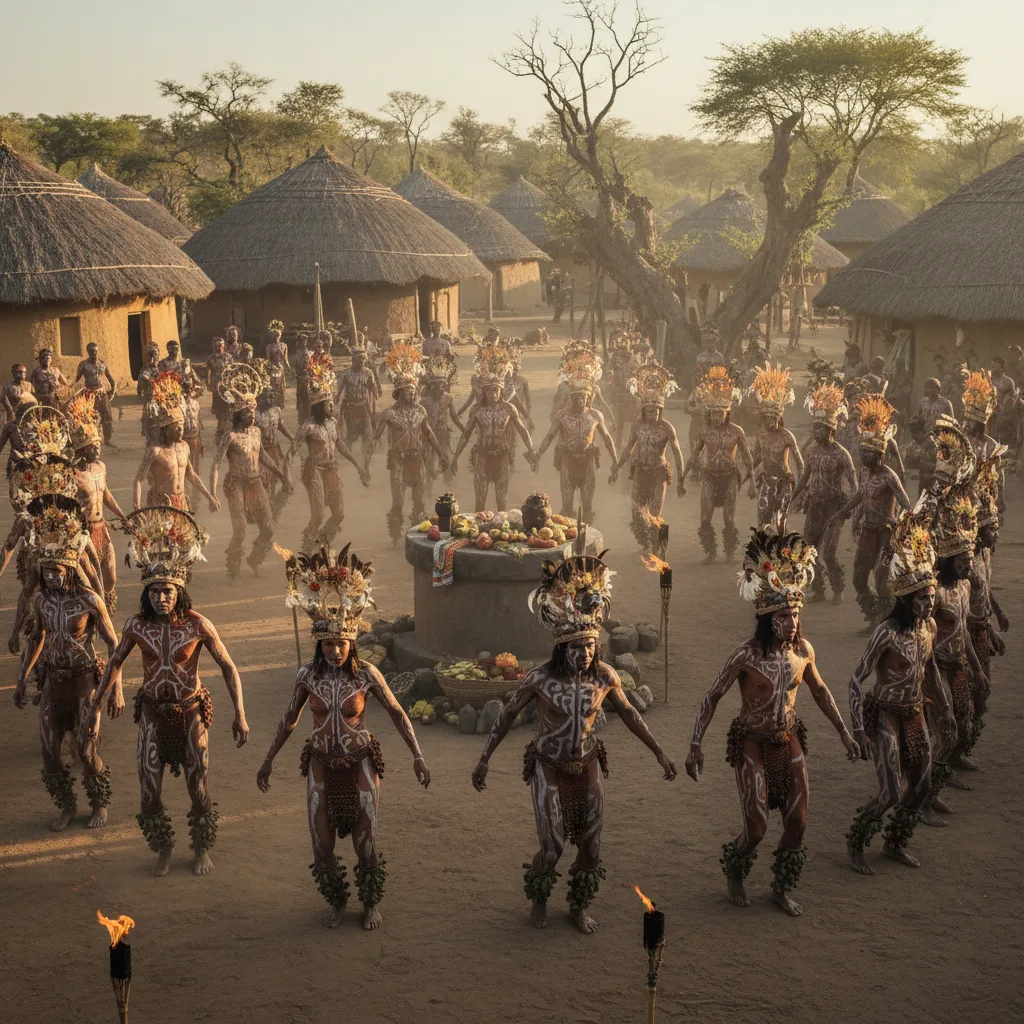
Humanity is a tapestry woven with countless cultures, each with its unique threads of history, belief, and practice. While many traditions resonate with universal themes of celebration, mourning, or transition, others stand out for their sheer peculiarity, challenging our perceptions of normal and extraordinary. At TrendSeek, we delve into the heart of global phenomena, and today, we embark on a fascinating journey to explore some of the most bizarre traditions around the world – customs that baffle, intrigue, and ultimately, remind us of the incredible diversity of the human spirit.
These aren’t just oddities; they are deeply ingrained cultural expressions, often rooted in ancient beliefs, spiritual practices, or historical events. From rituals of extreme endurance to whimsical festivals, each tradition tells a story about the community that cherishes it, offering a window into different worldviews and values.
The Spectrum of Bizarre: Why Do These Traditions Exist?
Before we dive into specific examples, it’s crucial to understand the underlying reasons for the existence of the most bizarre traditions around the world. What might seem strange or even shocking to an outsider often holds profound meaning for participants. These traditions can serve various purposes:
- Rites of Passage: Marking significant life stages like birth, puberty, marriage, or death.
- Spiritual Connection: Appeasing deities, warding off evil spirits, or seeking blessings.
- Community Bonding: Strengthening social ties, fostering identity, and preserving heritage.
- Harvest & Fertility: Ensuring bountiful crops or successful reproduction.
- Historical Commemoration: Remembering ancestors, battles, or pivotal events.
- Entertainment & Celebration: Simply bringing joy and spectacle to a community.
Understanding this context allows us to approach these customs not with judgment, but with a sense of wonder and respect for the intricate ways cultures navigate existence.
Rituals of Endurance and Pain: Pushing Human Limits
Some traditions push the boundaries of physical and mental endurance, serving as intense rites of passage or demonstrations of faith. These often involve pain, isolation, or extreme challenges, symbolizing a transition from one state to another.
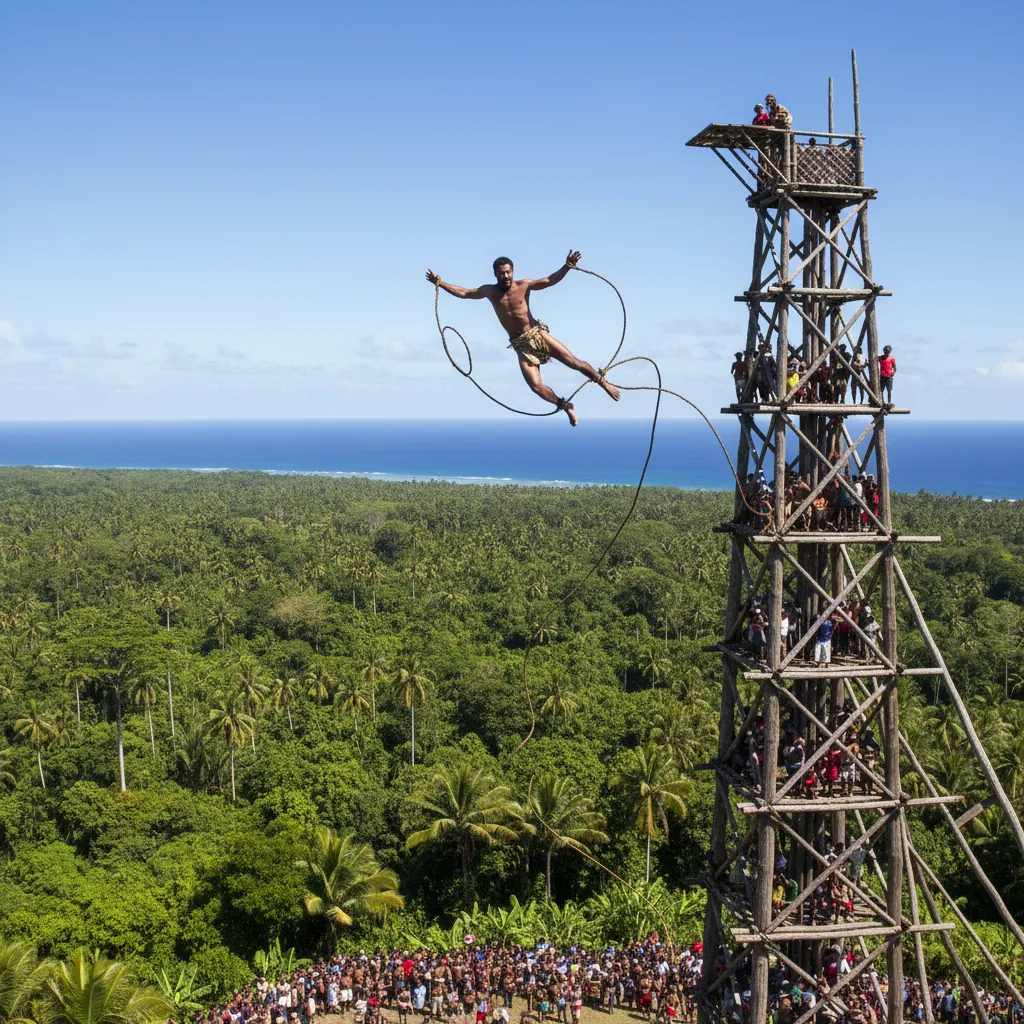
- Land Diving (Nagol) in Vanuatu: On Pentecost Island, men and boys construct massive wooden towers, sometimes over 100 feet tall. They then tie vines to their ankles and leap headfirst towards the earth, aiming to brush their shoulders on the soil. This terrifying ritual, performed annually between April and June, is a harvest festival, believed to ensure a good yam crop. It’s also a powerful display of courage and masculinity, with origins as a legend about a woman escaping an abusive husband. The precision required in vine length is astounding, making it one of the most perilous yet revered traditions globally.
-
Finger Mutilation (Ikipalin) of the Dani Tribe, Indonesia: For the Dani people in the remote highlands of West Papua, the grief of losing a loved one, especially a close family member, is expressed through a deeply painful ritual. Women would traditionally amputate a segment of their fingers using a stone blade or by tying a string tightly around the finger until it became numb and could be easily removed. While largely phased out due to government intervention, the practice symbolized the profound sorrow and the pain of loss, with each lost finger representing a lost relative.
-
Akateko’s “Dancing with the Devil” (Guatemala): In the highland village of San Mateo Ixtatán, Guatemala, the Akateko Maya perform a ritual dance called “Baile del Diablo” (Dance of the Devil) during the feast of Saint Matthew. Men wear elaborate devil costumes, adorned with mirrors and bells, and dance tirelessly for hours, often fueled by alcohol. This isn’t merely a performance; it’s a profound spiritual event where participants believe they are embodying and confronting evil, purging it from the community. It’s a physically grueling and spiritually intense experience, often lasting late into the night.
Celebrations of the Peculiar: Festivals That Defy Norms
Not all bizarre traditions involve pain; many are vibrant, chaotic, and utterly joyful celebrations that simply embrace the unconventional. These festivals often attract global attention for their unique spectacle.
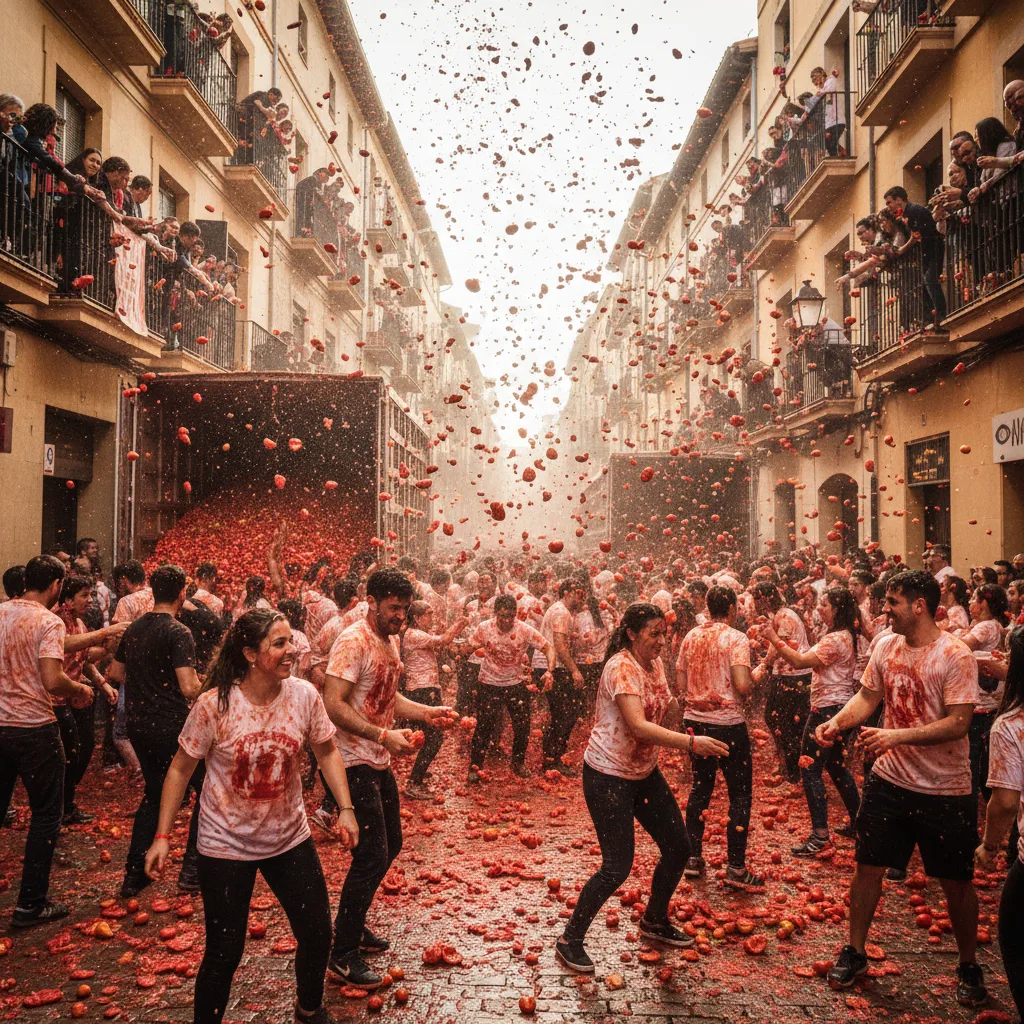
- La Tomatina (Buñol, Spain): Every August, the small Valencian town of Buñol transforms into a colossal food fight zone. Thousands of participants hurl over 100 tons of ripe tomatoes at each other in a chaotic, hour-long battle. Originating from a spontaneous street brawl in 1945, La Tomatina is now a ticketed event, drawing visitors from around the world. It’s a pure, unadulterated release of energy, leaving the streets awash in red pulp and participants drenched in tomato juice – a truly unique way to celebrate!
-
Bunya Nut Festival (Queensland, Australia): For thousands of years, Aboriginal communities in the Bunya Mountains have gathered for the Bunya Nut Festival. This wasn’t just a feast; it was a significant inter-tribal gathering for diplomacy, trade, marriage arrangements, and ceremonies, centered around the abundant harvest of the edible bunya nuts from the ancient bunya pine trees. While the massive gatherings were disrupted by colonization, efforts are now underway to revive this culturally vital tradition, highlighting sustainable harvesting and community connection.
-
Hadaka Matsuri (Okayama, Japan): The “Naked Festival” (though participants wear loincloths, or fundoshi) is a Shinto ritual held annually in winter. Thousands of men brave freezing temperatures to participate in a fierce scramble for sacred wooden sticks (shingi) thrown by a priest into the crowd. Catching a shingi is believed to bring a year of good fortune. The festival, particularly the one at Saidai-ji Temple, is an incredible spectacle of human energy, spiritual fervor, and communal resilience against the cold.
Strange Food & Drink Customs: A Taste of the Unexpected
Culinary traditions reflect a culture’s history, environment, and beliefs. Some take an unexpected turn, presenting dishes and dining rituals that might challenge the palates and sensibilities of outsiders.
-
Casu Marzu (Sardinia, Italy): Often dubbed the “rotten cheese,” Casu Marzu is a traditional Sardinian sheep milk cheese famous (or infamous) for containing live insect larvae. These maggots, intentionally introduced, aid in a level of fermentation that brings the cheese to an advanced stage of decomposition, making it incredibly soft and pungent. While technically illegal due to health regulations, it remains a cherished (and daring) local delicacy, often eaten with the maggots still wriggling.
-
Eating Fugu (Japan): The Japanese delicacy of Fugu, or pufferfish, is renowned not just for its taste but for its potential lethality. The fish contains a potent neurotoxin, tetrodotoxin, which can be fatal if not prepared correctly. Only highly trained and licensed chefs are permitted to prepare fugu, removing the toxic parts with surgical precision. Eating fugu is an experience of exquisite flavor combined with a frisson of danger, a testament to culinary skill and a unique approach to gourmet dining.
-
Kopi Luwak (Indonesia): This coffee, one of the most expensive in the world, owes its unique flavor profile to a rather unusual processing method. The coffee cherries are eaten and digested by the Asian palm civet, a small cat-like mammal. The civet’s digestive enzymes ferment the beans, which are then excreted, collected, thoroughly cleaned, and roasted. The result is a coffee with a distinct, smooth, and less bitter taste, a surprising collaboration between nature and human palates.
Life, Death, and the Afterlife: Unconventional Rites of Passage
The most profound moments in life – birth, marriage, and especially death – are often marked by the most significant and sometimes startling traditions. These rituals reflect deep-seated beliefs about existence, family, and the journey beyond.
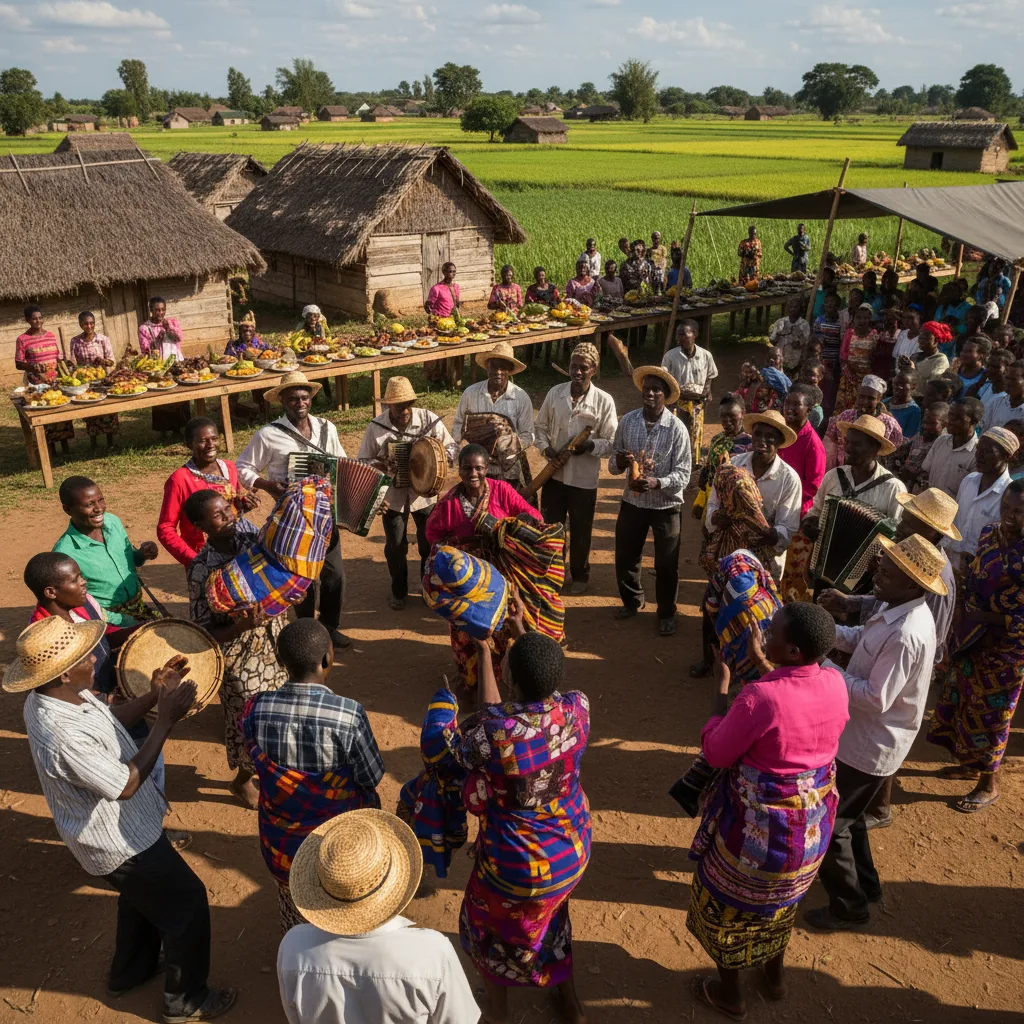
- Famadihana (Madagascar): Known as the “Turning of the Bones,” Famadihana is a funerary custom of the Malagasy people. Every few years, families exhume the remains of their ancestors from their tombs. The bodies are rewrapped in fresh silk shrouds, and then a grand celebration ensues with music, dancing, and feasting. The living dance with the wrapped corpses, sharing stories and updating their deceased relatives on current events. This joyful ceremony is a powerful expression of love, respect, and the enduring connection between the living and the dead.
-
Sky Burial (Tibet): In Tibetan Buddhism, a “sky burial” (jhator) is a traditional funeral practice where human remains are placed on mountaintops to be consumed by scavenger birds, primarily vultures. This practice is rooted in the Buddhist belief in the impermanence of the body and the cycle of rebirth, viewing the body as merely a vessel for the soul. It’s also a practical solution in a region where the ground is often frozen or too rocky for conventional burial, and wood is scarce for cremation. It’s a profound act of generosity, feeding other living beings, and a powerful symbol of letting go.
-
El Colacho (Castrillo de Murcia, Spain): In a tradition dating back to the 17th century, the Spanish village of Castrillo de Murcia hosts “El Colacho,” or the “Baby Jumping Festival.” During the Catholic feast of Corpus Christi, men dressed as devils (Colachos) leap over babies born in the preceding year, who are laid on mattresses in the street. The ritual is believed to cleanse the babies of original sin and protect them from illness and evil spirits. While startling to outsiders, it’s a deeply entrenched cultural and religious practice for the community.
Preserving the Most Bizarre Traditions Around the World: A Call for Understanding
The exploration of the most bizarre traditions around the world is more than just a peek into the unusual; it’s an exercise in cultural empathy. These customs, no matter how strange they may seem to an outsider, are vital threads in the fabric of human history and identity. They often encapsulate centuries of wisdom, spiritual belief, and communal resilience.
As the world becomes increasingly interconnected, many of these unique traditions face challenges, from modernization and external influence to dwindling participation. Preserving them isn’t about fetishizing the ‘exotic’ but about respecting cultural diversity, understanding the nuances of human belief, and acknowledging the rich tapestry of our shared global heritage. Each tradition, in its own way, offers a profound insight into what it means to be human in different corners of the planet.
Conclusion
Our journey through the world’s most bizarre traditions reveals a fascinating truth: there is no single definition of ‘normal’ when it comes to human culture. From the breathtaking leaps of Vanuatu’s land divers to the communal joy of Spain’s tomato fight, and the profound solemnity of Madagascar’s bone-turning ceremony, these customs underscore the boundless creativity, spiritual depth, and communal bonds that define humanity.
At TrendSeek, we believe that understanding these unique practices enriches our global perspective, fostering greater respect and appreciation for the diverse ways people navigate life, death, and everything in between. They are not merely strange; they are vibrant expressions of identity, history, and belief, inviting us all to look beyond the surface and appreciate the extraordinary tapestry of human experience.