
US Space Force 2026: Data Control, Not Laser Cannons
America's 2026 military space tech prioritizes quiet resilience and data control. The US Space Force, established December 20, 2019, leads this strategic shift.
US military space tech in 2026: Beyond laser beams
Forget the Hollywood vision of orbital laser cannons and satellite-destroying missiles. That is not what America’s military space technology will look like in 2026. Dramatic headlines often miss the true story. The actual focus is not on flashy attacks. Instead, it centers on quiet resilience, data control, and a large expansion of where we operate.
The United States Space Force, established on December 20, 2019, is the newest branch of the armed forces. Its mission is to organize, train, and equip Guardian forces. These forces protect US and allied interests in space. This includes securing the vital satellite networks that support global communications, navigation, and intelligence. General Chance Saltzman, Chief of Space Operations, often highlights the need for “combat-ready forces” to prevent aggression.
Many discussions assume these forces mainly develop offensive counter-space tools. They describe a weapons race driven by the search for a single, destructive advantage. This view covers one part of US strategy. However, it overlooks the huge investment in making space assets much harder to hit or disable. The real strategy prioritizes defense, distributed systems, and processing power.
World events guide this approach. Both China and Russia have strong counter-space abilities. China’s 2007 anti-satellite (ASAT) test, which destroyed its own Fengyun-1C weather satellite, showed its capability. Russia continues to develop similar systems. Its 2021 test against COSMOS 1408 proved this point. These actions show how easily traditional, large, expensive satellites can be harmed. This led to a change in US priorities.
The common view of US military space technology in 2026 often pictures single, high-value orbital platforms delivering powerful blows. But this dramatic image misses a basic change in strategy. The US space defense strategy focuses on spreading out and breaking up assets, not just concentrating power. The Space Development Agency (SDA), created in 2019, leads this effort.
The SDA is building the Proliferated Warfighter Space Architecture (PWSA). This is a layered network of hundreds of small, connected satellites in low Earth orbit (LEO). This differs greatly from the old way of relying on a few large, costly satellites in geostationary orbit (GEO). Derek Tournear, SDA Director, stated in March 2023 that the PWSA aims for “resilience through numbers.” This means losing one or even several satellites will not stop the whole system from working.
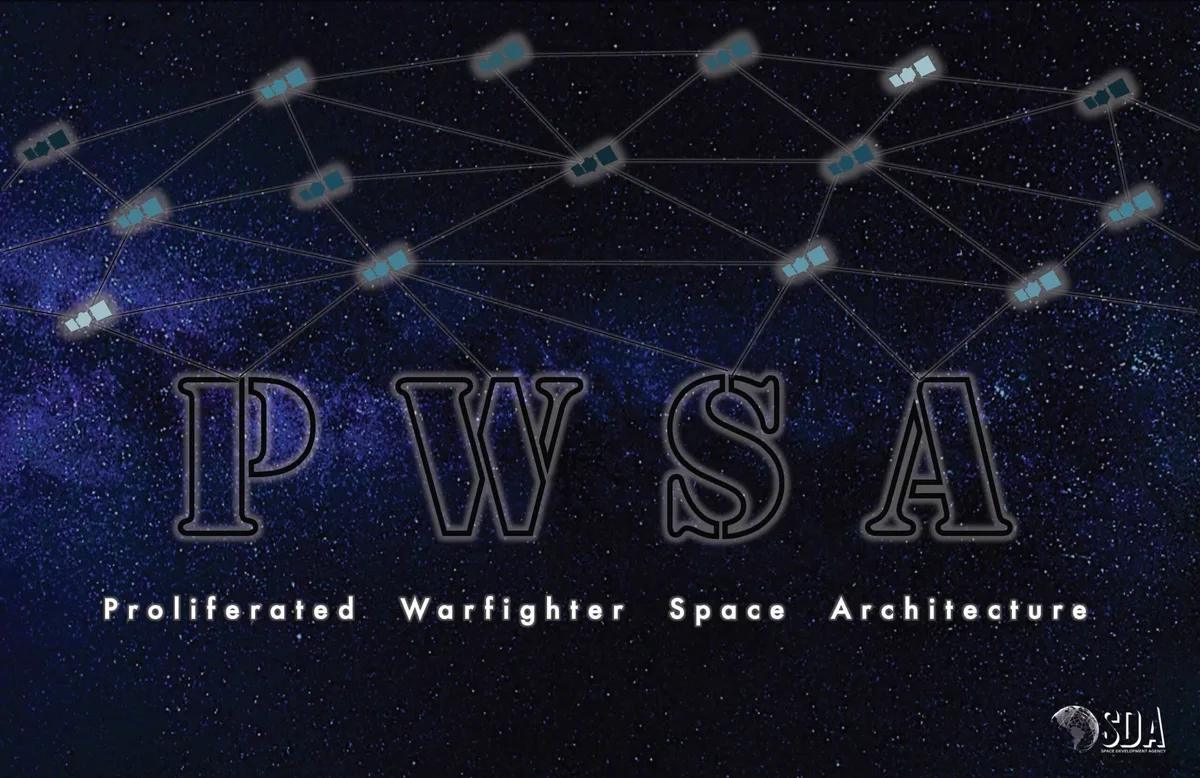
The Proliferated Warfighter Space Architecture (PWSA) is a cornerstone of the US military's future space strategy, building a resilient network of hundreds of small, interconnected satellites in low Earth orbit to ensure continuous operation even if some assets are lost. This system, led by the Space Development Agency, marks a significant shift from relying on a few large, vulnerable satellites. (Source: satellitetoday.com)
By fiscal year 2026, the SDA plans to have hundreds of these satellites in place. They will form a strong mesh network. This network will provide communication, missile tracking, and data transport services. It makes targeting individual assets too costly and strategically useless for enemies. Many platforms create backup options.
This strategy accepts that enemies will likely develop counter-space capabilities. The goal changes from stopping any attack to making sure the system survives an attack. General B. Chance Saltzman publicly emphasized “resilient architectures” during a September 2023 speech. He pointed to the importance of a varied and spread-out group of satellites.
The National Security Space Launch (NSSL) program also helps this spread of satellites. It ensures reliable access to space for these many small satellites. Companies like SpaceX and United Launch Alliance (ULA) offer competitive launch services. The NSSL aims to lower launch costs and increase how often launches happen. This allows for quick replacement of satellites and system growth.
These efforts show a big change from past reliance on a small number of “battleship” satellites. The future is not about one unkillable super-satellite. It is about a flexible, distributed, and quickly rebuildable group of satellites. This group is designed to take hits and keep working. This focus on durability is the true basis of US military space technology for 2026.
The unseen battle: data and AI control
Many people think of visible hardware and direct attack capabilities when considering future military technology. However, the real fight in space by 2026 will increasingly happen in the unseen world of data and AI. The US military is investing heavily in systems that gather, analyze, and act on vast amounts of data at machine speed. This is more than just an upgrade; it is a fundamental change in how warfare is imagined.
The Joint All-Domain Command and Control (JADC2) concept is central to this. JADC2 aims to link sensors from all military branches into one network. Space assets form the core of this network. The goal is to provide a complete, real-time picture of the battle area.
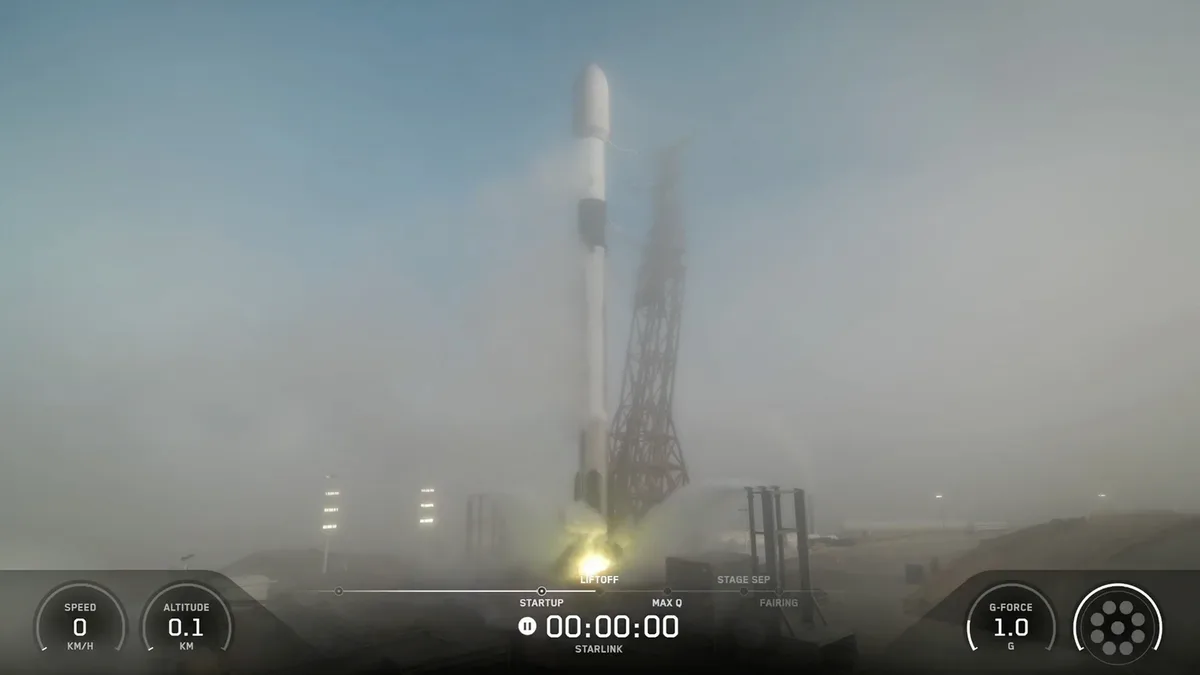
SpaceX, a crucial partner in the National Security Space Launch (NSSL) program, frequently launches satellites vital for US military communication and missile tracking. Their Falcon 9 rockets are instrumental in deploying the resilient, distributed satellite networks crucial for future space defense. (Source: space.com)
The Air Force Research Laboratory (AFRL) is creating advanced AI programs for space use. These programs will process satellite images and sensor data. They will identify threats faster than human analysts. Dr. Kelly Hammett, Director of the AFRL’s Space Vehicles Directorate, noted in 2023 the strong need for “autonomy and AI to manage complex constellations.” This allows for quick decisions.
Project Maven, which started as a Pentagon effort to use AI for drone footage, has grown. Its methods now apply to analyzing satellite intelligence. This includes finding objects, recognizing patterns, and spotting unusual activity. By 2026, AI tools will greatly boost the processing power of the National Reconnaissance Office (NRO).
The SDA’s Tranche 1 Transport Layer will be fully in place by late 2024. It uses advanced data links. These links allow fast, secure data transfer between satellites and ground stations. This low-delay network is crucial for real-time AI analysis. It ensures that decision-makers receive data in seconds, not minutes.
This focus on data and AI means the “future weapon” is often a computer program, not a laser. It is about gaining and keeping an information advantage. The ability to observe, understand, decide, and act faster than an enemy becomes most important. This quiet, computer-based struggle will have a greater impact than many flashy physical threats.
Cislunar space: the next area of competition
The common idea of military space operations usually stays in Earth’s orbit. This limited view ignores a growing trend: the US military’s strategic move into cislunar space. This region stretches from geosynchronous orbit out to and beyond the Moon. By 2026, the first steps will be well underway to build basic capabilities in this vast, unexplored area.
The Space Force’s Space Operations Command (SpOC) created a Cislunar and Lunar Operations (CATO) cell in 2022. This cell directly plans and coordinates military activities in the Earth-Moon system. It shows a move beyond just talking about it. General David D. Thompson, then Vice Chief of Space Operations, emphasized the “increasing strategic importance” of this region.

Cislunar space, the region extending from Earth's geosynchronous orbit out to and beyond the Moon, is identified as the next strategic frontier for military competition. The US military is actively developing capabilities and planning operations in this vast, unexplored area, moving beyond traditional Earth-orbit activities. (AI-generated illustration)
Project CHRYSALIS, a joint effort between the Space Force and the Defense Advanced Research Projects Agency (DARPA), specifically studies cislunar technology. This project develops tools for navigation, communication, and knowing what is happening beyond typical orbits. These include strong lunar positioning systems and deep-space communication relays.
The reasons for this expansion are many. Future commercial and scientific trips to the Moon and beyond will need security and support systems. Space Force leaders openly discuss the need to protect these “national interests” in new areas. Dr. John F. Plumb, Assistant Secretary of Defense for Space Policy, stressed the importance of “freedom of action” in cislunar space.
This strategic change is not about immediate military bases on the Moon. It is about building the fundamental systems for future operations. This includes finding potential weak points and important locations. This early move makes sure the US can operate well as human activity moves further into space.
By 2026, the US military will be laying the groundwork for a new era of space power. This includes developing early warning systems for cislunar threats. It also involves showing it can maintain a presence and observe. The competition for influence and access in this region has quietly begun.
FAQs about future US military space tech
What is the Proliferated Warfighter Space Architecture? It is a network of hundreds of small, connected satellites in low Earth orbit. This design makes systems strong and offers many backup options. This makes it harder for enemies to damage US space capabilities. The Space Development Agency (SDA) manages this program.
How does AI affect military space operations? AI improves the speed and accuracy of data analysis from space sensors. It helps detect threats faster, gives better awareness of situations, and manages complex satellite groups more efficiently. This reduces how much human operators are needed for routine tasks.
What does “cislunar space” mean for the military? Cislunar space is the area between Earth and the Moon. The US military is getting ready to operate in this area. It wants to protect future business and science activities there. This means creating new navigation, communication, and awareness technologies.
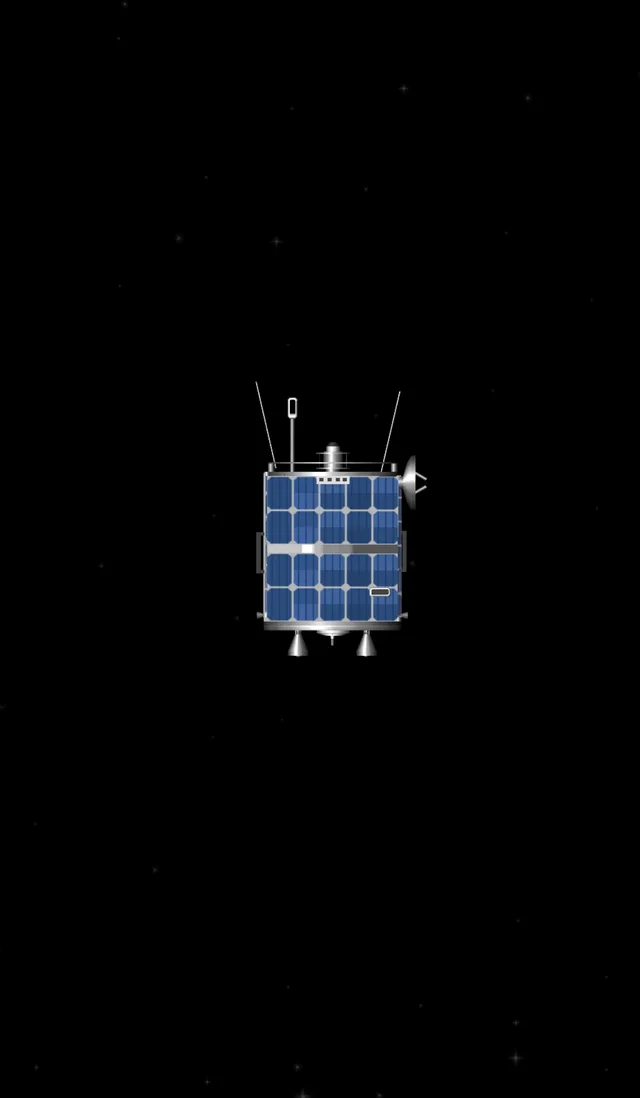
A deep-space communication relay is a critical technology for extending human operations beyond Earth's orbit, enabling navigation and communication in regions like cislunar space. Projects like CHRYSALIS are developing these systems to support future military, commercial, and scientific missions to the Moon and beyond. (Source: reddit.com)
Is the US developing offensive space weapons for 2026? The US military has various capabilities. However, the main public focus and funding for 2026 are on defensive strength and information control. This includes making satellites tougher and using distributed networks. This approach aims to prevent conflict by making anti-satellite attacks ineffective.
Common ideas about US military space technology in 2026 often miss the true story. They focus on dramatic images of space weapons. This view overlooks the deeper plans. These plans prioritize something far more complex and lasting. The evidence points to a future where strong systems, data control, and an early move into cislunar space will define America’s space power.
The US military knows space is already a contested area. Instead of just building bigger offensive tools, it is changing the basic rules of engagement. The US is making its space assets able to survive. It is building very powerful data networks. It is also making its reach limitless. This changes what “space power” truly means. This complex approach, often missed, will greatly shape the future of global security.
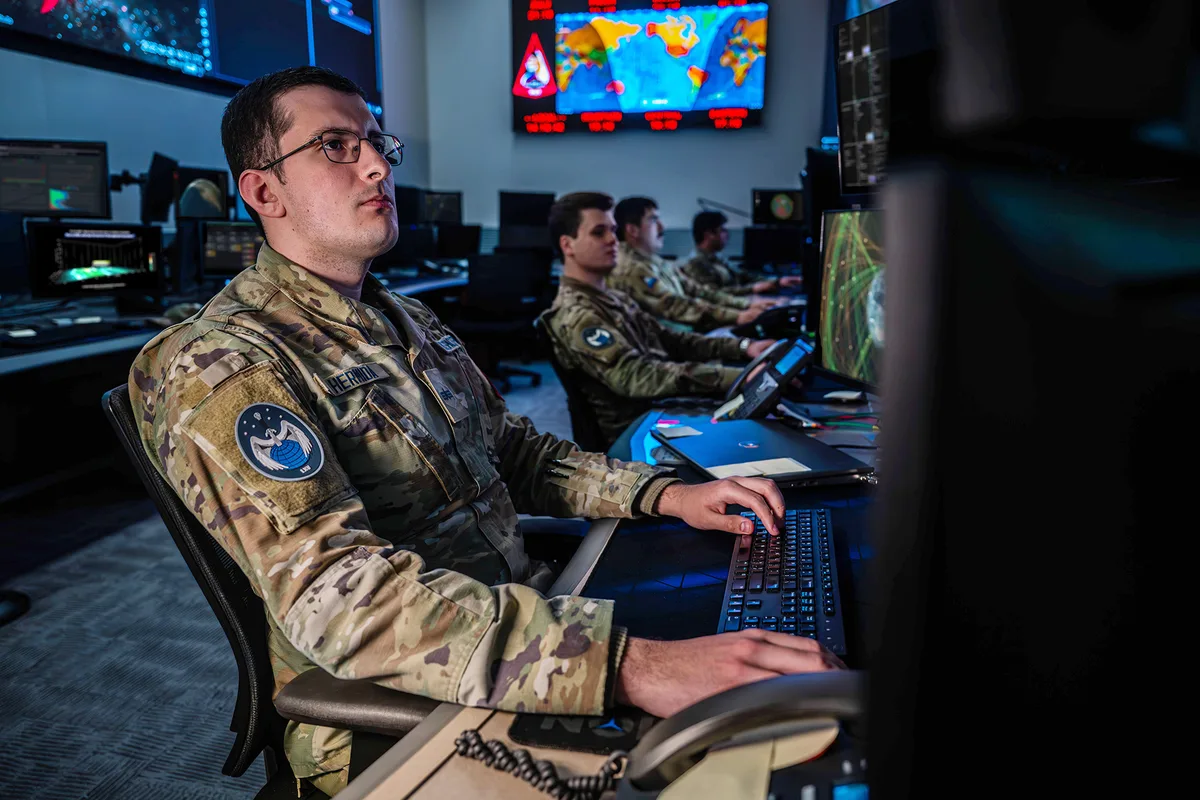
A modern military Space Operations Center serves as the nerve center for managing the US's vast network of space assets, ensuring data control and the resilience of satellites against potential threats. These centers operate 24/7, coordinating global space activities and processing critical information. (Source: airandspaceforces.com)
You might also like:
👉 1960’s TIROS-1: The Satellite That Showed Earth’s Climate