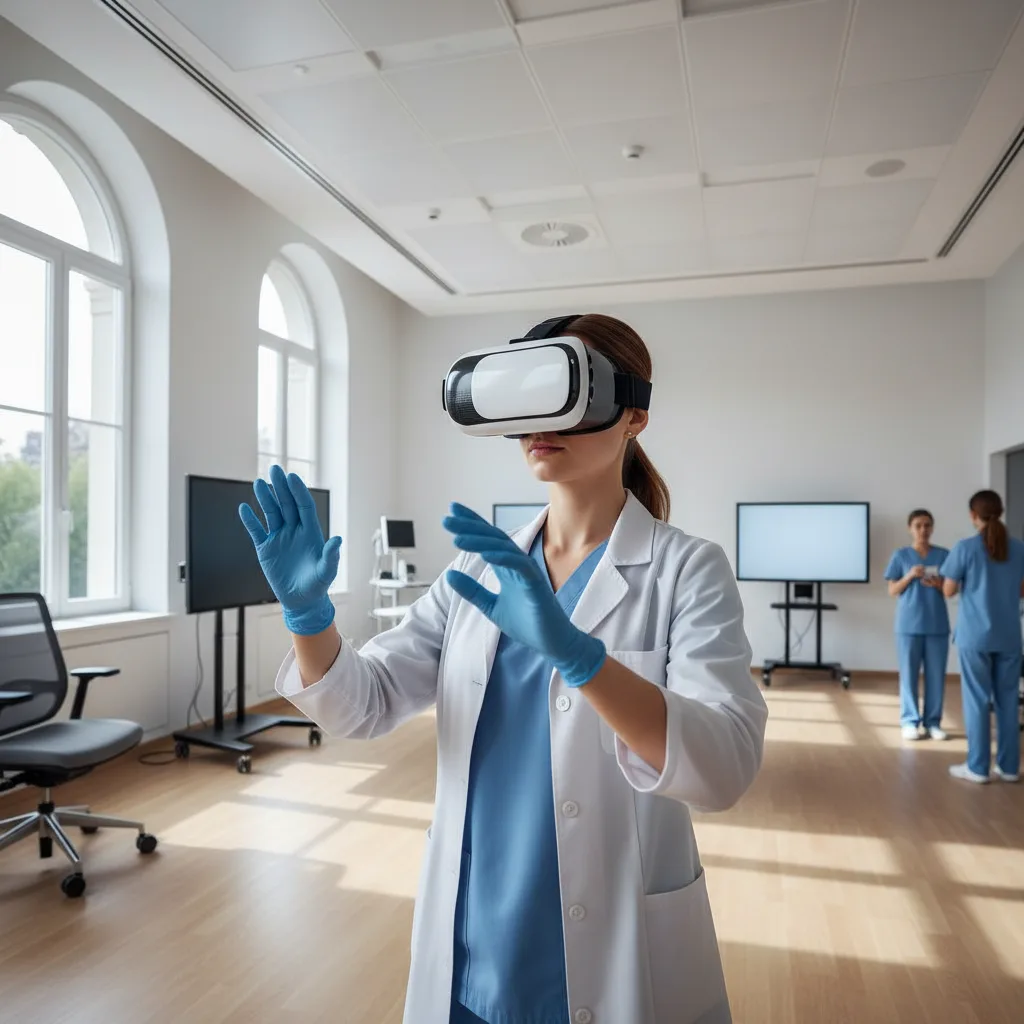
Virtual Reality Applications: Exploring VR's Impact Across Industries
Explore the astonishing applications of Virtual Reality (VR) across diverse industries. Discover how this immersive technology is revolutionizing entertainment, professional fields, and breaking down digital-physical barriers.
Unlocking New Realities: A Comprehensive Guide to the Applications of Virtual Reality
Virtual Reality (VR) is no longer a futuristic concept confined to science fiction novels and niche gaming arcades. Today, this immersive technology is rapidly evolving, breaking down the barriers between the digital and physical worlds and creating profound impacts across an astonishing array of industries. From enhancing our entertainment to revolutionizing complex professional fields, the applications of virtual reality are proving to be truly transformative, offering unparalleled experiences and efficiencies. This guide delves into the diverse ways VR is being utilized, showcasing its current power and hinting at the boundless potential that still lies ahead for businesses, educators, healthcare professionals, and everyday consumers alike.
Gaming and Entertainment: The Original Frontier
The realm of gaming and entertainment has historically been the most visible and accessible entry point for virtual reality. What began with rudimentary graphics and clunky headsets has blossomed into a sophisticated ecosystem offering deeply immersive and interactive experiences. Titles like Half-Life: Alyx have set new benchmarks for AAA VR gaming, demonstrating the technology’s capacity for rich storytelling, intricate gameplay mechanics, and unparalleled presence. Players don’t just control a character; they become the character, interacting with environments and objects in a natural, intuitive way.
Beyond traditional gaming, VR is redefining entertainment venues. Theme parks are integrating VR rides, offering hyper-realistic adventures that transport visitors to fantastical worlds without leaving the premises. Live events, from concerts to sports, are increasingly leveraging VR to provide unique, front-row experiences to remote audiences, fostering a sense of shared presence that traditional broadcasting cannot match. Social VR platforms like VRChat and Meta’s Horizon Worlds allow users to gather, interact, and create in persistent virtual spaces, blurring the lines between online communities and real-world social gatherings. The global VR gaming market alone is projected to reach over $37 billion by 2028, underscoring the immense commercial and creative vitality of this sector.
Healthcare and Medicine: Life-Changing Applications of Virtual Reality
Perhaps one of the most impactful, yet often understated, areas where VR is making significant strides is in healthcare and medicine. The applications of virtual reality here span from intricate surgical training to groundbreaking therapeutic interventions, offering tools that save lives, reduce pain, and improve patient outcomes.
For medical professionals, VR provides a risk-free environment for surgical training and simulation. Platforms like Osso VR and FundamentalVR offer haptic feedback-enabled simulations, allowing aspiring surgeons to practice complex procedures repeatedly, hone their motor skills, and familiarize themselves with anatomical variations before ever touching a real patient. This not only accelerates learning but also significantly reduces the margin of error in actual surgeries.
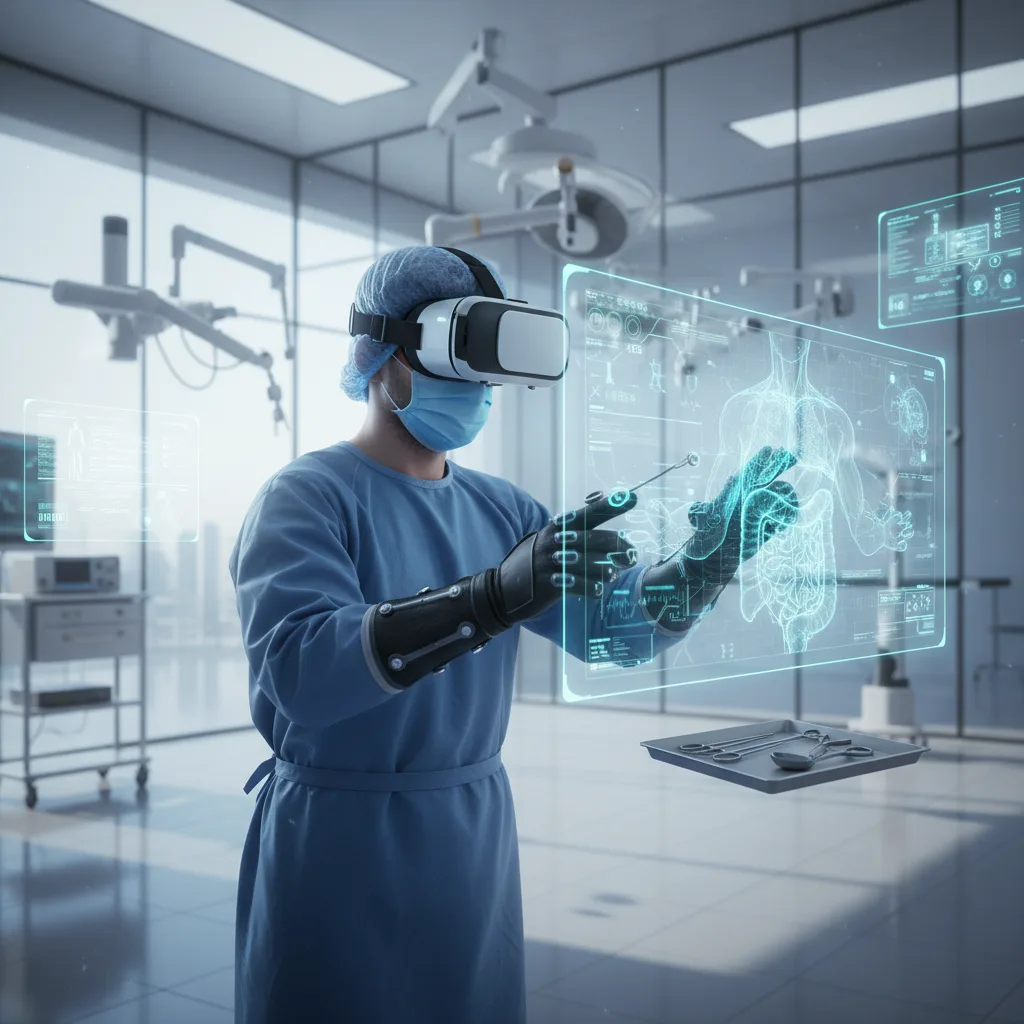
In patient care, VR is a powerful therapeutic tool. It’s used for pain management, particularly for burn victims, where immersive virtual worlds like “SnowWorld” distract patients during painful procedures, significantly reducing their perception of discomfort and the need for medication. For mental health, VR offers controlled exposure therapy for phobias (e.g., fear of heights, public speaking) and anxiety disorders. It’s also increasingly being used in the treatment of post-traumatic stress disorder (PTSD), allowing veterans to safely process traumatic memories in a guided, therapeutic setting. Furthermore, VR aids in physical rehabilitation, making exercises more engaging and trackable for patients recovering from injuries or strokes, and provides invaluable tools for medical visualization, allowing doctors to explore 3D anatomical models and plan complex interventions with unprecedented clarity.
Education and Corporate Training: Immersive Learning and Skill Development
The traditional classroom and corporate training room are being fundamentally reimagined through the lens of virtual reality, offering unparalleled opportunities for immersive learning and skill development. VR’s ability to create realistic, interactive environments makes it an ideal platform for experiential education.
In academic settings, VR facilitates virtual field trips to historical sites, distant planets, or even inside the human body, providing experiences that would be impossible or impractical in the real world. Students can conduct virtual lab experiments, dissect virtual specimens, and engage with abstract concepts in a tangible, interactive manner. This fosters deeper understanding, improves retention, and caters to diverse learning styles. Companies like Google Expeditions have pioneered this space, enabling educators to lead students on guided virtual tours.
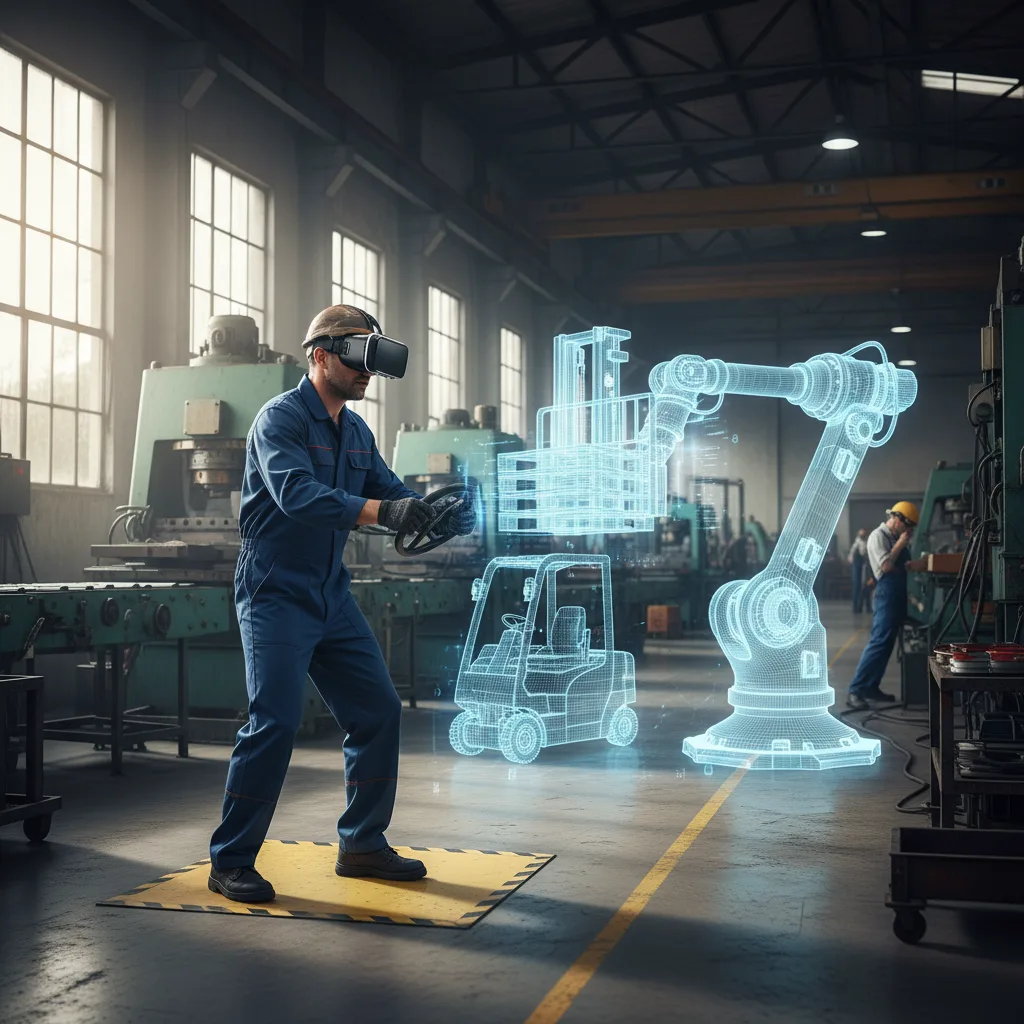
For corporate training, VR offers significant advantages, particularly for high-stakes scenarios or complex machinery. Industries such as aviation, manufacturing, and logistics utilize VR for realistic simulations to train employees on equipment operation, safety protocols, and emergency procedures without risk or expensive physical resources. For instance, Walmart has deployed VR training across its stores to prepare employees for scenarios ranging from customer service challenges to managing Black Friday rushes, reporting improved learning outcomes and employee confidence. VR is also being used for soft skills development, such as leadership training and empathy building, by placing trainees in realistic social interactions and challenging situations. This hands-on, learn-by-doing approach transforms passive learning into active engagement, resulting in more competent and confident workforces.
Transforming Industry: Design, Engineering, and Manufacturing with VR
Beyond the obvious consumer and learning applications, virtual reality is profoundly impacting the industrial sector, revolutionizing the way products are designed, engineered, and manufactured. VR offers powerful tools for visualization, collaboration, and prototyping, leading to faster development cycles, reduced costs, and improved product quality.
In product design and engineering, VR allows teams to visualize and interact with 3D models of products—from car engines to architectural blueprints—at a 1:1 scale before any physical prototype is built. This enables designers and engineers to identify flaws, assess ergonomics, and make critical adjustments early in the development process. Companies like Ford have famously integrated VR into their vehicle design process, allowing engineers to “sit” inside virtual cars, evaluate visibility, and refine interior layouts, saving millions in physical prototyping costs.
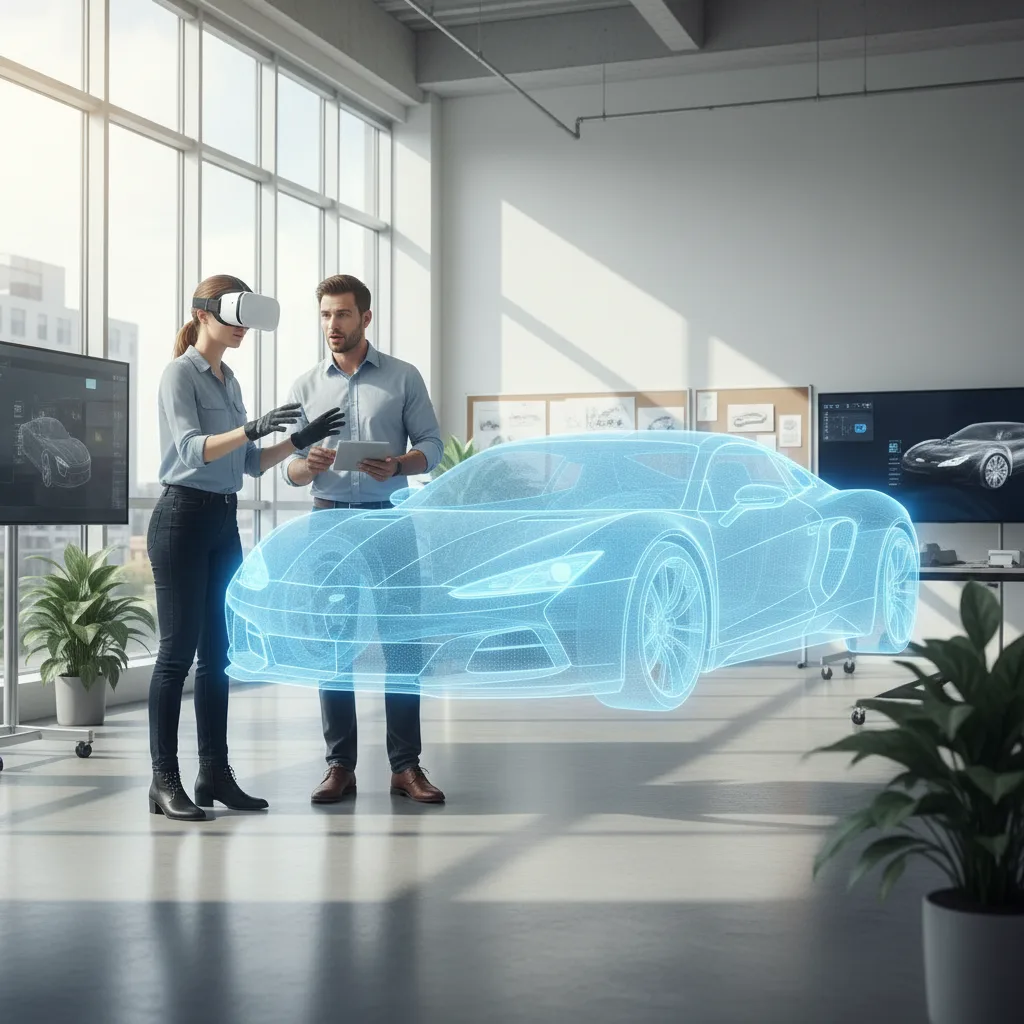
VR also facilitates global collaboration. Distributed teams can meet in virtual spaces to review designs, conduct virtual walk-throughs of factory layouts, or even collaboratively manipulate 3D models in real-time, transcending geographical barriers. This streamlines communication and accelerates decision-making. In manufacturing, VR is used for assembly training, guiding workers through complex procedures step-by-step, and for maintenance and repair, overlaying digital instructions onto real-world machinery (often augmented reality, but VR can simulate the entire environment). This leads to fewer errors, increased efficiency, and safer working conditions. The ability to simulate entire production lines or factory floor layouts in VR allows for optimization before any physical construction begins, preventing costly mistakes and maximizing operational efficiency.
Expanding Horizons: Diverse Applications of Virtual Reality in Retail, Real Estate, and Beyond
The reach of virtual reality extends far beyond the domains of entertainment, healthcare, education, and heavy industry, finding innovative applications of virtual reality in sectors that directly impact our daily lives, such as retail, real estate, and tourism.
In retail and e-commerce, VR is transforming the shopping experience. Customers can explore virtual showrooms, try on clothes or accessories virtually, and even visualize how furniture or appliances would look in their own homes using VR-enabled apps like IKEA Place. This bridges the gap between online browsing and the desire for physical interaction, reducing returns and enhancing customer satisfaction. Brands are also creating immersive virtual stores that offer a novel, engaging way to shop, combining the convenience of online retail with the sensory experience of brick-and-mortar stores.
The real estate sector is embracing VR for virtual property tours, allowing potential buyers or renters to walk through homes, apartments, or commercial spaces from anywhere in the world. This saves time and travel costs for both buyers and agents, speeds up the decision-making process, and makes properties accessible to a global audience. Developers can also use VR to showcase unbuilt properties, giving clients a realistic preview of their future homes or offices.
For tourism and travel, VR offers unparalleled opportunities for destination marketing and pre-trip experiences. Travelers can take virtual tours of hotels, explore tourist attractions, or even “experience” a cultural festival before booking their trip. Companies like Marriott have experimented with VR to offer immersive travel experiences, inspiring potential guests and allowing them to sample destinations remotely. Beyond these, VR is also finding niches in architecture for client presentations, in journalism for immersive storytelling, and even in scientific research for visualizing complex data sets.
Conclusion
The journey of virtual reality from a niche technology to a ubiquitous tool is well underway. As we’ve explored, the applications of virtual reality are incredibly diverse and impactful, spanning entertainment, healthcare, education, industrial design, retail, and many other sectors. VR is not merely a novelty; it is a powerful enabler of new experiences, efficiencies, and capabilities that were once unimaginable. It offers a safe space for training, a therapeutic environment for healing, an immersive platform for learning, and an innovative canvas for creativity and collaboration.
As hardware becomes more accessible, software more sophisticated, and our understanding of human-computer interaction deepens, the potential for VR will only continue to expand. The ongoing development of the metaverse, a persistent, shared virtual space, promises to integrate many of these applications into a seamless, interconnected digital reality. While challenges remain in terms of adoption and technological refinement, the transformative power of virtual reality is undeniable, poised to reshape industries, redefine human interaction, and unlock new realities for generations to come.