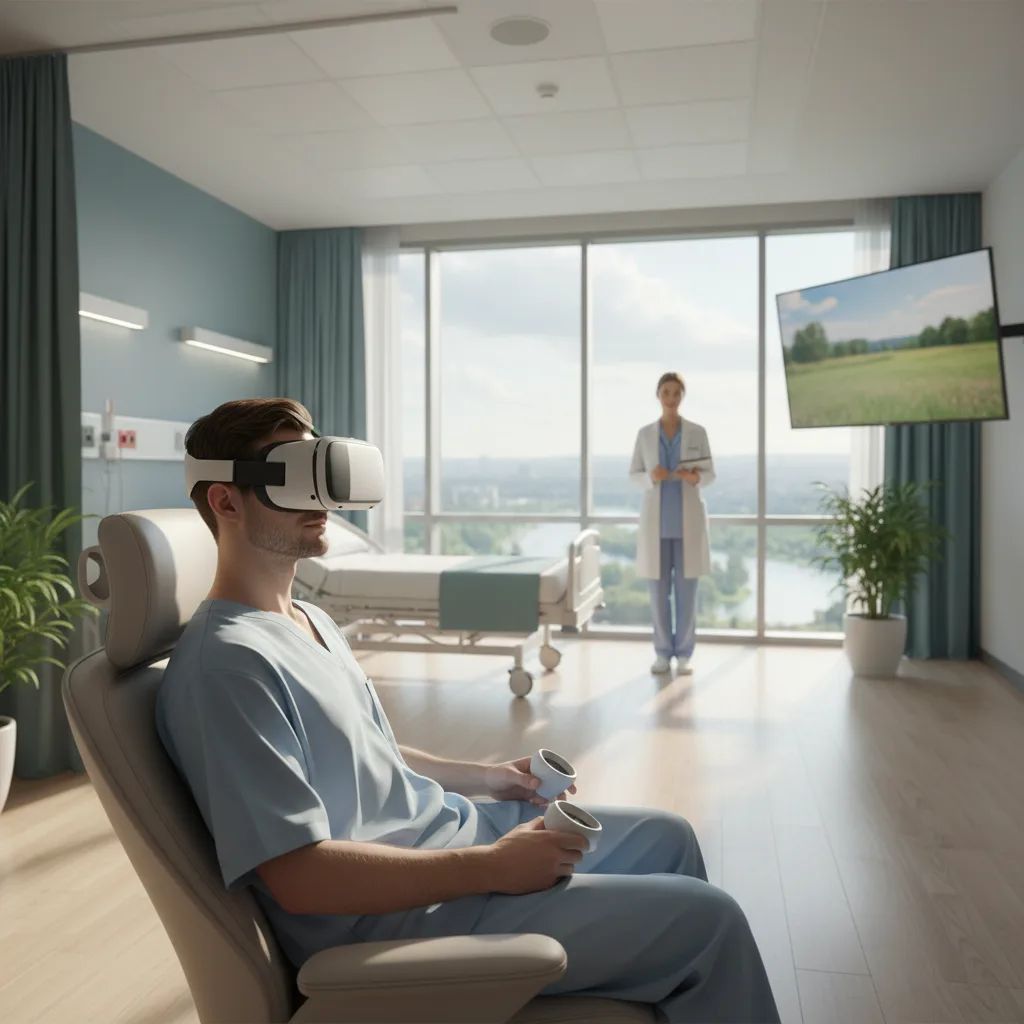
Virtual Reality for Burn Pain Management: Immersive Healing
Discover how virtual reality revolutionizes pain management for burn injured patients. Explore immersive VR applications reducing agony, distress, and analgesic reliance during recovery.
Immersive Healing: The Revolutionary Applications of Virtual Reality for Pain Management in Burn Injured Patients
The agony of a burn injury is profound, extending far beyond the immediate trauma. Patients often endure excruciating pain during wound care, physical therapy, and even in daily recovery, leading to significant psychological distress and a heavy reliance on potent analgesics. In this comprehensive guide, we delve into the groundbreaking applications of virtual reality for pain management in burn injured patients, exploring how this immersive technology is transforming care, reducing suffering, and offering a beacon of hope in the challenging journey of recovery.
The Unrelenting Challenge of Burn Pain
Burn injuries, ranging from superficial to full-thickness, inflict some of the most severe and sustained pain known to medicine. This pain isn’t monolithic; it manifests in several forms:
- Acute Pain: The initial, intense pain immediately following the injury.
- Procedural Pain: Excruciating pain experienced during essential medical procedures like wound debridement, dressing changes, and physical therapy sessions. These procedures, vital for healing and preventing complications, are often described by patients as more painful than the initial injury itself.
- Background Pain: Persistent, lower-level pain experienced throughout the day during recovery.
- Neuropathic Pain: Chronic pain resulting from nerve damage, which can persist long after the wounds have healed.
Beyond the physical sensation, burn pain carries a heavy psychological toll. Patients frequently battle anxiety, fear, depression, and post-traumatic stress disorder (PTSD), exacerbating their pain perception and hindering rehabilitation. Traditional pain management, primarily relying on opioids, comes with its own set of challenges, including side effects like nausea, constipation, sedation, and the significant risk of addiction, especially in an era grappling with the opioid crisis. The need for effective, non-pharmacological adjuncts to manage this complex pain is therefore paramount.
The Science Behind VR: How Virtual Reality Works for Pain Management
At its core, the effectiveness of virtual reality in pain management for burn patients hinges on its ability to profoundly distract and engage the patient’s cognitive resources. This isn’t just a simple distraction; it’s a carefully engineered sensory immersion that leverages several neurobiological principles:
-
The Distraction Theory: This is the primary mechanism. The human brain has a limited capacity to process information. When a patient is immersed in a vivid virtual world, their attention is overwhelmingly occupied by the rich visual, auditory, and sometimes haptic stimuli presented by the VR environment. This high cognitive load diverts attention away from noxious pain signals originating from the body, effectively reducing the brain’s ability to perceive and interpret pain. Instead of focusing on the burning sensation or the discomfort of wound care, the patient is engrossed in navigating a snowy landscape, exploring an underwater world, or playing a game.
-
Gate Control Theory of Pain: While distraction is key, VR also aligns with aspects of the Gate Control Theory. This theory posits that non-noxious input can “close the gate” to noxious input at the spinal cord level. By engaging multiple sensory pathways and higher cortical functions, VR may influence these “gates,” reducing the transmission of pain signals to the brain.
-
Sense of Presence and Immersion: A well-designed VR experience creates a powerful “sense of presence,” making the user feel as if they are physically within the virtual environment, rather than merely observing it. This deep immersion is crucial. It allows patients to escape the sterile, often frightening, clinical setting and enter a world where their pain is less prominent, or even forgotten, for periods.
-
Emotional and Psychological Regulation: Beyond direct pain reduction, VR can alleviate the anxiety and fear that often amplify pain. By providing a calming, engaging, or even thrilling experience, VR can induce positive emotional states, reduce stress hormones, and empower patients with a sense of control, all of which contribute to a lowered pain perception and improved coping mechanisms. Studies using fMRI have even shown that VR can reduce pain-related brain activity in areas like the anterior cingulate cortex and thalamus.
Specific Applications of Virtual Reality for Pain Management in Burn Care
The versatility of virtual reality allows for its application across various stages of burn recovery, addressing different types of pain and psychological needs. The applications of virtual reality for pain management in burn injured patients are truly diverse, offering tailored solutions.
Managing Procedural Pain
This is arguably where VR has shown its most dramatic impact. Procedures like wound debridement (cleaning dead tissue), dressing changes, and physical therapy exercises are essential but agonizing.
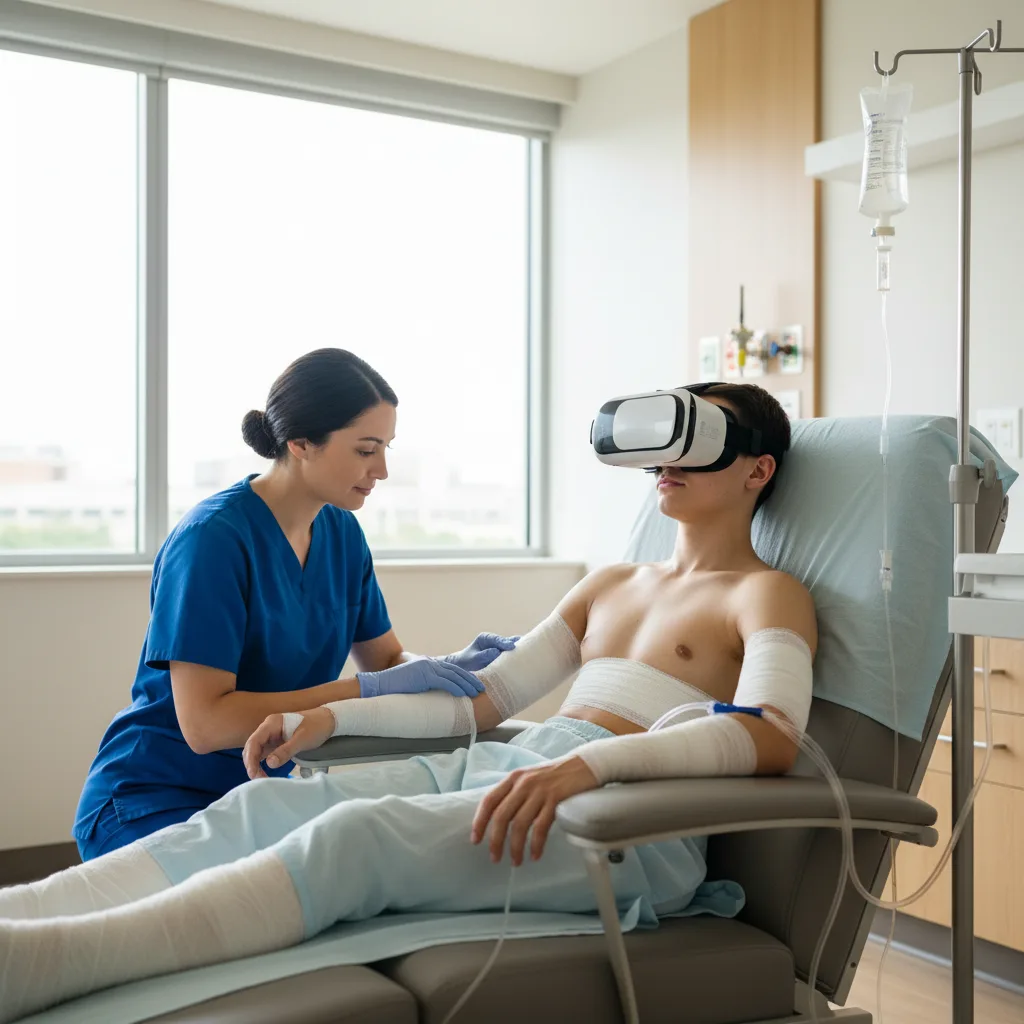
- Wound Care: VR provides an escape. While nurses meticulously clean and redress wounds, patients can be flying through a virtual canyon, swimming with dolphins, or exploring fantastical realms. The iconic SnowWorld VR game, developed by researchers at the University of Washington, immerses patients in an icy, snowy landscape where they throw snowballs at penguins and mammoths. The cold theme is strategically chosen to provide a sensory contrast to the burning sensation. Studies have shown that patients using SnowWorld during wound care experience a 35-50% reduction in pain intensity and an even greater reduction in pain unpleasantness compared to traditional care.
- Physical Therapy: Burn patients often struggle with stiff joints and limited range of motion, requiring painful stretching and exercises. VR can gamify these sessions, making them more tolerable and even enjoyable. Imagine a patient needing to raise their arm to reach an object in VR, inadvertently performing their prescribed exercises without focusing on the pain. This increases adherence to therapy and improves functional outcomes.
Alleviating Acute Pain and Anxiety
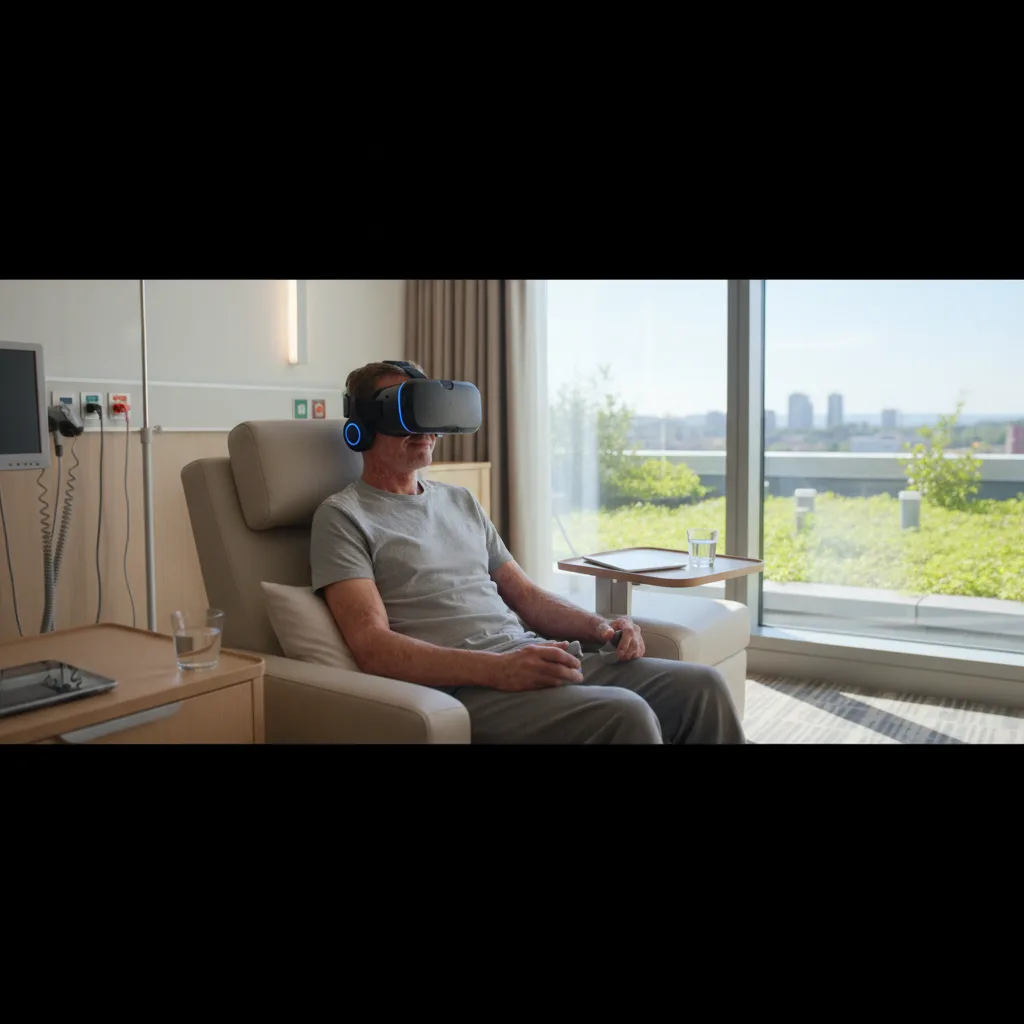
During the initial acute phase of recovery, patients grapple with high levels of pain and anxiety about their condition and future. VR offers a safe, non-pharmacological way to:
- Reduce Anxiety: Calming VR environments, such as guided meditations in serene natural settings or virtual tours of tranquil gardens, can significantly lower anxiety levels, which in turn can reduce pain perception.
- Improve Mood: Engaging and positive VR experiences can elevate mood, counteracting the depression and despair often associated with severe injuries.
Addressing Chronic Pain and Rehabilitation
For some burn patients, pain can persist for months or even years, becoming a chronic condition. VR is emerging as a tool for long-term pain management and rehabilitation:
- Neuropathic Pain: While research is ongoing, VR’s ability to create a sense of embodiment and sensory manipulation holds promise for neuropathic pain. Some VR therapies aim to “retrain” the brain’s perception of the body.
- Facilitating Movement: By making physical activity less daunting and more engaging, VR can help patients with chronic pain gradually increase their mobility and return to daily activities.
- Coping Mechanisms: VR can be used to teach relaxation techniques, mindfulness, and cognitive behavioral therapy (CBT) principles in an immersive, engaging format, empowering patients with tools to manage their pain independently.
Real-World Impact and Pioneering Efforts
The efficacy of VR for burn pain management isn’t just theoretical; it’s backed by decades of research and real-world implementation in leading burn centers.
The University of Washington’s Human Photonics Lab, in collaboration with Harborview Medical Center in Seattle, has been at the forefront of this innovation since the late 1990s. Their flagship program, SnowWorld, has been extensively studied and validated. A meta-analysis published in Pain Reports highlighted that VR significantly reduces both pain intensity and pain unpleasantness in burn patients undergoing painful medical procedures. Other studies have demonstrated a reduction in opioid consumption when VR is used as an adjunct.
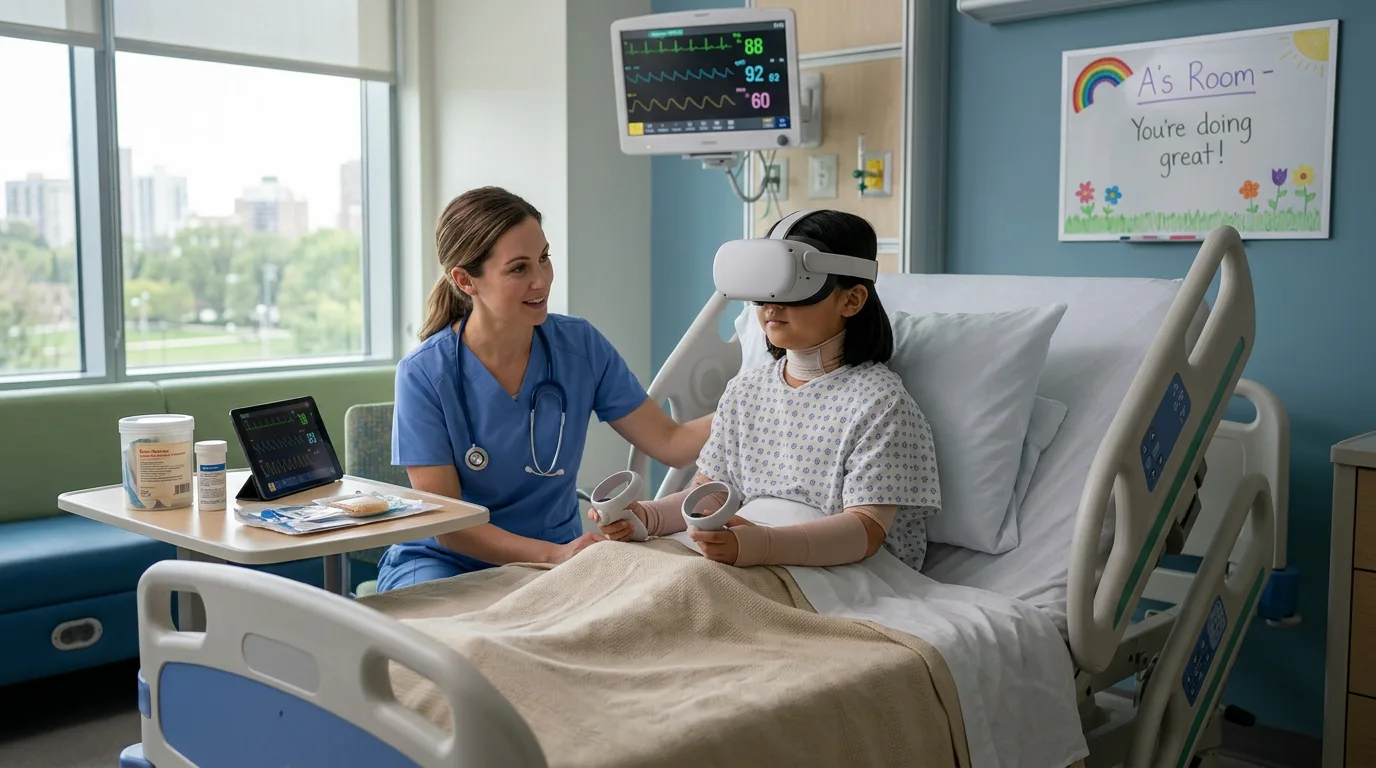
Shriners Hospitals for Children across the United States have also embraced VR technology, integrating it into their comprehensive burn care programs. They utilize various VR applications to help children cope with painful treatments, making the hospital environment less intimidating and fostering a more positive healing experience. For instance, children might play games or explore fantastical worlds while their bandages are changed, transforming a dreaded procedure into a bearable, even engaging, activity.
Case studies frequently highlight the profound emotional impact on patients. A common sentiment is one of gratitude for the temporary escape. Patients report feeling “less scared,” “less pain,” and “more in control” when using VR. This positive psychological shift is invaluable for recovery. The ability to “leave” the hospital room, even for a few minutes, provides a much-needed mental break from the trauma and discomfort of their situation.
Challenges, Future Directions, and Accessibility
Despite its immense promise, the widespread adoption of VR in burn care faces several challenges:
- Cost: High-end VR headsets and custom software can be expensive, posing a barrier for some healthcare facilities.
- Training and Integration: Healthcare staff require training to effectively integrate VR into patient care routines, including setup, hygiene protocols, and troubleshooting.
- Content Diversity: While “SnowWorld” is effective, there’s a need for a broader library of VR experiences tailored to different patient preferences, ages, and pain profiles.
- Motion Sickness: A small percentage of users may experience cybersickness, though this is becoming less common with advancements in VR technology.
- Hygiene: Ensuring proper sterilization of headsets between patients is crucial to prevent infection, especially in immunocompromised burn patients.
Looking to the future, the applications of virtual reality for pain management in burn injured patients are poised for even greater innovation:
- Personalized VR Experiences: AI-driven VR could adapt environments and challenges based on a patient’s real-time physiological responses (e.g., heart rate, skin conductance) and pain levels, optimizing distraction and engagement.
- Haptic Feedback and Multi-Sensory Integration: More sophisticated haptic feedback (touch) could further enhance immersion and therapeutic effects.
- Home-Based VR Solutions: As VR technology becomes more affordable and user-friendly, it could be deployed in patients’ homes for chronic pain management, rehabilitation exercises, and psychological support, extending care beyond the hospital walls.
- Telemedicine Integration: VR could facilitate remote physical therapy or psychological counseling for burn survivors, especially in rural areas.
- Lower-Cost, Accessible Options: Development of mobile VR solutions (using smartphones) or more affordable standalone headsets will democratize access to this technology.
Conclusion
The journey of recovery for burn injured patients is arduous, marked by relentless pain and psychological distress. The advent of virtual reality has ushered in a new era of possibilities, offering a powerful, non-pharmacological adjunct for pain management. By immersing patients in captivating virtual worlds, VR effectively harnesses the brain’s capacity for distraction, significantly reducing pain perception during critical procedures, alleviating acute discomfort, and providing crucial psychological support.
From the pioneering work with SnowWorld to broader adoption in leading burn centers, the evidence overwhelmingly supports the efficacy of applications of virtual reality for pain management in burn injured patients. While challenges remain in terms of cost and integration, the continuous evolution of VR technology promises even more personalized, accessible, and effective solutions. As we move forward, virtual reality stands as a testament to human ingenuity, transforming the landscape of burn care and offering a much-needed respite, and indeed, a path to more humane healing for those who have endured the most searing of injuries.