Transformative VR Applications for Visually Impaired People
Discover how groundbreaking virtual reality applications are transforming lives for visually impaired people. Explore VR's paradox as a powerful tool enhancing independence and experiences.
Beyond Sight: Exploring Transformative Applications of Virtual Reality for Visually Impaired People
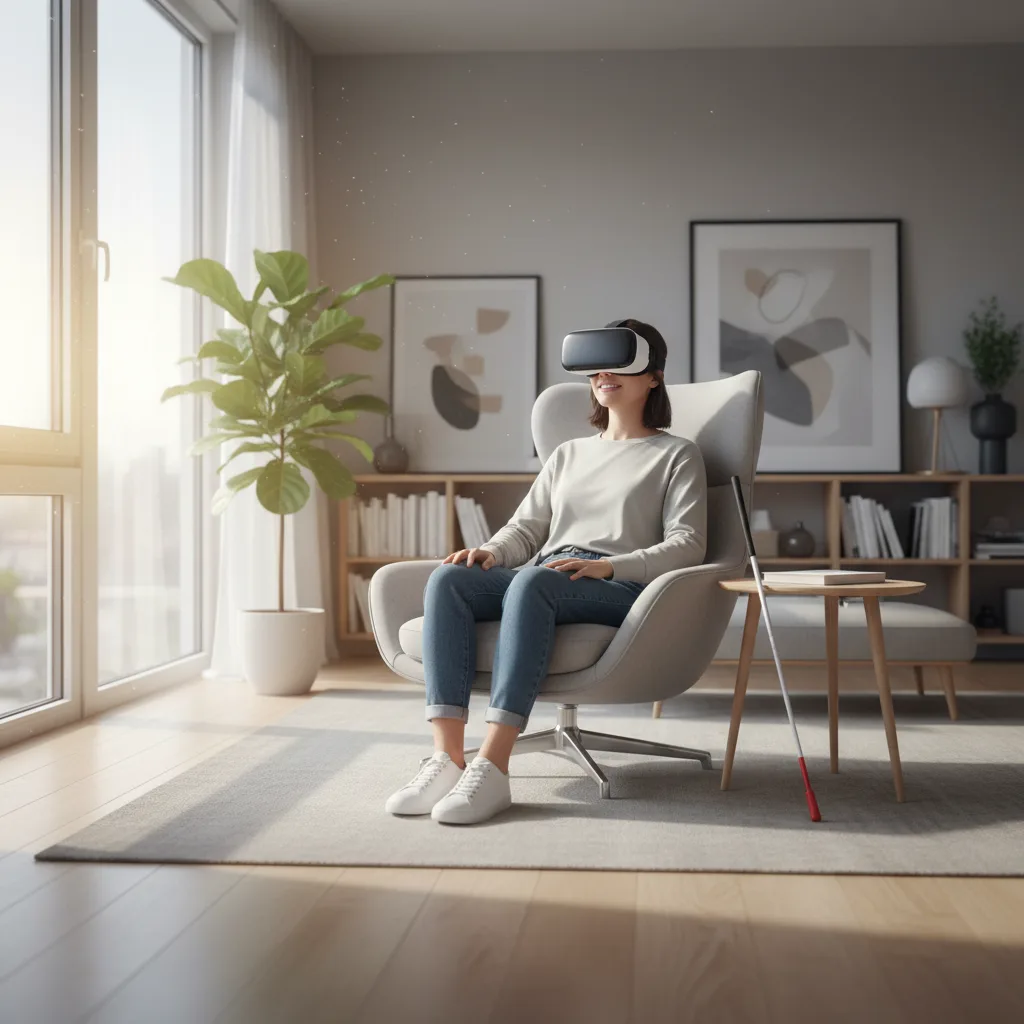
Welcome to TrendSeek, where we dive deep into the innovations shaping our world. Today, we’re exploring a truly groundbreaking frontier: the applications of virtual reality for visually impaired people. Often perceived as a technology reliant on visual input, VR is paradoxically emerging as a powerful tool to enhance the lives of individuals with low vision or blindness. Far from being a barrier, VR’s immersive capabilities are opening new dimensions of perception, learning, and independence, offering experiences that were once unimaginable.
Understanding Visual Impairment and VR’s Unique Potential
Visual impairment is a spectrum, ranging from mild vision loss to complete blindness. It impacts millions globally, profoundly affecting daily tasks, education, employment, and social interaction. Traditional assistive technologies, while invaluable, often operate within the confines of the real world, which can present inherent limitations. For instance, a cane or guide dog aids navigation but doesn’t simulate complex social scenarios or allow safe exploration of dangerous environments. Screen readers convey text but don’t provide spatial understanding.
This is where virtual reality steps in with its unique potential. VR creates simulated environments that can be precisely controlled, customized, and experienced through multiple sensory channels beyond just sight. By focusing on auditory cues, haptic feedback, and spatial audio, VR can construct rich, navigable worlds that are accessible and meaningful to those who cannot rely on visual information. It allows for safe experimentation, repeated practice, and the development of cognitive maps that translate into real-world confidence. Imagine practicing crossing a busy street in a virtual environment before attempting it in reality, or exploring a new city landmark without the fear of collision. VR offers a canvas for creating tailored experiences that bypass visual dependency, fostering independence and enriching lives in unprecedented ways.
Enhancing Daily Life: Practical Applications of Virtual Reality for Visually Impaired Individuals
The immediate, tangible benefits of VR for visually impaired individuals often manifest in enhancing everyday activities, providing tools for greater autonomy and safety.
Navigation and Orientation Training
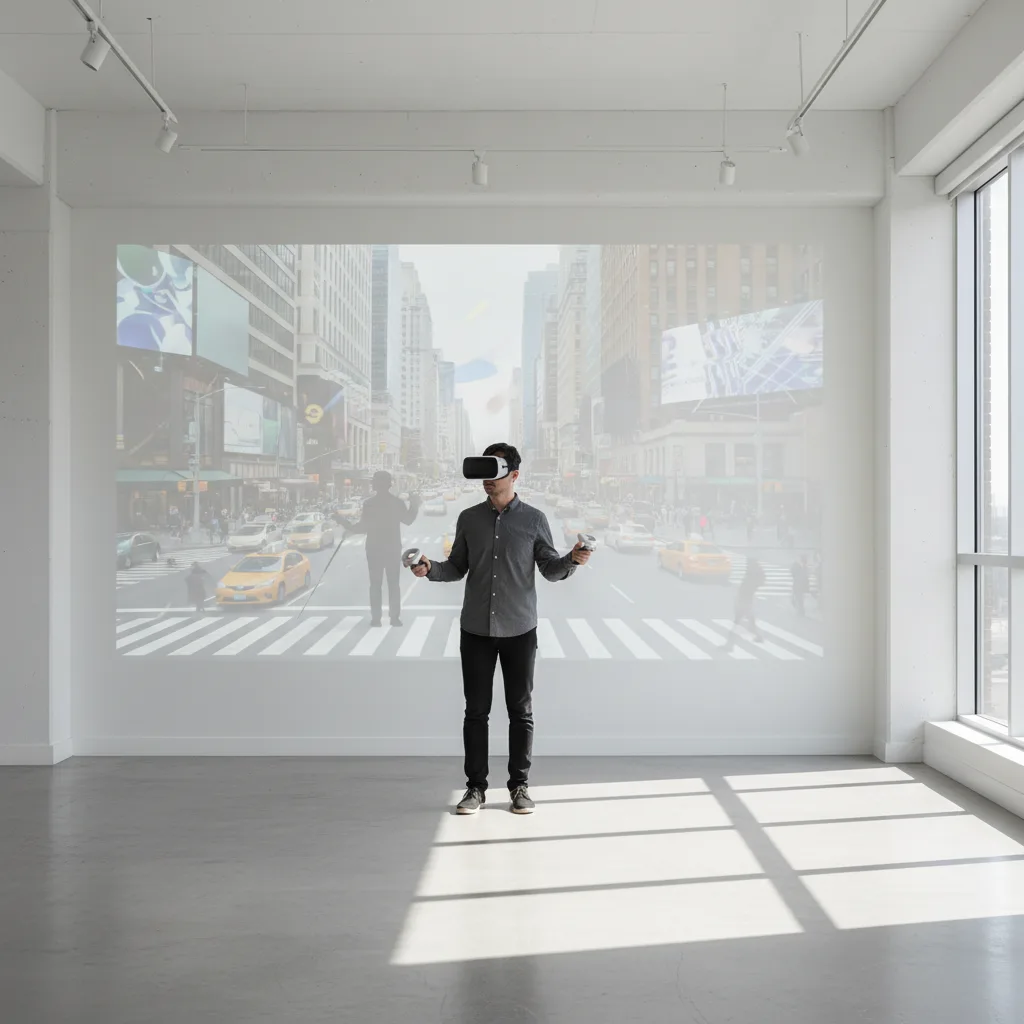
One of the most significant challenges for visually impaired people is safe and independent navigation. VR offers a revolutionary solution. Developers are creating virtual navigation trainers that simulate diverse environments – from bustling city streets and complex subway stations to quiet residential areas and unfamiliar buildings. Users can practice navigating these spaces repeatedly, learning routes, identifying landmarks (auditory cues, haptic feedback from virtual objects), and recognizing potential hazards without any real-world risk.
For example, projects like the “Virtual Mobility Trainer” allow users to practice crossing virtual streets, encountering virtual traffic sounds, and identifying safe crossing points. This builds spatial awareness and confidence, directly translating to improved real-world mobility. Furthermore, VR can be used to pre-familiarize individuals with new environments they are about to visit, such as a new workplace or a doctor’s office, reducing anxiety and improving efficiency upon arrival.
Object Recognition and Environmental Understanding
VR isn’t just about moving through space; it’s about understanding what’s in that space. For individuals with low vision, VR applications can enhance residual vision or provide alternative sensory information for object recognition. Imagine a VR system that highlights objects with contrasting colors, magnifies specific areas, or provides auditory descriptions when a user “looks” at an item. For those with complete blindness, VR can use spatial audio to identify objects – a virtual coffee cup might emit a distinct sound when approached, or a virtual grocery item could announce its name.
This extends to environmental understanding. Users can explore a virtual room, learning the layout of furniture, identifying doorways, and understanding the spatial relationships between different elements. This is invaluable for adapting to new living spaces or public venues, reducing the cognitive load and potential hazards associated with unfamiliar surroundings.
Social Interaction and Empathy Building
Social scenarios can be daunting for visually impaired individuals, who may miss non-verbal cues like facial expressions or body language. VR offers a safe space to practice and refine social skills. Virtual social simulations can replicate various interactions – from ordering food at a restaurant to participating in a group conversation. Users can practice responding to prompts, identifying virtual voices, and navigating the nuances of social etiquette in a low-stakes environment.
Beyond direct user benefit, VR also serves as a powerful tool for empathy building among sighted individuals. Experiences like “Notes on Blindness: Into Darkness” allow sighted users to momentarily experience the world from a visually impaired perspective, fostering greater understanding and compassion. This dual application highlights VR’s potential to bridge gaps and create a more inclusive society.
Education and Skill Development Through VR
The educational landscape for visually impaired students has long faced limitations, but VR is revolutionizing access to learning and vocational training.
Accessible Learning Environments and Interactive Lessons
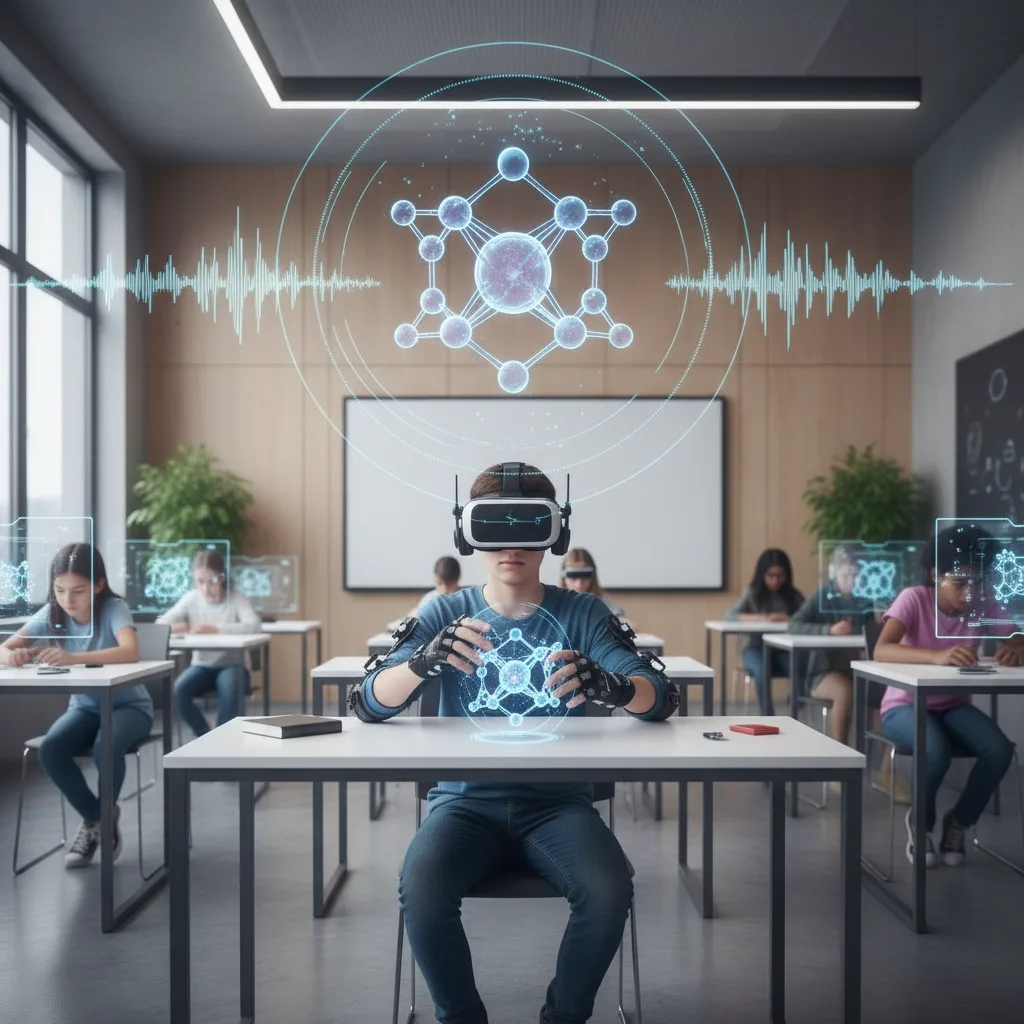
Traditional classrooms can be visually overwhelming or inaccessible. VR can create entirely accessible virtual classrooms where learning materials are presented through auditory descriptions, haptic feedback, and spatial audio. Imagine a virtual science lab where a student can “feel” the vibrations of a virtual molecule, or a history lesson where they can “walk through” an ancient city, hearing descriptions of its architecture and culture.
For instance, projects are exploring how visually impaired students can interact with virtual 3D models of anatomical structures or complex machinery, using touch and sound to understand their form and function. This multi-sensory approach makes abstract concepts tangible and learning highly interactive, moving beyond purely text-based or audio-only formats.
Vocational Training and Job Skill Acquisition
Gaining practical vocational skills often requires hands-on experience, which can be challenging to facilitate safely and effectively for visually impaired individuals in real-world settings. VR offers a robust solution by providing simulated work environments. A visually impaired person could practice operating virtual machinery, learning specific procedures through auditory cues and haptic feedback, or navigate complex virtual interfaces required for administrative tasks.
Consider a scenario where an individual is training to be a call center agent. VR could simulate customer interactions, allowing them to practice communication skills, active listening, and problem-solving without the pressure of a live call. This safe, repeatable training builds confidence and competence, significantly expanding employment opportunities. Companies like Microsoft are exploring how their mixed reality platforms could assist in job training for people with disabilities, including visual impairments, by providing guided, interactive experiences.
Sensory Substitution and Perceptual Training
VR can facilitate sensory substitution, where information typically perceived visually is translated into another sensory modality, such as sound or touch. For example, a VR system could convert visual light patterns into distinct audio frequencies, allowing users to “hear” the shape or movement of objects. While this requires significant training, it opens up new avenues for perceiving the world.
Furthermore, VR can be used for perceptual training for individuals with residual vision. By creating controlled visual environments, therapists can help individuals practice using their remaining vision more effectively, perhaps by training them to detect movement in their peripheral vision or to track objects more accurately. This personalized training can significantly improve functional vision in everyday tasks.
Therapeutic and Rehabilitative Applications
Beyond daily living and education, VR is proving to be a powerful tool in therapeutic and rehabilitative contexts for visually impaired individuals, addressing both physical and psychological well-being.
Vision Rehabilitation and Spatial Awareness
For individuals with low vision, VR can be tailored to maximize the use of their remaining sight. VR environments can be designed to present stimuli at optimal contrast, size, and speed, helping users practice visual tasks in a controlled setting. This can include training to track moving objects, identify specific shapes, or navigate virtual obstacles, thereby strengthening residual visual pathways.
Moreover, VR is excellent for developing spatial awareness and cognitive mapping skills. By repeatedly exploring virtual environments and interacting with virtual objects, visually impaired individuals can build a robust mental model of space, improving their ability to orient themselves and move confidently in the real world. This is crucial for individuals who may have never developed a comprehensive understanding of 3D space due to lifelong visual impairment.
Phobia and Anxiety Management
Navigating the world with visual impairment can understandably lead to anxieties or specific phobias, such as fear of crowds, busy streets, or public transport. VR offers a safe, controlled environment for exposure therapy. A therapist can gradually introduce anxiety-inducing scenarios in a virtual setting, allowing the individual to confront their fears in a manageable way.
For instance, someone with a phobia of busy streets could first experience a quiet virtual street, then one with light traffic, and eventually a bustling intersection, all while guided by a therapist. This graduated exposure, without real-world risks, can significantly reduce anxiety and improve coping mechanisms, empowering individuals to engage more fully with their communities.
Pain Management and Therapeutic Distraction
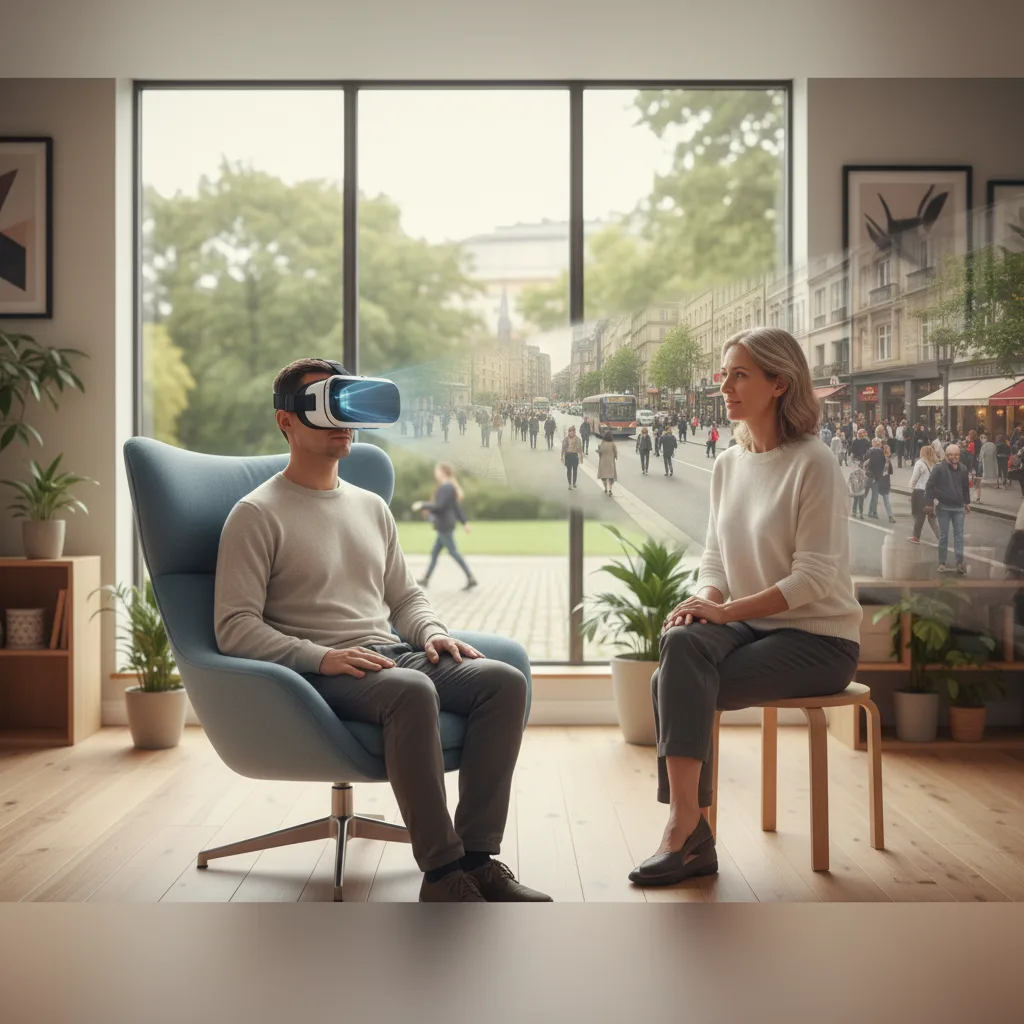
While not exclusive to visually impaired individuals, VR’s power as a distraction tool can be particularly beneficial. For those undergoing painful medical procedures or managing chronic pain, immersive VR experiences can divert attention from discomfort. By engaging multiple senses in a captivating virtual world – perhaps a peaceful forest or an underwater adventure – VR can reduce the perception of pain and anxiety, improving overall well-being during difficult times. This is especially relevant in contexts where visual input might traditionally be a major component of distraction, but VR can leverage sound and haptics to achieve the same effect for visually impaired users.
The Road Ahead: Challenges and Future of VR for the Visually Impaired
While the applications are incredibly promising, the widespread adoption of VR for visually impaired people still faces several challenges.
Current Challenges
One significant hurdle is cost. VR hardware, while becoming more affordable, can still be a substantial investment for individuals and institutions. Beyond the headset, specialized haptic devices or advanced spatial audio systems can add to the expense. Another challenge lies in software accessibility. Many existing VR applications are designed with a visual-first approach, requiring significant redesign and development to be truly accessible to visually impaired users. This includes ensuring proper auditory cues, haptic feedback integration, and intuitive non-visual navigation within the virtual environment.
Motion sickness can also be an issue for some users, particularly in poorly designed VR experiences. Furthermore, concerns around data privacy and the ethical implications of creating highly personalized virtual experiences need careful consideration. Finally, the lack of widespread awareness among both the visually impaired community and VR developers about the potential of this technology is a barrier.
Innovations and Future Prospects
Despite these challenges, the future of VR for the visually impaired is incredibly bright, driven by ongoing innovations. Advances in haptic feedback technology will allow for more nuanced and realistic tactile sensations, enabling users to “feel” virtual objects with greater detail. Improved spatial audio will create more immersive and informative soundscapes, crucial for navigation and object identification.
The integration of artificial intelligence (AI) will lead to more personalized and adaptive VR experiences. AI could dynamically adjust virtual environments based on a user’s progress, learning style, or specific visual impairment. For instance, AI could generate verbal descriptions of dynamic virtual scenes in real-time or adapt the complexity of a navigation task based on individual performance.
Furthermore, the development of open-source platforms and standardized accessibility guidelines for VR will lower barriers to entry for both developers and users. As VR technology becomes more ubiquitous and affordable, its potential to transform the lives of visually impaired people – granting greater independence, enhancing learning, and fostering deeper connections – will only continue to expand.
Conclusion
The journey into the applications of virtual reality for visually impaired people reveals a landscape brimming with innovation and hope. From empowering individuals with enhanced navigation and object recognition in daily life to revolutionizing education, vocational training, and therapeutic interventions, VR is proving to be far more than just a visual medium. By harnessing its multi-sensory capabilities, developers and researchers are crafting immersive experiences that break down traditional barriers, fostering independence, confidence, and a richer engagement with the world. While challenges remain, the relentless pace of technological advancement promises a future where virtual reality serves as a powerful equalizer, opening up new dimensions of perception and possibility for millions worldwide. The virtual realm is fast becoming a tangible pathway to a more inclusive and accessible reality.