World's Most Expensive Antiques: Priceless Treasures Unveiled
Explore the fascinating world of the most expensive antique items. Discover rare historical treasures, meticulously crafted masterpieces, and objects of unparalleled value that transcend time.
Unveiling the World’s Most Expensive Antique Items: A Deep Dive into Priceless Treasures
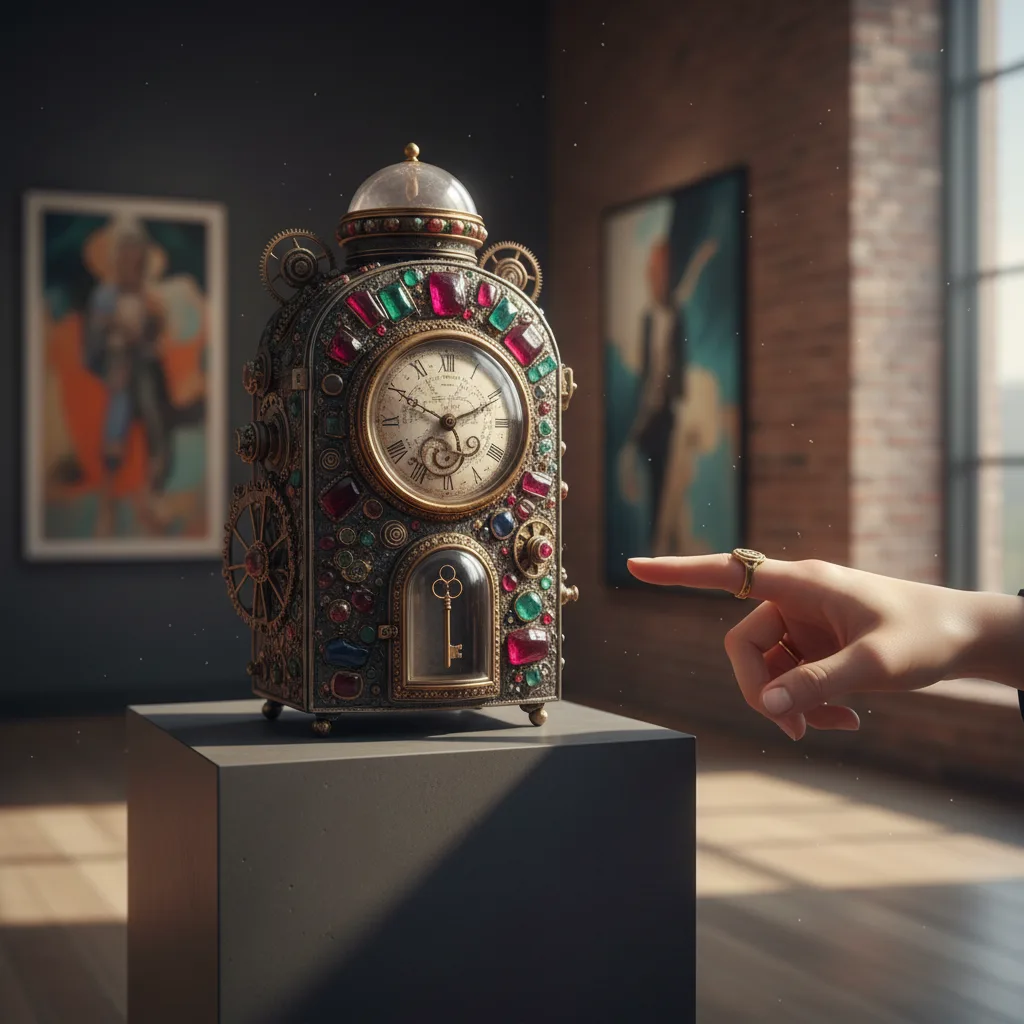
For centuries, humanity has been captivated by objects that transcend mere utility, becoming vessels of history, artistry, and unparalleled value. At TrendSeek, we delve into the extraordinary, and few realms are as fascinating as the market for the most expensive antique items in the world. These aren’t just old things; they are rare vestiges of a bygone era, meticulously crafted masterpieces, or relics imbued with profound historical significance, often commanding sums that defy imagination. From dazzling jewels to ancient manuscripts, these treasures offer a glimpse into the past while challenging our perception of worth in the present. Join us as we explore the stories, the allure, and the astronomical prices behind the world’s most coveted antiques.
Understanding the Allure of Priceless Antiques
What transforms an old object into an antique, and further, into one of the most expensive antique items in the world? The answer lies in a confluence of factors that ignite desire and drive up bids. Rarity is paramount; objects that are unique, one-of-a-kind, or exist in extremely limited numbers naturally command higher prices. Provenance, the documented history of ownership, is equally crucial, often elevating an item’s value if it belonged to royalty, a famous historical figure, or was part of a significant collection. The condition of an antique plays a vital role, with original, well-preserved pieces fetching far more than restored or damaged ones.
Beyond these tangible aspects, historical significance and artistic merit are powerful drivers. An item linked to a pivotal moment in history or created by a legendary artisan holds an intrinsic value that transcends its material worth. The craftsmanship—the intricate details, the innovative techniques, the sheer skill involved in its creation—also contributes immensely. Finally, market demand and current trends can influence prices, sometimes creating a frenzy around particular styles or categories. Together, these elements weave a narrative of desirability that culminates in record-breaking auctions and private sales.
Jewelry & Gemstones: The Dazzling World of the Most Expensive Antique Items
Few categories encapsulate the concept of the most expensive antique items in the world quite like historical jewelry and gemstones. These pieces are not just adornments; they are wearable art, often steeped in royal history and possessing a timeless brilliance. The combination of rare, exquisite gems and exceptional antique settings creates objects of unparalleled desire.
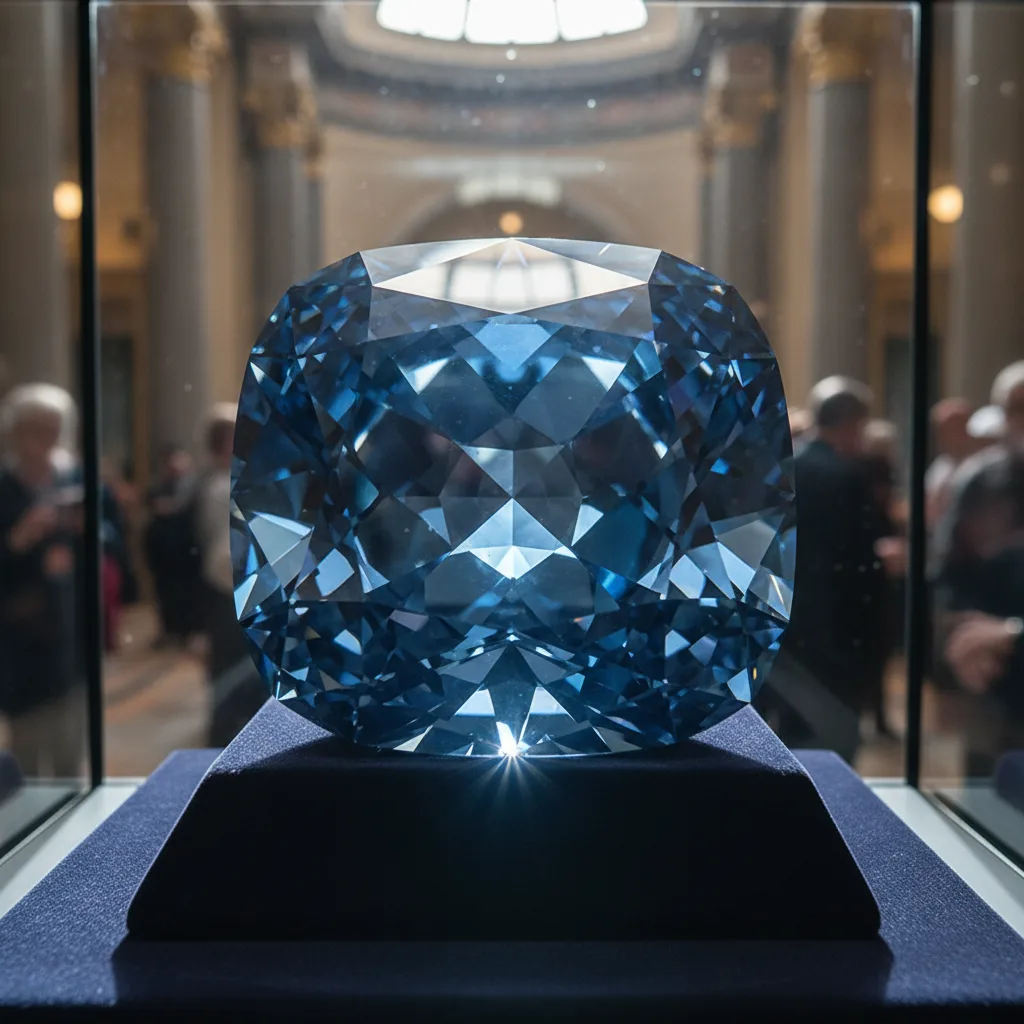
One of the most iconic examples is the Hope Diamond. While technically a recut stone, its history stretches back centuries, and its current 45.52-carat deep blue brilliance is legendary. Valued at an estimated $200-$250 million, it’s a testament to rarity and provenance, having passed through the hands of French royalty before its journey to the Smithsonian.
Another breathtaking example is the Wittelsbach-Graff Diamond, a 31.06-carat fancy deep blue diamond with an illustrious history dating back to the 17th century. Originally part of the Bavarian Crown Jewels, it was purchased by Laurence Graff in 2008 for a staggering $24.3 million and then recut, increasing its value and prompting some controversy.
Beyond individual stones, complete antique jewelry pieces can fetch astronomical sums. The Hutton-Mdivani Jadeite Necklace, sold by Sotheby’s in 2014 for $27.4 million, is a prime example. Comprising 27 large, perfectly matched jadeite beads, it once belonged to Barbara Hutton, heiress to the Woolworth fortune. Its extraordinary color, translucency, and the rarity of such large, uniform jadeite beads make it a peerless masterpiece of Art Deco design and a truly unique antique.
Art & Collectibles: Masterpieces That Break Records
The world of art and unique collectibles is perhaps where the most jaw-dropping prices are routinely set, making them central to any discussion of the most expensive antique items in the world. These categories encompass paintings, sculptures, and singular artifacts that transcend their original purpose to become cultural touchstones.
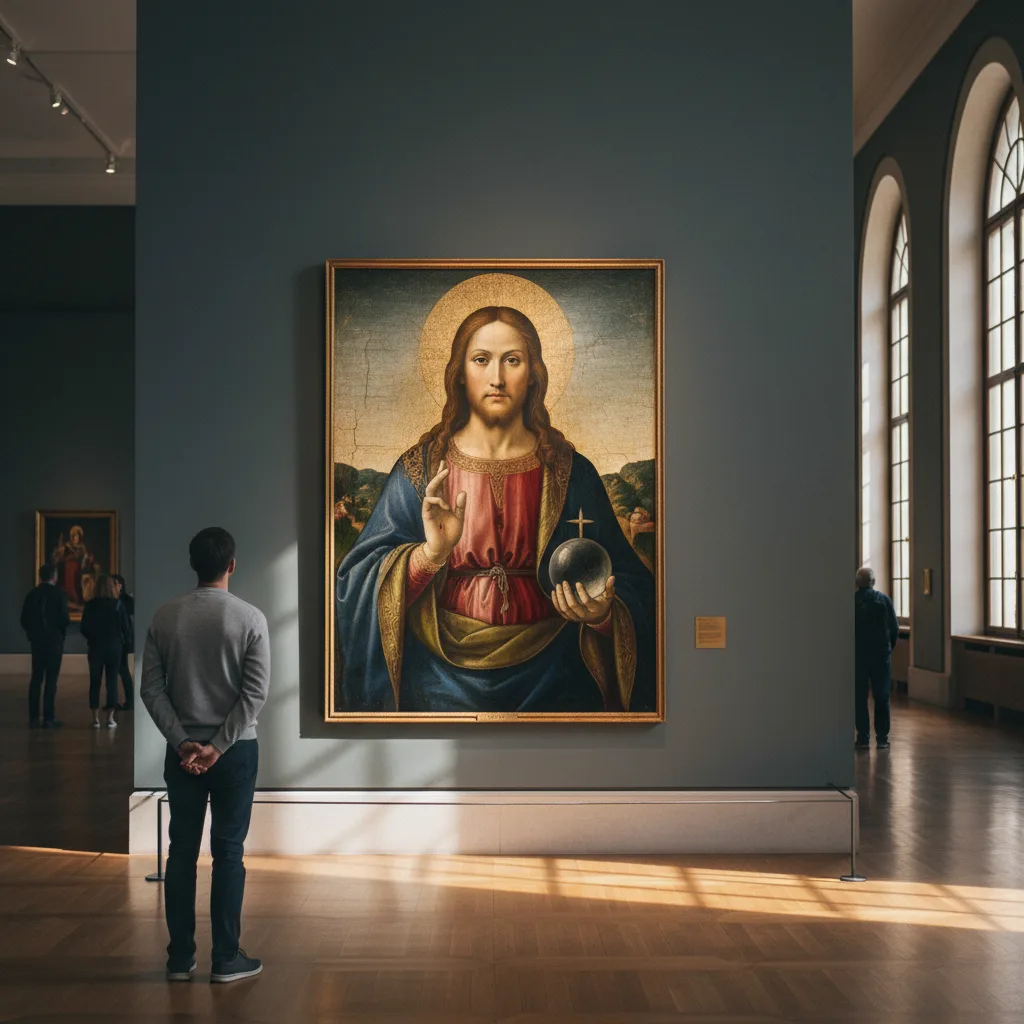
The most famous recent example in this sphere is Leonardo da Vinci’s Salvator Mundi. This painting, depicting Christ as the Savior of the World, was long thought to be lost or a copy. After its rediscovery and meticulous restoration, it was attributed to da Vinci, selling at Christie’s in 2017 for an astonishing $450.3 million. Its rarity (it’s one of fewer than 20 known da Vinci paintings), historical significance, and the sheer genius of its creator cemented its place as the most expensive artwork ever sold.
Beyond paintings, unique mechanical masterpieces also command immense prices. The Patek Philippe Henry Graves Supercomplication pocket watch is a prime example. Commissioned in 1925 by banker Henry Graves Jr., it took Patek Philippe eight years to design and build. With 24 complications (functions beyond telling time), including a perpetual calendar, moon phases, and a celestial chart of New York City, it was the most complicated watch ever built entirely by human hands for 56 years. It sold for $24 million in 1999 and then again for $24.1 million in 2014, showcasing the enduring value of exceptional mechanical artistry.
Other collectibles, such as ancient sculptures or rare ceramics, also enter this elite category. A Chinese Ru-ware brush washer, a small celadon-glazed bowl from the Northern Song Dynasty, sold for $37.7 million at Sotheby’s in 2017. Ru ware is one of the rarest and most revered types of Chinese porcelain, with only about 87 known pieces in existence, making this a true antique treasure.
Furniture & Decorative Arts: Craftsmanship Beyond Compare
Antique furniture and decorative arts often represent the pinnacle of historical design and craftsmanship, earning their place among the most expensive antique items in the world. These pieces are not merely functional; they are elaborate statements of wealth, power, and artistic skill, often commissioned by royalty or the elite.
The Badminton Cabinet stands as a monumental example. This Florentine ebony and pietra dura cabinet, created for Henry Somerset, 3rd Duke of Beaufort, between 1726 and 1732, is an astonishing work of art. Standing over 12 feet tall and adorned with semi-precious stones, it took 30 artisans six years to complete. It sold for $36.7 million at Christie’s in 2004, making it the most expensive piece of furniture ever sold at auction. Its unparalleled craftsmanship, intricate design, and royal provenance contribute to its extraordinary value.
Another significant piece is the Goddard and Townsend Antique Desk, specifically a Newport-style block-and-shell carved desk and bookcase. While not reaching the Badminton Cabinet’s heights, these 18th-century American masterpieces are highly coveted. A rare example by John Goddard and John Townsend sold for $11.4 million in 1989, setting a record for American furniture at the time. Their exceptional quality, distinctive regional style, and limited production make them highly prized by collectors of Americana.
From intricate tapestries to gilded clocks, the decorative arts showcase the meticulous attention to detail and the artistic sensibilities of past eras. Each piece tells a story of its time, its creators, and the patrons who commissioned such magnificent works.
Rare Books & Manuscripts: Pages of History, Priceless Worth
For bibliophiles and historians, rare books and manuscripts represent a tangible connection to the past, often containing the foundational texts of human knowledge, literature, and law. These unique artifacts are undeniably among the most expensive antique items in the world, valued not just for their age, but for their content, rarity, and historical impact.
The Codex Leicester, a collection of scientific writings by Leonardo da Vinci, is a prime example. Comprising 72 loose sheets, it contains da Vinci’s observations on astronomy, the properties of water, rocks, and fossils. Bill Gates purchased it in 1994 for $30.8 million (approximately $55 million today adjusted for inflation), making it the most expensive book ever sold. Its value stems from the brilliance of its author and the insights it offers into the mind of one of history’s greatest polymaths.
Another incredibly significant piece is a copy of the Magna Carta. While several original copies exist, their historical importance is immeasurable. One of the four surviving original 1297 issues of the Magna Carta was purchased by David Rubenstein in 2007 for $21.3 million. This foundational document of Western law, limiting the power of the monarch, is a cornerstone of democratic principles and remains an object of immense historical and legal value.
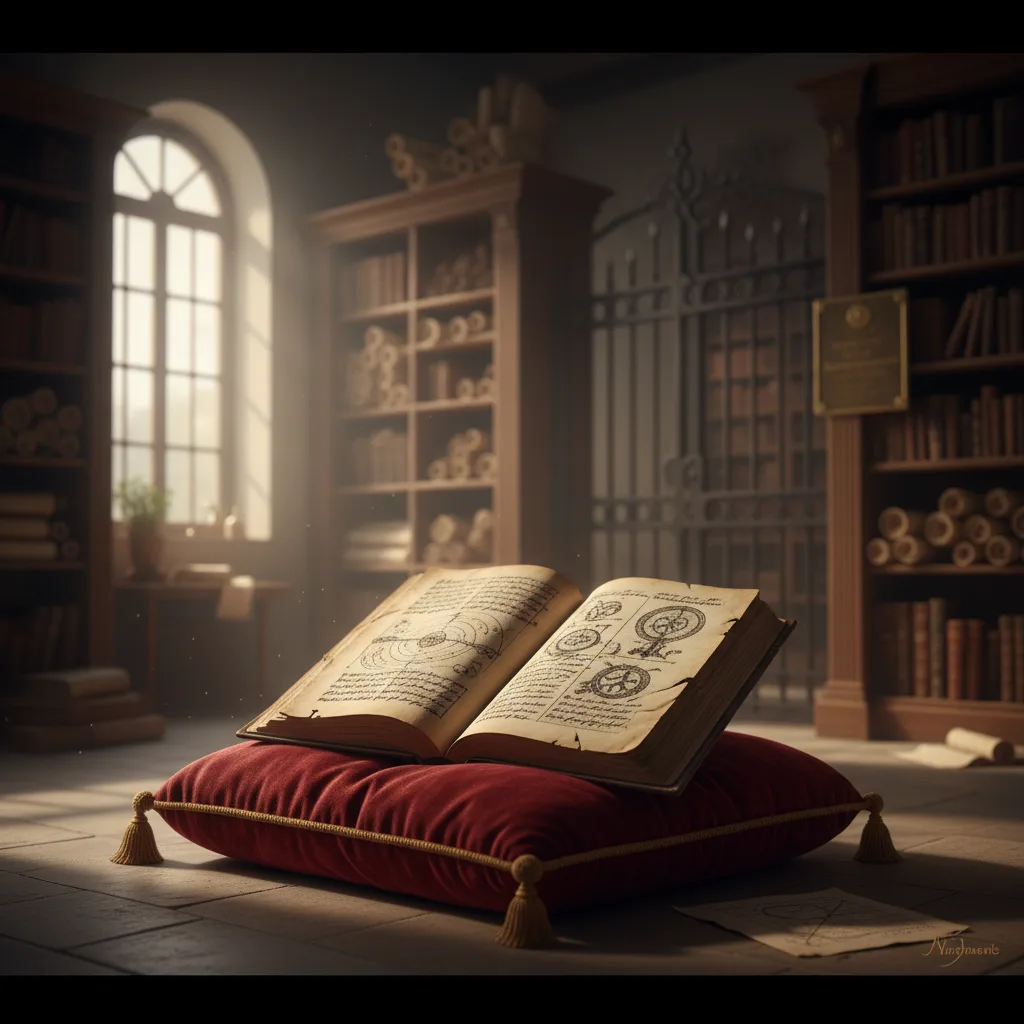
The Bay Psalm Book, printed in 1640, holds the distinction of being the first book printed in British North America. Only 11 copies are known to exist, making it extraordinarily rare. One copy sold for an astounding $14.2 million at Sotheby’s in 2013, highlighting its significance as a symbol of early American printing and religious freedom. These precious volumes offer direct access to the thoughts, beliefs, and artistic expressions of previous generations, making them true treasures.
Beyond the Price Tag: The Enduring Legacy of the Most Expensive Antique Items
While the staggering prices associated with the most expensive antique items in the world often dominate headlines, their true legacy extends far beyond monetary value. These objects serve as invaluable historical documents, artistic benchmarks, and cultural touchstones that enrich our understanding of human civilization.
They are windows into the past, revealing the aesthetics, technologies, and societal values of their time. A Roman sculpture tells us about ancient ideals of beauty and power; a Ming vase reflects the sophisticated artistry of imperial China; an early scientific manuscript illuminates the nascent stages of human discovery. Collectors, whether private individuals or institutions, act as custodians of these legacies, preserving them for future generations.
The acquisition of such items is often a blend of passion, prestige, and investment. While some purchase for the sheer joy of ownership and appreciation of beauty, others view these antiques as stable assets, often appreciating in value over time, outperforming traditional investments. However, the emotional and intellectual connection to these pieces, the thrill of owning a tangible piece of history, is often the most profound motivation. These antiques remind us that true value isn’t always measured in dollars, but in the stories they tell and the enduring human spirit they embody.
Conclusion
The journey through the world of the most expensive antique items in the world reveals a fascinating intersection of history, art, craftsmanship, and immense wealth. From the dazzling sparkle of the Hope Diamond to the profound insights of the Codex Leicester, each item carries a unique narrative, a testament to human ingenuity and the enduring allure of the past. These treasures are more than just objects; they are tangible links to our collective heritage, inspiring awe and wonder. Whether housed in museums or private collections, they continue to captivate us, reminding us that some things truly are priceless, even when they come with an astronomical price tag. As we at TrendSeek continue to explore the extraordinary, these magnificent antiques stand as enduring symbols of timeless value and unparalleled human achievement.