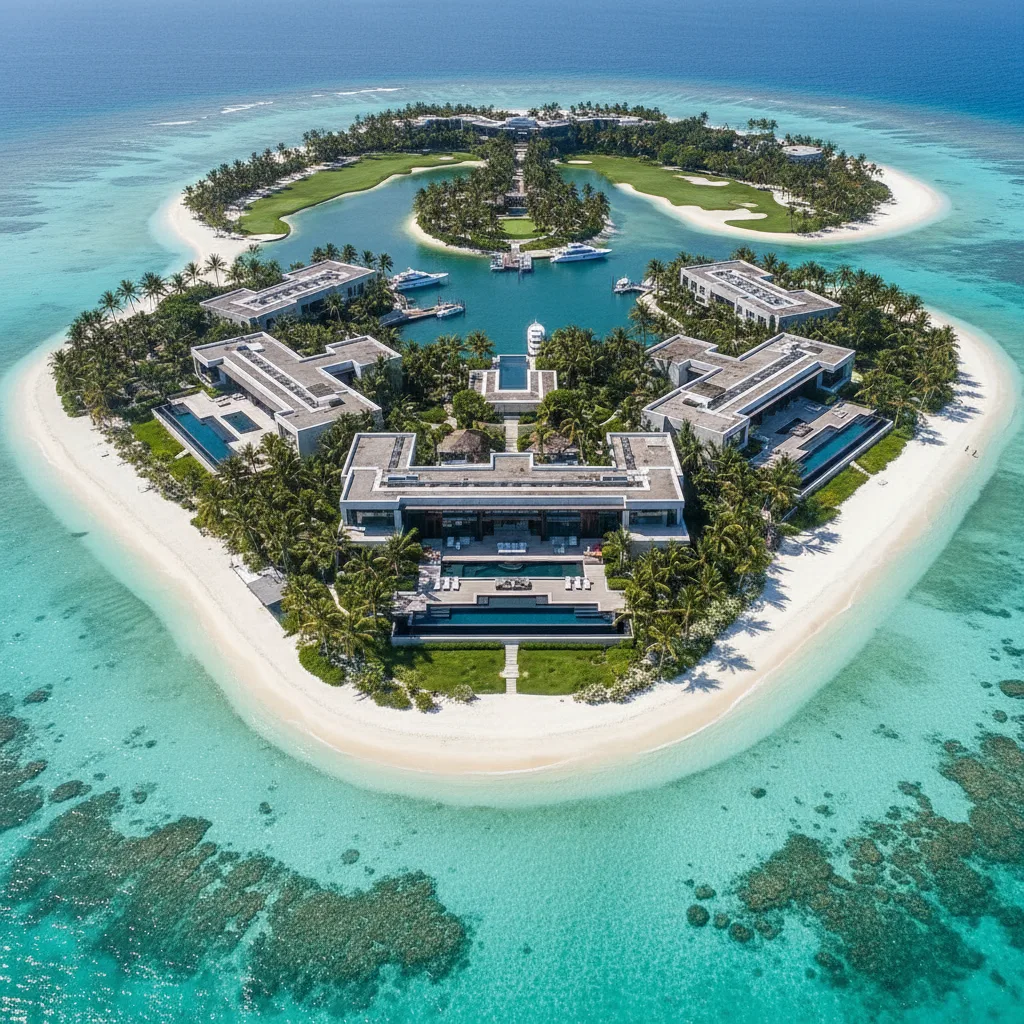
World's Most Expensive Buyable Items: Ultra-Luxury Guide
Explore the fascinating world of ultra-luxury. Uncover what makes the world's most expensive buyable items command astronomical prices, from ancient artifacts to futuristic marvels.
Unveiling the World’s Most Expensive Buyable Items: A TrendSeek Guide to Ultra-Luxury
Humanity has an innate fascination with the pinnacle of achievement, the limits of possibility, and, perhaps most strikingly, the extreme ends of value. From ancient artifacts to futuristic marvels, the concept of the “most expensive” captures our imagination, sparking curiosity about what justifies such astronomical price tags. In a world awash with luxury, the quest to identify the most expensive buyable item in the world is a captivating journey into a realm where rarity, craftsmanship, historical significance, and bespoke engineering converge.
At TrendSeek, we delve into the trends that shape our world, and few trends are as enduring as the pursuit of ultimate opulence. This comprehensive guide explores the multifaceted landscape of ultra-high-value assets, examining the contenders that vie for the title of the world’s priciest possession and the underlying reasons for their breathtaking cost.
Defining “Buyable”: What Qualifies as the Most Expensive Item?
Before we embark on our quest, it’s crucial to define what “buyable” truly means in this context. We are not talking about entire countries, national treasures that are not for sale, or abstract concepts. Instead, we are looking for tangible items that have either been publicly transacted for record sums, or are realistically available for purchase by an individual or entity, albeit an exceptionally wealthy one.
This distinction is vital. While a city like New York or a company like Apple holds immense value, they are not single “items” one can simply purchase. Our focus is on discrete, identifiable assets that embody the zenith of human craftsmanship, natural rarity, or technological innovation, and have a clear market value, even if that market is exclusively for the ultra-rich. The “buyable” aspect implies a transactional history or a current availability, even for bespoke, custom-ordered creations.
Architectural Marvels: The World’s Priciest Real Estate
When discussing the most expensive buyable items, real estate inevitably enters the conversation. While an entire island or a sprawling ranch can command incredible prices, it’s specific, highly customized residential properties that often break records for single-item sales. These aren’t just homes; they are monuments to wealth, offering unparalleled luxury, security, and exclusivity.
One of the most famous examples is Antilia, the 27-story private residence in Mumbai, India, owned by billionaire Mukesh Ambani. Valued at an estimated $1 billion to $2 billion, this architectural marvel boasts multiple helipads, a 160-car garage, three helipads, a 50-seat cinema, terraced gardens, and even an ice cream parlor. While not “on the market,” its valuation positions it as arguably the most expensive private residence globally.

Another notable contender is Villa Les Cèdres on the French Riviera. This historic 14-bedroom mansion, once owned by the King of Belgium, was reportedly listed for sale at €350 million (approximately $410 million) in 2017, eventually selling for a more modest but still staggering €200 million ($220 million) in 2019 to Ukrainian billionaire Rinat Akhmetov. Its 35 acres of botanical gardens, Olympic-sized swimming pool, and opulent interiors make it a true masterpiece.
In urban centers, penthouses frequently shatter price records. A triplex penthouse at Central Park Tower in New York City was listed for $250 million, while a similar penthouse at 220 Central Park South sold for $238 million to Ken Griffin in 2019, setting a record for the most expensive home ever sold in the United States. These properties are not just about square footage; they offer unparalleled views, bespoke services, and the ultimate status symbol in prime locations.
Floating Palaces & Skybound Sanctuaries: Superyachts and Private Jets
For the ultra-wealthy, the concept of home extends far beyond fixed real estate. Superyachts and private jets represent mobile palaces, custom-engineered for maximum luxury, privacy, and global reach. These are not merely modes of transport; they are self-contained worlds of extravagance.
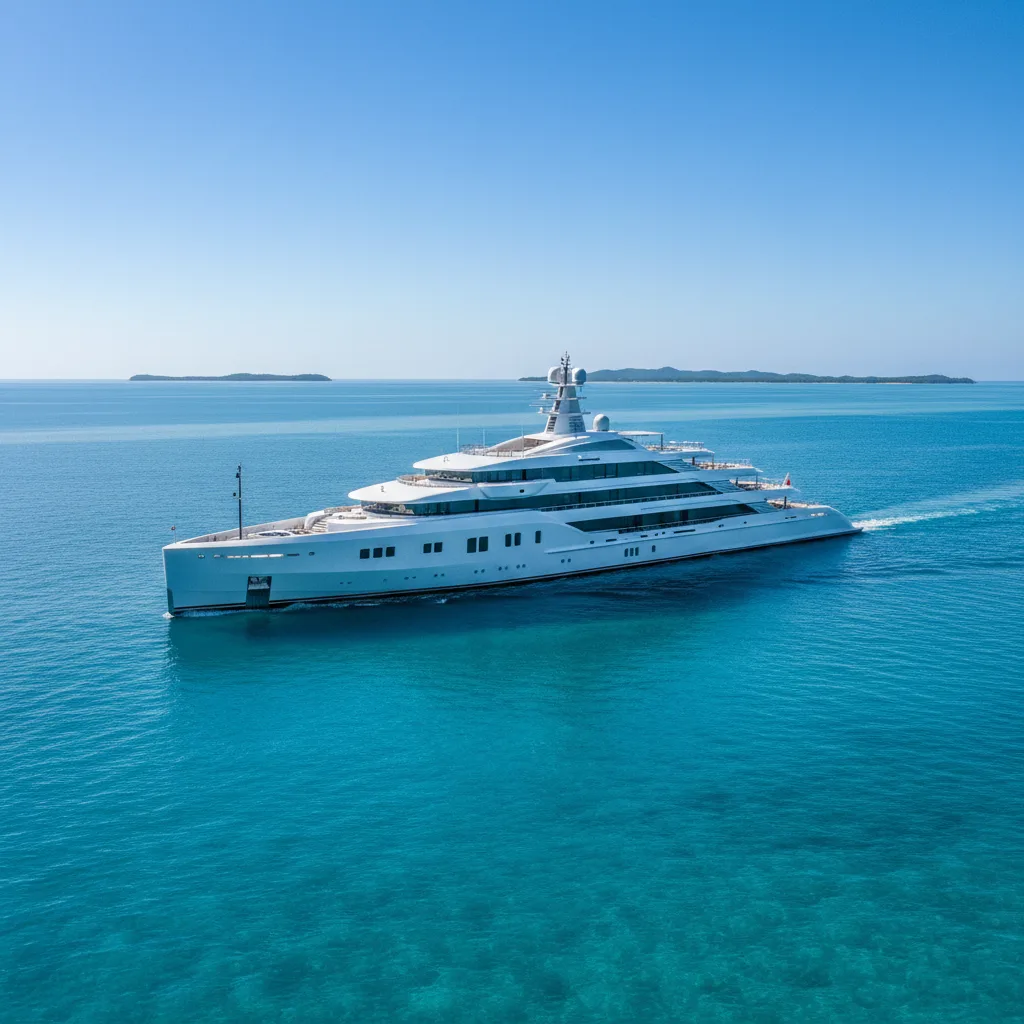
Superyachts are perhaps the quintessential symbol of billionaire status. Their prices vary wildly based on size, features, and customization. While many superyachts are built on commission, their final costs often eclipse hundreds of millions of dollars.
- Azzam, owned by the President of the United Arab Emirates, is one of the longest private yachts in the world at 180 meters (590 feet). While its exact build cost is undisclosed, estimates place it around $600 million.
- Eclipse, owned by Roman Abramovich, was once the world’s second-largest yacht and cost an estimated $500 million to $1.5 billion depending on various reports and refits, featuring two helipads, two swimming pools, and a missile detection system.
- The legendary, albeit controversial, History Supreme is often cited as the most expensive yacht ever, reportedly commissioned by an anonymous Malaysian businessman for a staggering $4.8 billion. Adorned with 100,000 kg of platinum and gold, and featuring an authentic T-Rex bone statue, its existence and price are highly debated and likely exaggerated, but it highlights the theoretical extremes of bespoke luxury.
 📷 Didier Descouens (Public domain)
Private Jets, particularly converted commercial airliners, offer similar levels of customization and cost. An Airbus A380, the world’s largest passenger jet, can be converted into a private flying palace. The base aircraft costs around $450 million, but a full luxury conversion, which might include private suites, Turkish baths, concert halls, and even a garage for a Rolls-Royce, can push the total price well over $500 million, potentially reaching $600 million or more. Prince Al-Waleed bin Talal of Saudi Arabia reportedly ordered such a conversion, though the project was later halted. These custom aircraft are among the most complex and expensive “buyable items” due to their advanced engineering and unparalleled bespoke interiors.
Timeless Treasures: Art, Jewels, and Unrivaled Collectibles
In the realm of art, jewelry, and rare collectibles, value is often driven by a unique combination of historical significance, artistic genius, provenance, and extreme rarity. These items are frequently acquired at high-stakes auctions, setting new benchmarks for the most expensive single objects ever sold.
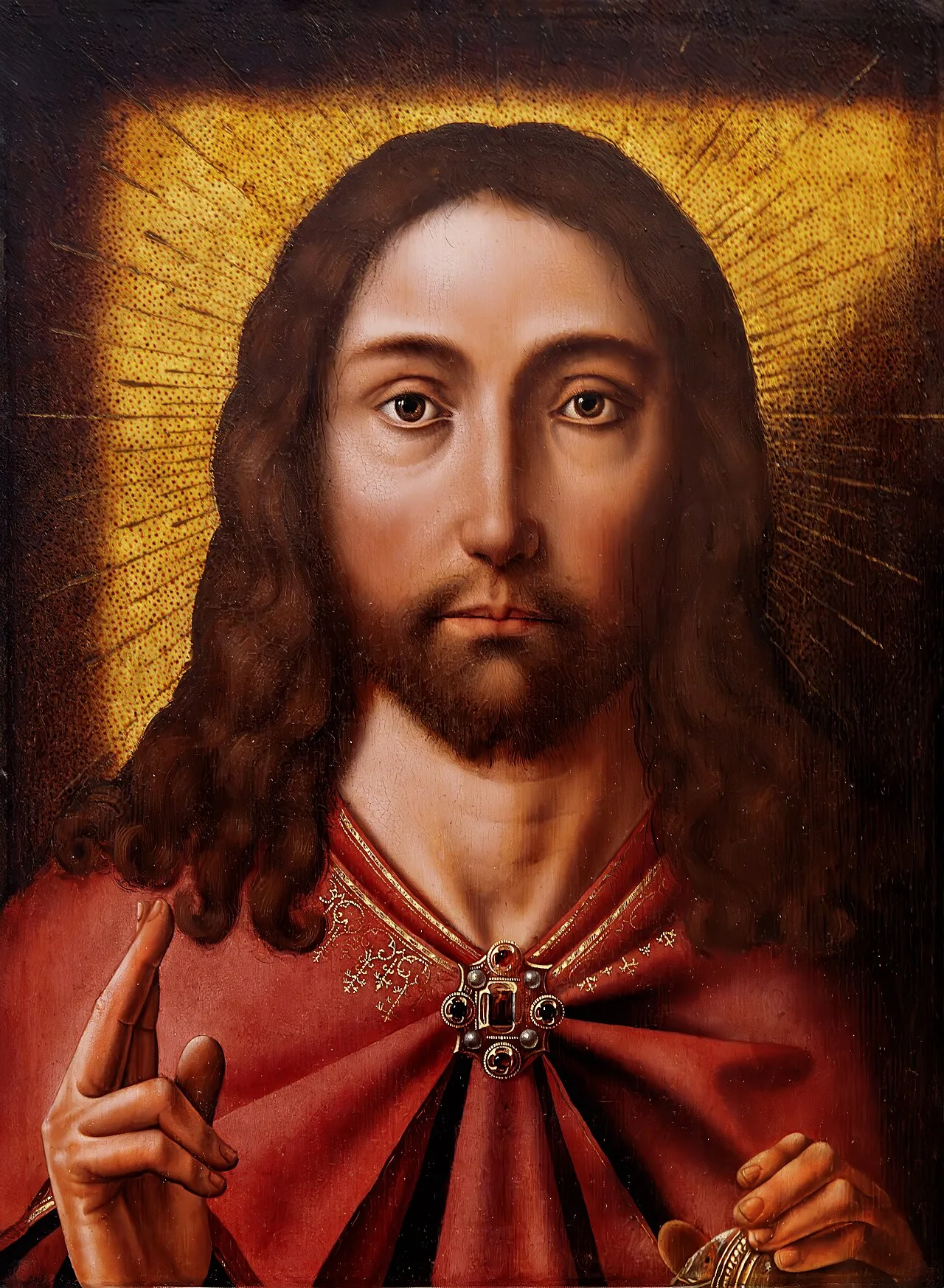
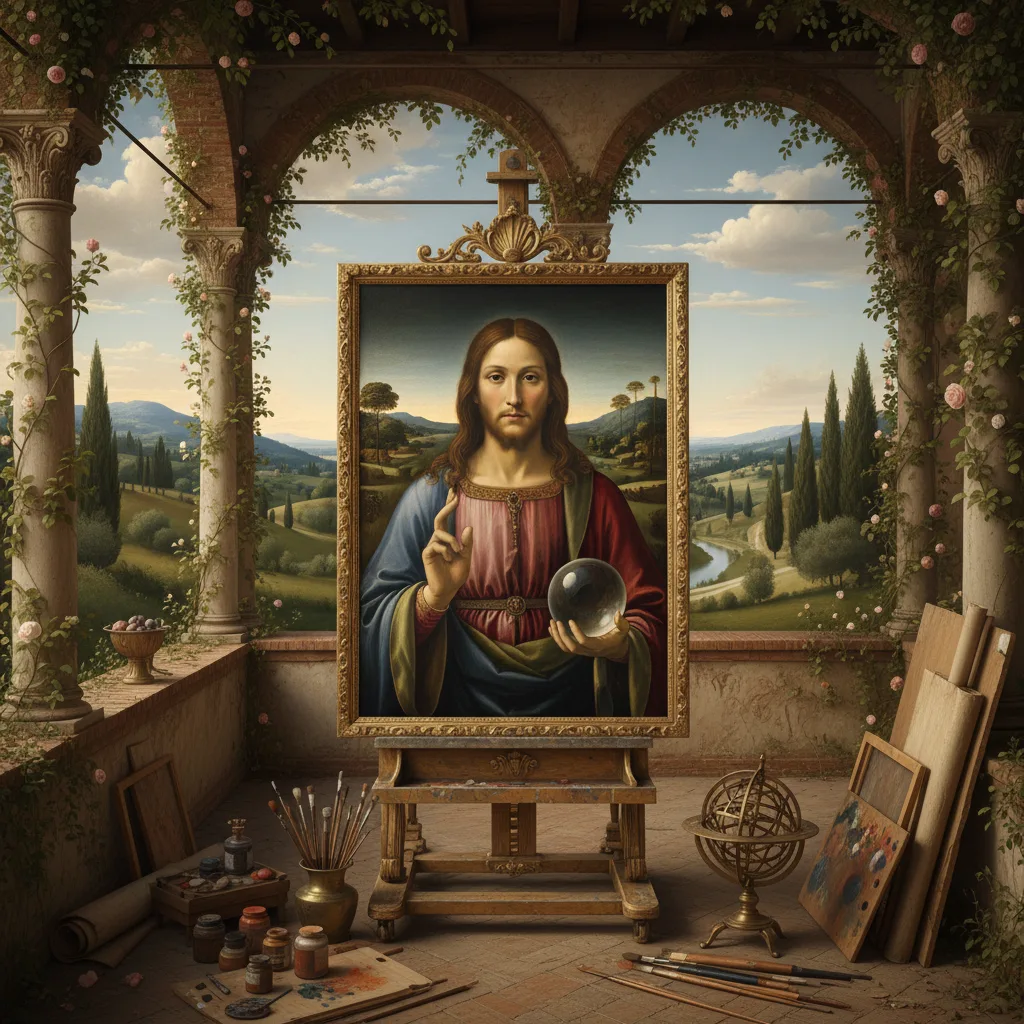
Fine Art consistently produces some of the most expensive buyable items. The undisputed champion in this category is Leonardo da Vinci’s Salvator Mundi. This painting, depicting Christ as the Savior of the World, shattered all records when it sold for an astonishing $450.3 million at a Christie’s auction in 2017 to Prince Bader bin Abdullah Al Saud, acting on behalf of Saudi Arabia’s Crown Prince Mohammed bin Salman. Its rarity (one of fewer than 20 known Da Vinci paintings), historical importance, and captivating mystery propelled it to an unprecedented price. Other masterpieces by artists like Picasso, Rothko, and Basquiat routinely sell for hundreds of millions.
Exceptional Jewels also command breathtaking prices. While some famous diamonds like the Hope Diamond are now in museums and not buyable, others frequently appear at auction, showcasing nature’s rarest beauties.
- The Pink Star diamond, a magnificent 59.60-carat oval mixed-cut pink diamond, sold for $71.2 million at Sotheby’s in 2017, making it the most expensive diamond or jewel ever sold at auction at the time.
- The Oppenheimer Blue, a stunning 14.62-carat fancy vivid blue diamond, fetched $57.5 million in 2016. These prices reflect not just the carat weight, but the intense rarity of their color, clarity, and flawless cut.
Ultra-Rare Collectibles extend beyond art and jewels to encompass items like vintage cars, stamps, and coins.
- Classic cars, particularly iconic racing vehicles, have seen stratospheric price increases. A 1962 Ferrari 250 GTO sold privately for an estimated $70 million in 2018, making it the most expensive car ever. Another 250 GTO sold at auction for $48.4 million in 2018.
- The British Guiana 1-Cent Magenta stamp, a unique artifact from 1856, sold for $9.48 million in 2014, reaffirming its status as the world’s most expensive stamp.
 📷 Alessio Damato (CC BY-SA 3.0)
Pinpointing the Pinnacle: What is Truly the Most Expensive Buyable Item in the World?
After exploring these dazzling categories, the question remains: what is definitively the most expensive buyable item in the world? The answer, while not a single, static entity, can be narrowed down to a few leading contenders, each representing the apex of its class.
-
Leonardo da Vinci’s Salvator Mundi: With a confirmed auction price of $450.3 million, this painting holds the record for the most expensive artwork and, arguably, the most expensive single item ever sold at public auction. Its price is a matter of public record and undeniable.
-
Customized Superyachts and Private Jets: While specific prices are often private and vary wildly, the theoretical and actual costs of designing and building a bespoke superyacht or converting an Airbus A380 into a private jet can easily exceed $500 million, potentially reaching $600 million or more. These are “buyable” in the sense that they are commissioned and custom-built for an owner, representing a total package cost that can rival or surpass Salvator Mundi. The History Supreme yacht, if its reported $4.8 billion valuation were true and verifiable, would dwarf all others, but its authenticity remains highly questionable. Focusing on verifiable examples, custom superyachts like Azzam or Eclipse (with their estimated build costs) are strong contenders.
-
Ultra-High-End Real Estate: While properties like Antilia are valued in the billions, they are rarely (if ever) on the open market. Record-breaking sales like the $238 million penthouse in NYC or the €200 million Villa Les Cèdres are incredibly expensive, but generally fall short of the top art or bespoke vehicle costs.
Considering verifiable public sales of a single, distinct item, Leonardo da Vinci’s Salvator Mundi stands as the clear frontrunner. However, for a custom-built, functional item that an individual can commission and acquire, a highly personalized Airbus A380 private jet or a top-tier superyacht could potentially reach and even exceed that figure, though their “final price” is often an accumulation of base cost, customization, and ongoing operational expenses. The distinction lies between a pre-existing, unique artifact and a bespoke creation.
Beyond the Price Tag: The Psychology of Ultra-Luxury
Why do these items command such astronomical prices? The motivations behind acquiring the world’s most expensive items are complex, extending far beyond simple utility or investment.
- Rarity and Uniqueness: Scarcity drives value. Whether it’s a unique natural diamond, the last remaining painting by a master, or a one-of-a-kind custom creation, exclusivity is paramount.
- Craftsmanship and Engineering: The meticulous skill, time, and advanced technology involved in creating these items — from the brushstrokes of a Da Vinci to the bespoke engineering of a superyacht — contribute immensely to their cost.
- Provenance and History: The story behind an item, its previous owners, or its historical significance adds layers of value. Owning a piece of history is a powerful draw.
- Status and Prestige: For the ultra-wealthy, these items are ultimate status symbols, signaling unparalleled success, taste, and power. They are often perceived as extensions of personal brand.
- Investment Potential: Many ultra-luxury assets, particularly art and rare collectibles, are viewed as tangible investments that can appreciate in value, offering a hedge against economic instability.
- Emotional Connection and Desire: Ultimately, human desire plays a significant role. The allure of owning something truly extraordinary, something that few others can ever possess, is a potent motivator.
Conclusion: The Ever-Shifting Crown of Opulence
The quest to identify the most expensive buyable item in the world is a testament to human ingenuity, artistic brilliance, and the relentless pursuit of luxury. While Leonardo da Vinci’s Salvator Mundi currently holds the record for the highest single item sale at auction, the realm of bespoke superyachts and custom private jets offers a dynamic landscape where commissioned projects can reach equally staggering sums, often privately negotiated.
The crown of opulence is not a static one; it shifts with market trends, new innovations, and record-breaking transactions. What remains constant is the inherent human fascination with the limits of value, the allure of the unattainable, and the enduring power of objects that transcend mere function to become symbols of ultimate wealth and aspiration. As TrendSeek continues to monitor the pulse of global luxury, we can expect new contenders to emerge, pushing the boundaries of what is considered the most expensive, and indeed, the most extraordinary, buyable item in the world.