The Unseen Architects: Unveiling the 10 Most Important People in US History
Delve into the lives of the 10 most influential figures who fundamentally shaped the United States. Discover the visionaries and reformers who built America's enduring legacy.
The Unseen Architects: Unveiling the 10 Most Important People in US History
Imagine a tapestry woven over centuries, intricate and sprawling, depicting the grand experiment that is the United States of America. Now, consider the hands that guided the loom, the visionaries who chose the threads, and the reformers who mended its tears. Who among these countless figures truly shaped its very fabric, fundamentally altering its course and character? At TrendSeek, we’ve delved into the annals of time, sifted through pivotal moments, and identified the 10 most important people in US history – individuals whose legacies are not just chapters in textbooks, but living forces that continue to resonate in our present. Prepare to journey through the defining moments of a nation, powered by the sheer will and intellect of these extraordinary men and women.
The Dawn of a Nation: Forging a Republic
Could a fledgling collection of colonies, having just thrown off the shackles of empire, truly coalesce into a unified nation? It was far from a foregone conclusion. The very notion of a self-governing republic was a radical, untested idea, fraught with peril. Yet, three towering figures from this foundational era laid the groundwork for the enduring American experiment, setting precedents that would echo for centuries.
First, George Washington, the stoic Virginian, was the indispensable man. His leadership as Commander-in-Chief during the Revolutionary War was legendary, transforming a ragtag militia into a fighting force capable of defeating the mightiest army in the world. Crucially, after victory, he voluntarily relinquished power, a move almost unheard of in history, establishing the principle of civilian control over the military. His two terms as the nation’s first president, from 1789 to 1797, were marked by a cautious, steady hand, setting the template for the executive branch and guiding the young republic through its tumultuous infancy, solidifying its institutions and defining the very nature of presidential authority.
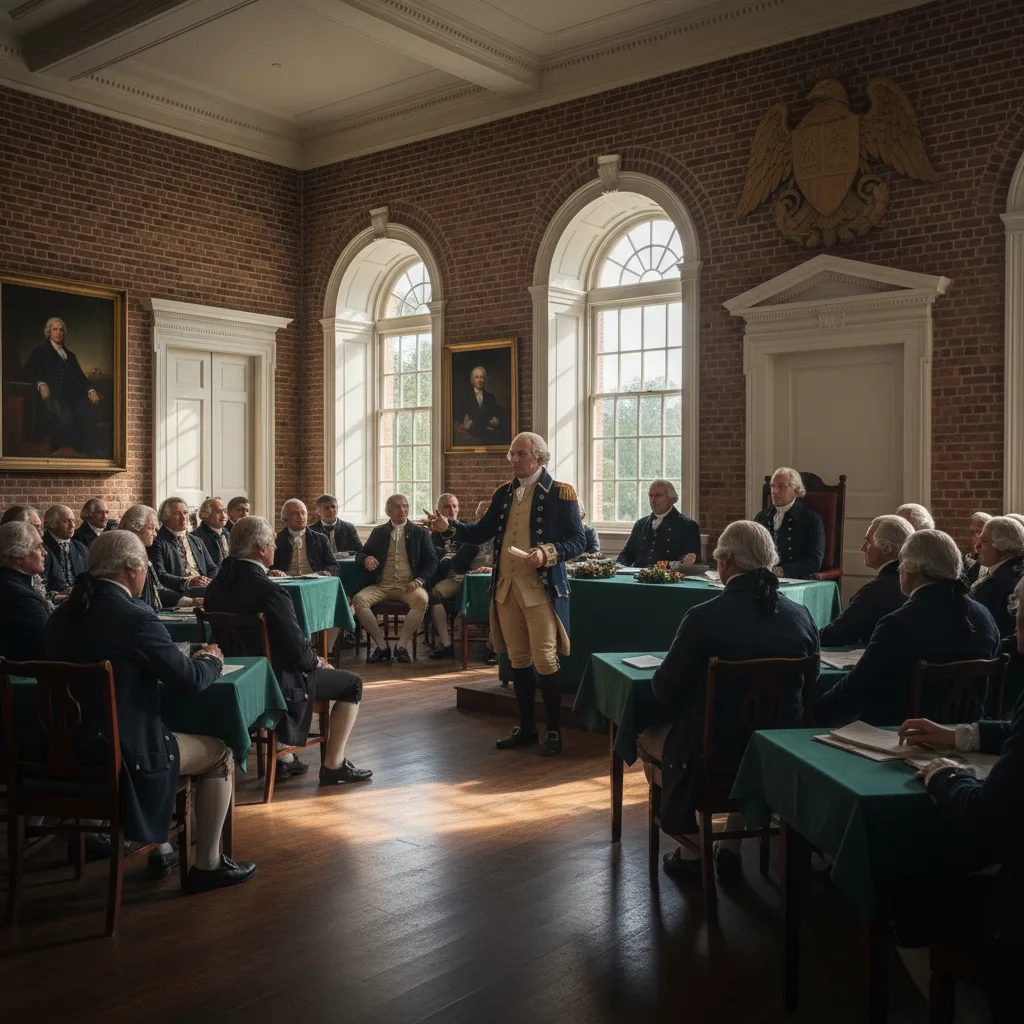
Then came Thomas Jefferson, the eloquent polymath whose quill penned the immortal words of the Declaration of Independence in 1776, articulating the radical ideals of liberty, equality, and self-governance that remain the bedrock of American identity. As president from 1801 to 1809, Jefferson dramatically expanded the nation’s physical boundaries with the Louisiana Purchase in 1803, doubling its size and opening vast new territories for westward expansion. His vision of an agrarian republic, while not fully realized, profoundly influenced American political thought and the enduring tension between federal power and states’ rights.
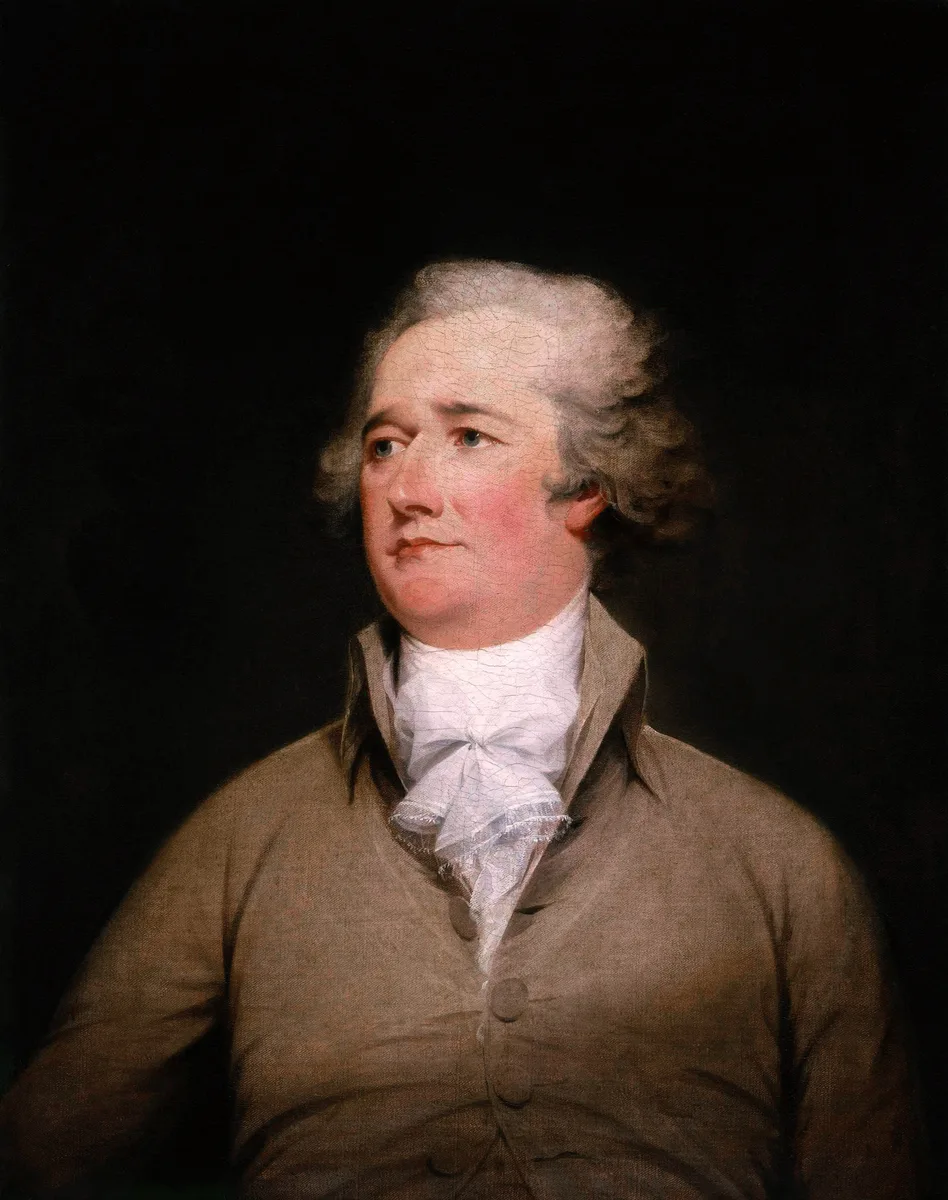 Finally, **Alexander Hamilton**, a brilliant and ambitious immigrant, was the architect of America's financial system. As the first Secretary of the Treasury under Washington, he established the **First Bank of the United States**, consolidated state debts, and created a national credit system, laying the essential economic infrastructure for a powerful, industrialized nation. His fervent advocacy for a strong federal government, eloquently argued in the **Federalist Papers**, shaped the very structure of American governance, ensuring the stability and strength necessary for the republic to thrive, even as his ideas clashed with Jefferson's agrarian vision, sparking a fundamental debate that continues to this day.
The Crucible of Division: Preserving the Union and Redefining Freedom
By the mid-19th century, the grand experiment teetered on the brink. The institution of slavery, a moral stain on the nation’s founding ideals, had festered for decades, threatening to tear the country apart. It took the extraordinary courage and conviction of two individuals, one a president and the other a self-emancipated orator, to confront this existential crisis head-on and redefine the very meaning of American freedom.
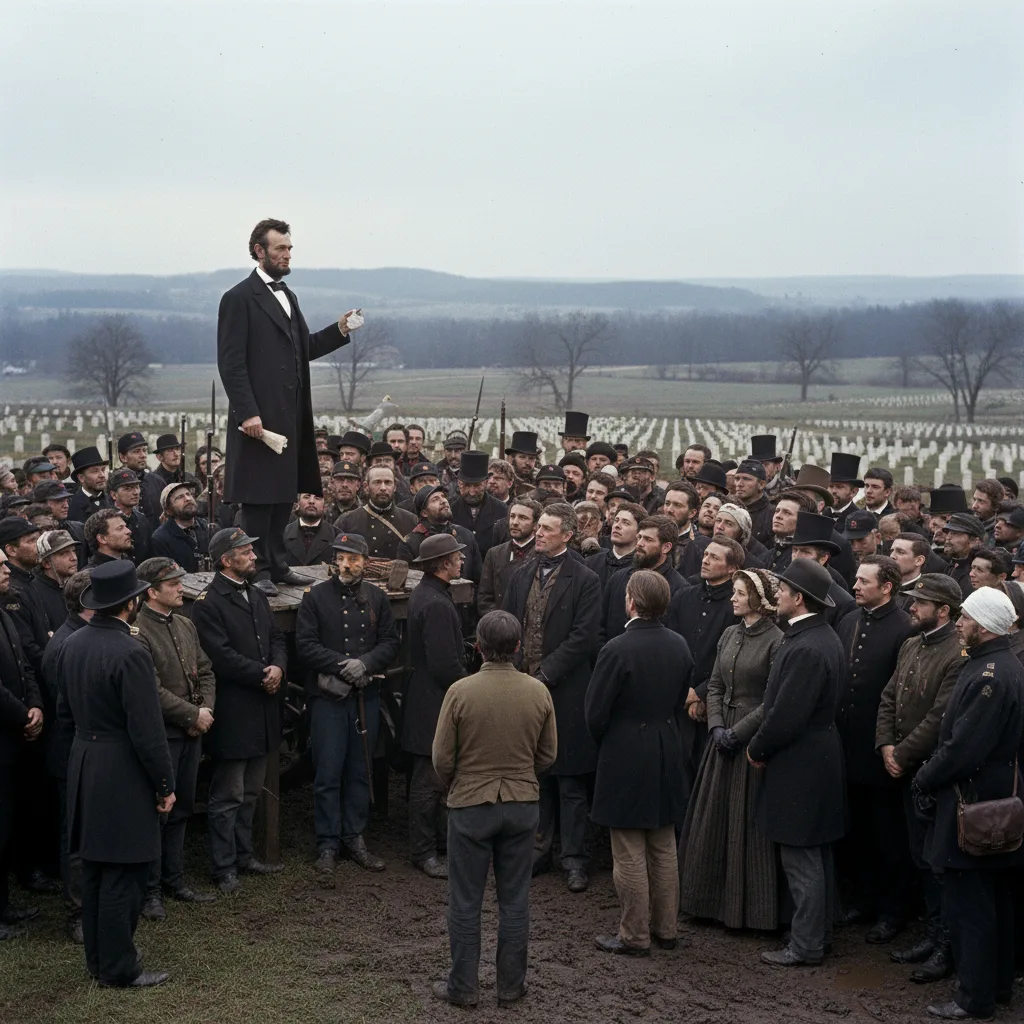
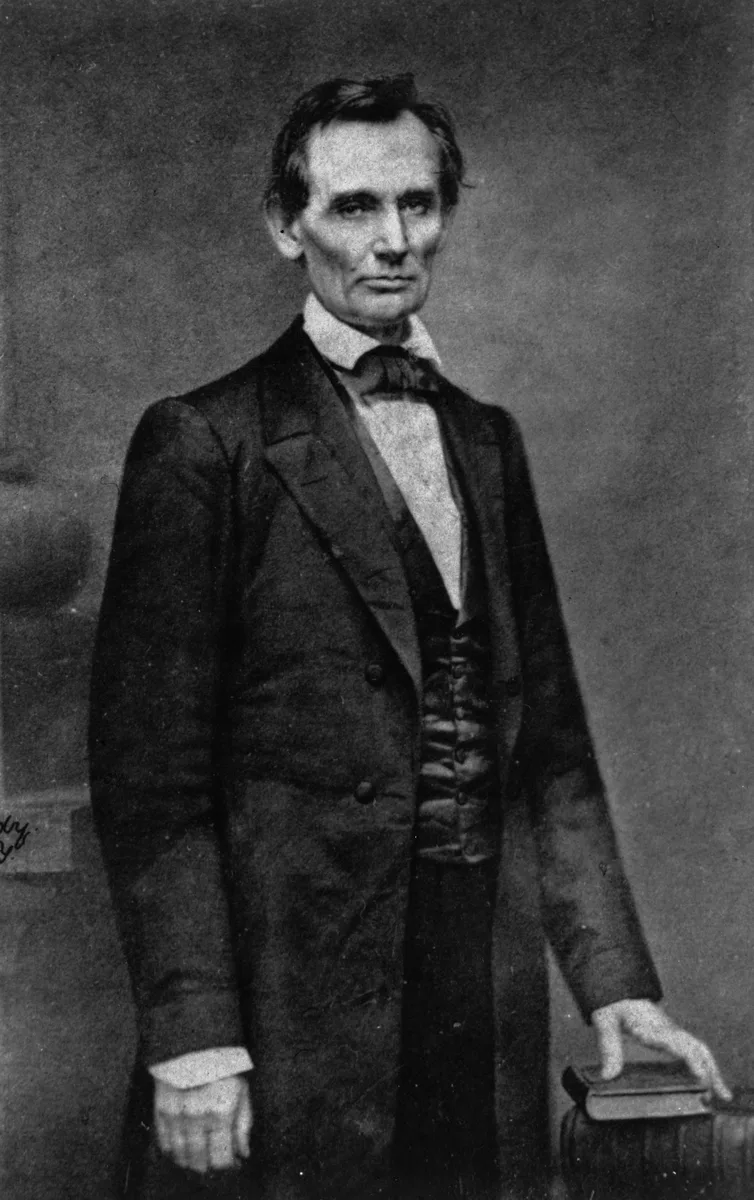 **Abraham Lincoln**, the 16th President, inherited a nation on the precipice of civil war. His leadership during the tumultuous years from 1861 to 1865 was unparalleled, demonstrating a profound moral clarity and strategic genius. He famously declared that "a house divided against itself cannot stand," and through the brutal conflict, he steadfastly pursued the preservation of the Union. His **Emancipation Proclamation** in 1863 transformed the war into a moral crusade against slavery, irrevocably linking the nation's survival with the abolition of its greatest injustice. Lincoln's vision, articulated in his Gettysburg Address, reimagined America as a nation "conceived in Liberty, and dedicated to the proposition that all men are created equal," a promise that, though incomplete, set the stage for future struggles for civil rights.
Standing as a powerful voice against the tyranny of slavery was Frederick Douglass. Born into bondage in Maryland around 1818, Douglass escaped to freedom and became one of the most eloquent and forceful abolitionists of his time. His autobiography, Narrative of the Life of Frederick Douglass, an American Slave, exposed the brutal realities of slavery to a wide audience, galvanizing the anti-slavery movement. A brilliant orator and writer, Douglass tirelessly advocated for the rights of African Americans, not only for emancipation but for full citizenship and suffrage. He advised President Lincoln, challenged societal prejudices, and continued his fight for civil rights long after the Civil War, proving that the struggle for true equality was far from over.
The Unfinished Revolution: Voices for Equality and Enfranchisement
Even after the Civil War and the abolition of slavery, the promise of “all men are created equal” remained largely unfulfilled for vast segments of the American population. Women, denied the most basic rights of citizenship, and African Americans, subjected to systemic discrimination and violence, continued their relentless fight for a seat at the table. Two remarkable women, separated by generations but united by their unwavering commitment to justice, became iconic symbols of these enduring struggles.
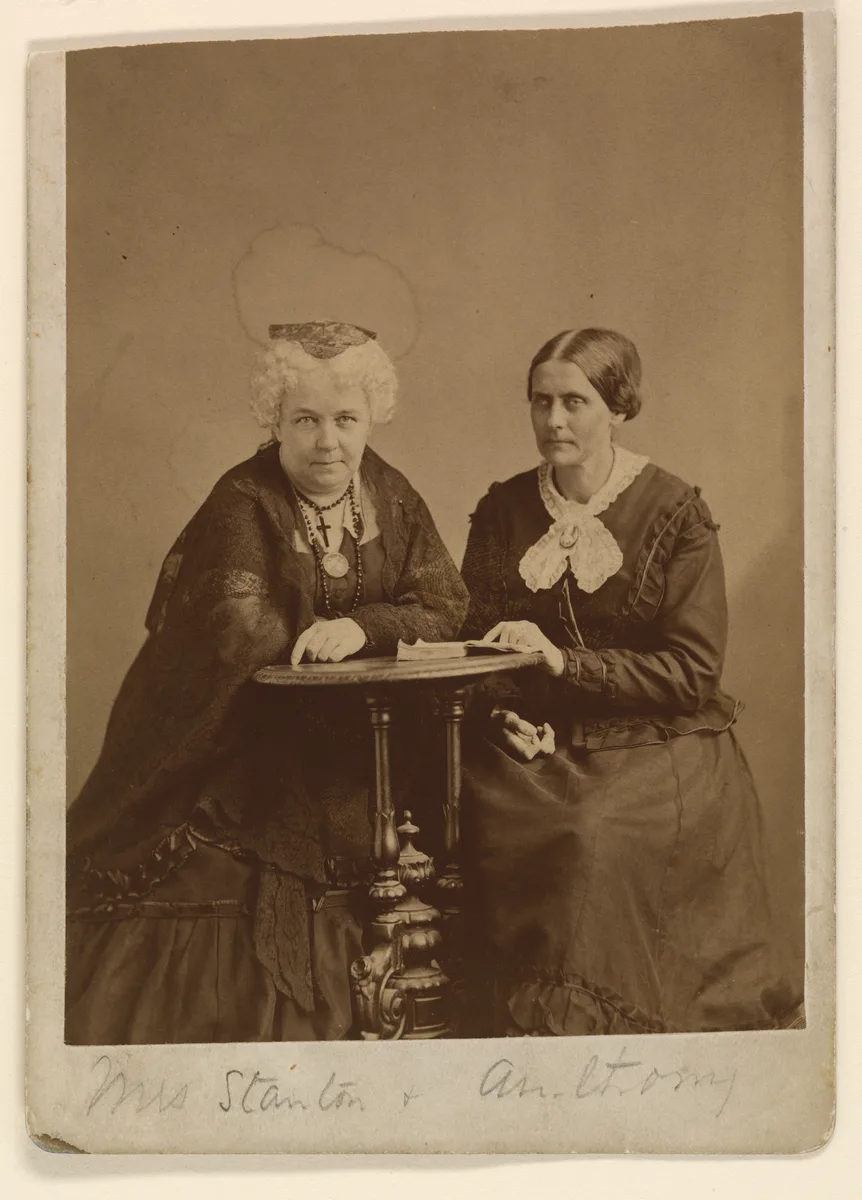 **Susan B. Anthony**, a tireless advocate for women's rights, emerged in the mid-19th century as a leading figure in the women's suffrage movement. From her pivotal role at the **Seneca Falls Convention** in 1848, she dedicated her life to challenging the legal and social structures that denied women political and economic agency. Anthony famously cast a ballot in the 1872 presidential election, deliberately breaking the law to protest women's disenfranchisement, leading to her arrest and trial. Her relentless activism, public speeches, and organizational prowess laid the groundwork for the eventual passage of the **19th Amendment** in 1920, granting women the right to vote, a monumental achievement that fundamentally altered the American political landscape.
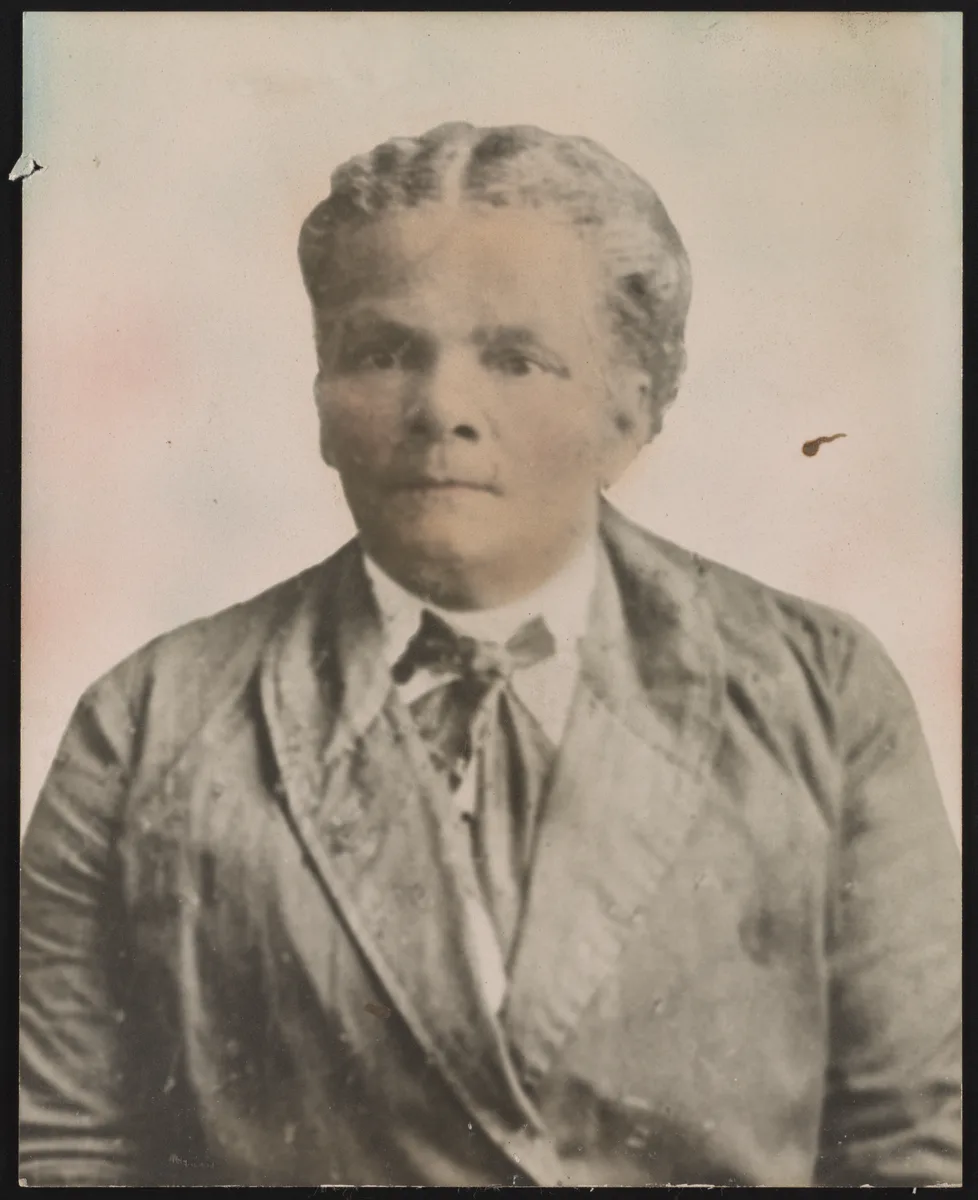 Decades later, in a segregated South, a simple act of defiance ignited a nationwide movement. **Rosa Parks**, a seamstress and NAACP activist, refused to give up her seat to a white passenger on a Montgomery, Alabama, bus on **December 1, 1955**. Her quiet courage sparked the **Montgomery Bus Boycott**, a 381-day protest that garnered national attention and ultimately led to the desegregation of public transit. Parks' actions, though seemingly small, served as a powerful catalyst for the modern Civil Rights Movement, demonstrating the profound impact of non-violent civil disobedience and inspiring millions to challenge entrenched racial injustice, proving that individual acts of bravery can indeed change the course of history.
Shaping the Modern State: Progressive Ideals and Global Power
As the United States hurtled into the 20th century, rapid industrialization brought immense wealth but also stark inequalities, environmental degradation, and the unchecked power of corporate trusts. The nation needed a leader with the vision and vigor to navigate these new complexities, to tame the excesses of the Gilded Age, and to assert America’s growing influence on the world stage. That leader was Theodore Roosevelt.
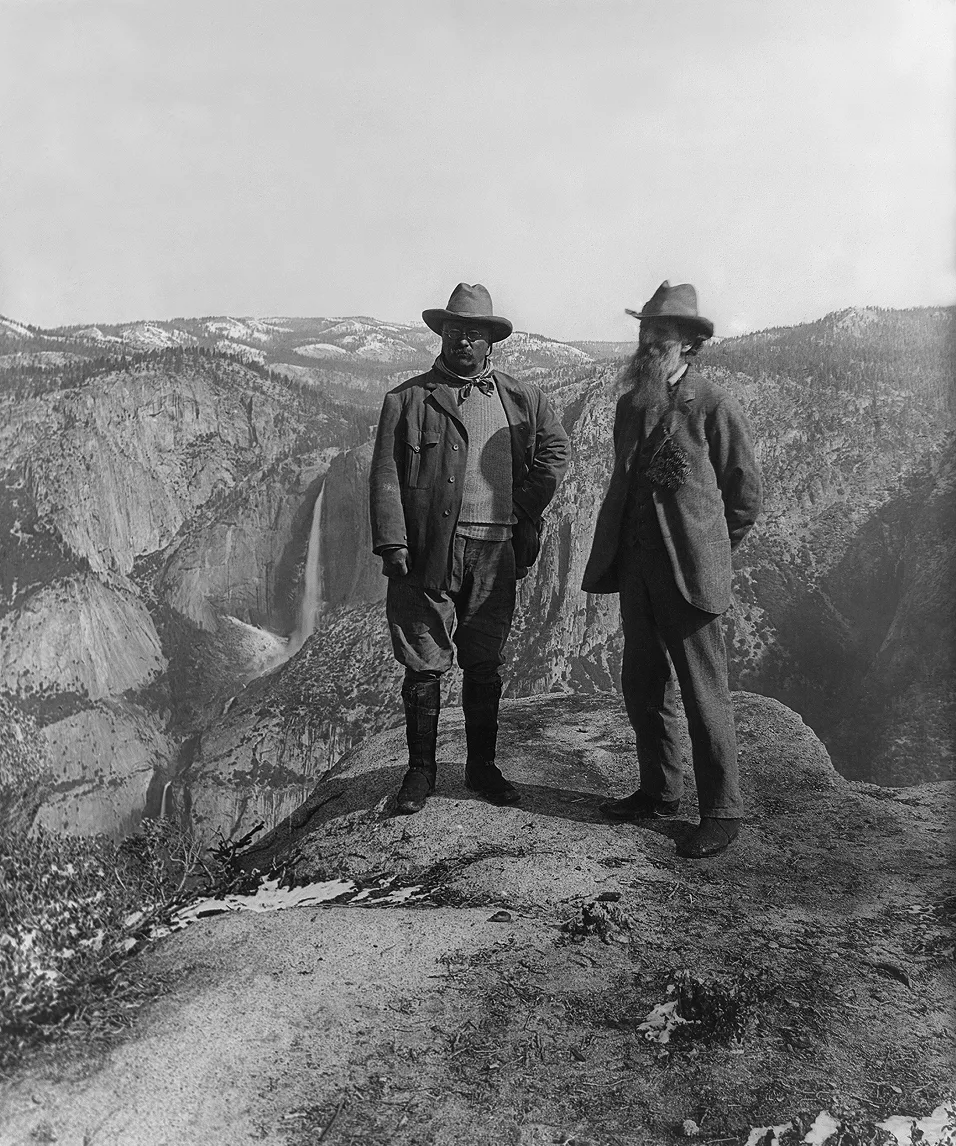 **Theodore Roosevelt**, the dynamic 26th President, served from 1901 to 1909, embodying the Progressive Era's spirit of reform. A man of boundless energy and intellectual curiosity, TR challenged the notion of unchecked corporate power, earning the moniker "trust-buster" for his efforts to dismantle monopolies like Standard Oil. His "Square Deal" domestic policy aimed to protect consumers, regulate businesses, and conserve natural resources, leading to the creation of the **National Park System** and significant environmental protections. On the global stage, Roosevelt projected American power with the construction of the **Panama Canal** and his "Big Stick" diplomacy, transforming the U.S. into a major player in international affairs. His progressive reforms and assertive foreign policy fundamentally reshaped the role of the presidency and established the groundwork for the modern American state.
Navigating Catastrophe: Depression, War, and the Rise of the Welfare State
The 20th century brought unprecedented challenges: a devastating economic collapse at home and a global conflict that threatened democracy worldwide. The nation demanded a leader capable of restoring hope, rebuilding the economy, and leading it through the darkest hours. This monumental task fell to Franklin Delano Roosevelt.
Franklin D. Roosevelt (FDR), the 32nd President, served an unprecedented four terms from 1933 to 1945, guiding the nation through the Great Depression and World War II. Upon taking office amidst widespread despair, he launched the New Deal, a series of ambitious programs designed to provide relief, recovery, and reform. Initiatives like the Civilian Conservation Corps, Social Security, and the Tennessee Valley Authority fundamentally reshaped the relationship between the government and its citizens, establishing the foundations of the modern American welfare state and demonstrating a profound commitment to social safety nets. When war engulfed the globe, FDR rallied the nation, transforming America into the “arsenal of democracy” and playing a pivotal role in the Allied victory, cementing the United States’ position as a global superpower. His fireside chats, delivered directly to the American people, fostered a sense of unity and resilience, proving his unparalleled ability to connect and lead during times of profound crisis.
A Dream Deferred, A Dream Realized: The Fight for Civil Rights
Despite the legislative gains following the Civil War, racial segregation and discrimination persisted, particularly in the South, denying African Americans their fundamental rights and dignity. The mid-20th century saw the crescendo of a long and arduous struggle, culminating in a movement that captured the moral conscience of the nation. At its heart was the eloquent and courageous voice of Martin Luther King Jr.
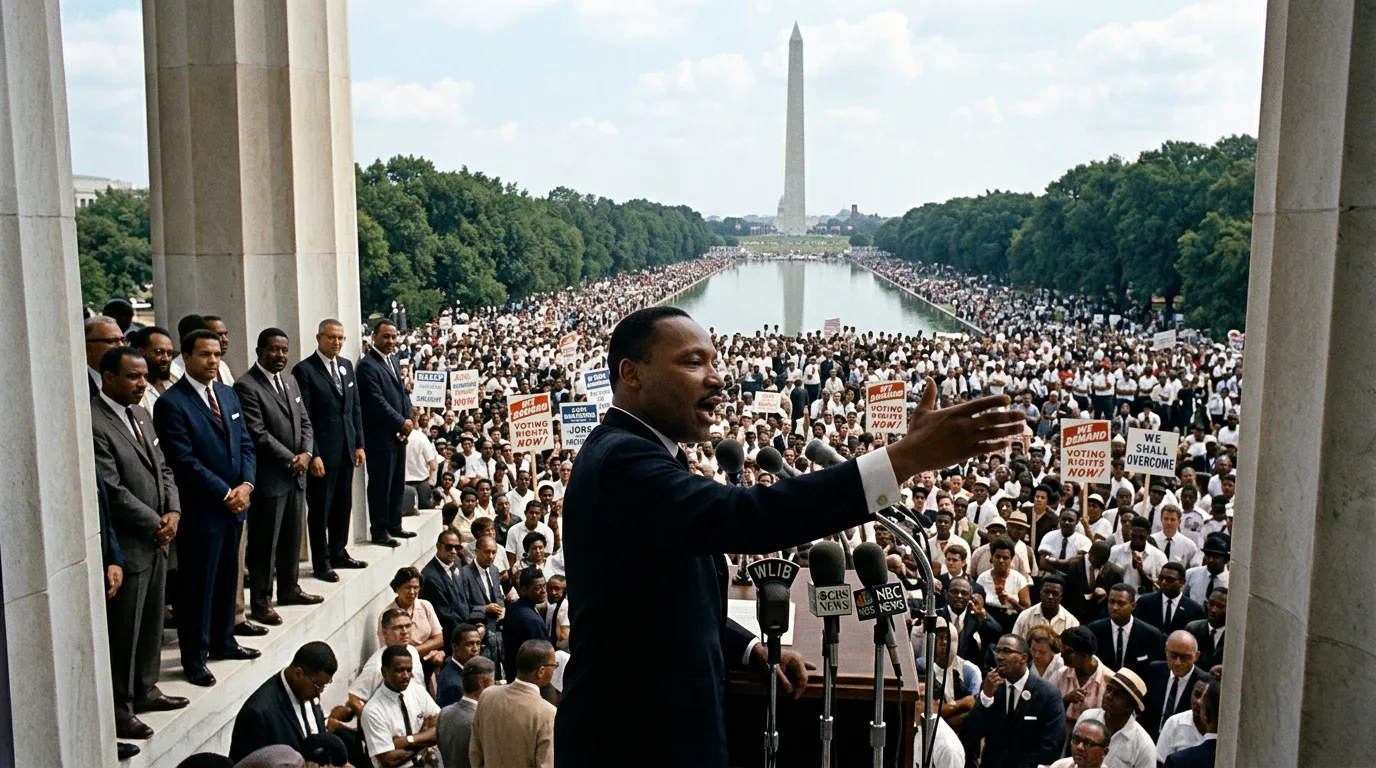
Martin Luther King Jr., an eloquent Baptist minister, became the most prominent leader and spokesperson of the Civil Rights Movement from the mid-1950s until his assassination in 1968. Inspired by Mahatma Gandhi’s philosophy of non-violent civil disobedience, King organized and led numerous protests, boycotts, and marches, including the iconic March on Washington for Jobs and Freedom in 1963, where he delivered his transcendent “I Have a Dream” speech. His tireless advocacy, moral authority, and strategic brilliance were instrumental in pushing for landmark legislation such as the Civil Rights Act of 1964 and the Voting Rights Act of 1965, which dismantled legal segregation and protected voting rights for African Americans. King’s unwavering commitment to justice and equality, even in the face of violent opposition, fundamentally transformed American society and continues to inspire struggles for human rights around the world, making him one of the 10 most important people in US history.
Conclusion: Echoes of Influence – The Enduring Legacy of These Pivotal Figures
From the revolutionary ideals of the Founding Fathers to the transformative social movements of the 20th century, the United States has been continuously shaped and reshaped by individuals of extraordinary vision and courage. George Washington set the precedents for leadership, Thomas Jefferson articulated the nation’s core ideals, and Alexander Hamilton built its economic backbone. Abraham Lincoln preserved its union and expanded its definition of freedom, while Frederick Douglass gave voice to the enslaved. Susan B. Anthony fought for women’s suffrage, and Rosa Parks sparked a movement for racial justice. Theodore Roosevelt modernized the state and asserted its global presence, Franklin D. Roosevelt navigated unprecedented crises, and Martin Luther King Jr. led the charge for true equality.
These ten figures, each in their own distinct way, challenged the status quo, championed fundamental rights, and steered the nation through its most perilous junctures. Their decisions, speeches, and sacrifices are not merely historical footnotes; they are the very DNA of the American experience, informing our debates, inspiring our aspirations, and reminding us that the ongoing journey toward a more perfect union is a testament to the enduring power of individual will and collective action. Their legacies serve as a powerful reminder that history is not a static narrative, but a living dialogue between the past and the present, continually informed by the indelible marks left by these pivotal figures.
You might also like:
👉 100 Most Influential People: Shapers of Human History & Future
👉 Michael Hart’s 100 Most Influential: Architects of History
👉 Biggest Unsolved Crimes in US History: Mysteries That Endure