The 1960s Counterculture: Groovy Science's Secret Origin
Discover how the American counterculture, rising in the 1960s, challenged norms and became the electric seed for innovation, rejecting corporate culture and nuclear war fears.
The Electric Seed: How Counterculture Wired American Innovation
On August 14, 1945, Times Square filled with joyous crowds. World War II had ended. America entered an era of prosperity and technological growth. Yet, beneath the suburban calm and Cold War fears, a different current began to flow.
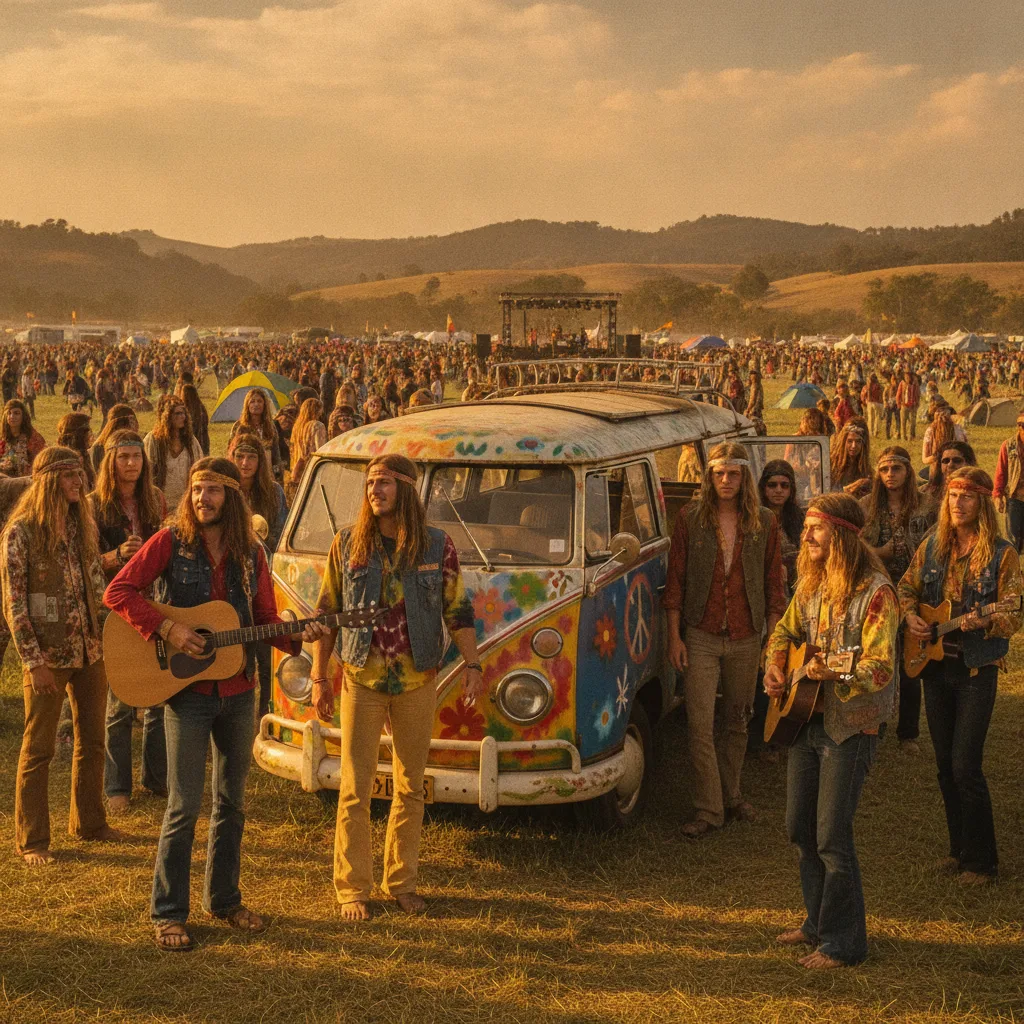
This was the American counterculture, rising in the 1960s. Young people questioned authority. They challenged their parents’ values. They rejected corporate culture and the threat of nuclear war. This generation sought new ways to live. They explored different thoughts and societal structures. Often, they looked beyond traditional institutions for answers.
The counterculture didn’t just stay in communes or protest marches. It embraced science and technology, seeing these fields through a radical lens. This sparked unexpected innovations. It created the basis for many tools we use today. The story largely happened in California, especially around the San Francisco Bay Area. Here, scientists, artists, and self-proclaimed gurus mixed. They created a unique “groovy science.”
1. A nation shifts
By the mid-1950s, America hummed with economic life. Post-war money fueled suburban growth. Mass media pushed a standardized lifestyle. Families moved into new homes. Buying things became a national hobby. At the same time, the Cold War loomed large. Nuclear drills were common in schools. Fear shaped public talk. The government and big corporations drove scientific research, often for military or industrial goals.
Many young Americans hated this setup. They saw a society obsessed with stuff. They questioned the Vietnam War. They wanted deeper meaning than a corporate job. This growing counterculture rejected the main story. They turned to other philosophies. Eastern religions became popular. New art and music exploded. They championed peace, environmentalism, and social justice. This spirit encouraged experiments. It pushed them to rethink everything.
Academics and government researchers still chased advanced science, yet the counterculture saw technology differently. They imagined tools for personal freedom. They envisioned systems for community good. This created a good environment for radical ideas. These ideas often grew outside traditional institutions.
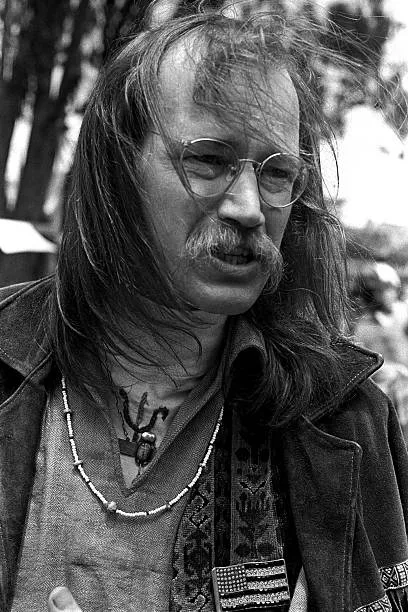
In the 1960s, American counterculture communes offered alternative ways of living, rejecting mainstream society and fostering environments where new ideas, including those related to science and technology, could freely develop outside traditional institutions. (Source: gettyimages.com)
2. Psychedelics and the mind
In 1960, Timothy Leary, a psychology lecturer, arrived at Harvard. He started the Harvard Psilocybin Project. Leary studied the therapeutic power of hallucinogenic drugs like psilocybin and LSD. His colleagues, including Richard Alpert, joined the work. They experimented with prisoners and graduate students. Their early results hinted at deep benefits for mental health.
Leary’s research quickly left the lab. He pushed for widespread psychedelic use. He believed these drugs could unlock consciousness. They could encourage spiritual growth. This idea hit home with the counterculture. Ken Kesey, author of One Flew Over the Cuckoo’s Nest, embraced LSD. Kesey and his Merry Pranksters held “acid tests.” These were communal drug experiences. They explored altered perception. The Pranksters used LSD to shatter social norms and dissolve old ways of thinking.
The scientific world soon rejected Leary. Harvard fired him in 1963. The government outlawed LSD in 1966. While this pushed psychedelic exploration deeper into the counterculture, the initial scientific questions had sparked a huge cultural shift. Millions were inspired to experiment with their own minds. This time expanded what people understood about consciousness. It opened new paths for psychological and spiritual discovery outside traditional science.
3. The Whole Earth Catalog: tools for a new world
In 1968, Stewart Brand published the first Whole Earth Catalog. Brand was a former Stanford biology student and a Merry Prankster. The catalog quickly became a counterculture bible. It reviewed books, tools, and resources. These ranged from geodesic dome kits to organic gardening guides. Brand’s motto was simple: “Access to Tools.” He imagined a world where individuals could empower themselves and build self-sufficient lives.
The Whole Earth Catalog championed Buckminster Fuller’s ideas. Fuller, an architect and futurist, pushed for “design science” and “doing more with less.” His geodesic domes symbolized efficiency and communal living. The catalog blended ecological awareness with practical technology. It promoted solar energy, composting toilets, and artisanal crafts. It connected seemingly different fields: cybernetics, systems theory, and alternative agriculture. Fred Turner, in From Counterculture to Cyberculture, points out the catalog’s role. It linked self-sufficiency with tech know-how.
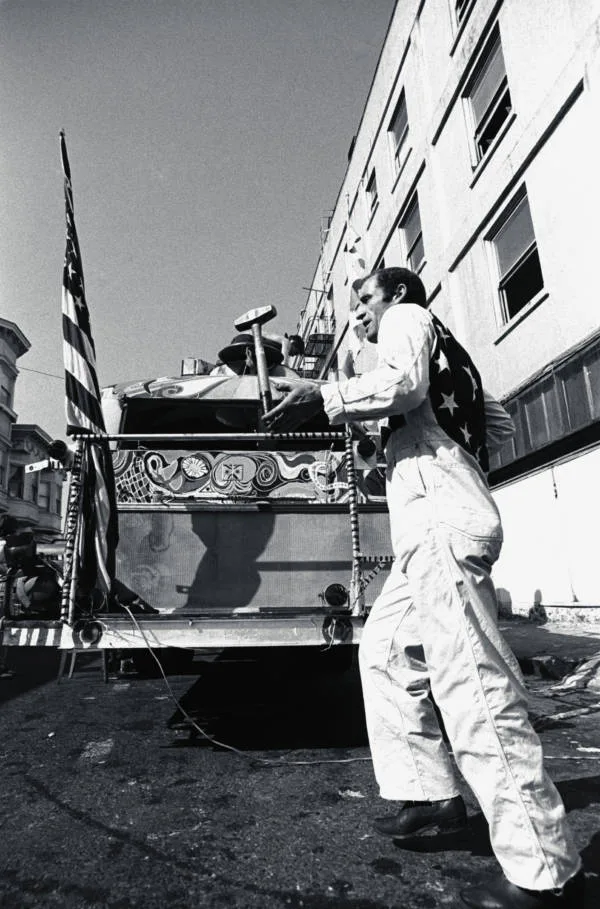
Led by author Ken Kesey, the Merry Pranksters were a vibrant group of counterculture figures who famously traveled across the U.S. in their psychedelic bus 'Furthur,' hosting 'acid tests' to explore altered states of consciousness and challenge social norms. Their communal drug experiences became a defining symbol of the 1960s counterculture's embrace of psychedelic exploration and social experimentation. (Source: reddit.com)
The catalog’s success showed a hunger for decentralized knowledge. It showed a desire for practical invention. It created a network for people to share information. This sharing often skipped mainstream media and academic channels. The Whole Earth Catalog encouraged a DIY spirit. It democratized access to tools and ideas. This approach later shaped the personal computing movement.
4. Cybernetics: hippies meet hackers
In December 1968, Doug Engelbart put on “The Mother of All Demos” at the Fall Joint Computer Conference. Engelbart, from the Stanford Research Institute (SRI), showed networked computing, hypertext, and the computer mouse. He showed how people could work together using machines. This was a wild vision of human-computer interaction. It predicted many features of today’s internet. Engelbart’s work grew from early cybernetics research. Norbert Wiener had coined “cybernetics” in 1948. It described the science of communication and control.
J.C.R. Licklider, an MIT psychologist, also shaped early computing. In 1960, Licklider imagined “man-computer symbiosis.” He later became a key figure at ARPA, which funded the ARPANET, the internet’s ancestor. These researchers saw computers as tools to boost human intelligence. They believed in solving problems together. This fit perfectly with counterculture ideas of community. Stewart Brand saw this potential early. In 1972, he called computers “psychedelic tools,” believing they could expand human perception.
The counterculture adopted a budding “hacker ethic.” This ethic prized open information sharing, tinkering, and customization. It pushed back against proprietary systems. This spirit began to blend with the formal computer science world. The idea of connected people, sharing knowledge freely, deeply appealed. It blurred the lines between academic research and a radical social vision. This blend created the basis for a democratized internet.
5. Communes to code: Silicon Valley’s start
In March 1975, the Homebrew Computer Club met for the first time. This gathering happened in a Menlo Park garage. It pulled in electronics hobbyists and counterculture figures. Steve Wozniak and Steve Jobs were among them. Both were deeply shaped by the counterculture. Wozniak, a brilliant engineer, wanted to make computers accessible. Jobs, with his marketing smarts, saw a new industry brewing. They later founded Apple Computer. Their goal was to put computing power into everyone’s hands.
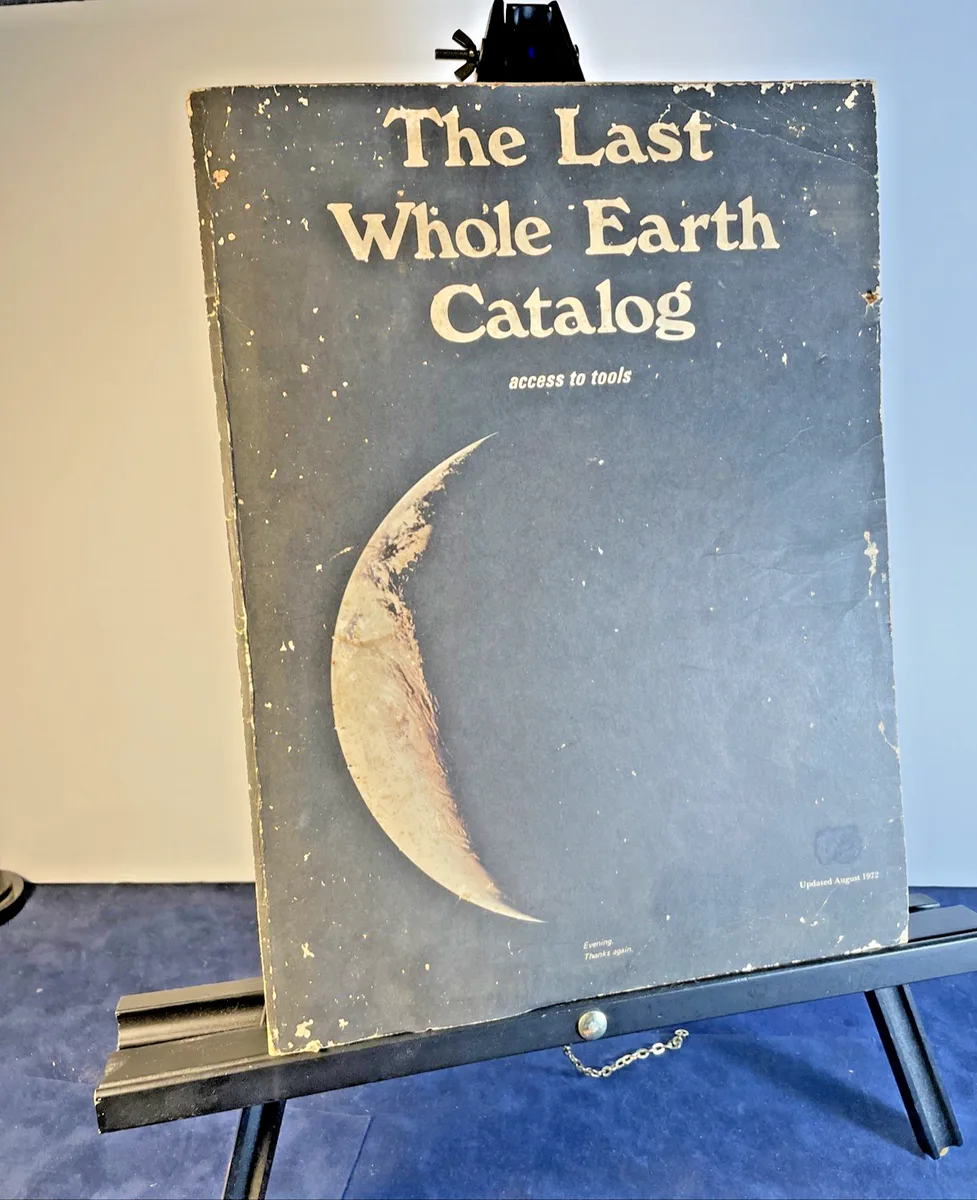
The *Whole Earth Catalog* was a groundbreaking counterculture publication that served as a 'paper precursor to the internet,' offering tools, reviews, and ideas for self-sufficiency and decentralized knowledge. It famously inspired Steve Jobs, who called it 'Google in paperback form.' (Source: ebay.com)
The Homebrew Computer Club truly lived the DIY spirit of the Whole Earth Catalog. Members shared schematics and traded software. They worked together to build personal computers. John Markoff’s book, What the Dormouse Said, details this link. He shows how the psychedelic experience shaped early tech pioneers. The counterculture’s anti-establishment view fueled a hunger for personal computing. They wanted to strip power from big corporations and governments. They rejected the idea that only specialists could use computers.
This era gave birth to the personal computer industry. It came straight from technology meeting counterculture values. The hacker ethic of free information and open systems became its bedrock. It challenged old business models. It cleared the path for a tech revolution. The dream of a computer on every desk sprang from these “groovy” beginnings.
6. The counterculture’s lasting tech legacy
The counterculture’s influence didn’t vanish with the 1970s. Its core ideas — decentralization, open information, ecological awareness — kept resonating. By the 1990s, the World Wide Web began to appear. Its design mirrored many counterculture ideals. It offered a platform for global information sharing. It made collaboration and community building easier. Early internet pioneers often held these same values. They believed in a free, open digital space.
The open-source software movement is another direct heir. Figures like Richard Stallman championed free software. This movement promoted code anyone could use, modify, and distribute. It fought against corporate ownership of digital tools. This principle directly echoed the Whole Earth Catalog’s “Access to Tools” philosophy. It also reflected the Homebrew Computer Club’s hacker ethic. Environmentalism, another counterculture cornerstone, still drives innovation. Sustainable technology and green energy research grew from those very roots.
Today, the internet’s decentralized nature still fights corporate control. Yet, the original vision lives on. Wikipedia’s collaborative spirit carries this legacy. So does the open access of countless online communities. And the ongoing push for digital privacy. The “groovy” science of the counterculture didn’t just create new gadgets. It gave us a philosophy. This philosophy still shapes how we think about technology’s role in society. It reminds us of tech’s power for liberation and connection.
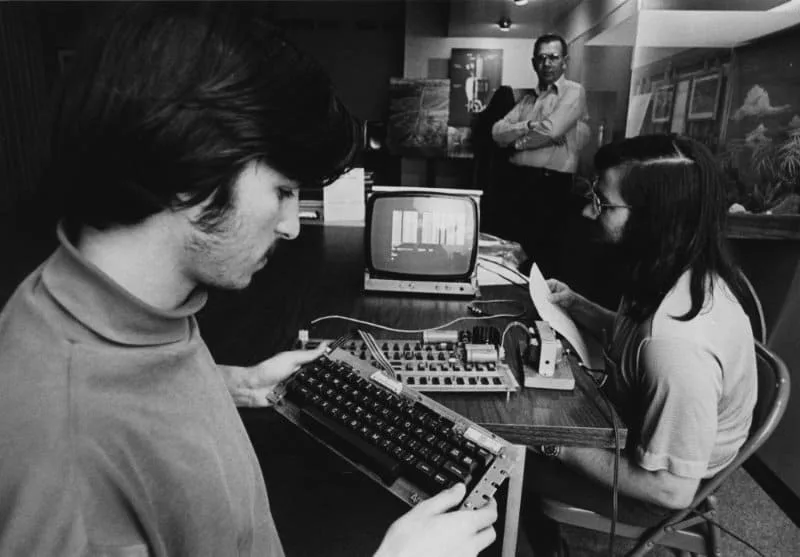
The Homebrew Computer Club, founded in 1975, was a pivotal gathering of computer hobbyists and engineers in Silicon Valley. Its members, including future Apple co-founder Steve Wozniak, shared schematics and ideas, directly fostering the DIY spirit that led to the personal computer revolution. (Source: cultofmac.com)
FAQ
Q: What was the main goal of the American counterculture? A: The counterculture challenged mainstream values of conformity and consumerism. They wanted personal liberation, social justice, and new ways of living. This often meant rejecting corporate and governmental authority.
Q: How did psychedelics influence science and culture? A: Early scientific research explored psychedelics’ healing potential for mental health. When these studies were banned, the counterculture embraced them to expand consciousness. This sparked widespread cultural experimentation and new perspectives on the mind.
Q: What was the significance of the Whole Earth Catalog? A: The Whole Earth Catalog was a counterculture publication that reviewed tools and resources. It pushed self-sufficiency, ecological awareness, and decentralized information sharing. It sparked a DIY approach to technology and life.
Q: How did the counterculture connect with early computing? A: Counterculture figures, like Stewart Brand, saw computers as tools for freedom and collaboration. They embraced the “hacker ethic”: open information and customization. This ethos directly shaped early personal computing pioneers like Steve Wozniak and Steve Jobs.
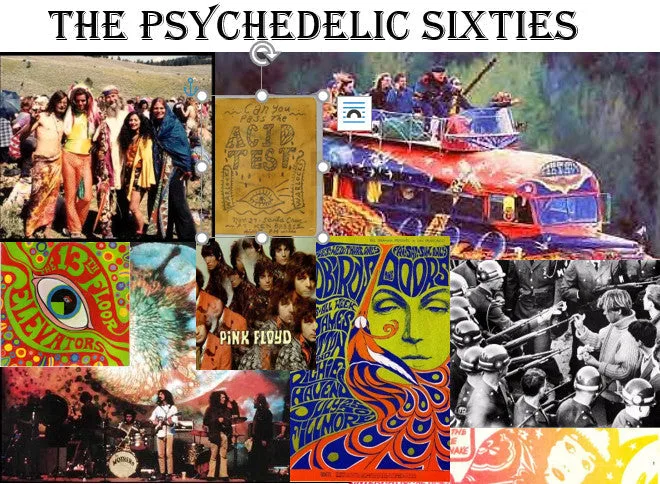
Psychedelics like LSD were initially explored by scientists for their therapeutic potential in mental health before becoming a central element of the 1960s counterculture for consciousness expansion, bridging scientific inquiry with cultural experimentation. (Source: mushroomsok.com)
You might also like: