Your Body Image: 2022 Data Reveals Deeper Roots
Beyond social media's grip, a 2022 report uncovers the complex historical, evolutionary, and personal roots of our body image ideals.
Beyond the Mirror: Our complex relationship with body image
How do we see our bodies? It’s a complex question. Many believe modern media, especially social platforms, sets our beauty standards. People say this media influence makes us unhappy with our bodies. That’s partly true; media certainly shapes how we see things. But this story isn’t complete. It misses deeper historical, evolutionary, and personal reasons for our beauty ideals.
The ideal everywhere: What we think we know
A 2022 report by the American Psychological Association found that social media use correlates with increased body image concerns. This matches what many believe: constant exposure to perfect images creates impossible ideals. Instagram and TikTok, for example, bombard users with specific body types, often digitally enhanced. This constant visual input can hurt self-esteem, especially for young people.
Body image isn’t just a modern thing, though. Societies have always had specific beauty standards, long before screens existed. Understanding these factors is complex. We need to look beyond our screens for the full story.
Ancient roots: What we wanted before screens
In 1989, evolutionary psychologist Dr. David Buss published “Sex Differences in Human Mate Preferences.” His study involved over 10,000 people across 37 cultures. It revealed surprising universal preferences. Men consistently valued physical attractiveness in mates more than women. This suggests an innate, perhaps evolutionary, part of how we judge beauty.
These preferences include specific markers like a low waist-to-hip ratio in women. They also include signs of health and youth. According to evolutionary theory, these traits signal fertility and genetic fitness. Dr. Buss’s findings came before widespread internet use. They show that some beauty evaluations are deeply ingrained, not just products of modern advertising. The desire for symmetry and clear skin, for instance, crosses cultural lines and historical periods.
The cultured body: Changing ideals, constant pursuit
Classical Greece, around the 5th century BCE, offers a great historical example of body aesthetics. Sculptures like Polykleitos’s Doryphoros presented an ideal of a muscular, proportionate male physique. These weren’t random choices. They represented virtues like strength, balance, and civic readiness. This ideal wasn’t driven by mass media. It came from philosophical and cultural values.
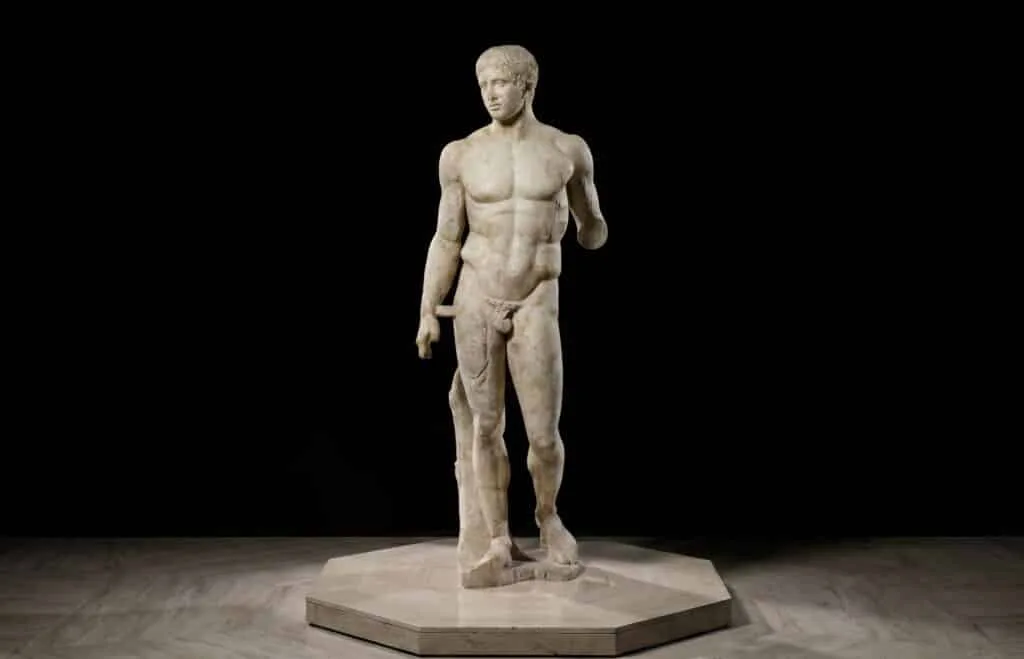
Polykleitos's Doryphoros, or 'Spear-Bearer,' is a prime example of Classical Greek body aesthetics from the 5th century BCE. This iconic sculpture embodied ideals of strength, balance, and civic virtue through its perfectly proportioned male physique, offering a historical contrast to modern beauty standards. (Source: greekreporter.com)
Fast forward to the European Renaissance, specifically the 15th and 16th centuries. Here, a fuller female figure, often with ample curves, symbolized fertility and prosperity. Rubens’ paintings dramatically illustrate this look. Then, Victorian England in the 19th century embraced the tightly corseted, slender waist and elaborate gowns. These shifting ideals show that specific beauty standards depend on culture. Yet, the pursuit of an ideal, and the social value of achieving it, stays constant across eras. Dr. Stuart Murray, a cultural studies scholar, says bodies are “embodied identities.” They reflect and project cultural values.
Beyond looking good: Performance, identity, and strength
Many believe we chase beauty ideals only for external validation. They think people exercise, diet, or change their looks just to please others. However, a 2019 survey by PureGym in the UK revealed different reasons. 71% of respondents said “getting stronger” was their main reason for working out. “Improving physical health” followed closely at 67%. “Looking better” ranked third at 54%.
These numbers show that internal motivations matter a lot. Athletes, for example, build specific bodies for performance, not just looks. A gymnast’s lean, powerful build helps agility. A strongman’s bulk lets him lift heavy weights. Their bodies are tools. Likewise, subcultures like punk or goth use specific styles to signal identity and belonging. These choices often go against mainstream beauty standards. They are acts of self-expression and community building.
People also seek aesthetic changes for personal mastery. Many gym-goers feel strong and confident after hitting strength goals. This internal accomplishment often feels better than external compliments. Dr. Kelly McGonigal, a health psychologist, points out the psychological benefits of physical activity. These include better mood and self-efficacy. This internal drive makes the simple “media-driven dissatisfaction” model less simple.
Pressure on everyone
Discussions about body image usually focus on women. Historical analyses and media critiques often highlight how women struggle with unrealistic beauty standards. However, a 2019 study in JAMA Psychiatry showed worrying data. It revealed a significant increase in muscle dysmorphia among young men. Muscle dysmorphia is a body image disorder. People with it see themselves as small and unmuscular, no matter their actual build.
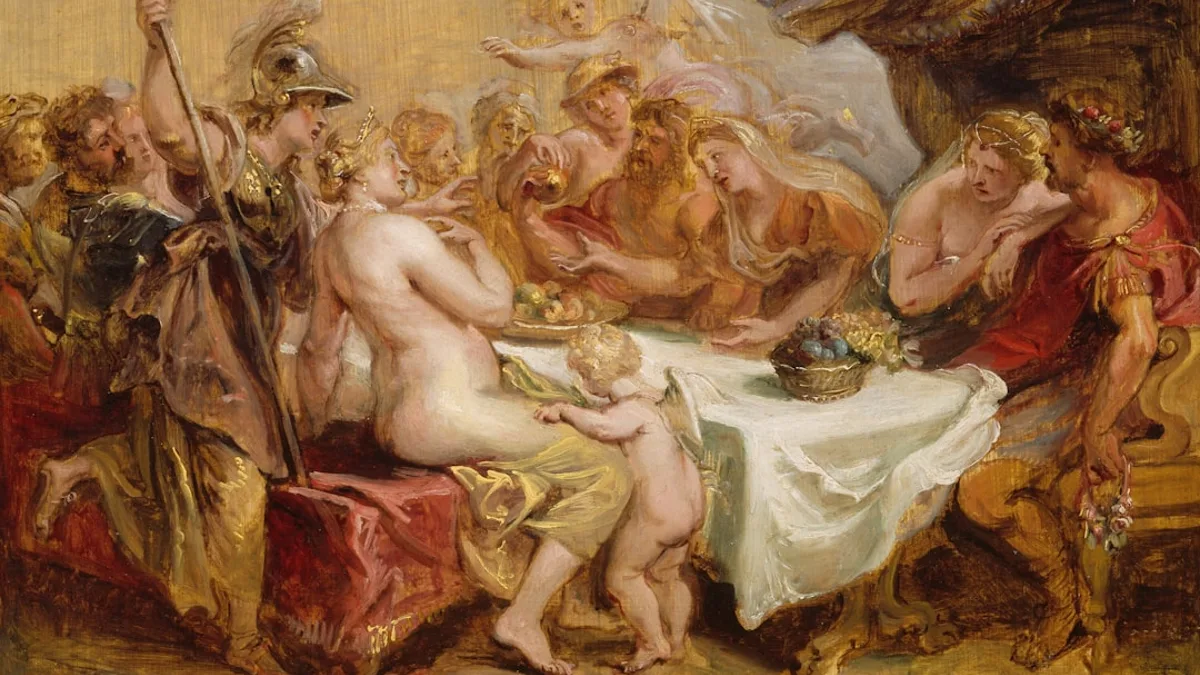
Peter Paul Rubens, a master of the European Renaissance, was renowned for his opulent and often voluptuous depictions of the female form, which at the time symbolized fertility, prosperity, and health. (Photo: Art Institute of Chicago / Unsplash)
This study tracked trends over decades. It showed that men face growing pressure to achieve lean, muscular physiques. Social media, fitness influencers, and even superhero films feed this ideal. Psychologist Dr. Harrison Pope Jr., a leading expert on body image in men, has studied this extensively. He notes that men’s body dissatisfaction often appears as a desire for more muscle. Women’s dissatisfaction often centers on thinness.
These distinct but equally intense pressures point to a bigger societal problem. Body image concerns aren’t just for one gender. They affect more people than we usually admit. The ideal, whether thin or muscular, often feels impossible to reach.
Questions about body image
What is body image? Body image is how you personally see your physical appearance. It includes your thoughts, feelings, and beliefs about your body. This can be very different from how others see you.
How does culture shape ideals? Culture gives us frameworks for what’s considered beautiful or desirable. These ideals change across time and places. They influence fashion, art, and social expectations about how we look.
Can body image be positive? Yes, positive body image means appreciating and respecting your body. It means focusing on what your body can do and its health, not just how it looks. This mindset helps promote self-acceptance and well-being.
Are men affected differently than women? Men and women often face different societal pressures about their bodies. Women typically feel pressure for thinness. Men frequently feel pressure for muscularity and leanness. Both can lead to dissatisfaction and disorders.
Reclaiming our bodies: A path forward
The evidence shows body image is far more complex than just a media-driven thing. Media influence is real, but it’s just one thread. We see ancient, evolutionary roots of attraction. We also observe cultural ideals that have shifted throughout history. Also, personal reasons for chasing beauty are diverse. They include performance, identity, and personal strength, not just external validation.
A complete understanding sees media’s role in boosting certain ideals. It also acknowledges deeper psychological and social forces. We need to move beyond simple critiques. This means promoting media literacy. It also means encouraging appreciation for diverse bodies and internal motivations. Individuals can then take charge of their relationship with their bodies. This helps them seek health, strength, and self-expression. A society that values the whole person, not just a superficial ideal, builds genuine well-being.
Dr. Harrison Pope Jr., a leading psychiatrist and researcher, is renowned for his extensive work on body image in men, including co-authoring 'The Adonis Complex,' which explores muscle dysmorphia and the pursuit of an idealized male physique. (AI-generated illustration)
You might also like:
👉 Unplugging for $800 Billion: The 2023 Digital Detox Boom