
Zuckerberg's 2021 Meta: Why Your Virtual Self Isn't Free
Mark Zuckerberg's October 2021 Meta rebrand promised total freedom. But this digital world doesn't let you build an entirely new identity.
The metaverse mirror: our digital selves still reflect reality
Mark Zuckerberg made a big splash in October 2021, announcing Meta’s rebrand. This move spread the idea that the metaverse offers great freedom for personal reinvention. Many believe this digital world lets people build entirely new identities. They think users are not limited by physical appearance or real-world limits. Users could change their everyday selves and become anyone or anything.
This popular idea misses an important point. Our physical and digital lives are deeply connected. The metaverse is a network of lasting, interactive virtual worlds in 3D. It combines social connections, gaming, entertainment, and commerce. A virtual identity is the persona a user takes on in these digital places, often as an avatar. While the metaverse gives us strong ways to express ourselves, our core psychology and the platforms themselves strongly influence our virtual selves. It is not a blank slate.
The promise of a new self
People have liked the idea of a completely new self in virtual spaces for decades. Early online communities and games, like Second Life (launched in 2003), let users create detailed avatars. These platforms let people craft looks very different from their physical selves. This freedom was more than just looks. Users could explore new social roles and different gender presentations.
Avatars are a strong way to change how they look. Users can try out fantasy forms, different body types, or even non-human identities. This can be a meaningful experience for self-discovery. Dr. Rachel Kowert, research director for Take This, an organization focused on mental health in games, sees this potential. She says virtual worlds offer a valuable space for experimentation. They also allow for identity exploration.
This freedom does not automatically remove our core psychology. Our basic needs and how we see ourselves often guide these virtual choices. The desire for a new self often comes from a wish to improve our real-world identity. It does not come from a wish to completely abandon it. A fully unrestrained reinvention often proves harder than people expect.
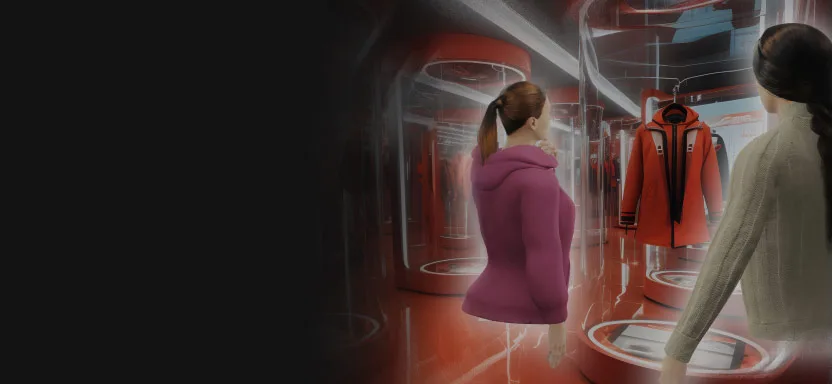
Metaverse avatars allow users to craft digital personas that can vastly differ from their physical selves, offering a powerful tool for self-discovery and experimentation with new identities, as discussed in the article. (Source: aetsoft.net)
Our real world in digital spaces
Data from various virtual places shows a clear connection to real-world identity. Many users craft avatars that match their existing self-image or a version they want to be. They want improvement, not a full break. For instance, a 2020 study in Computers in Human Behavior looked at avatar creation. Yong-Gyun Kim and his colleagues found that users often design avatars that show their “ideal self.” This ideal self is usually an improved version of their real self. It is not a completely different one.
This shows a desire to improve, not to detach completely. Our consistent personality often decides how we present ourselves, even in virtual worlds. Dr. Tom Boellstorff, a professor of anthropology at the University of California, Irvine, studied many Second Life users. His book, Coming of Age in Second Life, shows how users often bring their social status or desire for recognition from their physical lives. Their virtual identities help them get similar status. Sometimes, they make up for real-world shortcomings, instead of just ignoring them.
Money and cultural differences also shape virtual identity choices. Fancy avatars, exclusive digital fashion, or special metaverse experiences often require real-world cash. This creates economic divides within virtual spaces. Bloomberg Intelligence predicted the metaverse market would reach $800 billion by 2024. This figure shows how much money shapes identity options. Fancy looks and certain ways to express yourself cost more. Richer users can get them. This money influence limits the “boundless” identity freedom.
The platform’s hidden hand
Metaverse platforms themselves greatly control identity formation. Their design and policies guide user behavior. For example, Roblox, a popular platform, has strict rules for the community. These standards define acceptable content and interactions. These rules limit self-expression.
Algorithms also play a big role. Recommendation systems and content curation within platforms guide user choices. If a platform promotes specific looks, communities, or activities, users are more likely to adopt them. Shoshana Zuboff’s work on surveillance capitalism explains this. Platforms collect much data on user preferences. They then use this data to influence the virtual environment. This influences what identities users see. It also influences what identities users might pick.

Dr. Tom Boellstorff, a professor of anthropology at the University of California, Irvine, is a leading scholar on virtual worlds. His book, *Coming of Age in Second Life*, details how users often transfer their real-world social status and aspirations into their virtual identities. (Source: socsci.uci.edu)
Platform terms of service and moderation policies also limit identity. Platforms like Meta’s Horizon Worlds have strict community guidelines. These rules define acceptable behavior, appearance, and expression. Hate speech, harassment, and certain controversial self-presentations are not allowed. Even if a user wants to “be” something controversial, these rules set limits. Technology also limits identity changes. Current avatar tech, rendering, and interoperability between platforms are still developing. Users are often limited to available assets, templates, and how good the graphics are. Matthew Ball, author of The Metaverse: And How It Will Revolutionize Everything, notes that true interoperability and boundless creation are still far off. These technical limits directly impact how much users can truly change from existing molds.
Identity: a changing extension
The evidence suggests virtual identity is neither a complete break from the self nor just a mirror. Instead, it works as a changing extension. It is shaped by both internal desires and external limits. While not a blank slate, virtual spaces offer a good place for identity exploration. A study from the University of Jyväskylä in Finland looked at avatar identity in World of Warcraft. It found that players often used their avatars to explore parts of themselves not possible in real life. For example, they explored leadership roles or different social interactions. This is a form of change, but it often connects back to existing personality traits.
Many users want an authentic feel in their virtual selves. This means their virtual identity feels real to them, even if it looks different from their physical body. Dr. Nick Yee, co-founder of Quantic Foundry, has studied player motivations extensively. He notes that self-expression and identity play a big role. Still, this rarely means a total abandonment of who they are. Users want their virtual self to feel true to their inner sense of self. Or they want it to feel true to who they want to become.
As metaverse technology advances, the lines between physical and virtual identities will blur further. This future will likely involve a more complex connection between these areas. We should focus on understanding this complex connection. It is better than assuming we’ll completely leave our established selves behind. The metaverse offers strong tools for self-expression and connection. Still, our human nature and the structures we build will keep shaping our digital selves.
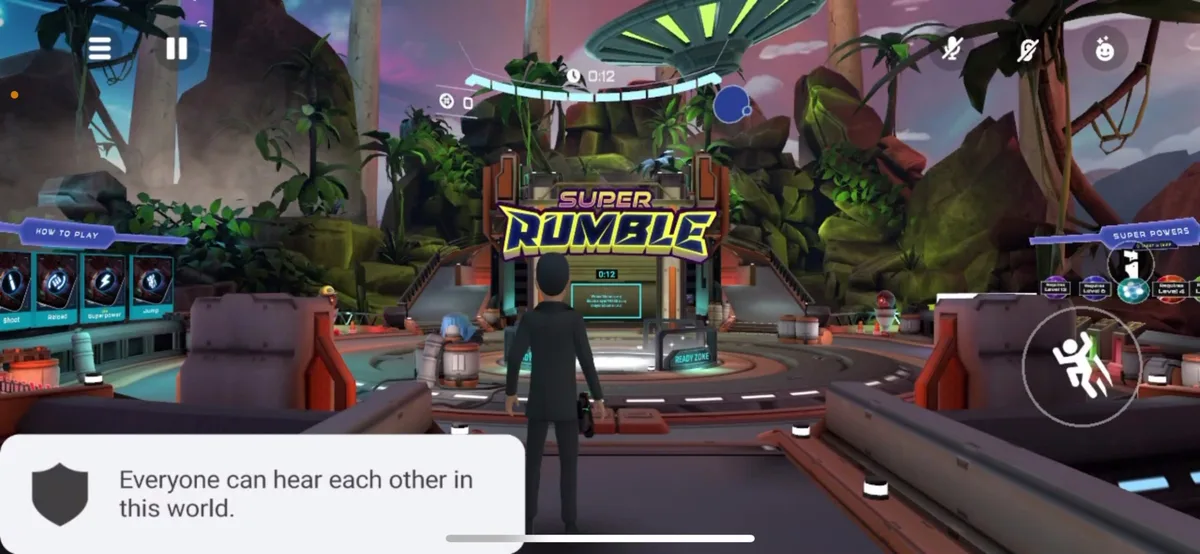
Meta's Horizon Worlds is a social VR platform where users create avatars and interact in virtual spaces. Its strict community guidelines, defining acceptable behavior and appearance, exemplify how platform policies can limit self-expression and identity exploration within the metaverse. (Source: theverge.com)
FAQ
What is virtual identity? Virtual identity is the persona a user takes on in digital environments like the metaverse. It is often an avatar and includes choices about looks, name, and behavior. It can differ from a person’s real-world identity.
Does the metaverse allow true anonymity? Users can use fake names and different avatars. However, true anonymity is often restricted. Platforms collect user data and enforce community rules. This means actions can often be traced. Also, identity options are shaped by platform rules.
How do platforms influence virtual identity? Platforms influence identity through algorithm recommendations, content curation, and strict terms of service. They also set technical limits on how avatars can be customized. These factors guide user choices. They also restrict how much you can express yourself.
Can I really be anyone I want in the metaverse? You can “be anyone” to some extent with appearance. But psychological factors, economic barriers, and platform rules limit you greatly. Your virtual identity often reflects or improves parts of your real self.
You might also like:
👉 Virtual Reality Applications: Exploring VR’s Impact Across Industries
👉 The Future of DeFi Protocols: Navigating Web3’s Financial Revolution