
Coach Scheyer Duke Basketball: Rewriting Legacy & Gravity
Explore how Coach Jon Scheyer is navigating the immense legacy of Duke Basketball, aiming to rewrite its gravitational pull and forge a new era of championships and culture.
The Uncanny Physics of Legacy: How Coach Scheyer Duke Basketball Is Rewriting Gravity
Imagine, if you will, a perfectly calibrated, impossibly complex machine. Not a particle accelerator, but something far more intricate: a dynasty. One that has hummed with precision for over four decades, generating championships, legends, and a culture so potent it practically has its own gravitational field. Now, imagine stepping into the operator’s chair of that machine, not as its inventor, but as its designated successor. The inventor, a titan, has just retired to a chorus of global adoration. You, the new operator, are younger, less experienced, and standing directly in the shadow of a legacy that casts a mile-long silhouette. This isn’t a thought experiment in industrial succession; this is the very real, very high-stakes reality that Coach Scheyer Duke basketball found himself navigating.
It’s a bit like being handed the keys to the Starship Enterprise, only Captain Kirk has just beamed up for good, and every single crew member, every fan, every rival, is watching your every move, wondering if you can still make it go warp speed. The expectations aren’t just high; they’re cosmic. And here’s the thing nobody tells you: the sheer weight of that expectation isn’t just external pressure; it becomes an internal force, a psychological constant you must learn to defy. Jon Scheyer, the man tasked with steering the Duke ship, wasn’t just replacing a coach; he was inheriting an institution, a brand, and a very particular way of doing things. His journey isn’t just about winning basketball games; it’s a fascinating case study in leadership, adaptation, and the delicate art of evolving a legacy without dismantling its soul.
The Improbable Inheritance: Stepping into the Shadow of Giants
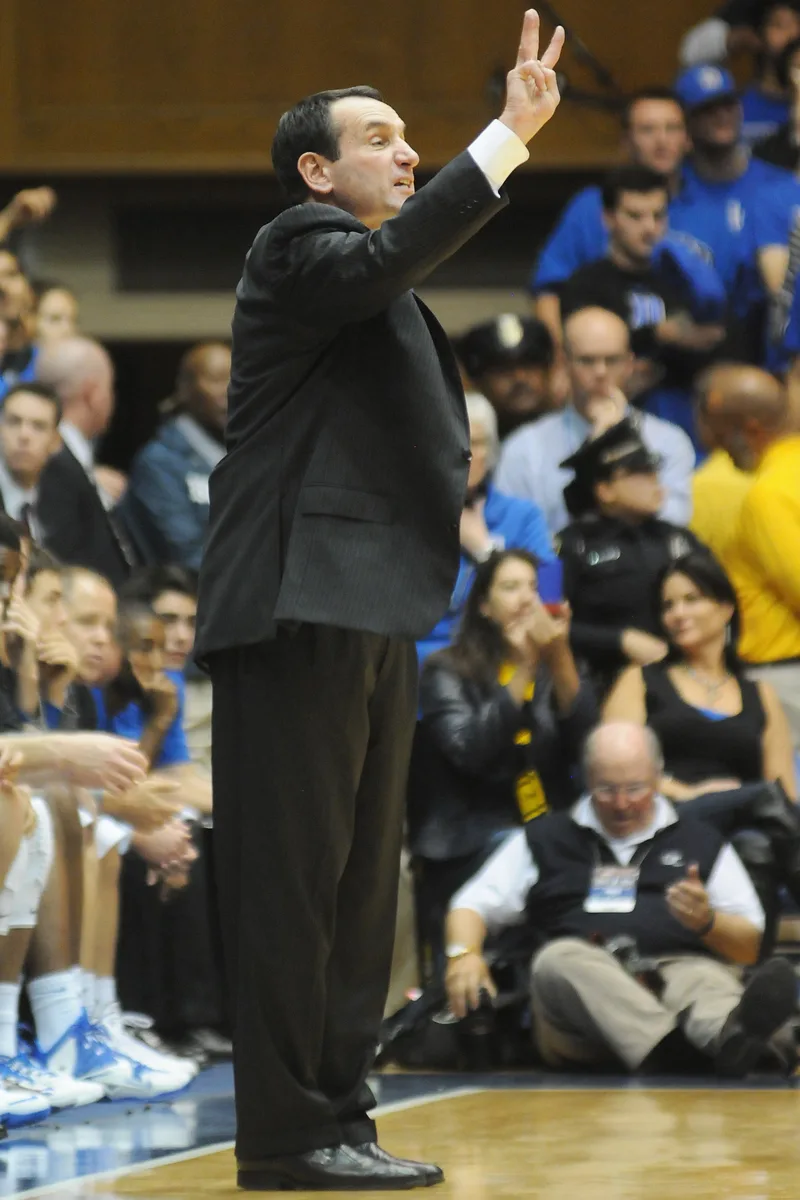 Replacing a legend is less a job transition and more an archaeological expedition into a living monument. When Mike Krzyzewski, universally known as Coach K, announced his retirement in June 2021 after 42 years at the helm, the college basketball world collectively gasped. His resume reads like a mythical saga: five NCAA Championships, 13 Final Four appearances, 1,202 career wins (the most in men's Division I history), and a coaching tree that spans the globe. He built "The Brotherhood" from scratch, turning a small, private university into a global basketball powerhouse. The shadow he cast was not merely long; it was an eclipse.
Into this cosmic void stepped Jon Scheyer. At 34, he was named head coach, making him one of the youngest coaches in Power Five basketball. The reaction was a mix of admiration for his loyalty and a healthy dose of skepticism. Could anyone, let alone someone who had been an assistant just minutes ago (figuratively speaking), possibly fill those shoes? It’s akin to asking a highly skilled sous chef to immediately take over a Michelin three-star restaurant from a founding chef who invented the entire cuisine. The ingredients are familiar, the kitchen is the same, but the vision, the execution, the ultimate responsibility for every single dish? That’s an entirely different beast. Scheyer wasn’t just inheriting a team; he was inheriting a culture, a fan base whose loyalty was as intense as their expectations, and a seemingly insurmountable benchmark for success. The question wasn’t if Duke would still win, but if it could still be Duke without Coach K.
The Blueprint of a Builder: Jon Scheyer’s Vision for Duke Basketball
From day one, Scheyer understood that while the foundation of Duke basketball was solid gold, the architectural plans needed a contemporary update. His vision is less about tearing down and rebuilding, and more about strategic renovation and expansion. Think of it like a brilliant urban planner tasked with revitalizing a historic district: honor the past, preserve the iconic landmarks, but introduce modern infrastructure and amenities to thrive in a new era. For Scheyer, this translates into a meticulous, almost scientific approach to recruiting, player development, and team dynamics.
His recruiting prowess is already legendary. He didn’t just maintain Duke’s pipeline to elite talent; he arguably supercharged it, consistently landing top-ranked classes. The 2022 class, featuring future NBA lottery picks like Dereck Lively II and Dariq Whitehead, alongside foundational pieces like Kyle Filipowski and Tyrese Proctor, was a masterclass. The 2023 class, highlighted by high-flyer Jared McCain, followed suit, and the commitment of generational talent Cooper Flagg for 2024 signals a sustained dominance. Scheyer’s pitch isn’t just about the Duke brand; it’s about a clear developmental pathway, a modern offensive system that emphasizes spacing and versatility, and a defensive philosophy built on aggressive, switchable athletes. He’s selling a program that prepares players not just for college success, but for the rigors of the NBA, all while maintaining the “Brotherhood” ethos that defines Duke.
From Prodigy to Play-Caller: Scheyer’s Evolution on the Sideline
Jon Scheyer’s journey to the head coach’s chair is a testament to deliberate mentorship and a deep understanding of the Duke ecosystem. He wasn’t an outsider parachuted in; he was an integral part of the very machine he now operates. As a player, he was the gritty, clutch guard who helped lead Duke to the 2010 National Championship, earning the respect of his teammates and the trust of Coach K with his unyielding toughness and basketball IQ. He then spent eight years as an assistant under Coach K, meticulously absorbing the nuances of program management, player relations, and strategic planning.
This apprenticeship was less like a typical assistant role and more like a prolonged, intensive residency program with the greatest basketball mind of his generation. He climbed the ranks from special assistant to associate head coach, becoming Coach K’s trusted confidante and the architect of many recruiting successes. The transition from advisor to ultimate decision-maker, however, is a seismic shift. As an assistant, you can offer suggestions, critique plays, and influence strategy. As the head coach, every single choice, from the starting lineup to the final timeout call, rests squarely on your shoulders. It’s the difference between being the co-pilot and the pilot in command during a hurricane. Scheyer had to learn, often on the fly, to embrace the solitude of ultimate responsibility, to make the tough calls, and to project an unwavering certainty even when the path ahead was obscured. His evolution from a fiery competitor on the court to a poised, strategic leader on the sideline is one of the most compelling narratives in Coach Scheyer Duke basketball.
The Data and the Dynasty: Analytics, Adaptation, and the Modern Game
The world of college basketball is a constantly shifting tectonic plate, and Scheyer has proven adept at navigating its tremors. The advent of Name, Image, and Likeness (NIL) deals and the fluidity of the transfer portal have fundamentally reshaped the sport, turning roster construction into a high-stakes game of 4D chess. Where some traditionalists might resist these changes, Scheyer has embraced them as new tools in his arsenal, integrating them into his modern blueprint.
His approach to analytics, for instance, is less about blindly following numbers and more about using data to inform intuition. He and his staff meticulously track efficiency ratings, shot selection optimization, defensive metrics, and player fatigue. It’s like a highly skilled meteorologist using advanced satellite imagery and predictive models, not to replace their experience, but to enhance their forecasting accuracy. This data-driven approach influences everything from practice drills to in-game adjustments, ensuring that Duke isn’t just playing hard, but playing smart. Similarly, his engagement with the transfer portal isn’t about collecting cast-offs; it’s a precise, surgical process to fill specific roster gaps with players who fit the Duke culture and system, as seen with strategic additions like Jacob Grandison. Navigating the NIL landscape requires transparency, education, and balancing individual player opportunities with team cohesion – a delicate tightrope walk that Scheyer has managed with savvy, ensuring that Duke remains competitive while fostering a healthy locker room environment.
A New Dynasty in the Making? Coach Scheyer Duke Basketball’s Future
The initial returns on the Jon Scheyer era have been nothing short of impressive, defying the “sophomore slump” narratives that often plague successors to legends. In his first season (2022-23), he led a young, injury-riddled team to an ACC Tournament Championship, culminating in a dominant run that showcased his strategic acumen and the team’s burgeoning chemistry. The 2023-24 season saw Duke finish strong, reaching the Sweet Sixteen and demonstrating significant growth from key players. Kyle Filipowski evolved into an All-American caliber big man, Tyrese Proctor matured into a composed floor general, and Jared McCain burst onto the scene with electrifying energy and clutch shooting.
The “here’s the thing nobody tells you” moment about this period isn’t just about the wins; it’s about the manner of winning. Scheyer’s Duke teams play with a visible joy and freedom, a testament to his ability to connect with Gen Z athletes. They run a modern, fluid offense that prioritizes spacing, ball movement, and exploiting mismatches, a stark contrast to some of the more structured, post-centric offenses of previous eras. The defense remains a hallmark, but with an emphasis on switchability and aggressive perimeter pressure. While the ultimate goal of a national championship remains elusive (for now), the trajectory is clear. The program is not just surviving; it’s thriving, adapting, and continuously attracting the nation’s top talent. The challenge for Scheyer now is to consistently translate that talent and growth into deep NCAA Tournament runs, solidifying his own legacy and proving that the Duke dynasty, under his guidance, can indeed reach new heights.
Beyond the Hardwood: The Human Element of Leadership
Leadership, at its core, is a human endeavor. And while the X’s and O’s are crucial, Jon Scheyer’s true brilliance lies in his ability to connect, inspire, and develop the young men under his charge. He embodies a style of leadership that is collaborative, communicative, and possesses a high degree of emotional intelligence, a vital trait when dealing with athletes navigating immense pressure, social media scrutiny, and professional aspirations. He’s not just teaching basketball; he’s mentoring individuals.
Think of him less as a drill sergeant barking orders and more as a master conductor leading a symphony orchestra. Each player is a distinct instrument, with unique talents and temperaments. Scheyer’s role is to understand each one, to bring out their best notes, to ensure they play in harmony, and to guide them through the complex score of a season. He fosters an environment where players feel empowered to speak up, to learn from mistakes, and to grow not just as athletes, but as people. This authenticity resonates deeply with today’s generation of players, who value genuine connection and clear pathways for development. His ability to blend the traditional “Brotherhood” values of loyalty and selflessness with a modern understanding of player agency and personal brand building is a testament to his nuanced approach. The success of Coach Scheyer Duke basketball isn’t just measured in wins, but in the caliber of young men who emerge from his program, ready for the next stage of their lives, whether in the NBA or beyond.
FAQ Section
Q1: What was Jon Scheyer’s playing career like at Duke? A1: Jon Scheyer was a standout guard for Duke from 2006-2010. He was a key player and team captain on the 2010 NCAA National Championship team, known for his clutch play, shooting ability, and toughness. He finished his career as one of Duke’s all-time leaders in points, assists, and three-pointers.
Q2: How has Coach Scheyer adapted to the NIL and transfer portal era? A2: Coach Scheyer has strategically embraced both NIL and the transfer portal. He uses analytics to identify specific roster needs and targets transfers who fit Duke’s system and culture. For NIL, he and his staff educate players on opportunities while emphasizing team cohesion and ensuring a balanced approach to individual branding and program values.
Q3: What are some key differences in coaching style between Scheyer and Coach K? A3: While both coaches prioritize defense and player development, Scheyer’s offensive philosophy is generally more modern, emphasizing spacing, ball movement, and versatility, often featuring a five-out attack. He’s also known for a highly collaborative and communicative leadership style that resonates strongly with today’s athletes, building on Coach K’s foundation but with his own contemporary approach.
Q4: What is Coach Scheyer’s current record at Duke? A4: As of the end of the 2023-24 season, Jon Scheyer’s overall record as Duke’s head coach is 54-18 (.750). This includes an ACC Tournament Championship in his first season (2022-23) and a Sweet Sixteen appearance in his second (2023-24).
The transition from a legendary era to a new one is rarely smooth, often fraught with comparisons and skepticism. But Jon Scheyer has not only steadied the ship; he’s charting a new course, proving that legacy isn’t a static monument but a living, breathing entity that can evolve and thrive. He’s not just maintaining the gravitational pull of Duke basketball; he’s adding his own unique mass to it, creating a new, compelling force in the college basketball universe. It’s a testament to vision, adaptation, and the quiet power of a leader who understands that true innovation often lies in respecting the past while boldly stepping into the future.
You might also like:
👉 J. Cole’s St. John’s Basketball Legacy: A Data-Driven Analysis
👉 Todd Golden Analytics: Reshaping College Basketball Strategy
👉 Mookie Betts’ Unforgettable Accolades & MLB Legacy Unveiled