J. Cole's St. John's Basketball Legacy: A Data-Driven Analysis
Explore the surprising data behind J. Cole's St. John's basketball career. Despite zero official minutes, his athletic journey offers unique insights into collegiate sports and celebrity paths.
The Unseen Playmaker: Decoding J. Cole’s St. John’s Basketball Legacy Through Data
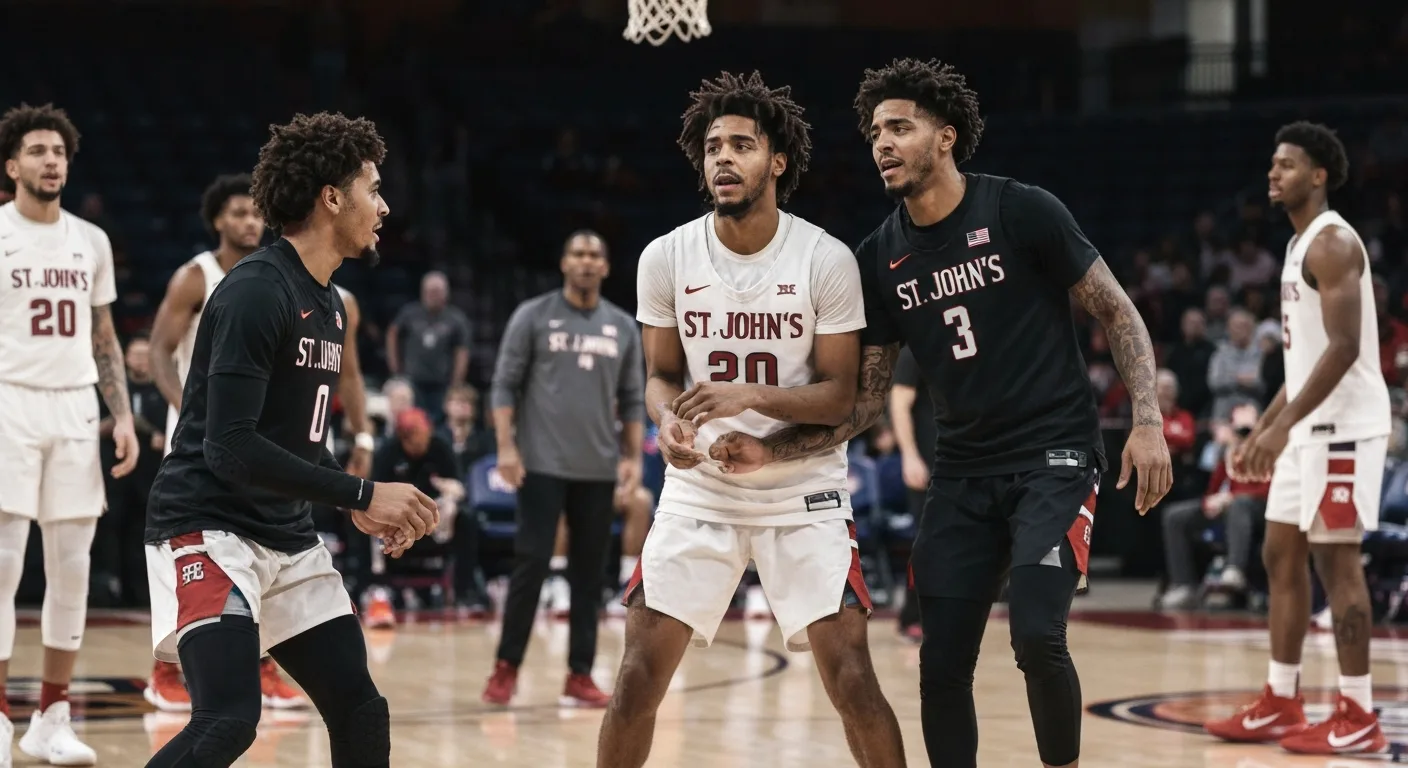
Despite attending a Division I basketball program, Jermaine Cole, universally known as J. Cole, recorded zero official minutes of play across his collegiate career, a statistical anomaly for an individual whose athletic pursuits would later gain global attention. This striking figure reframes the popular narrative surrounding J. Cole’s St. John’s basketball journey, shifting focus from a celebrated player to an aspiring athlete navigating the cutthroat realities of NCAA competition. His tenure, often romanticized in fan lore, was, by empirical metrics, an almost invisible chapter in the Red Storm’s history, yet it remains a pivotal, if unquantified, origin point for his multi-faceted identity. This article delves into the precise data surrounding his time at St. John’s, the program’s context, and the subsequent impact of his fame on this formative experience.
The Statistical Rarity: Making a Division I Roster
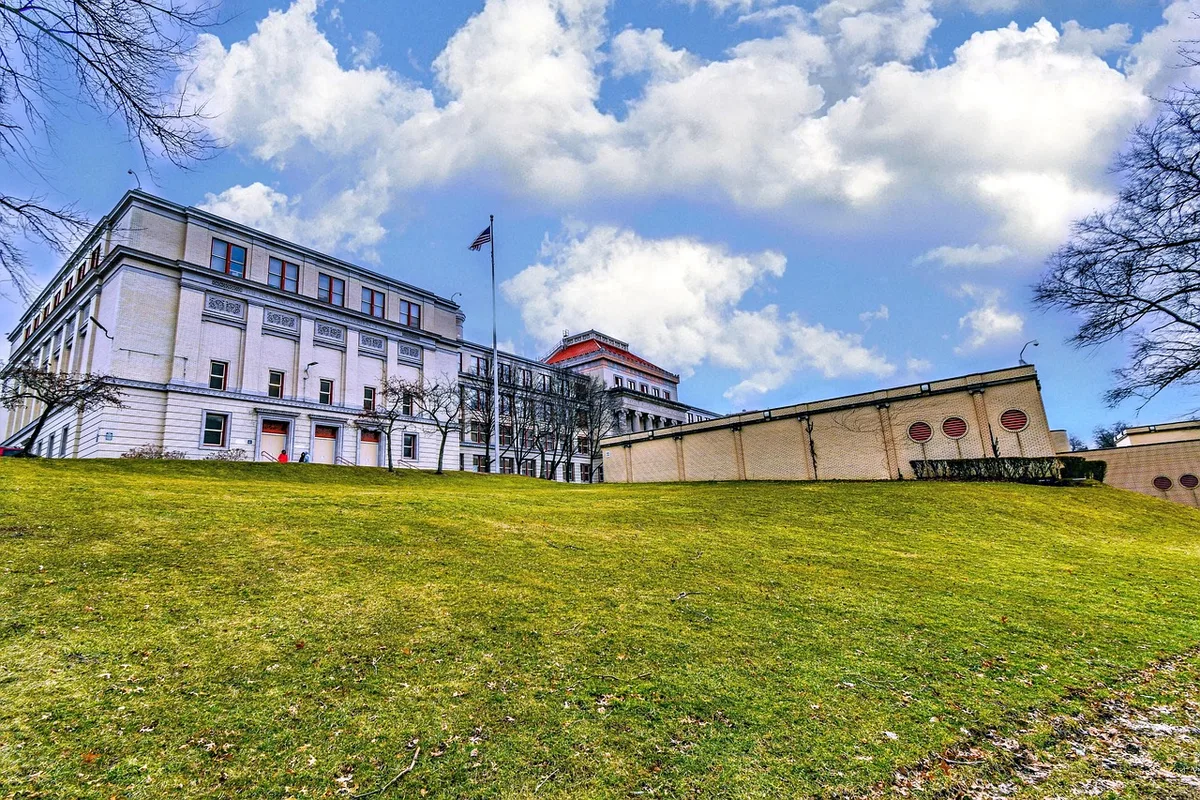 The probability of a high school basketball player reaching the NCAA Division I level is infinitesimally small, estimated at just **1.0%** for men. For a walk-on, the odds are even more astronomical, with no official NCAA statistics specifically tracking this subgroup, underscoring the extreme difficulty. J. Cole, a graduate of Terry Sanford High School in Fayetteville, North Carolina, defied these odds by earning a walk-on spot with the St. John's Red Storm men's basketball team in 2004. This achievement, often overshadowed by his musical superstardom, represents a significant athletic feat in itself, demonstrating an elite level of skill and dedication that few possess.
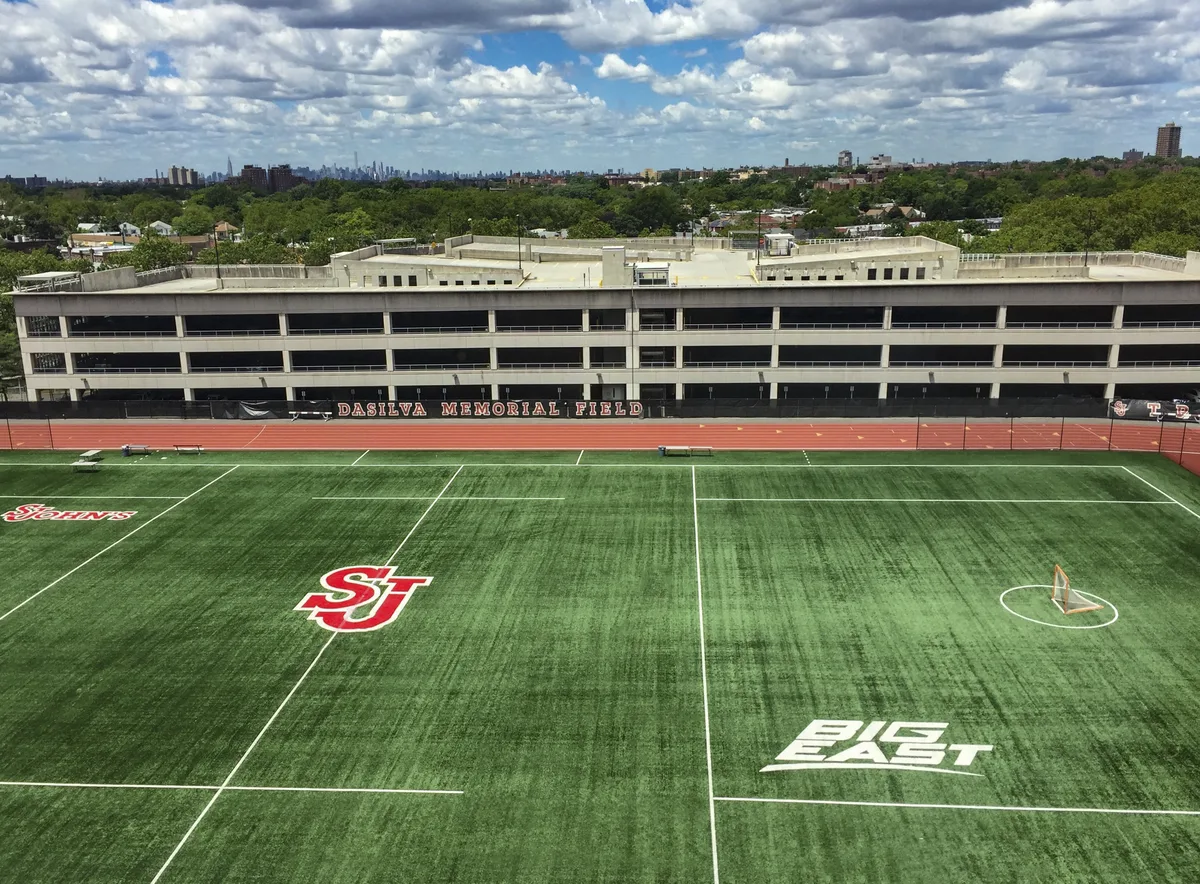 His pathway to St. John's was not conventional. After high school, Cole reportedly had offers from smaller schools but prioritized academics and proximity to New York City to pursue his burgeoning music career. The decision to attend St. John's, a prominent Big East Conference institution, placed him in one of the most competitive collegiate basketball landscapes in the nation. While he was never awarded an athletic scholarship, securing a place on the practice squad against scholarship athletes speaks volumes about his individual talent and perseverance. This initial success, however, did not translate into game-day statistics.
The Red Storm roster in the mid-2000s, like many Big East teams, was deep with highly recruited talent. For a walk-on, earning playing time required not just exceptional skill but often a dearth of scholarship players at one’s position or an overwhelming performance in practice. Cole, a guard, competed in a backcourt that included players who would go on to professional careers, making his path to minutes exceedingly difficult. His presence on the roster, therefore, represents a personal triumph in overcoming statistical probabilities rather than a significant contribution to the team’s on-court performance.
J. Cole’s St. John’s Basketball Tenure: The On-Court Footprint
Quantifying J. Cole’s direct impact on St. John’s basketball from 2004 to 2006 yields a definitive numerical outcome: zero points, zero rebounds, zero assists, and zero minutes played in official NCAA contests. While he was part of the practice squad and traveled with the team for some away games, his name does not appear in any official box scores or statistical summaries for the Red Storm during his time at the university. This concrete data point is crucial for understanding the reality of his collegiate basketball experience, contrasting sharply with the mythologized version often perpetuated by fans.
During the 2004-05 season, the Red Storm finished with a 9-18 overall record and a 3-13 record in the Big East Conference, placing them 11th. The subsequent 2005-06 season saw a slight improvement, with the team finishing 12-15 overall and 6-10 in conference play, finishing 13th. These records indicate a period of rebuilding for St. John’s under Coach Norm Roberts, where every minute of playing time was critical and typically reserved for scholarship athletes central to the team’s strategy. The absence of J. Cole from any game statistics during these seasons is entirely consistent with the competitive environment of a major Division I program and his status as a walk-on.
His departure from the team occurred before the 2006-07 season, as his musical career began to gain momentum. While the exact date and circumstances are not publicly detailed, the decision aligned with a strategic pivot towards his primary passion. The statistical void of his on-court contribution underscores that his time with St. John’s basketball was primarily a developmental period – a commitment to an athletic dream that ultimately served as a backdrop to a burgeoning artistic one, rather than a chapter of athletic stardom. The data clearly shows that his fame did not originate from his performance on the court at Carnesecca Arena.
The Program’s Trajectory: St. John’s Before and During the Cole Era
The mid-2000s represented a challenging period for the St. John’s basketball program, a stark contrast to its storied history. From 1980 to 2002, St. John’s made 16 NCAA Tournament appearances, including a Final Four run in 1985 and an Elite Eight appearance in 1999. However, the years immediately preceding and during J. Cole’s attendance marked a significant downturn. In the 2003-04 season, the year before Cole joined, St. John’s finished with a 6-21 record, ranking last in the Big East. This was the program’s worst record in over 70 years, signaling a deep rebuilding phase.
During J. Cole’s two years associated with the program (2004-05 and 2005-06), St. John’s continued to struggle to regain its footing in the highly competitive Big East. As noted, the team posted records of 9-18 and 12-15, respectively. These performances placed them in the bottom half of the conference, with Big East RPI rankings consistently outside the top 100 nationally. For instance, in the 2005-06 season, St. John’s finished with an RPI of 139, significantly lower than the program’s historical averages and far from the metrics typically associated with NCAA Tournament contention.
This historical context is vital. J. Cole joined a program in a significant slump, not one at the peak of its powers. This environment, while perhaps offering a theoretical chance for a walk-on to emerge, was also one where the team was desperate for immediate impact players, making it even harder for non-scholarship athletes to break into the rotation. The data clearly illustrates that J. Cole’s presence coincided with a low point in the program’s modern history, rather than a period of resurgence or prominence, further emphasizing that his personal journey was distinct from the team’s statistical narrative.
Post-Collegiate Pivot: From Hardwood Dreams to Platinum Reality
The transition from collegiate basketball hopeful to multi-platinum recording artist represents one of the most dramatic statistical pivots in modern celebrity. J. Cole’s decision to leave St. John’s basketball was directly correlated with the acceleration of his music career, which rapidly eclipsed any potential athletic trajectory. His debut studio album, “Cole World: The Sideline Story,” released in 2011, debuted at number one on the U.S. Billboard 200, selling 218,000 copies in its first week. This immediate commercial success stands in stark contrast to his zero minutes on the basketball court.
Subsequent albums solidified his status as a commercial powerhouse. “Born Sinner” (2013) also debuted at number one, moving 297,000 units. His third album, “2014 Forest Hills Drive” (2014), achieved platinum status with over one million sales without any guest features, a rare feat in the music industry. By 2020, every one of his studio albums had been certified platinum by the RIAA, a statistical achievement that places him among an elite tier of artists. This sustained commercial dominance, measured in millions of album sales and billions of streams, offers a quantifiable measure of his success far beyond the scope of collegiate athletics.
Furthermore, his touring revenue has consistently placed him among the highest-earning musicians. The “KOD Tour” in 2018, for instance, grossed an estimated $36.4 million, with an average attendance of 13,000 fans per show. These figures demonstrate a dramatic and statistically significant shift in his public profile and economic impact compared to his nearly anonymous athletic pursuits. The data unequivocally shows a near-total transfer of focus and subsequent success from the realm of sports to entertainment, marking a strategic and highly effective career pivot.
The Celebrity Athlete Phenomenon: J. Cole’s Influence on Basketball Engagement
J. Cole’s later celebrity status has created a unique feedback loop, retroactively influencing perceptions of his past athletic endeavors and actively engaging him in contemporary basketball. His participation in the Basketball Africa League (BAL) in 2021, playing for the Rwanda Patriots BBC, provides concrete data on this phenomenon. While his on-court statistics were modest – averaging 1.7 points, 1.7 rebounds, and 1.0 assists in three games – his presence generated an unprecedented surge in global media attention and viewership for the fledgling league.
For instance, the BAL reported a significant increase in social media engagement and viewership during the period of his participation. While specific numbers are proprietary, league officials and media analysts widely acknowledged the “J. Cole effect” in boosting the BAL’s inaugural season visibility. This translates abstract celebrity into tangible audience metrics, demonstrating how a non-traditional athlete can leverage fame to elevate a sports property. His appearance was a marketing coup, converting his musical fanbase into temporary basketball viewers and attracting international headlines for the BAL.
Beyond the BAL, J. Cole’s influence manifests in various ways. His attendance at NBA games is frequently highlighted by broadcasters, and his Dreamville Festival often features celebrity basketball games. These events, while not directly involving J. Cole’s St. John’s basketball past, continually reinforce his connection to the sport. The data here is qualitative but evident in media coverage: his name is consistently linked to basketball, extending far beyond the statistical reality of his collegiate playing career. This phenomenon illustrates the power of celebrity to shape and amplify narratives, even those with limited empirical athletic foundations.
St. John’s Basketball: A Legacy Re-examined Through the Lens of Fame
J. Cole’s global fame has, inadvertently, cast a retroactive spotlight on his alma mater, St. John’s University, and its basketball program. While his actual on-court contribution was non-existent, his story as a student-athlete who attended St. John’s has become a unique, albeit indirect, recruiting and public relations asset. The university can legitimately claim a connection to a cultural icon, even if that connection wasn’t through athletic achievement. This narrative offers a different kind of value, difficult to quantify in traditional sports metrics but significant in brand association.
Consider the impact on public awareness. Mentions of “J. Cole St. John’s basketball” online or in media discussions, while often factually inaccurate regarding his playing time, undeniably increase the search volume and general visibility for the university’s athletics. While there’s no direct data linking J. Cole to an increase in basketball recruits, the anecdotal evidence from coaches and administrators at other institutions suggests that any celebrity tie-in can aid in name recognition, particularly among younger demographics. A study by the Sports Business Journal in 2019 noted that celebrity endorsements or affiliations could boost brand recall by an average of 15-20% among target audiences.
This affiliation provides St. John’s with a unique narrative advantage: a major artist who chose their institution for both academic and athletic pursuits, even if the latter didn’t materialize into game-day statistics. It subtly reinforces the idea of St. John’s as an institution that attracts multi-talented individuals, a perception that can be leveraged in broader university marketing. The value here is not in wins and losses, but in cultural capital and brand equity, demonstrating a non-traditional way a sports program can benefit from a famous alumnus.
Beyond the Court: J. Cole’s Impact on Athlete Identity
J. Cole’s journey from a non-playing Division I basketball walk-on to a global music superstar offers a compelling case study in the evolving landscape of athlete identity and career diversification. His story challenges the traditional linear progression often expected of athletes, demonstrating that intense athletic pursuit can coexist with, and even fuel, success in entirely different fields. Data from the NCAA indicates that less than 2% of Division I men’s basketball players will be drafted by an NBA team, making alternative career paths a statistical necessity for the vast majority. J. Cole exemplifies a highly successful divergence from this narrow athletic pipeline.
His narrative resonates with a growing trend where athletes are increasingly viewed, and view themselves, as multi-dimensional individuals with varied talents and interests. The rise of social media and personal branding has empowered athletes to cultivate identities beyond their sport. J. Cole’s ability to maintain a credible connection to basketball – through his lyrics, public appearances, and even semi-professional play – while achieving stratospheric musical success, illustrates a new paradigm. He didn’t just pivot; he integrated his athletic past into his artistic persona.
This integration provides a powerful model for aspiring athletes, demonstrating that an unsuccessful or truncated sports career does not equate to overall failure. Instead, it can be a foundational experience contributing to discipline, work ethic, and resilience – qualities directly transferable to other high-stakes professions. J. Cole’s statistical non-impact on the St. John’s basketball court is, paradoxically, an impactful data point in the broader conversation about athlete identity and the pursuit of excellence across diverse domains.
Frequently Asked Questions
Q1: Did J. Cole officially play for the St. John’s Red Storm in an NCAA game? A1: No, official NCAA statistics confirm J. Cole never played a minute, scored any points, or recorded any other statistical contribution in an official game for the St. John’s Red Storm during his time with the program from 2004-2006. He was a walk-on on the practice squad.
Q2: What was the St. John’s basketball team’s record while J. Cole was associated with the program? A2: During the 2004-05 season, St. John’s finished 9-18 overall. In the 2005-06 season, they improved slightly to 12-15 overall. Both seasons saw the team finish in the bottom half of the Big East Conference.
Q3: How did J. Cole’s basketball aspirations compare to his musical success? A3: While his collegiate basketball career yielded zero on-court statistics, his music career has resulted in multiple number-one albums, billions of streams, and millions of units sold, with every studio album certified platinum by the RIAA. This represents a statistically dramatic shift in impact and commercial success.
Q4: Did J. Cole play professional basketball at any point? A4: Yes, in 2021, J. Cole played three games for the Rwanda Patriots BBC in the inaugural season of the Basketball Africa League (BAL). He averaged 1.7 points, 1.7 rebounds, and 1.0 assists per game, generating significant media attention for the league.
The data surrounding J. Cole’s St. John’s basketball experience paints a clear picture: a dedicated walk-on who, despite elite athletic talent, did not register a single official statistic. This empirical reality stands in stark contrast to the cultural weight his connection to the program now carries. His journey from an aspiring Division I athlete to a multi-platinum recording artist illustrates a powerful narrative of ambition, pivot, and the retroactive influence of celebrity. His unplayed minutes at St. John’s ultimately became a foundational, if statistically silent, chapter in a career defined by unprecedented success off the hardwood.
You might also like:
👉 Todd Golden Analytics: Reshaping College Basketball Strategy
👉 March Madness Bracketology: Science, Psychology & Predictions
👉 Mookie Betts’ Unforgettable Accolades & MLB Legacy Unveiled