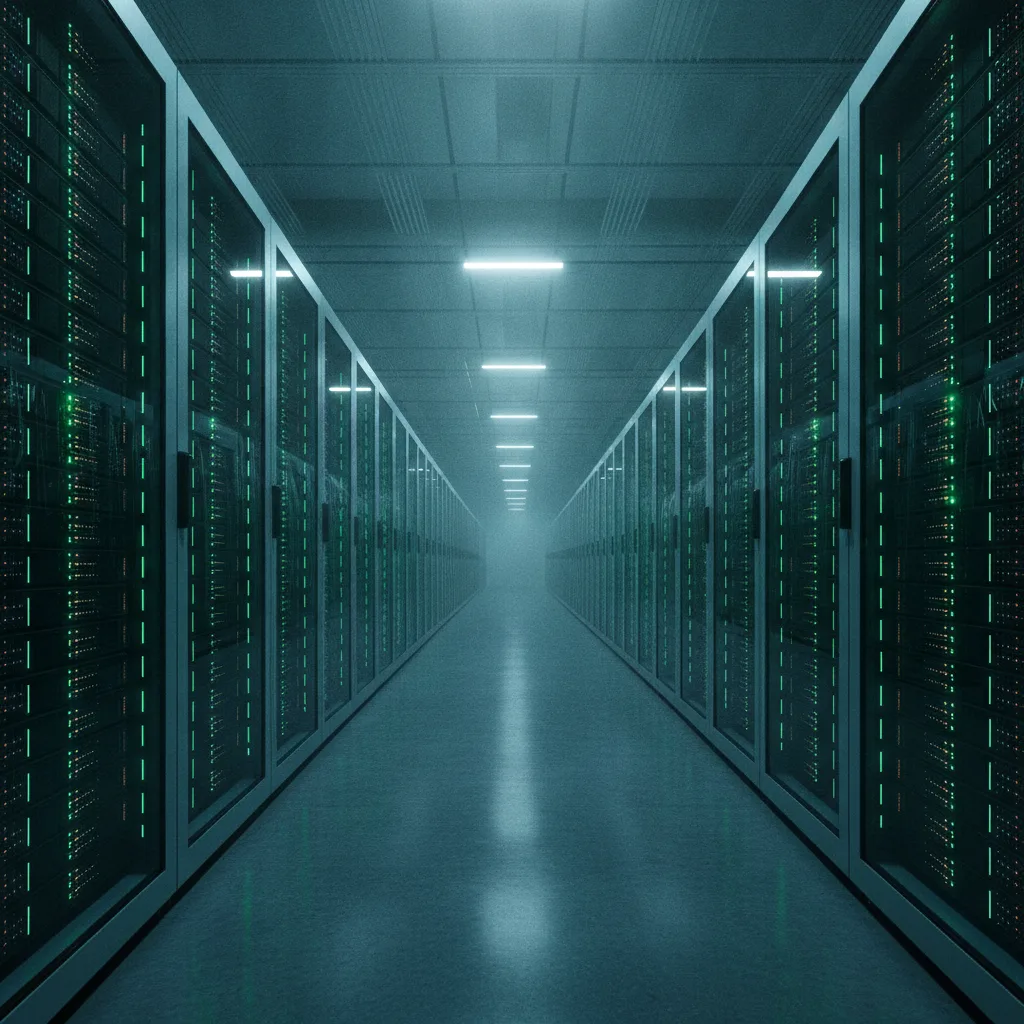
Data Centers Consumed 460 TWh in 2022: A Global Energy Crisis
Global data centers used 460 TWh of electricity in 2022, nearly 2% of total demand, straining finances and the environment.
Data centers’ growing power problem
The world’s data centers consume electricity equivalent to powering a small country each year. In 2022, these facilities used an estimated 460 terawatt-hours (TWh) of electricity. This made up nearly 2% of total global electricity demand. The International Energy Agency (IEA) reported this in its 2023 “Data Centres and Digitalisation” analysis. This massive power use strains finances and the environment.
These facilities are the backbone of the digital economy. They hold vast networks of computer servers and storage systems. Data centers store, process, and transmit digital information worldwide. Major operators include Amazon Web Services (AWS), Microsoft Azure, and Google Cloud. Their server farms power everything from streaming videos to complex artificial intelligence models.
Ireland’s data centers consumed 18% of the nation’s total electricity in 2022. This is a sharp jump from 10% in 2020. EirGrid, Ireland’s electricity grid operator, noted this trend in its 2023 annual report. Their energy demand grows fast, thanks to heavy investment.
The United States has the largest share of global data center capacity. It makes up 33% of the world’s total, according to Synergy Research Group’s 2023 data. U.S. data centers used about 130 TWh in 2022. This equals roughly 3% of the nation’s total electricity consumption. The U.S. Energy Information Administration (EIA) reported these figures in its 2023 analysis. This consumption is expected to double by 2026. That’s a lot of power.
Why data centers are so hungry for power
Electricity costs now make up 60% to 80% of a data center’s total operating expenses. The Uptime Institute, a global data center authority, found this in its 2023 industry survey. Energy is now the biggest operating cost for most facilities. Servers and cooling systems are the main power consumers.
Servers need constant power to process data. They pump out a lot of heat. Cooling systems then use huge amounts of electricity. These systems stop hardware from overheating and keep things running. Without good cooling, equipment failures would be common.
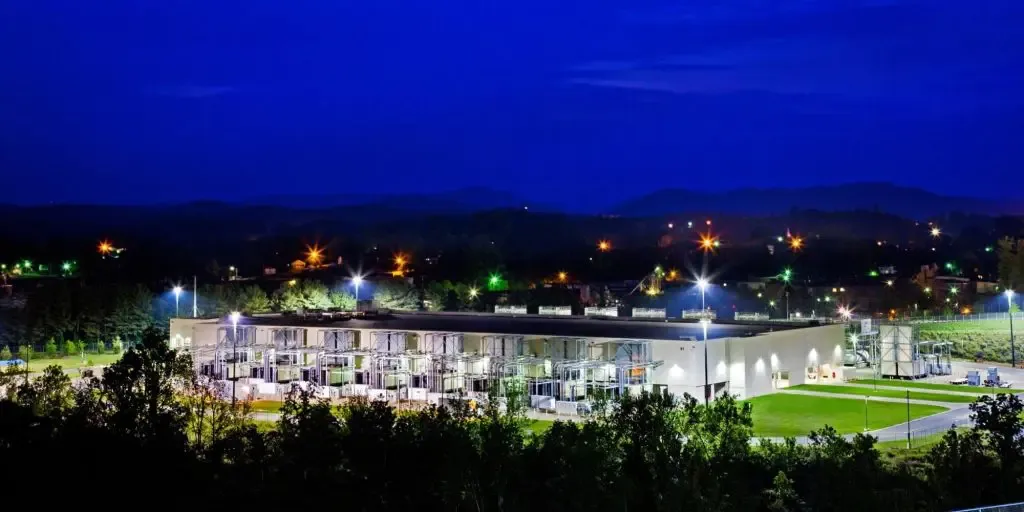
Data centers, like this massive facility, are the physical backbone of the digital economy, housing vast networks of servers. These power-hungry operations consume electricity equivalent to powering a small country each year, making energy costs their biggest operating expense. (Source: dgtlinfra.com)
The average wholesale electricity price in the U.S. was $0.057 per kilowatt-hour (kWh) in 2023. The U.S. EIA reported this figure in early 2024. This tiny cost quickly adds up to millions of dollars each year for large hyperscale facilities. These facilities often use hundreds of megawatts of power. Their power bills can top $100 million per year.
Microsoft Corporation reported a 33% increase in its energy consumption during 2022. This surge links directly to the growing demand for its cloud services. New generative AI workloads also pushed energy use higher. The company reported these figures in its 2023 Environmental Report. AI training needs immense computing power.
Training OpenAI’s GPT-3 model consumed an estimated 1,287 megawatt-hours (MWh) of electricity. Researchers at MIT Technology Review calculated this figure in 2020. This energy usage equals 128,700 gallons of gasoline. Future large language models will need even more power. Goldman Sachs analysts see a big jump in AI-related electricity demand. They expect U.S. data center power use to jump 160% by 2030.
Data center location decisions hinge on power costs and availability. Access to cheap, reliable electricity is a key factor for development. Nordic countries, like Sweden and Norway, offer lower energy prices. They also have lots of renewable hydropower. This draws in huge hyperscale data center projects. Local tax incentives also sway these choices.
Smart ways to save energy
Google hit an impressive average Power Usage Effectiveness (PUE) of 1.10 in 2023. The company reported this metric in its 2024 Environmental Report. PUE measures total facility energy divided by the energy used by IT equipment. A PUE of 1.0 means perfect efficiency – no energy wasted on cooling or power delivery. The industry average PUE stays around 1.55. This data comes from the Uptime Institute’s 2023 survey. Lowering PUE is a main goal for operators.
Many companies buy into renewable energy purchasing agreements (PPAs). These contracts lock in long-term clean power directly from wind or solar farms. PPAs stabilize prices when energy markets jump around. They also help companies hit sustainability goals. Meta Platforms, Inc. announced it achieved 100% renewable energy for its operations in 2020. This was reported in its 2021 Sustainability Report. This covers both direct purchases and renewable energy credits.
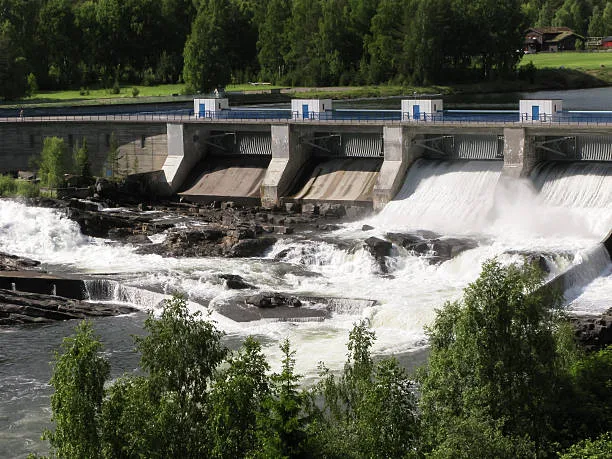
Nordic countries like Norway and Sweden leverage their abundant renewable hydropower to offer lower energy prices, a key factor attracting huge hyperscale data center projects to the region. (Source: istockphoto.com)
Liquid cooling technologies are catching on as alternatives to air cooling. These systems are much more efficient at heat transfer. Direct-to-chip cooling circulates liquid right over hot components. Immersion cooling submerges entire servers in a special non-conductive fluid. This method can cut cooling energy needs by up to 50%. It also lets centers pack in more servers.
Artificial intelligence (AI) is now making data centers run better. AI algorithms adjust cooling, server tasks, and power. They react instantly to real-time conditions. Google’s DeepMind team used AI to cut cooling energy by 40% in some of its data centers. This 2016 effort saved 15% of their total energy. AI also predicts maintenance needs, making things even more efficient. These smart systems always look for the best energy use.
The grid of tomorrow and data center needs
Global data center electricity demand could hit 1,000 TWh by 2026. The International Energy Agency (IEA) reported this projection in its 2024 outlook. This figure nearly doubles 2022 consumption. Fast AI growth and use drives much of this. New AI models like GPT-4 are much more power-hungry than their predecessors.
The U.S. electricity grid needs big upgrades to handle this rising demand. Existing transmission lines and generation capacity face strain. The Department of Energy (DOE) expects a 10% rise in total U.S. electricity demand by 2030. Data centers are a big reason for this projected increase. The DOE pointed out these challenges in its 2024 “Grid Deployment Report.”
Policy makers in Ireland and the Netherlands stopped new data center permits. These decisions happened in 2022 and 2023. They worry about grid strain and hitting renewable energy goals. Some areas consider temporary bans to check if infrastructure is ready. Governments are clearly watching closer.
Energy storage solutions will be key for grid stability. Large-scale batteries and other systems can store extra renewable energy. They release it for peak demand or when renewables are low. Data centers can also join demand response programs. They cut electricity use when the grid strains. This balances supply and demand.
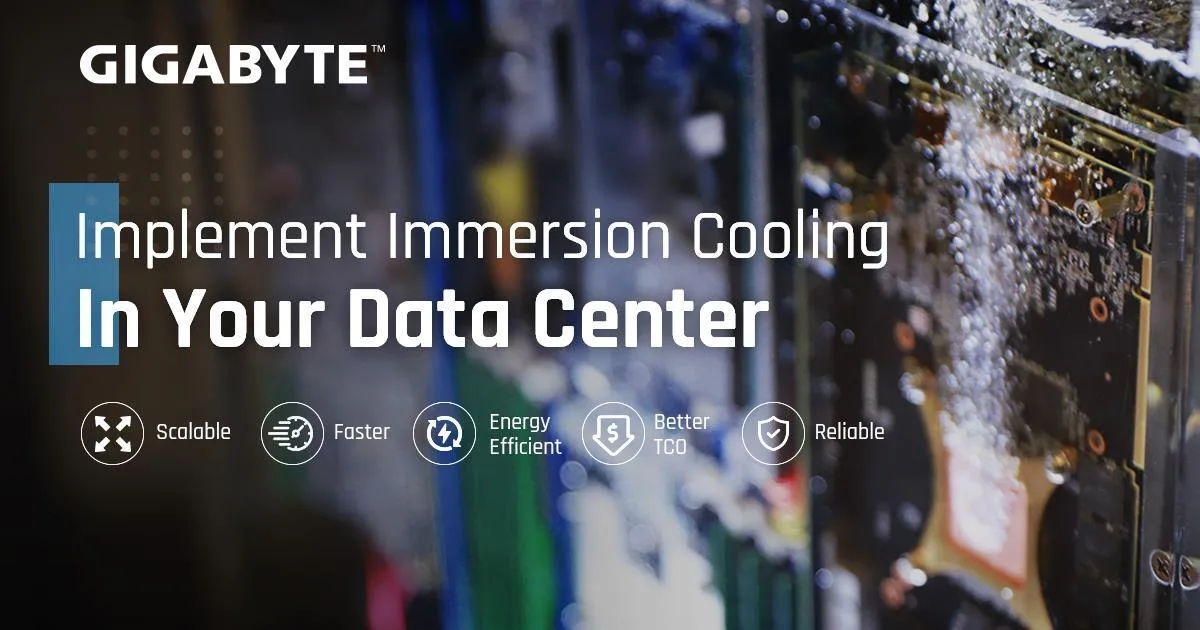
Immersion cooling involves submerging entire servers in a special non-conductive fluid, which can cut cooling energy needs by up to 50% and allow for denser server packing. This innovative method is a key technology in reducing the significant electricity costs of modern data centers. (Source: gigabyte.com)
Innovation in chip design is vital for future sustainability. More efficient processors and specialized AI accelerators will cut power needs per calculation. Companies like NVIDIA and AMD are pouring money into this. The industry wants lasting growth that can be expanded. It’s tough to balance rising demand with limited resources.
Frequently asked questions
Q: What is a data center? A: A data center is a facility that holds computer servers and networking equipment. It stores, processes, and distributes digital data. These centers form the core infrastructure for cloud services and the internet.
Q: Why do data centers use so much electricity? A: Servers need constant power to run and compute. Cooling systems also use huge amounts of energy. These systems stop hardware from overheating and keep operations smooth.
Q: What is PUE? A: PUE stands for Power Usage Effectiveness. It measures a data center’s energy efficiency. A lower PUE number, closer to 1.0, indicates more efficient power use.
Q: How does AI affect data center electricity use? A: AI models need huge computing power for training and inference. This significantly increases electricity use. However, AI can also make data centers run more efficiently.
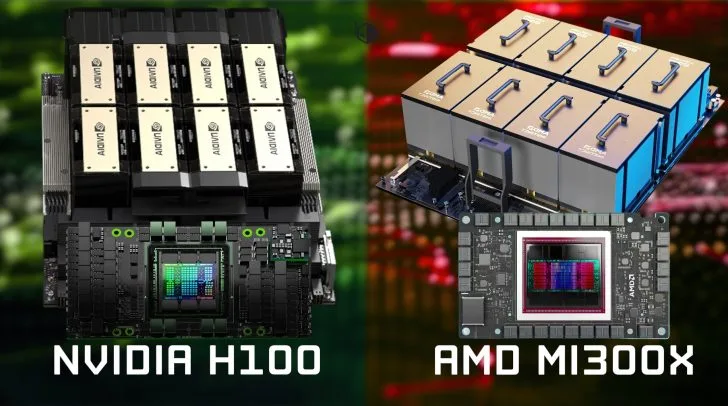
Specialized AI accelerator chips, like those developed by NVIDIA and AMD, are crucial for powering complex AI models in data centers. Their advanced design is vital for future sustainability, aiming to significantly reduce power consumption per calculation despite the immense computing power they provide. (Source: wccftech.com)
You might also like:
👉 Understanding Energy Independence: Security, Economy, Future