Youth & AI: The Global Risks in Apps & Social Media
Beyond personalized learning, AI systems in educational apps and social media algorithms are creating significant, hidden risks for youth worldwide.
AI and Young People: The Hidden Costs
AI isn’t coming; it’s already here, affecting young lives every day. Many believe it offers great opportunities for personalized learning and new skills, preparing youth for future jobs. But this common belief is incomplete. It misses the significant risks and challenges already showing up worldwide.
AI systems now influence daily experiences for young people. They’re in educational apps, social media algorithms, and even early career tools. Teenagers and young adults (ages 13-25) use AI more and more. This widespread use shows AI’s true impact on them.
What most people say: opportunity and access
In 2023, UNESCO published its “Guidance on AI and Education.” It showed how AI can change learning. The report emphasized personalized education, adaptive learning, and better access to information for students everywhere. Supporters often say AI tailors content to individual student needs. This is a big improvement over one-size-fits-all teaching. This ability offers real potential for different learning styles.
AI tools find knowledge gaps and suggest specific resources. Khan Academy, for example, uses AI to guide students through math and science at their own pace. This personal approach boosts engagement and improves many students’ grades. It suggests a future where every student gets an education perfectly suited to them.
Growing gaps: AI’s unequal benefits
Optimistic reports aside, AI’s benefits aren’t shared equally. A 2022 World Economic Forum report on future jobs showed a widening digital skills gap. This gap isn’t just about device access. It’s about the quality of AI interaction and critical guidance young people get. Students in under-resourced schools often lack the tools and trained teachers to use advanced AI effectively.
Research from the Brookings Institution in 2023 found that low-income households struggle more to use AI meaningfully. They face unreliable internet, outdated hardware, and parents who lack digital literacy. Wealthier districts invest in advanced AI platforms and teacher training. This creates new educational inequality. It deepens existing socioeconomic divides, instead of closing them.

Khan Academy, founded by Salman Khan, utilizes AI to offer personalized learning paths and an AI tutor, Khanmigo, guiding students through subjects like math and science at their own pace. This approach aims to boost engagement and improve academic performance for millions worldwide. (AI-generated illustration)
Think about advanced AI tutoring systems. Some private schools in New York City can afford these personalized learning assistants. Many rural schools across the American South cannot. Students in these underserved areas miss out on critical, individualized feedback. This keeps a cycle going where AI’s advantages go to those already privileged.
Too much information and skill loss: unwanted effects
AI’s constant presence also creates big cognitive problems for young people. Dr. Jean Twenge, a psychology professor at San Diego State University, researched how smartphones and digital tech affect teen mental health. Her work, including iGen, details worrying trends in attention spans and critical thinking. Relying too much on AI for information can make kids less likely to engage in deeper thought.
For example, students using AI writing tools might skip the hard, but essential, steps of brainstorming and critical analysis. They outsource basic cognitive tasks. A 2023 study in Educational Technology Research and Development found a concerning trend. Students who heavily used AI for essay drafting improved less in their independent writing skills over time. This suggests AI can automate skill development away from the learner.
Beyond schoolwork, AI-driven content on platforms like TikTok delivers constant, short bursts of stimulation. This trains young brains for quick information consumption, not sustained focus. Dr. Anna Lembke, a psychiatry professor at Stanford, says this dopamine-driven feedback loop can hurt patience and deep engagement. Constant digital stimulation can create a generation less skilled at complex problem-solving.
AI bias and mental health: unspoken lessons
AI algorithms aren’t neutral. They reflect the data they’re trained on, often holding societal biases. This challenges youth development. A 2021 report by the AI Now Institute at NYU showed how algorithmic bias hurts marginalized youth. For instance, facial recognition systems often misidentify people of color more often. This leads to unfair surveillance in schools.
Social media algorithms, built to maximize engagement, can deeply hurt youth mental health. A 2023 US Surgeon General advisory warned about the serious risks of social media to teen mental health. These platforms use AI to create personalized feeds. These feeds can boost body image issues, cyberbullying, and unrealistic social comparisons. This created reality can warp how kids see themselves and cause anxiety.
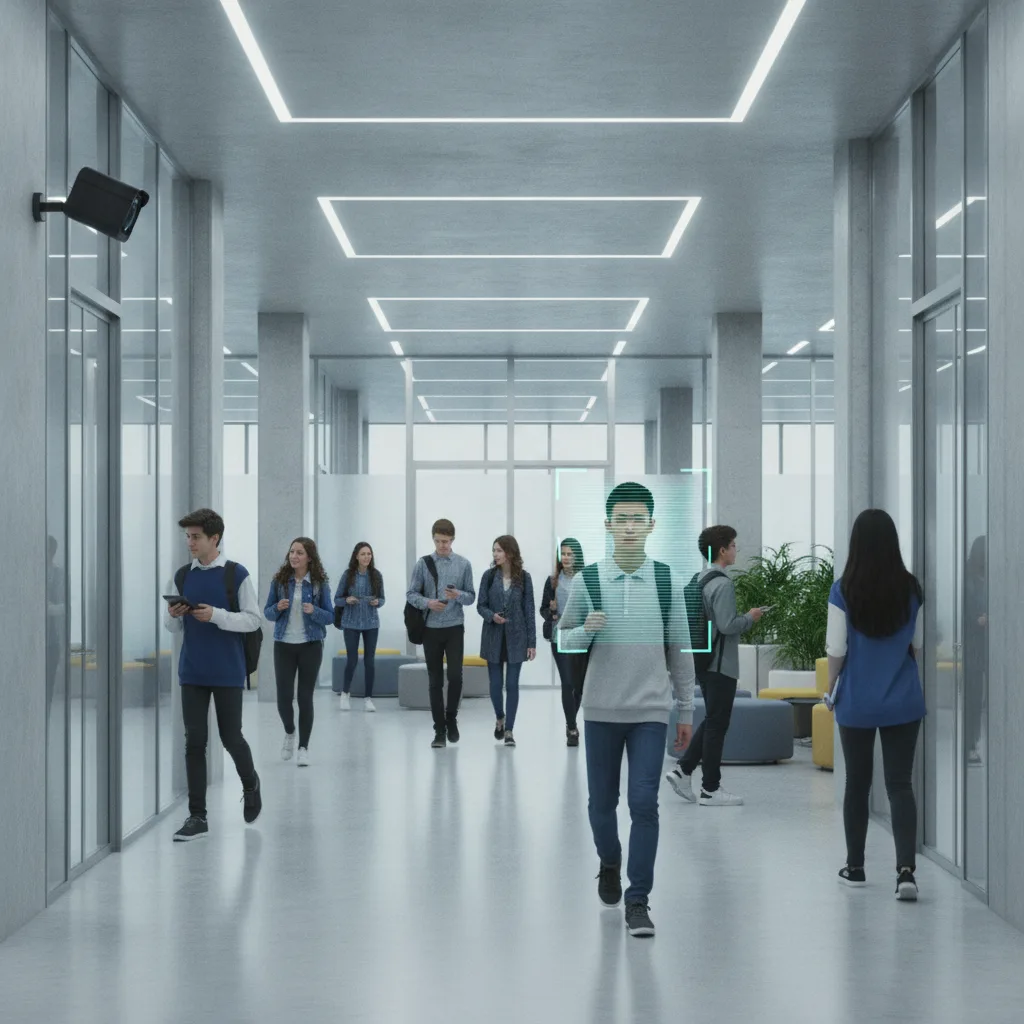
Facial recognition systems, increasingly deployed in various settings including schools, are often trained on biased data, leading to higher rates of misidentification for marginalized youth. This algorithmic bias can result in unfair surveillance and disproportionately impact students of color, raising serious ethical concerns about AI's role in youth development. (AI-generated illustration)
Imagine a young girl repeatedly shown content promoting extreme beauty standards. The algorithm, designed for engagement, accidentally reinforces harmful stereotypes. This acts as a “hidden curriculum.” It subtly shapes identity and values without explicit teaching or discussion. Young people become vulnerable to these unseen influences. Code subtly manipulates their understanding of the world and their place in it.
Moving past the hype: fair AI for young people
We need to rethink how AI is integrated into youth development. Simply celebrating AI’s potential ignores its known problems and growing inequalities. We must prioritize ethical AI, focusing on human-centered design. This means building AI that improves human abilities, not replacing essential thinking and social processes.
Educators and policymakers must demand transparency from AI developers. We need clear audits of algorithmic biases and their impact on diverse young people. Dr. Safiya Noble, a UCLA professor and author of Algorithms of Oppression, argues for accountability. We need to know how AI systems categorize and influence information. This helps AI serve all youth fairly.
Also, digital literacy must grow beyond basic computer skills. Young people need to understand how AI works. They must know how algorithms shape their online experiences and how to critically evaluate AI-generated content. This includes teaching about data privacy and algorithmic bias. Only then can youth truly master these powerful tools. This approach helps youth become informed creators, not just passive consumers, of AI-driven content.
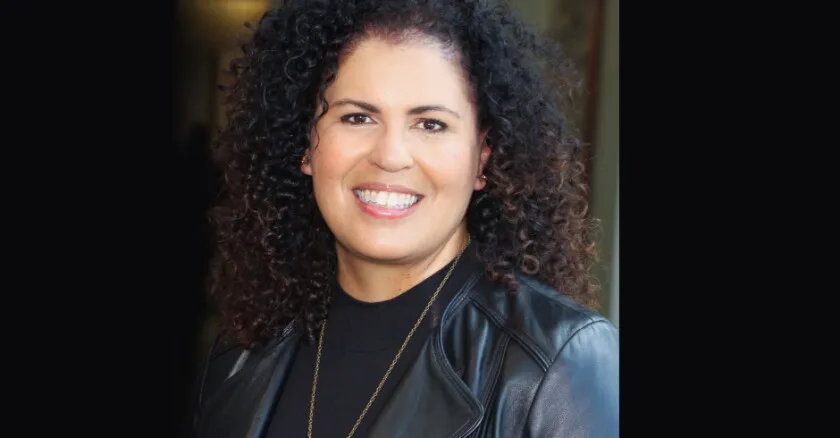
Dr. Safiya Noble, a UCLA professor and author of *Algorithms of Oppression*, advocates for transparency and accountability from AI developers to address algorithmic biases impacting youth. Her work highlights the need for critical digital literacy to understand how AI systems categorize and influence information. (Source: govtech.com)
You might also like:
👉 Unmasking Online Bots: The X & Facebook Mimicry Challenge