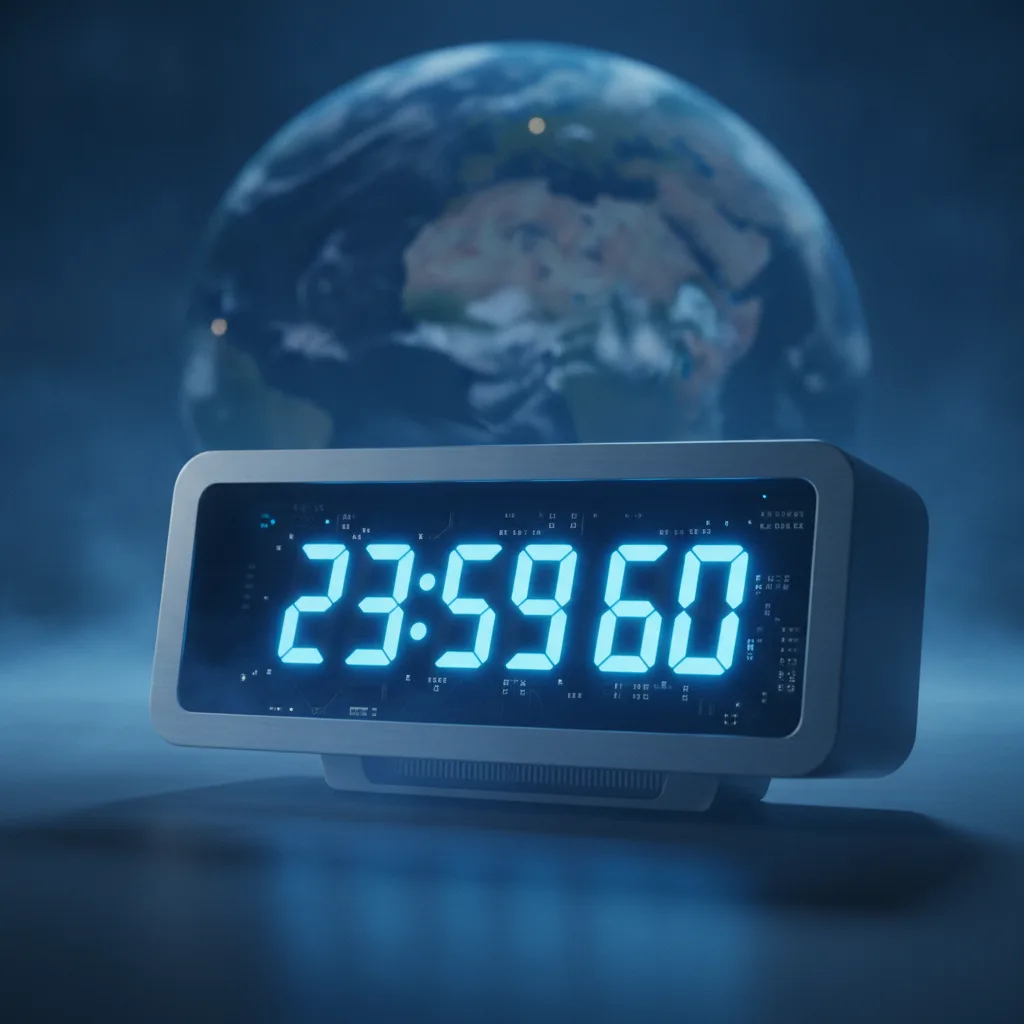
193 Nations in Dubai End Leap Second, Securing Global Digital Time
Delegates from 193 nations voted in November 2022 to stop using the 'leap second,' ending decades of digital system threats and disruptions.
An extra second, called a “leap second,” has threatened digital systems for decades. Global timekeepers voted in November 2022 to stop using it. Delegates from 193 nations agreed in Dubai at the World Radiocommunication Conference (WRC-23). This decision changes how the world keeps official time. It also stops disruptions for critical digital infrastructure.
Coordinated Universal Time (UTC) has been the international standard for civilian time since 1972. It synchronizes clocks worldwide for navigation, communication, and financial transactions. UTC uses a precise average of atomic clocks across the globe. These clocks are incredibly stable. They provide a continuous, uniform timescale.
The Bureau International des Poids et Mesures (BIPM) coordinates over 400 atomic clocks. These clocks sit in more than 80 national timing laboratories. Their combined data makes International Atomic Time (TAI). TAI is the most stable timescale available. TAI ticks forward without interruption.
Earth’s rotation rate isn’t perfectly constant. It varies because of ocean tides, atmospheric changes, and other geophysical events. This causes atomic time and astronomical time to drift apart. Astronomical time, called Universal Time 1 (UT1), tracks Earth’s actual rotation against distant quasars.
Since 1972, UTC has used leap seconds to stay within 0.9 seconds of UT1. A leap second is an extra second added or subtracted from UTC. This adjustment stops civil time from drifting too far from the planet’s actual position. The International Earth Rotation and Reference Systems Service (IERS) decides when a leap second is needed.
The World Agreed to End Leap Seconds
The International Telecommunication Union (ITU) officially approved ending leap seconds in November 2022. This came after decades of debate among scientists and engineers. Member states agreed to stop inserting leap seconds into UTC by 2035. They want a continuous, unbroken time scale.
The ITU is the United Nations agency for information and communication technologies. It manages the global radio spectrum and satellite orbits. This body sets international standards for time and frequency. Its decisions matter a lot for global infrastructure.
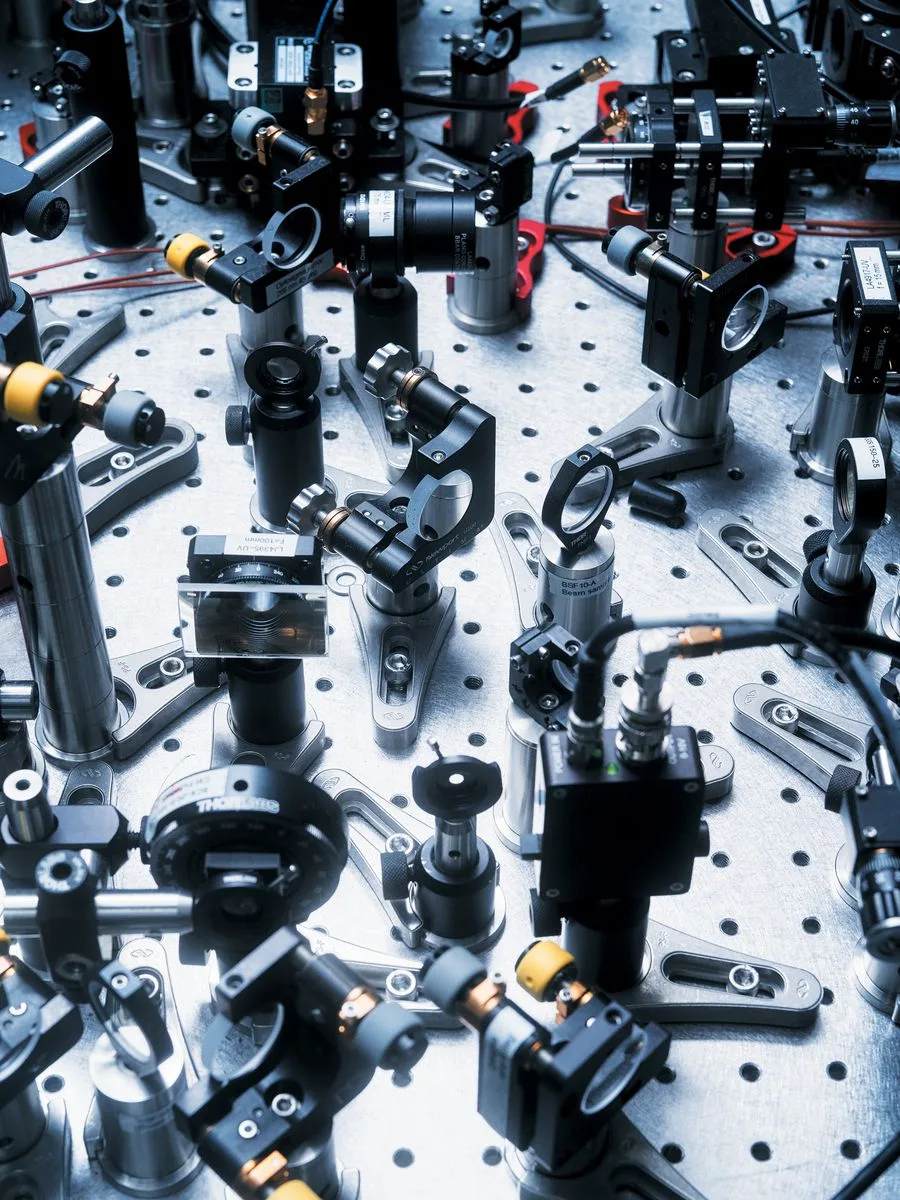
An atomic clock, like those coordinated by the Bureau International des Poids et Mesures (BIPM), is the incredibly stable technology that forms the basis of Coordinated Universal Time (UTC), the international standard for civilian timekeeping. (Source: scientificamerican.com)
Dr. Demetrios Matsakis was chief scientist for Precise Time and Astrometry at the U.S. Naval Observatory for years. He said this decision gives us a “stable future” for global time. Removing leap seconds solves a big problem for digital systems worldwide. He noted the change will stop future system crashes.
The vote wasn’t unanimous. China, Russia, and Cuba initially had concerns. These nations wanted to delay the change or keep the current system. They worried about impacts on satellite navigation systems, so a compromise was reached: the change would wait until 2035.
This compromise lets them research how to manage the eventual time divergence. It gives system operators time to adapt their infrastructure. The ITU’s Radiocommunication Sector (ITU-R) will keep studying solutions. Working Party 7A of ITU-R leads this research.
Digital Systems Stumble Over Leap Seconds
Major system outages happened because of leap second insertions. Software engineers found these unpredictable adjustments hard to manage. Most computer systems expect a continuous flow of seconds. An extra second can disrupt internal clocks.
In 2012, a leap second caused widespread internet failures. Linux operating systems crashed and had high CPU loads. Websites like Reddit, Mozilla, and Yelp went offline. Qantas Airways also had big operational issues.
Google made a workaround called the “leap smear.” Its servers gradually adjusted their clocks by milliseconds over hours. This avoided a sudden, disruptive jump. Many tech companies used similar internal solutions.
Cloudflare had an outage during the 2017 leap second. Its DNS resolver software crashed because of a specific kernel bug. Engineers struggled for hours to diagnose the problem. The incident showed how fragile systems still were.
Financial markets also had challenges. High-frequency trading systems need microsecond precision. An unexpected second could break timestamps or disrupt transaction sequences. Regulators worried about market stability.
Satellite navigation systems, like GPS and Galileo, also need continuous time. These systems broadcast precise time signals to receivers. A sudden leap second could cause errors in positioning calculations. This impacts aviation and other important applications.
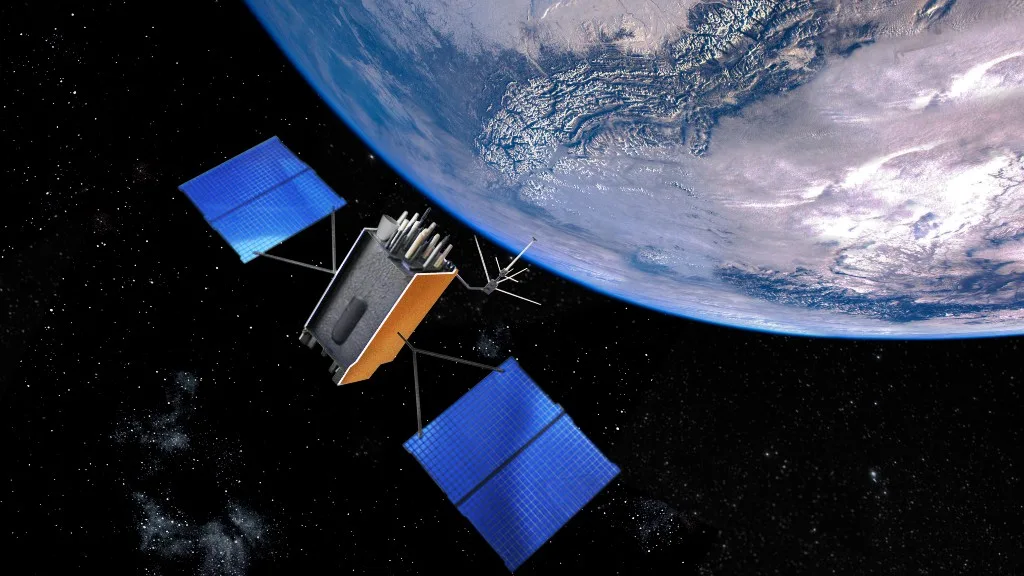
Satellite navigation systems like GPS and Galileo rely on extremely precise, continuous time signals. The unpredictable nature of leap seconds caused concerns for these systems, potentially leading to errors in positioning calculations for critical applications like aviation. (Source: space.com)
Moving to Continuous Universal Time
The year 2035 is the end of leap second insertions. After this date, UTC will run continuously, without sudden adjustments. It will diverge from Earth’s rotation over centuries. This ensures stability for all digital applications.
The divergence between UTC and UT1 will slowly increase. Experts predict this gap could reach several minutes within a century. A difference of perhaps an hour might accumulate over 500 to 1,000 years. This drift won’t affect daily life right away.
The ITU-R Working Party 7A is studying how to handle this future divergence. One proposal suggests a “leap hour” or “leap minute” far in the future. Such a large adjustment would be announced years ahead of time. It would allow for careful, managed transitions.
Dr. Matsakis suggested that a “leap hour” could be inserted around the year 2700. He explained this would align UTC with solar time again. This approach puts system stability ahead of exact astronomical alignment. It’s a pragmatic compromise.
Scientists at the National Physical Laboratory (NPL) in the UK back the change. Dr. Helen Margolis, an NPL expert, said the current system is “just too difficult.” She pointed out the operational risks for critical infrastructure. This move to continuous time simplifies global coordination.
This new approach shows a growing reliance on atomic time. Digital systems need reliability and predictability most of all. Astronomical alignment remains important for specific scientific applications. While it will no longer dictate global civil time.
Frequently Asked Questions
What is a leap second? It’s a one-second adjustment added to Coordinated Universal Time (UTC). It keeps UTC aligned with Earth’s irregular rotation. The International Earth Rotation and Reference Systems Service (IERS) announces them. They stop civil time from drifting too far from solar time.
Why are leap seconds being abolished? Leap seconds are unpredictable and cause big technical problems for digital systems. Their sudden insertion can crash servers and disrupt important infrastructure. Abolishing them ensures a continuous, stable time scale for computers. This improves reliability for global communication and navigation.
Dr. Helen Margolis, an expert at the National Physical Laboratory (NPL) in the UK, is a key voice advocating for the abolition of leap seconds, stating the current system is "just too difficult" due to operational risks for critical infrastructure. (AI-generated illustration)
When will the change take effect? The last leap second will be inserted by December 31, 2034. After this date, no more leap seconds will be added to UTC. The system will then run continuously. This gives organizations over a decade to prepare.
How will this affect my daily life? Most people won’t notice any immediate change. Clocks on phones and computers will keep updating automatically. The divergence from solar time will be very gradual. Any larger adjustments, like a “leap hour,” are centuries away.
Time’s New Era
Atomic clocks get more accurate every year. Modern optical atomic clocks are far more precise than current cesium standards. These advanced clocks could lose only one second in 30 billion years. This precision opens new frontiers in science.
The National Institute of Standards and Technology (NIST) researches next-gen atomic clocks. These devices could allow new and remarkable measurements of gravity. They might also test basic physics theories. This research drives timekeeping’s evolution.
For practical applications, continuous UTC offers huge benefits. Satellite navigation systems will be more stable. Financial transactions will rely on an unbroken time sequence. Global communication networks will operate with fewer disruptions.
This shift shows a basic change in our relationship with time. Human civilization once only relied on the Sun’s position. Now, digital infrastructure needs absolute precision and predictability. Atomic clocks have become the final judges of time.
The abolition of leap seconds shows how engineering has prioritized modern technology’s functionality over astronomical tradition. It puts modern technology’s functionality first. The decision reflects a global agreement on practicality. This ensures the digital world operates smoothly into the next century.
Future challenges remain, especially for long-term astronomical alignment. Yet, the current solution provides a stable foundation. It allows scientists and engineers to plan for future divergence. This practical approach safeguards global systems for decades to come.
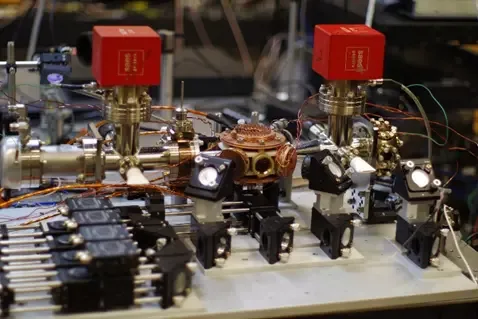
Modern optical atomic clocks, like those researched at NIST, represent the cutting edge of timekeeping. These advanced devices are so precise they could lose only one second in 30 billion years, opening new frontiers in science and technology. (Source: nist.gov)
You might also like:
👉 WannaCry 2017: The Cyberattack That Crippled UK Hospitals