
Emerging Economies: The New Powerhouses Reshaping Global Finance
Discover how emerging economies are dramatically rebalancing global economic power, challenging traditional narratives and driving a new era of financial influence worldwide.
The Unstoppable Surge: Unpacking the Power of Emerging Economies in a Reshaping World
What if I told you the economic center of gravity isn’t where you think it is anymore? For centuries, the narrative of global economic might was largely written by a handful of established Western nations. But today, a dramatic rebalancing is underway, driven by a dynamic and diverse group of nations collectively known as emerging economies. These aren’t just “developing” nations waiting for a handout; they are powerhouses of innovation, consumption, and production, contributing over 50% of global GDP and accounting for the vast majority of the world’s population. From the bustling megacities of Asia to the burgeoning tech hubs of Africa and Latin America, their rise isn’t just a trend—it’s the defining economic story of our era, reshaping geopolitics, trade, and even our daily lives.
The Shifting Sands of Global Economic Power
Cast your mind back to 2001. Goldman Sachs economist Jim O’Neill coined the term BRIC (Brazil, Russia, India, China) to highlight a quartet of nations poised for significant economic growth. Fast forward two decades, and the BRICS—now including South Africa—have not only met but often exceeded those lofty expectations, challenging the long-held dominance of the G7. China, for instance, has ascended to become the world’s second-largest economy, while India is projected to be the third-largest by 2027. This isn’t merely about a few large nations; it’s a broader phenomenon encompassing over 150 countries, from Southeast Asian tigers like Vietnam and Indonesia to European stalwarts like Poland and even frontier markets in sub-Saharan Africa.
These emerging economies are characterized by rapid industrialization, increasing integration into the global economy, and substantial growth potential, often driven by large, young populations and abundant natural resources. Their journey is marked by a transition from agrarian or resource-dependent economies to more diversified, manufacturing- and service-oriented powerhouses. This shift isn’t just about statistics; it represents a fundamental reordering of global influence, where new voices and perspectives are increasingly shaping international dialogue and policy.
The implications of this rebalance are profound, touching everything from supply chains and investment flows to cultural exchange and geopolitical alliances. The West is no longer the sole arbiter of economic destiny, and understanding the forces at play in these dynamic markets is crucial for anyone seeking to navigate the modern world. But what exactly fuels this unprecedented surge?
The Engines of Growth: Demographics, Digitalization, and Diversification
The growth story of emerging economies is multifaceted, propelled by a potent combination of internal strengths and global trends. Perhaps the most fundamental engine is demographics. Nations like India and Nigeria boast massive, young populations that provide both a robust labor force and a burgeoning consumer market. India, having surpassed China as the world’s most populous country in 2023, exemplifies this, with a median age significantly lower than that of developed nations, translating into decades of potential economic productivity and demand.
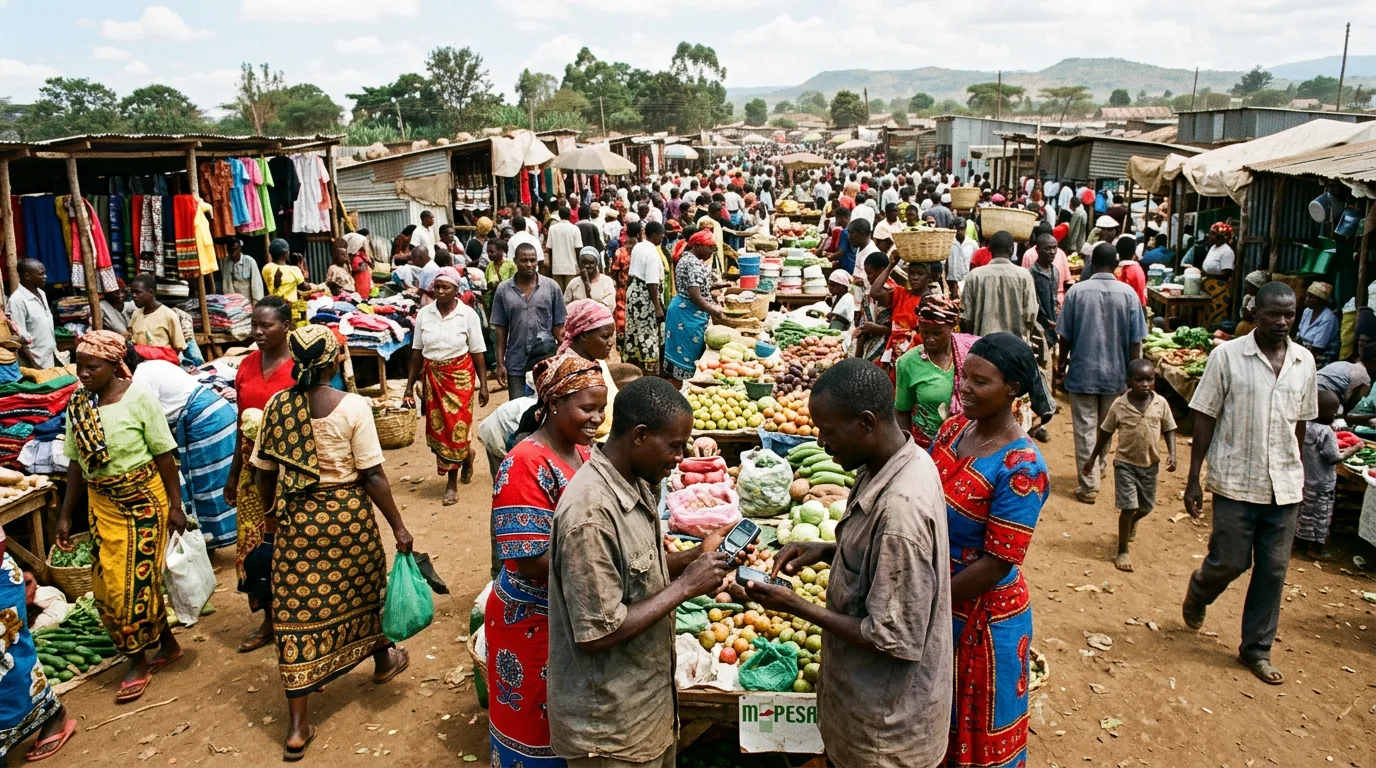
Another transformative force is digitalization. Many emerging markets have effectively “leapfrogged” older technologies, embracing mobile-first strategies that democratize access to finance, education, and commerce. Consider M-Pesa in Kenya, launched in 2007, which revolutionized mobile banking and financial inclusion, inspiring similar innovations across Africa and Asia. E-commerce platforms in Southeast Asia, like Shopee and Tokopedia, have similarly connected millions of small businesses and consumers, creating entirely new economic ecosystems. This digital revolution fosters efficiency, reduces barriers to entry, and unlocks previously untapped entrepreneurial potential.
Beyond raw numbers and digital prowess, these economies are increasingly focused on diversification. Moving away from sole reliance on agriculture or commodity exports, they are investing in manufacturing, advanced services, and technology. Vietnam, for instance, has become a global manufacturing hub for electronics and textiles, attracting major foreign direct investment from companies like Samsung and Apple. Countries like Poland and the Philippines have cultivated strong service sectors, particularly in IT outsourcing and business process management, leveraging skilled workforces to serve global clients. This strategic diversification builds resilience and creates higher-value jobs, strengthening their position in the global value chain. Yet, this rapid ascent is not without its significant trials.
Navigating the Headwinds: Challenges and Vulnerabilities of Emerging Economies
While the growth trajectory of emerging economies is impressive, it’s frequently punctuated by significant challenges and inherent vulnerabilities. One persistent hurdle is political instability and governance issues. Corruption, weak legal frameworks, and sudden policy shifts can deter foreign investment and stifle domestic entrepreneurship. Argentina, for example, has grappled with cycles of hyperinflation, debt crises, and political uncertainty for decades, illustrating how even resource-rich nations can struggle to maintain consistent growth due to governance shortfalls. Similarly, South Africa faces ongoing challenges with state capture and inefficient public enterprises.
Furthermore, many emerging economies still contend with substantial infrastructure gaps. While progress has been made, inadequate transportation networks, unreliable power grids, and insufficient digital infrastructure can hinder productivity and competitiveness. Frequent power outages in parts of India or the logistical complexities of moving goods across vast African nations highlight how basic infrastructure deficits can act as a drag on economic potential, increasing operational costs for businesses and impacting quality of life for citizens.
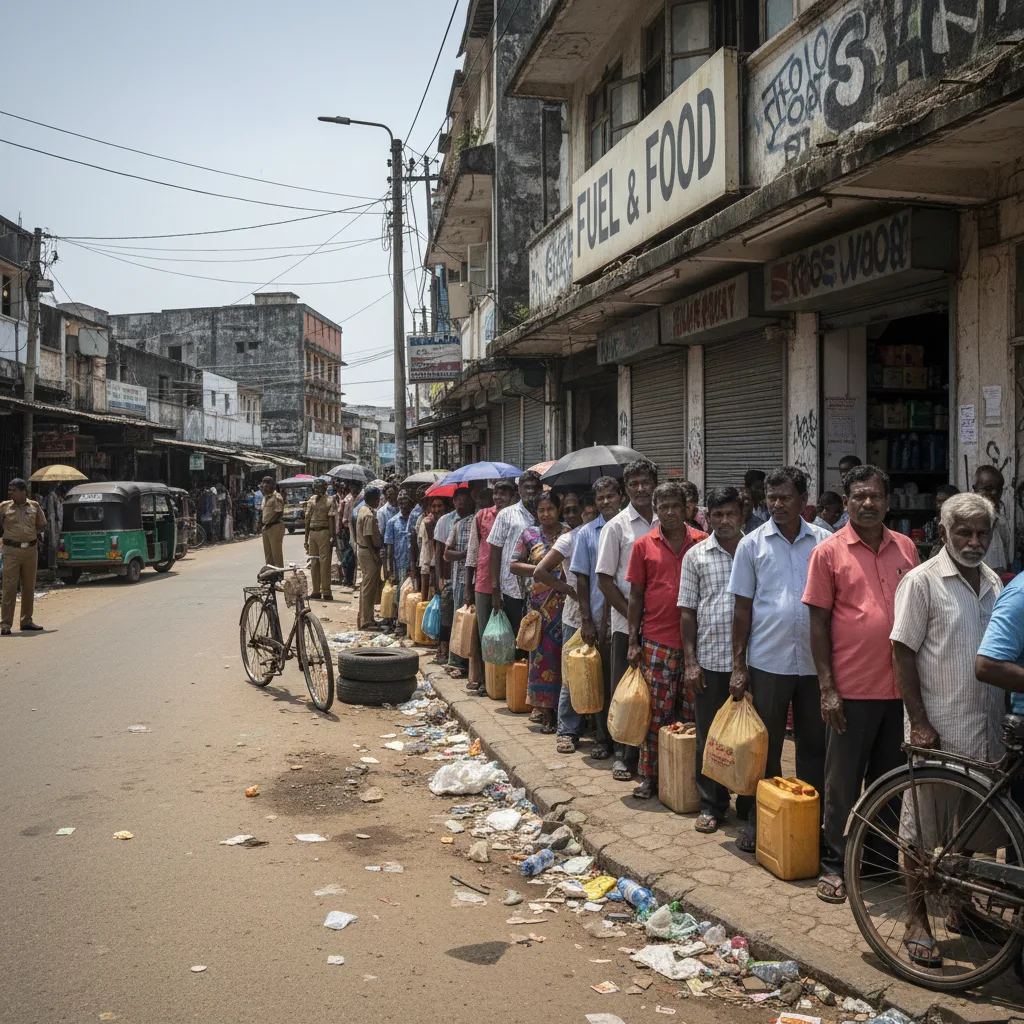
A growing concern is debt burdens. As global interest rates rise, the cost of servicing external debt becomes a significant strain, especially for countries that borrowed heavily during periods of low interest. Sri Lanka’s severe economic crisis in 2022, fueled by unsustainable debt, currency depreciation, and dwindling foreign reserves, serves as a stark reminder of these risks. Compounding these issues is the disproportionate impact of climate change, with many emerging nations, particularly those in vulnerable coastal or arid regions, facing severe consequences from extreme weather events, threatening food security and displacing populations. Despite these formidable obstacles, innovation often flourishes in adversity.
Innovation from the Ground Up: Tech Hubs and Sustainable Solutions
Against a backdrop of challenges, emerging economies are proving to be fertile ground for innovation, often developing solutions uniquely tailored to their contexts that later find global relevance. This is particularly evident in the rise of vibrant tech hubs. Bengaluru, India, famously dubbed the “Silicon Valley of India,” is a global leader in software development and IT services, home to countless startups and R&D centers for multinational corporations. Lagos, Nigeria, has emerged as a major hub for fintech, with companies like Flutterwave and Paystack revolutionizing digital payments across Africa. São Paulo, Brazil, is a hotbed for agritech and cleantech, leveraging its agricultural prowess and renewable energy potential. These hubs are fostering local talent and creating groundbreaking solutions for everything from last-mile delivery to personalized healthcare.
Beyond digital innovation, there’s a strong drive towards sustainable development. Many emerging nations are leading the charge in adopting renewable energy sources, often bypassing older, fossil-fuel-dependent infrastructure. Costa Rica, for example, consistently generates over 98% of its electricity from renewable sources, primarily hydro, geothermal, and wind. Rwanda has gained international recognition for its progressive environmental policies, including a nationwide ban on plastic bags since 2008, promoting a circular economy and setting a high bar for ecological stewardship.
This “innovation from the ground up” extends to social solutions, too. Microfinance institutions, pioneered by figures like Nobel laureate Muhammad Yunus in Bangladesh, have empowered millions of low-income entrepreneurs, demonstrating how financial inclusion can drive economic upliftment. Health tech startups are developing affordable diagnostic tools and telemedicine solutions to bridge healthcare gaps in remote areas. These localized innovations are not just improving lives within their borders; they are offering blueprints for a more equitable and sustainable global future, and in doing so, are fundamentally altering global trade and investment patterns.
The Global Rebalance: Investment Flows and Trade Dynamics
The ascent of emerging economies has fundamentally reshaped global financial arteries and trade routes. Foreign Direct Investment (FDI), once flowing predominantly from developed nations to a select few, is now a far more complex web. While Western companies continue to invest, there’s a significant increase in South-South cooperation, with countries like China and India investing heavily across Africa, Latin America, and Southeast Asia. Beijing’s Belt and Road Initiative, for instance, has funded massive infrastructure projects from railways in Kenya to ports in Pakistan, profoundly altering economic landscapes and creating new trade corridors.
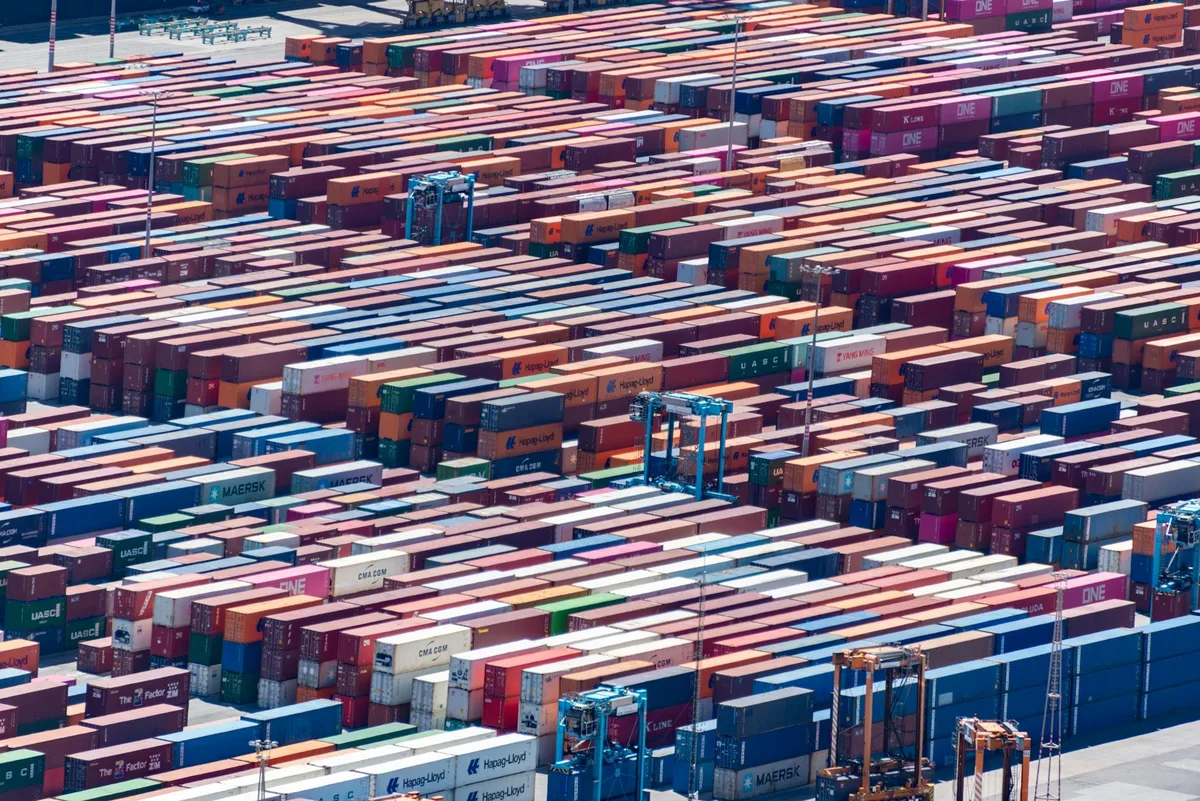
This shift is also evident in supply chain diversification. The “China Plus One” strategy, where companies seek to reduce over-reliance on a single manufacturing base, has significantly benefited countries like Vietnam, Mexico, and India. Vietnam, with its strategic location and competitive labor costs, has attracted manufacturing giants relocating production facilities, leading to a surge in its exports. Mexico, leveraging its proximity to the United States and favorable trade agreements like the USMCA, has become an increasingly attractive destination for nearshoring, particularly in the automotive and electronics sectors.
Furthermore, regional trade blocs within emerging economies are gaining prominence, strengthening intra-regional trade and reducing dependence on traditional global powers. Groups like ASEAN (Association of Southeast Asian Nations) and Mercosur (Southern Common Market in South America) are fostering deeper economic integration, creating larger internal markets and enhancing their collective bargaining power on the world stage. This intricate dance of capital and goods is not just theoretical; it’s playing out in specific nations, each carving its unique path to prosperity.
Case Studies: Spotlighting Key Emerging Economies
 To truly grasp the diverse narratives within **emerging economies**, let's zoom in on a few standout examples, each charting a unique course in this dynamic landscape.
Vietnam stands as a poster child for rapid, export-led growth. Once ravaged by war, it has transformed into a manufacturing powerhouse, attracting significant FDI from multinational corporations like Samsung, Intel, and Apple suppliers. Its strategic location, young and adaptable workforce, and pro-business policies have enabled its GDP to grow at an average of 6-7% annually for decades. In 2023, Vietnam’s exports of goods reached an estimated $355.5 billion, showcasing its deep integration into global supply chains, particularly in electronics, textiles, and footwear. This robust export engine, coupled with a burgeoning domestic market, positions Vietnam as a crucial player in the global economy.
Across the South China Sea, Indonesia, the world’s fourth most populous nation and Southeast Asia’s largest economy, presents a different model. With over 270 million people spread across thousands of islands, its strength lies in its vast domestic market and rich natural resources, including nickel, coal, and palm oil. Indonesia is also a rising star in the digital economy, with a vibrant startup scene and massive growth in e-commerce and ride-hailing services. Its government is actively promoting downstream processing of its raw materials, aiming to add value and move up the industrial ladder, as seen in its ambitious plans for electric vehicle battery production.
 On the European front, **Poland** exemplifies a successful transition from a centrally planned economy to a thriving market economy within the European Union. Leveraging its skilled workforce, strategic location, and access to the EU single market, Poland has become a magnet for FDI, particularly in manufacturing, automotive, and business services. Companies like Volkswagen, LG, and Amazon have established significant operations there. Its economy has consistently outperformed many Western European counterparts, with GDP per capita nearly doubling since its EU accession in 2004, demonstrating the power of institutional integration and strategic economic reforms. These diverse trajectories underscore the profound and lasting impact these nations are having.
Conclusion: The Enduring Impact of Emerging Economies
The narrative of emerging economies is far more than a collection of economic statistics; it is a story of resilience, innovation, and an undeniable shift in global power dynamics. From the demographic dividends of India and Nigeria to the digital leapfrogging in Kenya, and the manufacturing might of Vietnam, these nations are not just catching up—they are actively redefining the global economic order. Their journey, while often fraught with challenges like political instability, infrastructure gaps, and debt burdens, is characterized by an unwavering drive to innovate and adapt, often yielding groundbreaking solutions in tech and sustainability.
The global rebalance is real: investment flows are diversifying, supply chains are evolving, and new trade partnerships are forging a more multipolar world. The rise of emerging economies means more diverse markets, new sources of innovation, and a broader range of voices shaping the future. Understanding their complexities, celebrating their successes, and acknowledging their ongoing struggles is paramount for businesses, policymakers, and indeed, every global citizen. Their trajectory will undoubtedly be one of the most compelling and consequential narratives of the 21st century, impacting everything from the products we buy to the geopolitical landscape we inhabit. The world is changing, and the engines of that change are roaring louder than ever from the heart of these dynamic and vital economies.
You might also like:
👉 Emerging vs. Developing Economies: Understanding Global Distinctions
👉 Invest in Emerging Economies: Unlocking Global Growth Potential
👉 Globalization’s Impact on Financial Markets: Opportunities & Risks