
Energy Independence & Self-Sufficiency: Reshaping Our World
Explore how energy independence and self-sufficiency are transforming global power dynamics and individual resilience. Discover the benefits of unplugging from traditional grids and securing your own energy future.
The Great Unplugging: How Energy Independence and Self-Sufficiency are Reshaping Our World
Imagine this: a sudden, unexpected blackout plunges your entire neighborhood into darkness. The hum of the refrigerator dies, the Wi-Fi signal vanishes, and the comforting glow of your screens disappears. For most, this means immediate vulnerability – a scramble for candles, a silent prayer for the grid to hum back to life. But what if, in that very moment, your lights flickered on, your fridge kept humming, and your internet connection remained steadfast, powered by your own personal energy fortress? This isn’t a dystopian fantasy or a prepper’s pipe dream; it’s the tangible promise of energy independence and self-sufficiency, a movement rapidly gaining momentum and fundamentally reshaping how we power our lives.
For decades, our societies have been tethered to centralized grids, vulnerable to geopolitical whims, natural disasters, and the volatile economics of fossil fuels. But a powerful shift is underway, driven by innovation, necessity, and a profound desire for control. We’re talking about individuals, communities, and even nations taking charge of their energy destiny, generating, storing, and managing their own power. This article will pull back the curtain on this revolution, exploring the fascinating technologies, the pioneering spirits, and the profound implications for our shared future. Are you ready to discover what it truly means to be unplugged, yet more connected than ever?
The Unseen Threads: Why Our Quest for Energy Independence is Accelerating
 The drive toward self-sufficiency isn't a sudden whim; it's a response to a confluence of urgent global forces. Consider the chilling winter of 2022, when Europe faced an unprecedented energy crisis, triggered by Russia's weaponization of natural gas supplies. Nations that had grown reliant on a single external source suddenly confronted the stark reality of their geopolitical vulnerability. This stark lesson underscored the critical need to disentangle from unreliable supply chains and fortify national energy security.
Beyond geopolitical instability, the undeniable march of climate change provides an even more profound impetus. The devastating impacts of extreme weather events, from raging wildfires in California to unprecedented floods in Pakistan, serve as stark reminders of our planet’s fragility and the urgent imperative to decarbonize. Shifting from fossil fuels to renewable energy sources isn’t just an environmental choice; it’s a strategic imperative for long-term planetary and economic stability, aligning with the ambitious goals set by the Paris Agreement.

Finally, the economic volatility of traditional energy markets adds another layer of urgency. Fluctuating oil and gas prices can cripple industries, inflate household bills, and destabilize national economies. By embracing localized, renewable energy production, communities and nations can insulate themselves from these wild price swings, fostering economic resilience, creating green jobs, and keeping more energy dollars circulating within local economies. The question is no longer if we transition, but how quickly and how comprehensively.
The Toolkit of Tomorrow: Technologies Powering Self-Sufficiency
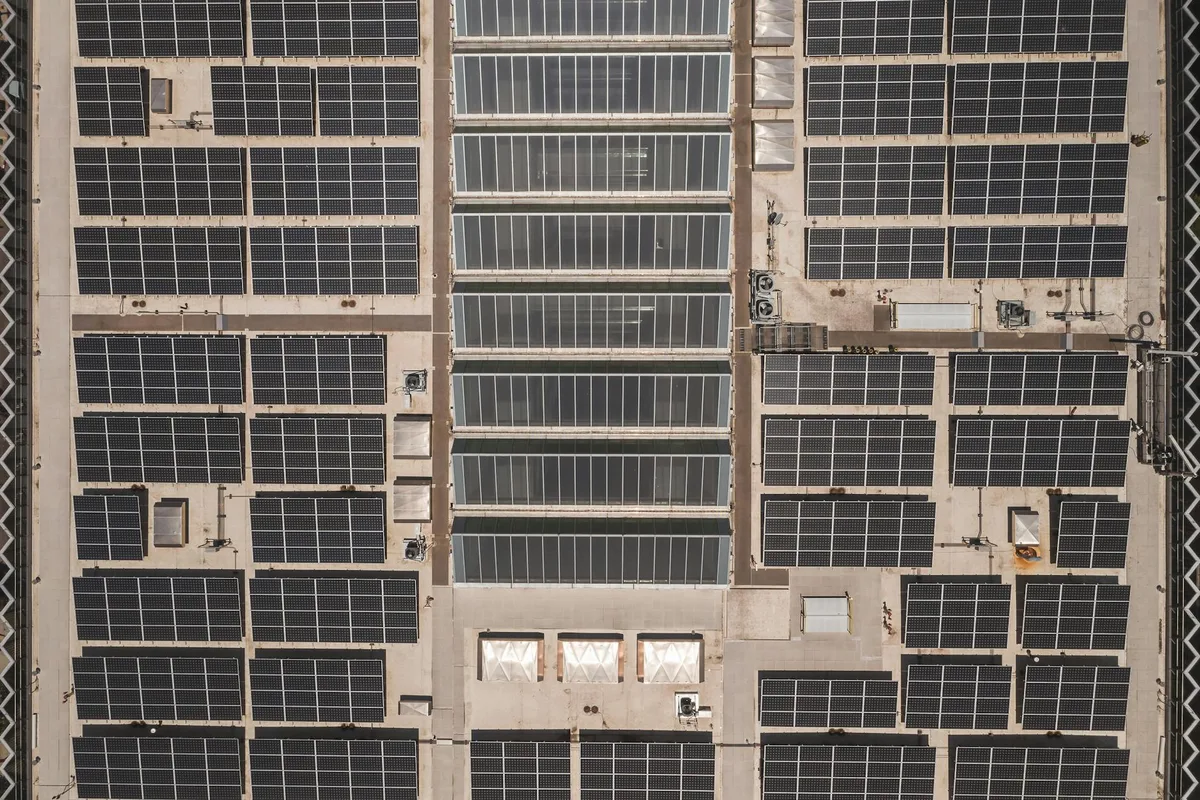 The dream of generating your own power has been around for decades, but it's the breathtaking pace of technological innovation that has made **energy independence** a practical reality for the masses. At the forefront, of course, are **solar photovoltaic (PV) panels**. From sleek rooftop arrays on suburban homes to sprawling community solar farms, the efficiency and affordability of solar power have skyrocketed. Breakthroughs in materials science, like the emerging promise of perovskite cells, continue to push the boundaries, making solar energy generation more accessible and productive than ever before.
Yet, generating power is only half the battle; storing it is the crucial next step. This is where battery storage comes into its own. Residential solutions like the Tesla Powerwall and Enphase Encharge systems allow homeowners to store excess solar energy during the day and use it at night, or during grid outages. On a larger scale, monumental projects like the Hornsdale Power Reserve in South Australia, a 100 MW/129 MWh battery array installed by Tesla, demonstrate the transformative potential of grid-scale storage to stabilize grids and integrate massive amounts of intermittent renewable energy.
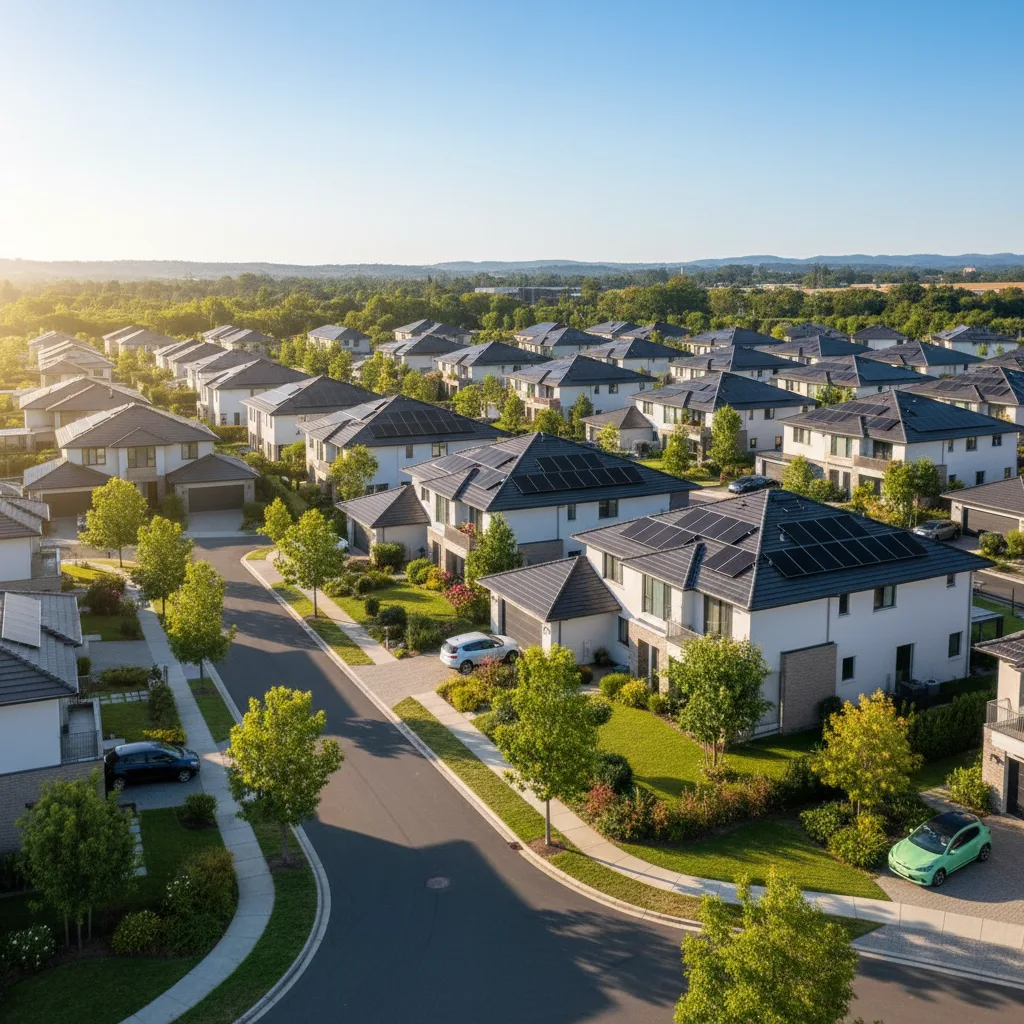
But the toolkit extends far beyond just solar and batteries. Microgrids, self-contained energy systems that can operate independently of the main grid, are emerging as powerful solutions for communities, campuses, and military bases. Projects like the Brooklyn Microgrid, which enables peer-to-peer energy trading among residents, showcase innovative distributed energy models. Add to this the growing adoption of small-scale wind turbines, highly efficient geothermal heat pumps, and sophisticated smart energy management systems that optimize consumption and generation, and you have a comprehensive suite of tools empowering true energy self-sufficiency. The future of power is no longer just about generation; it’s about intelligent management and robust storage.
The Vanguard: Real-World Examples of Energy Independence in Action
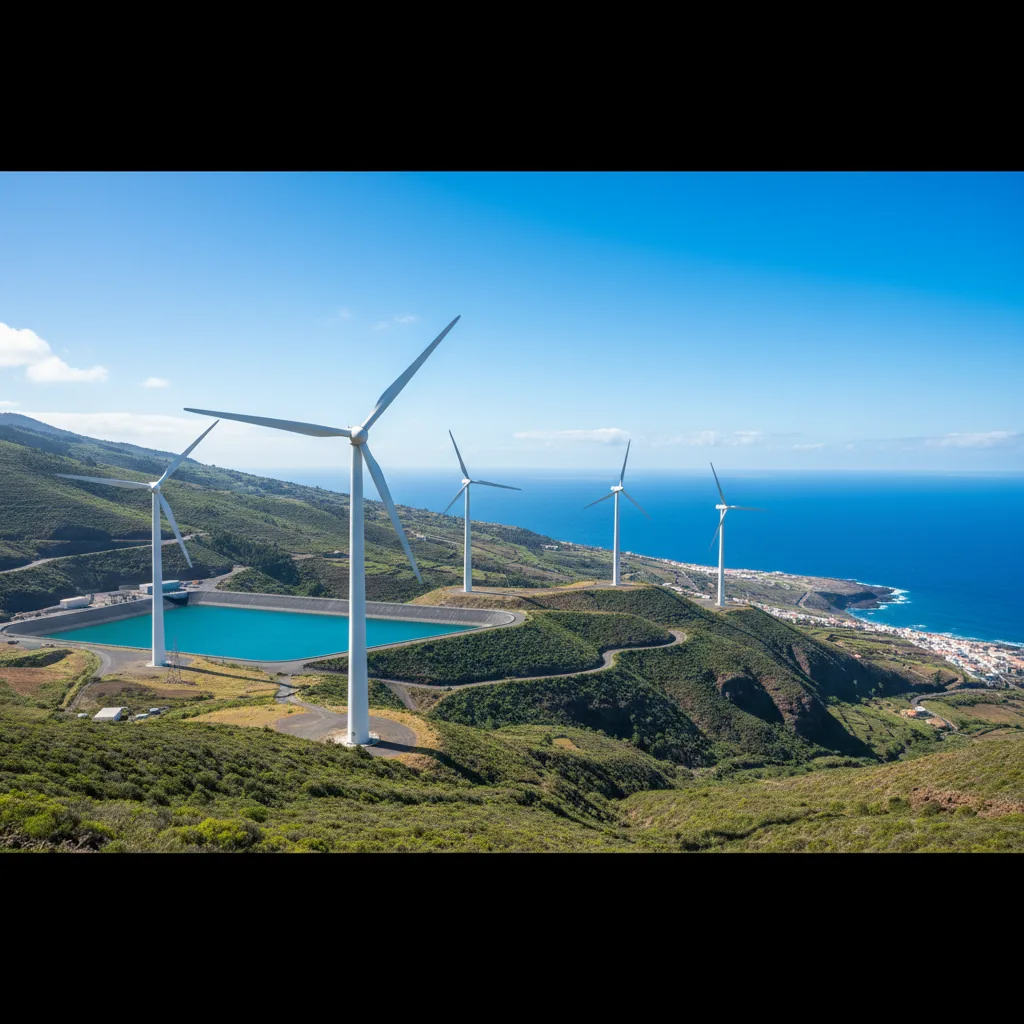
The concept of energy independence isn’t confined to white papers and lab experiments; it’s being lived out by pioneers across the globe. Take the example of the island of El Hierro, one of Spain’s Canary Islands. In 2014, El Hierro achieved a remarkable milestone: becoming the first island in the world to be powered almost entirely by renewable energy. Their Gorona del Viento power plant combines five wind turbines with a pumped-hydro storage system, allowing the island to run on 100% wind and hydro power for extended periods, showcasing a complete, self-sufficient energy ecosystem.
On a community level, cities like Freiburg, Germany, have long been hailed as global leaders in urban sustainability. With pioneering solar architecture, extensive public transport, and a strong emphasis on citizen participation in renewable energy projects, Freiburg demonstrates how an entire municipality can embrace and benefit from localized energy self-sufficiency. Its Vauban district, in particular, is a beacon of passive house design and integrated solar solutions, where residents actively produce and manage their own power.
Beyond these large-scale examples, countless individuals are forging their own paths. Consider the “off-grid” movement, where families construct homes designed to operate entirely independent of public utilities. From a remote cabin in Montana powered by solar and micro-hydro to a suburban home in Arizona meticulously designed for net-zero energy consumption, these personal acts of energy independence are proving that a life unchained from the grid is not only possible but increasingly desirable. These pioneers aren’t just saving money; they’re building resilience and demonstrating a pathway for others to follow.
The Untapped Riches: Economic & Environmental Dividends of Self-Sufficiency
The pursuit of energy independence isn’t merely an ideological stance; it delivers tangible and significant benefits, both financial and ecological. For homeowners and businesses, the most immediate reward is often a dramatic reduction, or even elimination, of monthly energy bills. Imagine a fixed cost for your power for decades, insulated from the volatile price hikes of utilities. This financial predictability, coupled with the potential for increased property values for homes equipped with solar and storage, makes the initial investment a powerful long-term asset.
Environmentally, the shift to energy self-sufficiency is nothing short of transformative. By relying on renewable sources like solar and wind, individuals and communities drastically reduce their carbon footprint, contributing directly to the fight against climate change. This also means cleaner air, less water pollution associated with fossil fuel extraction, and the preservation of natural habitats. Every kilowatt-hour generated independently from fossil fuels is a victory for the planet, moving us closer to a sustainable, low-carbon future.
Furthermore, the growth of localized energy systems fuels a new wave of economic development. The burgeoning renewable energy sector creates millions of green jobs globally, spanning manufacturing, installation, maintenance, and innovative software development for smart grids. These are often local jobs, strengthening regional economies and fostering a skilled workforce. Energy independence isn’t just about switching power sources; it’s about building a more robust, equitable, and sustainable economic future for everyone.
The Hurdles Ahead: Navigating the Path to Widespread Energy Independence
While the allure of energy independence and self-sufficiency is undeniable, the path to widespread adoption is not without its challenges. The most significant hurdle for many remains the initial upfront investment. Installing solar panels, battery storage, and other necessary infrastructure can be costly, often requiring substantial capital. While government incentives, tax credits, and innovative financing models like Power Purchase Agreements (PPAs) are helping to alleviate this, the “solar coaster” of fluctuating policy support can create uncertainty for consumers and businesses alike.
Beyond cost, the existing regulatory and infrastructural landscape often lags behind technological advancements. Outdated grid infrastructure, designed for one-way power flow from large central plants, struggles to accommodate the complexities of distributed generation and two-way energy trading. Permitting processes can be cumbersome, and local zoning laws sometimes create unnecessary barriers to installing renewable energy systems. Overcoming NIMBYism (“Not In My Backyard”) for larger community projects also requires persistent public education and engagement.
Finally, technical challenges persist, particularly concerning the intermittency of renewable sources like solar and wind. While battery storage is rapidly improving, ensuring consistent, reliable power at scale requires sophisticated grid management, robust forecasting, and diverse energy portfolios. Cybersecurity also emerges as a critical concern for smart grids and interconnected energy systems. The journey to a fully self-sufficient energy future demands not just technological innovation, but also policy foresight, infrastructural modernization, and a commitment to continuous adaptation.
The Unstoppable Current: A Future Forged in Energy Independence
We stand at a pivotal moment, witnessing a profound transformation in our relationship with energy. The flickering lights of a past dependent on centralized, often volatile, power sources are giving way to the steady, resilient glow of energy independence and self-sufficiency. From the individual homeowner installing a rooftop solar array to island nations powering themselves entirely with renewables, the narrative is shifting from vulnerability to empowerment, from reliance to resilience.
This isn’t a distant utopian vision; it’s a reality unfolding before our eyes, driven by an unstoppable current of technological innovation, economic necessity, and environmental imperative. The pioneers have shown us the way, the technologies are mature, and the benefits are clear. While challenges remain, they are surmountable with collective will, smart policy, and continued investment in research and development.
The future of energy isn’t just about megawatts and gigawatts; it’s about autonomy, security, and a sustainable legacy for generations to come. It’s about taking control, not just of our power sources, but of our destiny. Are we ready to fully embrace this future and plug into a world where every flicker of light is a testament to our own ingenuity and resilience? The answer, unequivocally, is yes.
You might also like:
👉 Energy Independence: Pros, Cons, and National Strategy
👉 Understanding Energy Independence: Security, Economy, Future