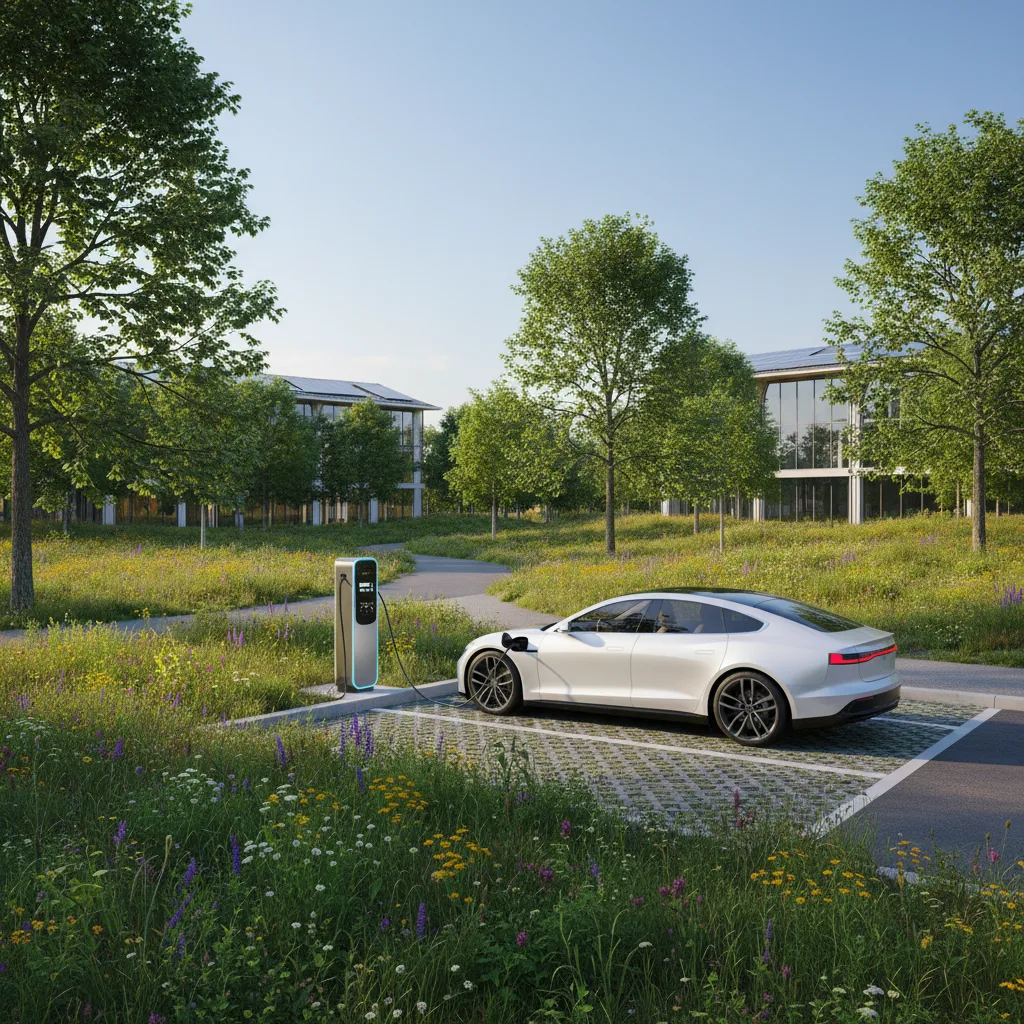
Future Electric Vehicles: Unmasking Cost & Sustainable Transport
Explore the true cost and immense promise of future electric vehicles and sustainable transportation. Uncover their historical roots and impact on modern mobility.
The Silent Charge: Unmasking the True Cost and Promise of Future Drive Electric Vehicles and Sustainable Transportation
 What if the future of personal mobility wasn't a sleek, hyper-advanced marvel born of silicon and algorithms, but a forgotten echo from the past, resurrected by necessity? Consider this: In 1899, electric vehicles outsold gasoline cars in the United States. New York City boasted a fleet of electric taxis. Ferdinand Porsche, yes, *that* Porsche, engineered an electric car in 1900. The internal combustion engine's eventual dominance was not inevitable, but a confluence of cheap oil, improved infrastructure, and clever marketing. Today, as the planet verges on climate catastrophe, we find ourselves, paradoxically, back at the crossroads of the 19th century. The global push for **future drive electric vehicles** is not merely an innovation; it is a desperate, complex gamble on a sustainable tomorrow, fraught with hidden challenges and profound geopolitical implications. This is not a simple narrative of progress, but an intricate investigation into the energy transition's underbelly, where every electrifying promise casts a long, often inconvenient, shadow.
The Resurgence: From Niche Curiosity to Global Imperative
The shift began subtly, a hum on the horizon. For decades, electric vehicles (EVs) were relegated to the realm of golf carts and niche enthusiasts. Then came Tesla. With the Roadster in 2008 and the Model S in 2012, Elon Musk’s audacious gamble proved that EVs could be desirable, high-performance machines, not just eco-conscious compromises. This disruption forced legacy automakers like General Motors, Volkswagen, and Ford to pivot, investing billions into electrification. By 2023, global EV sales soared past 14 million units, representing an 18% share of the total car market, a monumental leap from just 4% in 2020. China, for instance, now accounts for over 60% of all new EV registrations worldwide, with brands like BYD challenging established giants. Norway, a nation fueled by oil wealth, has become an unlikely EV leader, with over 80% of new car sales being electric in 2023, driven by aggressive tax incentives and a robust charging network. This rapid adoption, however, masks a deeper inquiry: is this surge a true environmental triumph, or merely a shift in the location of our ecological footprint?

Powering Tomorrow: Unveiling Battery Breakthroughs and Beyond
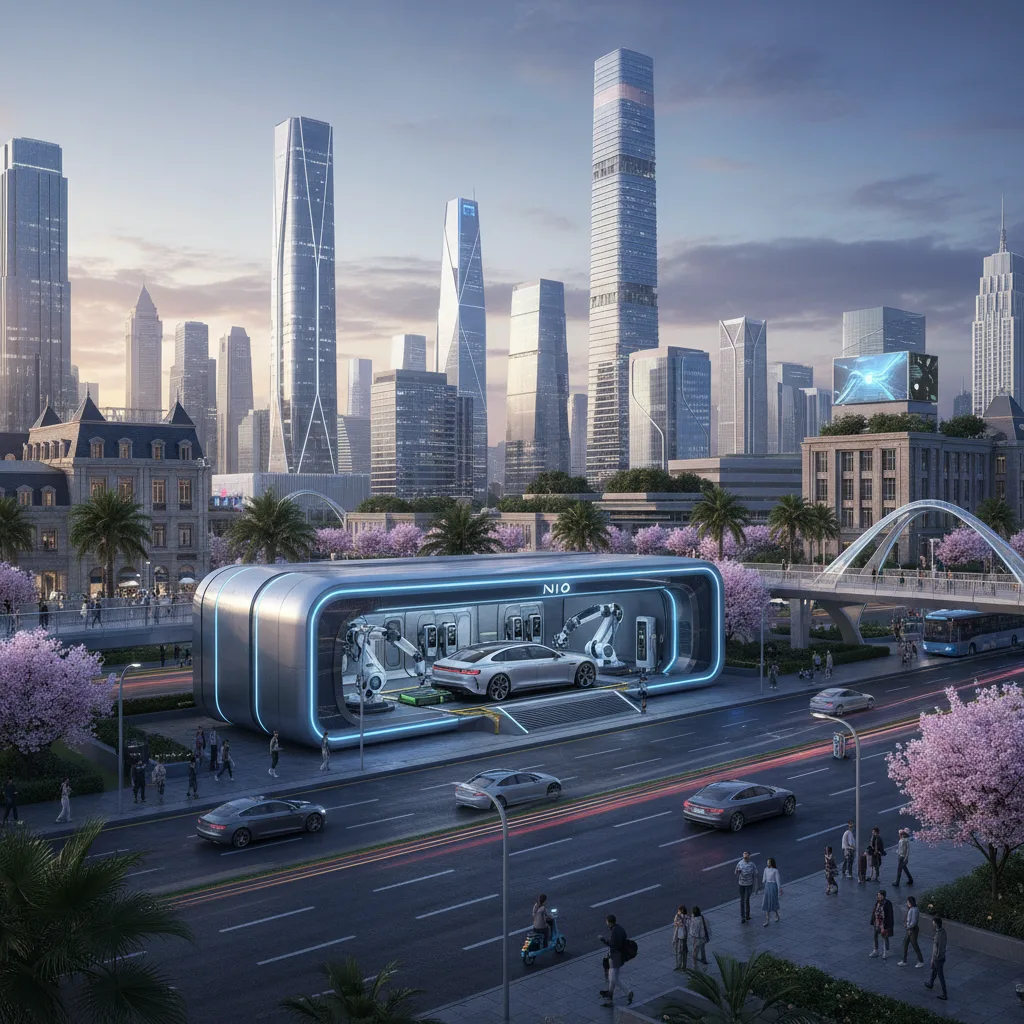
At the heart of every future drive electric vehicle lies its battery—a complex chemical marvel, and often, a material bottleneck. The ubiquitous lithium-ion battery, refined over decades, powers most EVs today, offering energy density and relatively long lifespans. However, its limitations are well-documented: reliance on finite, geographically concentrated raw materials like lithium, cobalt, and nickel; susceptibility to degradation over time; and charging speeds that still lag behind conventional refueling. The investigative lens, however, focuses on what lies beyond. Companies like QuantumScape and Solid Power are making significant strides in solid-state battery technology, promising higher energy density, faster charging, and enhanced safety by replacing liquid electrolytes with solid ones. Researchers at MIT and Stanford are exploring alternative chemistries, from abundant sodium-ion batteries, suitable for urban vehicles and grid storage, to advanced LFP (lithium iron phosphate) formulations that reduce dependence on cobalt. Furthermore, innovations extend to charging infrastructure, with companies like Electrify America expanding 350 kW DC fast chargers, and Nio pioneering rapid battery swapping stations in China and Europe, allowing a full “recharge” in minutes. Yet, the question remains: are these advancements arriving fast enough, and can they truly scale without creating new vulnerabilities?
The Grid Dilemma: Fueling Future Drive Electric Vehicles
The transition to electric mobility isn’t just about cars; it’s fundamentally about energy infrastructure. Millions of new EVs require a robust, resilient, and ideally, renewable-powered grid. The investigative journalist uncovers a critical tension here: an EV powered by electricity generated from coal or natural gas merely shifts emissions from the tailpipe to the power plant. In regions heavily reliant on fossil fuels, the immediate environmental benefit is diminished. The U.S. Energy Information Administration (EIA) projects a significant increase in electricity demand for transportation, potentially straining existing grids. This challenge, however, is also an opportunity. Vehicle-to-Grid (V2G) technology, where EVs can discharge stored energy back into the grid during peak demand or emergencies, is gaining traction. Pilot programs in California and Denmark are demonstrating how EV fleets can act as distributed energy storage, stabilizing the grid and integrating more intermittent renewable sources like solar and wind. Consider the ambitious project by PG&E in California, exploring how school bus fleets can support grid resilience. The dilemma is stark: without a concurrent, aggressive build-out of renewable energy generation and smart grid technologies, the promise of clean EV transportation risks being short-circuited by an outdated, fossil-dependent power infrastructure.
Beyond the Battery: Holistic Sustainable Transportation
 True sustainable transportation extends far beyond the individual electric car. An investigative approach reveals that focusing solely on EVs risks overlooking systemic issues like urban sprawl, traffic congestion, and inequitable access. The most sustainable vehicle, after all, is often no vehicle at all. Urban planners, from the "15-minute city" concept championed in Paris by Mayor Anne Hidalgo to Oslo's ambitious car-free zones, are reimagining urban landscapes to prioritize walking, cycling, and robust public transit. Micro-mobility solutions—electric scooters, e-bikes, and shared mobility services—are filling gaps in the "first mile, last mile" problem, reducing reliance on private cars for short trips. Companies like Lime and Bird operate vast fleets of shared electric scooters across hundreds of cities globally. Furthermore, the advent of **autonomous electric vehicles** (AEVs) promises to revolutionize ride-sharing, potentially reducing the total number of vehicles on the road while increasing utilization rates. The true path to sustainable transportation demands a multi-modal strategy, integrating intelligent infrastructure, efficient public transport, and diverse micro-mobility options, all underpinned by renewable energy. Any investigation into the future of mobility must scrutinize these broader connections, not just the vehicle itself.
Geopolitical Currents: The Race for Resources and Control
 The push for electrification has ignited a fierce, often ethically fraught, geopolitical scramble for critical minerals. Lithium, nickel, cobalt, manganese, and graphite—the building blocks of EV batteries—are not evenly distributed. The "lithium triangle" of Chile, Argentina, and Bolivia holds a significant portion of global reserves, while cobalt production is heavily concentrated in the Democratic Republic of Congo (DRC), often linked to unregulated mining, child labor, and severe environmental degradation. China, meanwhile, dominates the refining and processing of these minerals, controlling much of the global battery supply chain—a strategic advantage that raises concerns in Washington D.C. and Brussels. This dependence creates new vulnerabilities and potential for resource conflicts, a stark contradiction to the "green" narrative. Investigating this supply chain reveals urgent calls for diversified sourcing, ethical mining practices, and robust recycling initiatives. Companies like Redwood Materials, founded by Tesla co-founder JB Straubel, are investing hundreds of millions into large-scale battery recycling plants in Nevada, aiming to create a circular economy for critical minerals. The race for these finite resources is reshaping international relations, exposing the complex, often uncomfortable, trade-offs inherent in the energy transition.
Uncharted Territory: Policy, Ethics, and the Human Element
The shift to future drive electric vehicles is not just technological; it’s a profound societal transformation, raising complex ethical and policy questions. What about the millions of workers in the conventional automotive industry, from engine builders to fuel station attendants, whose livelihoods are threatened by this transition? Governments face the immense challenge of retraining and redeploying this workforce, a task highlighted by union negotiations at Ford and GM. Equity is another critical dimension: without robust incentives and accessible charging infrastructure, EVs risk becoming a luxury commodity, leaving lower-income communities further marginalized. Consider the disparity in charging access between affluent urban centers and rural areas or apartment dwellers. Furthermore, the “right to repair” movement is extending to complex EV batteries, challenging manufacturers’ proprietary control over crucial components. Even seemingly minor issues, like the sudden silence of electric vehicles posing a hazard to pedestrians, particularly the visually impaired, are prompting new regulations on artificial sound emitters. The journey towards sustainable transportation requires navigating these uncharted ethical waters, ensuring the benefits are broadly distributed, and the hidden costs are acknowledged and mitigated.
The Road Ahead: Navigating the Future Drive Electric Vehicles Landscape
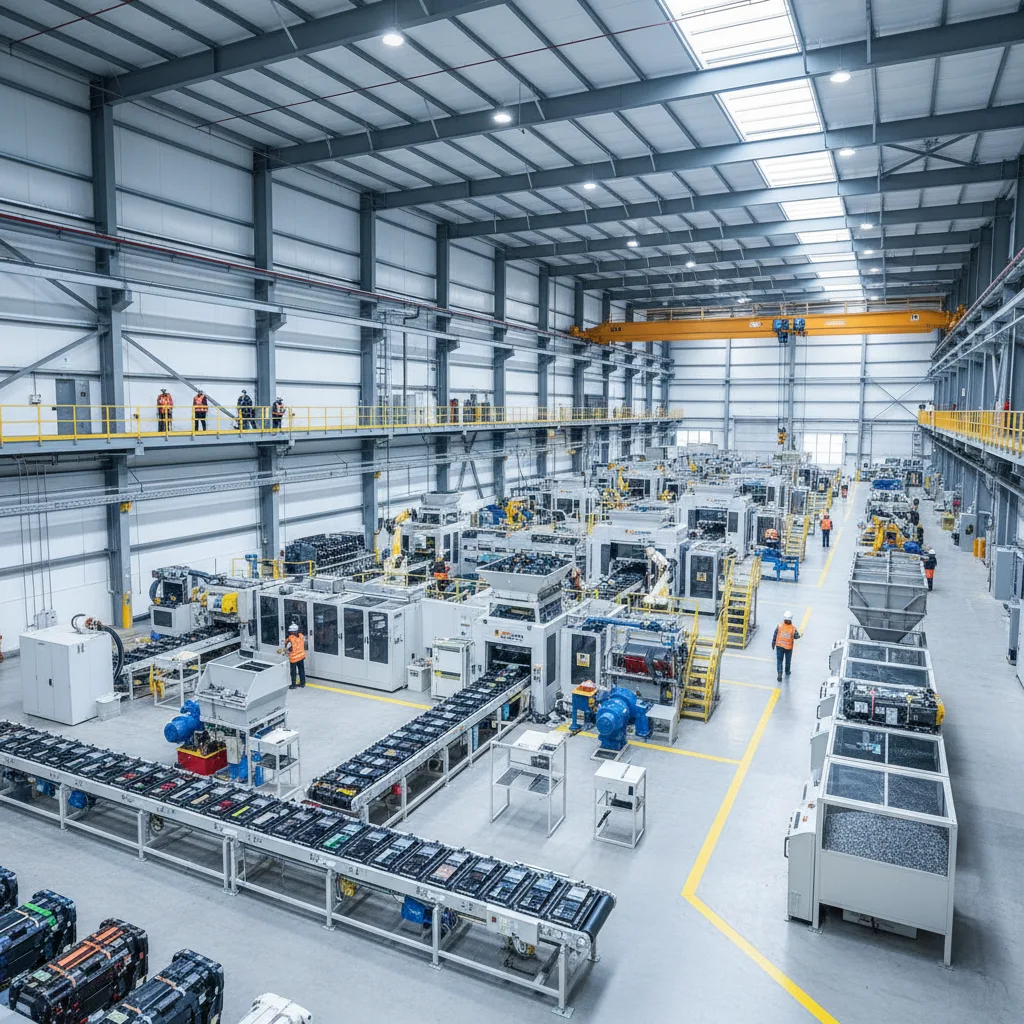
The investigation into future drive electric vehicles and sustainable transportation reveals a landscape of immense promise, yet one riddled with formidable challenges. We are not simply swapping one fuel source for another; we are attempting a complete overhaul of an entrenched global system. The path forward demands relentless innovation in battery technology, a radical transformation of our energy grids towards renewables, and a holistic reconsideration of urban design that prioritizes people over cars. It necessitates a transparent, ethical approach to resource extraction and recycling, alongside proactive social policies that ensure a just transition for all. The tensions are undeniable: the environmental imperative versus geopolitical realities, technological ambition versus infrastructural inertia, individual convenience versus collective sustainability. The silent charge has begun, but its true impact will be determined not just by the engineers and entrepreneurs, but by the policymakers, communities, and citizens who choose to confront its complexities head-on.
FAQ: Unpacking the Electric Future
Q1: Are electric vehicles truly “green” if the electricity comes from fossil fuels? A1: The “well-to-wheel” emissions of an EV depend heavily on the electricity source. While an EV powered by a coal-heavy grid might initially have similar or even higher emissions than an efficient gasoline car, studies consistently show that as grids decarbonize, EVs become significantly cleaner. For instance, a 2021 study by the European Environment Agency found that EVs typically produce 17-30% fewer emissions than gasoline cars, even with current grid mixes, and this advantage grows with renewable energy integration.
Q2: What happens to EV batteries at the end of their life, and are they recyclable? A2: EV batteries are designed for long lifespans, often exceeding 8-10 years or 100,000-150,000 miles. At end-of-life, they have significant “second-life” potential for stationary energy storage in homes or grids. Beyond that, specialized recycling facilities can recover valuable materials like lithium, cobalt, and nickel, reducing the need for new mining. Companies like Redwood Materials are building large-scale operations to make battery recycling economically viable and efficient, aiming for over 95% material recovery.
Q3: Will our existing electricity grids be able to handle millions of new electric vehicles? A3: This is a significant challenge but not insurmountable. While peak demand could strain local grids, smart charging technologies, demand-response programs, and Vehicle-to-Grid (V2G) capabilities can help manage loads. Crucially, substantial investment in grid modernization, renewable energy generation, and energy storage solutions is required. Many utilities are actively planning and upgrading infrastructure to accommodate the anticipated growth in EV adoption.
Q4: Are electric vehicles becoming affordable for the average consumer? A4: While initial purchase prices for EVs have historically been higher than comparable gasoline cars, prices are steadily decreasing due to technological advancements, economies of scale, and increased competition. Government incentives, such as federal tax credits (e.g., up to $7,500 in the U.S.) and state rebates, further reduce the effective cost. When considering lower fuel costs (electricity vs. gasoline) and reduced maintenance, the total cost of ownership for EVs is increasingly competitive, making them more accessible to a broader market segment.
The journey toward future drive electric vehicles and sustainable transportation is less a direct highway and more a complex, multi-faceted expedition across varied terrain. It demands vigilance, critical thinking, and a willingness to confront inconvenient truths. The promise of cleaner air and a stable climate hangs in the balance, a future we must earn, not merely inherit.
You might also like:
👉 Electric Cars Future: Definitive Guide & Debate (EVs)
👉 El Futuro de los Vehículos Eléctricos: Guía Definitiva y Debate
👉 L’avenir des voitures électriques : Guide définitif et débat (VE)