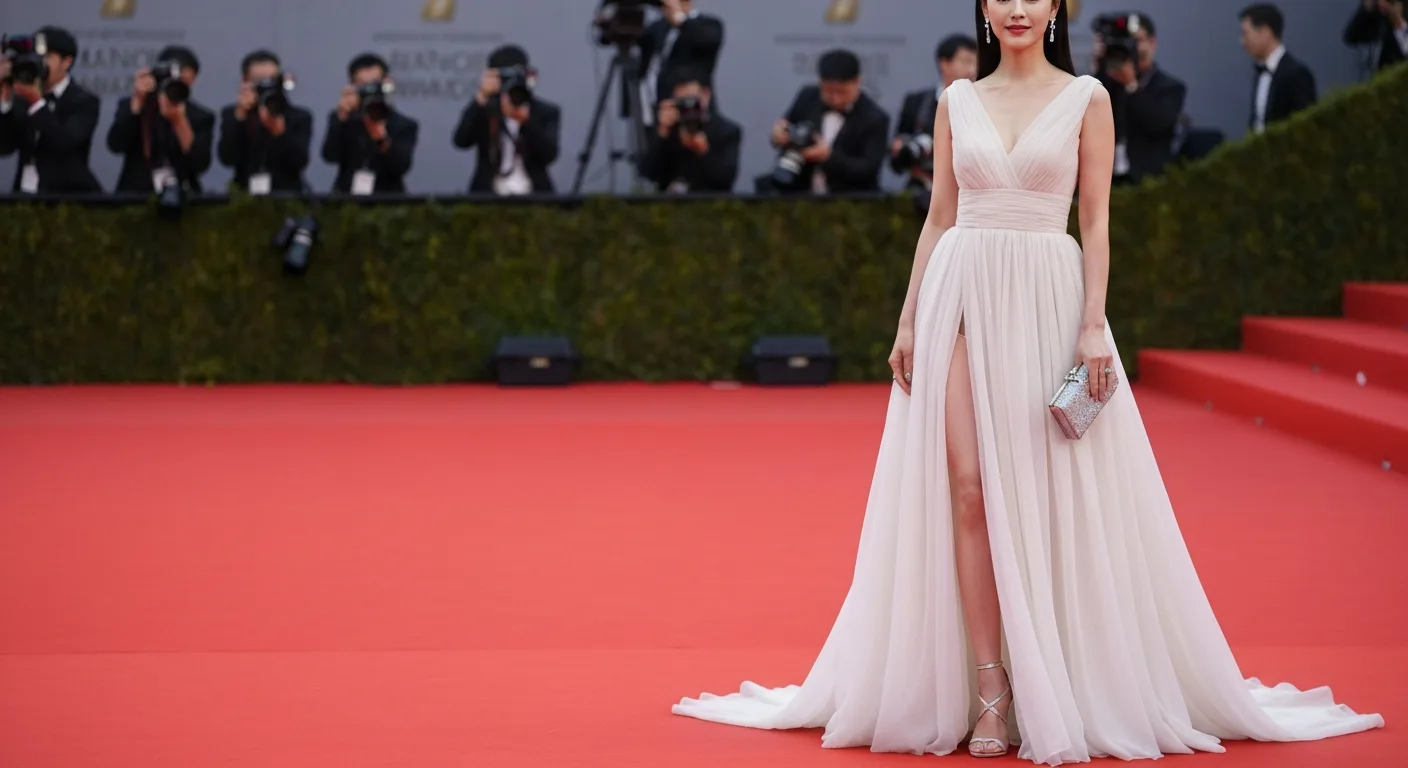
Shim Hye-jin's 1996 Black Dress: Korean Red Carpet Beginnings
On October 23, 1996, Shim Hye-jin's simple black dress at the Busan Film Festival marked the quiet birth of Korean red carpet fashion.
The story of Korean red carpet fashion
The story of Korean red carpet fashion began modestly. On October 23, 1996, actress Shim Hye-jin attended the inaugural Busan International Film Festival. She wore a simple, elegant black dress. It reflected a nascent industry, a quiet beginning. Korean cinema was just finding its voice.
South Korea rapidly industrialized after the Korean War. By the late 20th century, its cultural output surged. The entertainment industry was active locally, but had limited global reach. Film festivals like BIFF and awards ceremonies such as the Grand Bell Awards gave stars a stage. These events let them connect with the public. They also offered a glimpse into a developing fashion scene.
Early Korean red carpet fashion largely mirrored Western trends. Designers often looked to Hollywood for inspiration. Stars favored classic, elegant silhouettes. The focus was on elegance and modesty. This laid the groundwork for bolder styles to come.
The Korean Wave brings bolder fashion
The early 2000s saw “Hallyu,” the Korean Wave, go global. Korean dramas and films won over audiences across Asia. This popularity put Korean celebrities under a spotlight. Their public appearances mattered more. Red carpet events became major media spectacles.
On December 6, 2003, actress Kim Hye-soo appeared at the Blue Dragon Film Awards. She wore a striking, low-cut gown. The dress broke from conservative choices. It sparked widespread discussion. Many saw it as a bold statement of individuality.
This time marked a clear shift from imitation. Stylists began to experiment more. Local designers got more recognition. They wove distinct Korean elements into their designs. Fashion critic Lee Min-ji noted in a 2005 interview. She said, “Korean stars are beginning to find their own voice. They are moving beyond simply following Hollywood.” This confidence led to unique fashion.
Demand for distinct red carpet looks surged. Celebrity stylists, once rare, became vital. They worked closely with stars and designers. They aimed to craft memorable, striking outfits. This professionalization lifted the whole red carpet experience.

Actress Kim Hye-soo's striking, low-cut gown at the 2003 Blue Dragon Film Awards was a pivotal moment, breaking from conservative choices and sparking widespread discussion as a bold statement of individuality in Korean fashion. (Source: kbizoom.com)
Korean stars go global, brands follow
The mid-2010s saw Hallyu’s global reach speed up. K-pop groups like BTS and Blackpink won massive international fan bases. Korean actors won worldwide acclaim. Films like “Parasite” won major international awards, including the Palme d’Or at Cannes in 2019. These successes put Korean celebrities on the world’s biggest red carpets.
On May 14, 2019, director Bong Joon-ho and his “Parasite” cast walked the red carpet at the 72nd Cannes Film Festival. They wore a mix of classic tuxedos and elegant gowns. Their presence signaled a new era for Korean cinema. It also showed off refined Korean styling.
Korean stars became hot commodities as brand ambassadors for luxury fashion houses. Jennie Kim of Blackpink partnered with Chanel. Actor Gong Yoo represented Louis Vuitton. This partnership brought Korean fashion global. It also funded elaborate red carpet looks. A 2018 report by the Korea Creative Content Agency (KOCCA) showed a 30% increase in luxury brand endorsements by Korean celebrities. This rise occurred since 2015. This surge proved their growing influence.
The look evolved. It mixed modern luxury with subtle nods to Korean heritage. Sometimes, traditional motifs or fabric textures appeared in contemporary designs. This fusion created a unique “K-fashion” identity on international stages. It showed a confident blend of tradition and trendsetting.
What’s next for Korean red carpet fashion
Korean red carpet fashion keeps changing. It now embraces diversity and individuality more than ever. Gendered fashion lines are blurring. Men experiment with fluid silhouettes and bold colors. Women often choose powerful, tailored suits.
On February 9, 2020, actor Choi Woo-shik attended the 92nd Academy Awards. He was part of the “Parasite” ensemble. He wore a sleek tuxedo with a subtle modern cut. His appearance, alongside his co-stars, cemented Korea’s fashion presence at Hollywood’s biggest event. Their collective style showed refined elegance.
Sustainability is now a key concern for designers and stylists. People care more about ethical sourcing and upcycled fashion. Professor Kim Ji-yeon of Seoul National University specializes in cultural studies. She stated in a recent symposium, “The next frontier for Korean red carpet fashion involves conscious consumption. We’ll see more eco-friendly choices.” This mirrors broader global trends.
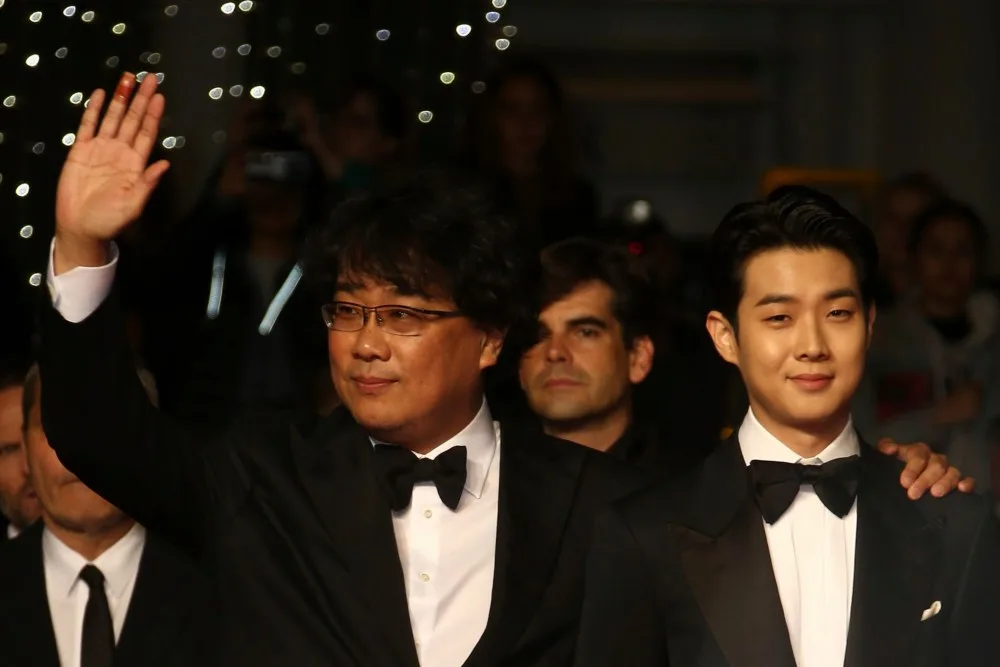
Director Bong Joon-ho and the cast of 'Parasite' made a historic appearance at the 72nd Cannes Film Festival in 2019, where the film won the Palme d'Or. Their refined styling on the red carpet signaled a new era for Korean cinema and fashion on the global stage. (Source: variety.com)
Korean designers, like Lie Sang-bong and Miss Gee Collection, are getting more international attention. They dress stars for global events. Their unique perspectives add to a varied, diverse fashion scene. This influence means Korean red carpet fashion stays a global trendsetter. It will keep developing, ensuring its place as a true style leader.
Korean Red Carpet Fashion: Your questions answered
Q1: How has K-pop influenced red carpet fashion in Korea? A1: K-pop idols often try new fashion with bold, experimental looks. Their unique styles encourage actors and designers to adopt more adventurous, trend-setting aesthetics on the red carpet. This created a more diverse, exciting fashion scene.
Q2: What are some major Korean red carpet events? A2: Major Korean red carpet events include the Busan International Film Festival (BIFF), the Baeksang Arts Awards, the Blue Dragon Film Awards, and the Grand Bell Awards. These are significant ceremonies. These ceremonies are big stages for celebrity fashion. Media covers them widely.
You might also like:
👉 Taylor Swift’s Partner: The Brutal Price of Public Love
👉 Michael Jackson’s Estate: Who is Co-Executor John McClain?
👉 Xavi Hernández: Mind-Bending Facts About a Football Maestro