Lewis Hamilton vs. Nico Rosberg: Deconstructing F1's Fiercest Rivalry
Explore the intense 2014-2016 F1 rivalry between Mercedes teammates Lewis Hamilton and Nico Rosberg. Uncover the dynamics of their fierce battle for supremacy amidst team dominance.
The 5-Point Chasm: Deconstructing the Lewis Hamilton and Nico Rosberg Rivalry
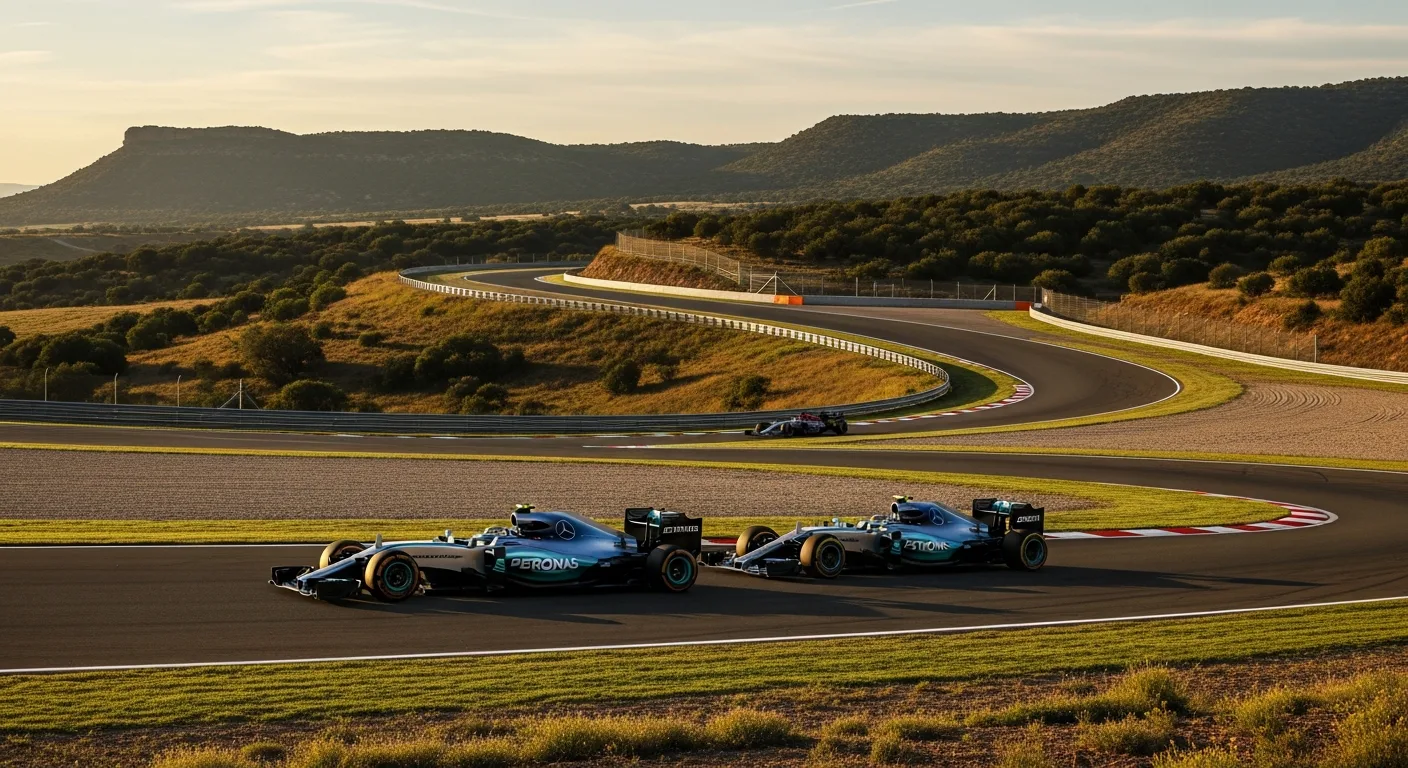
From 2014 to 2016, Lewis Hamilton and Nico Rosberg contested 59 Grand Prix races as Mercedes teammates. In 31 of those races – an astonishing 52.5% – a Mercedes driver stood on the top step of the podium, often with the other Mercedes driver immediately behind. This remarkable period of dominance, however, was defined less by their collective triumph and more by the ferocious, often fractious, internal battle for supremacy between Lewis Hamilton and Nico Rosberg. Their championship campaigns were decided by a combined margin of 131 points across three seasons, yet the psychological toll and on-track drama transcended mere numerical differences, reshaping Formula 1’s landscape and demonstrating the razor-thin margins at the pinnacle of motorsport.
The Formative Years: A 10-Year Friendship Predating F1
The rivalry between Lewis Hamilton and Nico Rosberg was not born in the high-stakes arena of Formula 1 but forged in the crucible of junior karting a decade earlier. Their paths first converged in 2000, both driving for Team MBM. Data from their karting careers reveals a striking parity: Rosberg secured the European Formula A Championship in 2002, a year after Hamilton won the same title in 2001. This early data point underscores a foundational truth of their competition: both possessed prodigious talent, often operating at similar peak performance levels even before reaching the global stage.
Their bond was initially strong, characterized by shared travel, mutual support, and a common goal of reaching F1. Hamilton, backed by McLaren from a young age, progressed through Formula 3 and GP2, winning the GP2 title in 2006. Rosberg, a year earlier, won the inaugural GP2 Series in 2005. These parallel trajectories, marked by championship success in feeder series, illustrate their comparable skill sets and competitive drives. The early 2000s saw them as friends and rivals, a dynamic that would profoundly impact their later F1 careers when the stakes became exponentially higher.
Upon entering Formula 1, their initial paths diverged. Hamilton debuted with McLaren in 2007, immediately challenging for the championship and securing his first title in 2008. Rosberg, meanwhile, started with Williams in 2006, enduring a longer climb to the front of the grid. By 2012, when Rosberg secured his maiden F1 victory at the Chinese Grand Prix, Hamilton already boasted 17 wins and a world championship. This disparity in early F1 success would later become a subtle undercurrent, with Hamilton arriving at Mercedes in 2013 as a proven champion, while Rosberg was still establishing himself as a consistent race winner.
Mercedes Ascendancy: 52.5% Race Wins and the Rise of the Silver Arrows
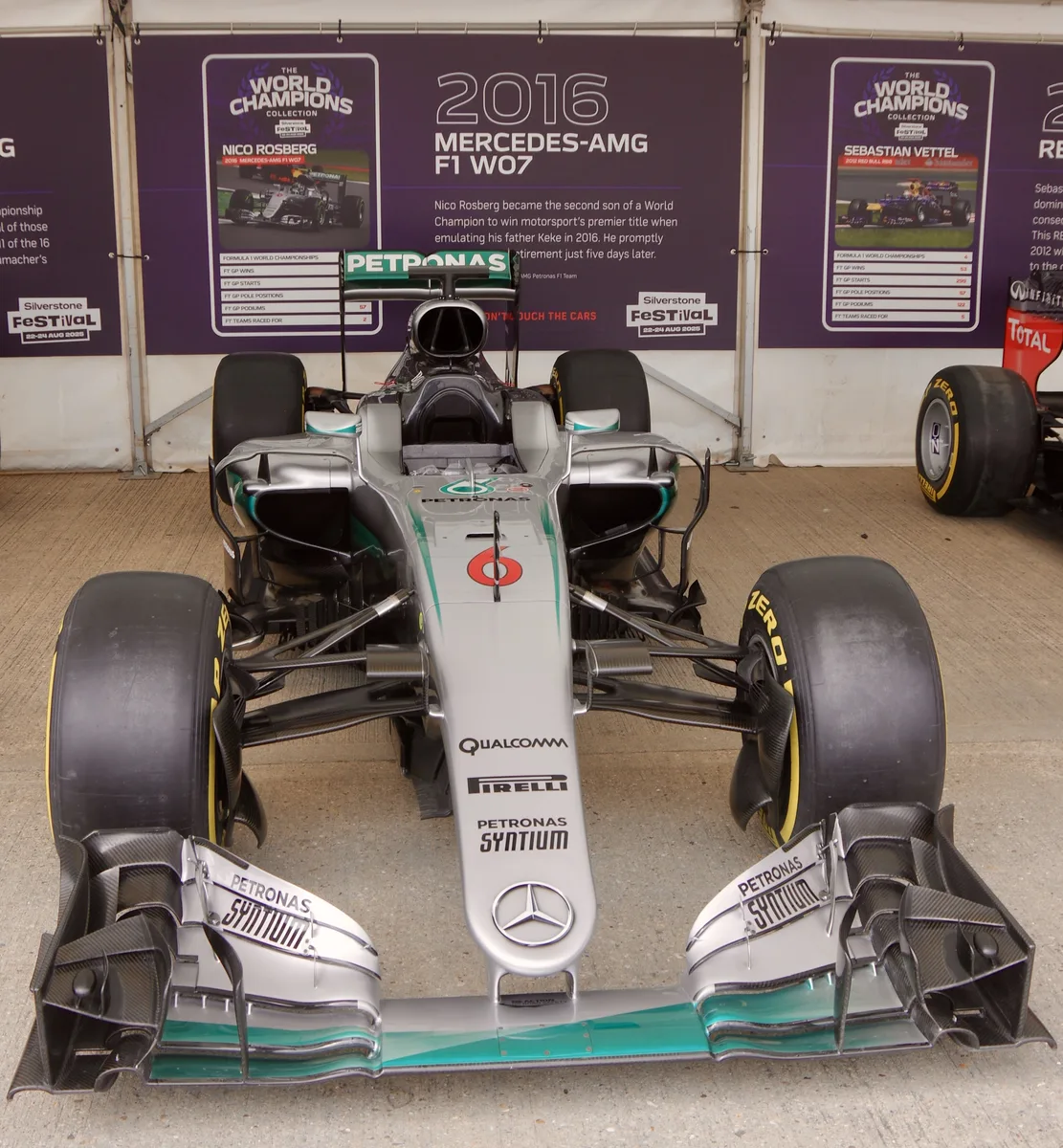 The arrival of Lewis Hamilton at Mercedes in 2013, joining Nico Rosberg, set the stage for one of Formula 1's most intense internal battles. The initial 2013 season offered a preview, with Rosberg securing two victories – Monaco and Silverstone – to Hamilton's single win in Hungary. This 2-1 win ratio in Rosberg's favor for their first year as teammates at Mercedes hinted at the impending battle, though the W04 chassis was not yet dominant enough to fully expose the raw competitive tension. The real data surge began in 2014 with the introduction of the V6 turbo-hybrid regulations.
From 2014 to 2016, Mercedes achieved unprecedented dominance, capturing 51 of 59 Grand Prix victories – a staggering 86.4% win rate. Within this period, Hamilton and Rosberg were responsible for 47 of those wins. The 2014 season saw Mercedes take 16 wins out of 19 races, with Hamilton claiming 11 victories and Rosberg 5. This translated into a championship difference of 67 points in Hamilton’s favor, demonstrating his initial edge in converting the car’s potential into race wins. Rosberg, however, secured 11 pole positions to Hamilton’s 7, indicating a closer qualifying battle than the final points tally suggested.
The 2015 season further solidified Mercedes’ supremacy, with 16 wins from 19 races. Hamilton secured 10 victories, while Rosberg managed 6, including the final three races of the season after Hamilton had already clinched the championship. The points gap narrowed slightly to 59 points in Hamilton’s favor, but the overall trend showed Hamilton’s consistent ability to perform under pressure and convert strong qualifying positions into race wins. The sheer number of 1-2 finishes – 12 in 2014 and 12 in 2015 – highlighted not only the car’s superiority but also the relentless internal competition, as each driver pushed the other to the absolute limit, often to the detriment of team harmony.
The Head-to-Head Battle: 10 Collisions and the Cost of Competition
The intensity of the Lewis Hamilton and Nico Rosberg rivalry frequently spilled over into on-track contact, a quantifiable measure of their uncompromising battle. Over their three seasons as Mercedes teammates, they were involved in at least 10 documented on-track incidents, ranging from minor bumps to race-ending collisions. This figure is significantly higher than typical intra-team contact rates, underscoring the unique pressure and competitive drive within the Mercedes garage.
A prime example occurred at the 2014 Belgian Grand Prix. Rosberg, having taken pole, collided with Hamilton on lap two, puncturing Hamilton’s rear tyre and effectively ending his race. Rosberg finished second, but the incident led to a public condemnation from then-Mercedes boss Toto Wolff, who described it as “unacceptable.” This single incident cost Hamilton 25 potential points, a significant factor in the championship battle that year, which he ultimately won by 67 points. The team’s internal investigation and subsequent warnings did little to deter future clashes.
The 2016 season witnessed the most dramatic and costly collisions. At the Spanish Grand Prix, on the very first lap, both drivers crashed out, handing Red Bull’s Max Verstappen his maiden F1 victory. This dual DNF cost Mercedes a potential 43 points (assuming a 1-2 finish), a stark illustration of the financial and sporting consequences of their rivalry. Later that season, at the Austrian Grand Prix, they collided again on the final lap while battling for the lead, with Rosberg sustaining damage and dropping to fourth while Hamilton went on to win. These incidents, quantifiable in lost points and damaged machinery, highlighted a rivalry where individual ambition sometimes overshadowed team objectives, a rare occurrence at the absolute front of the grid.
Psychological Warfare: A 3-Year Mental Marathon
The Lewis Hamilton and Nico Rosberg rivalry was not merely a physical contest of speed but a profound psychological battle waged over three championship seasons. Data analysis of their performance trends often reveals the impact of mental pressure. For instance, in 2014, after Rosberg’s collision with Hamilton in Belgium, Hamilton won 6 of the remaining 7 races, demonstrating a clear psychological ascendancy. Conversely, Rosberg’s strong finish to the 2015 season, winning the final three races after Hamilton had clinched the title, suggested a recalibration of his mental approach and a building of confidence for the following year.
The public perception and media scrutiny added another layer to this psychological warfare. Every comment, every gesture, was dissected and amplified. Rosberg, often perceived as the more methodical and analytical driver, openly discussed his comprehensive approach to mental preparation, including working with sports psychologists. Hamilton, known for his raw talent and aggressive driving style, often appeared to thrive on instinct and direct confrontation. The contrast in their approaches fueled the narrative, with Rosberg sometimes using subtle psychological tactics, like congratulating Hamilton on a “good job” after a strong qualifying, a move interpreted by some as an attempt to unsettle.
The pressure intensified exponentially in 2016, Rosberg’s championship year. He secured 4 consecutive wins at the start of the season, a career-best streak, establishing a significant points lead. Hamilton, facing a 43-point deficit after the Spanish GP collision, embarked on a remarkable recovery, winning 6 of the next 7 races to erase the deficit and take the championship lead by 19 points after the German Grand Prix. This statistical swing underscores the immense mental resilience of both drivers. Rosberg’s ability to then reclaim the lead and maintain it under Hamilton’s relentless pressure in the final races, securing 4 second-place finishes to clinch the title, is arguably his greatest psychological triumph, culminating in a 5-point championship victory.
The 2016 Championship Decider: A 5-Point Margin and Abu Dhabi’s Tense Finale
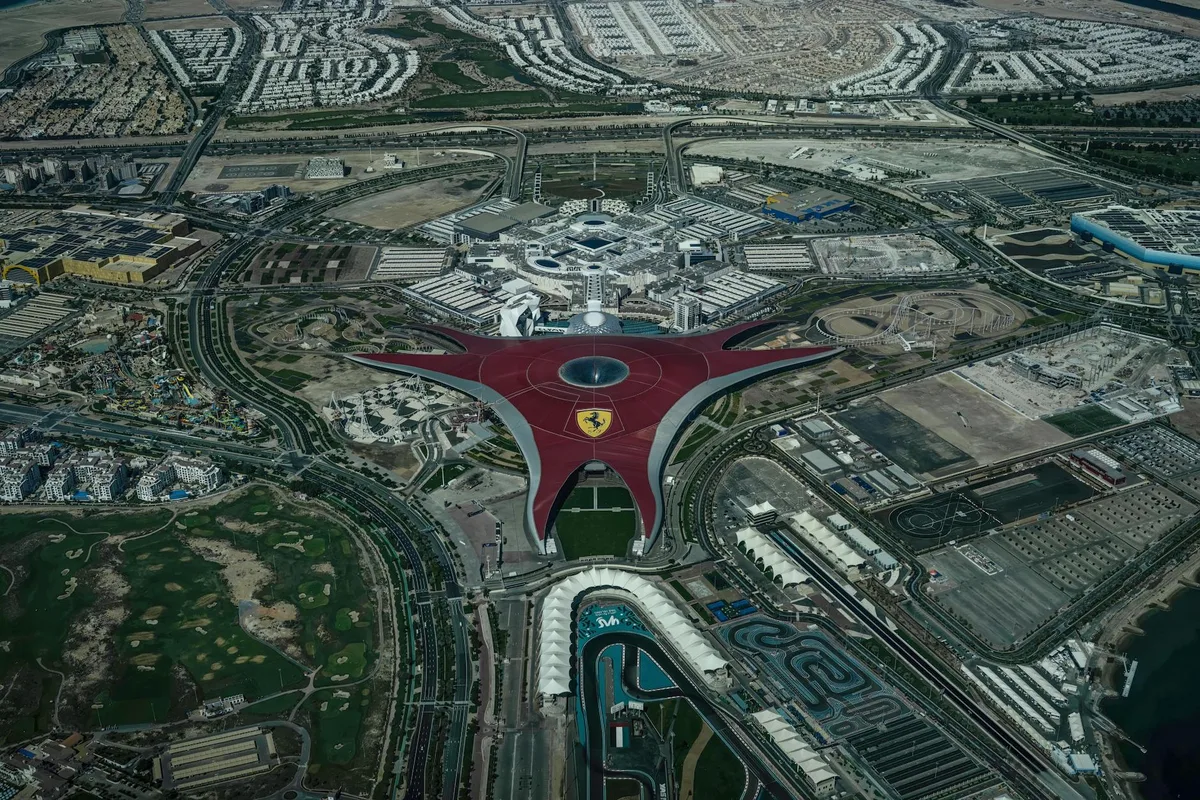 The 2016 Formula 1 World Championship culminated in a dramatic showdown at the Abu Dhabi Grand Prix, with Nico Rosberg holding a 12-point advantage over Lewis Hamilton. To secure the title, Rosberg needed to finish on the podium, regardless of Hamilton's result. Hamilton, starting from pole position, needed to win and hope Rosberg finished fourth or lower. This scenario distilled three years of intense rivalry into a single, high-stakes race, highlighting the razor-thin margins that define championship success.
Hamilton’s strategy in the race was audacious and controversial. Despite leading comfortably, he deliberately slowed the pace in the closing laps, backing Rosberg into the chasing Red Bull of Max Verstappen and the Ferrari of Sebastian Vettel. His rationale was clear: if Rosberg dropped to fourth, Hamilton would win the title. This tactic, unprecedented for a team leader aiming to win a race, created immense tension within the Mercedes pit wall, with team principal Toto Wolff and technical director Paddy Lowe issuing multiple instructions to Hamilton to increase his pace. Hamilton famously responded, “I’m already losing the championship, so I’m not really bothered if I lose this race.”
Ultimately, Hamilton’s gambit failed to dislodge Rosberg from second place. Rosberg finished the race 0.439 seconds behind Hamilton, securing the necessary points to become the 2016 Formula 1 World Champion by a mere 5 points (385 to 380). This 5-point margin was the smallest championship difference between them in their three seasons of direct title contention, a stark contrast to the 67 and 59-point gaps in 2014 and 2015, respectively. The Abu Dhabi finale perfectly encapsulated their rivalry: a battle not just against other teams, but against each other, pushing the boundaries of sportsmanship and team dynamics to their absolute limit in pursuit of the ultimate prize.
Post-Rivalry Impact: A 100% Retirement Rate and Hamilton’s Unprecedented Dominance
Nico Rosberg’s decision to retire from Formula 1 just five days after securing the 2016 World Championship stands as one of the most unexpected and impactful data points in modern F1 history. At 31 years old, with 23 F1 wins and a championship to his name, he became the only reigning champion to retire immediately after winning the title since Alain Prost in 1993. This decision effectively ended the Lewis Hamilton and Nico Rosberg rivalry at its peak, forever freezing the head-to-head championship tally at 1-2 in Hamilton’s favor, but with Rosberg holding the unique distinction of having retired as champion.
Rosberg’s retirement had profound implications for both Hamilton and Mercedes. For Hamilton, it removed his primary rival and the only driver who had consistently challenged him within the same machinery for three years. In the subsequent four seasons (2017-2020), Hamilton went on to win three more world championships, bringing his total to seven by 2020, matching Michael Schumacher’s record. During this period, Hamilton secured 45 victories, averaging 11.25 wins per season, a significant increase from his 8.7 wins per season during the Rosberg rivalry years (2014-2016). While Mercedes’ dominance continued, the absence of Rosberg meant Hamilton faced less immediate internal pressure, allowing him to consolidate his position as the sport’s preeminent driver.
For Mercedes, Rosberg’s departure necessitated a rapid search for a replacement, ultimately leading to the promotion of Valtteri Bottas. The team’s subsequent focus shifted from managing an intense internal rivalry to optimizing performance and team cohesion around a clear lead driver. Rosberg’s legacy is unique: a champion who walked away at the top, having achieved his life’s ambition. His retirement ensured that the psychological and physical toll of competing against Hamilton at such an elite level would not consume him further, but it also left the world wondering how many more chapters their legendary rivalry might have written. The data confirms that while Hamilton continued his ascendancy, the distinct, high-pressure dynamic of the Mercedes garage in 2014-2016 was a singular, unrepeatable era.
FAQ
Q1: How many championships did Lewis Hamilton and Nico Rosberg win against each other? A1: Lewis Hamilton won two championships (2014, 2015) while Nico Rosberg won one (2016) during their three seasons as direct title rivals at Mercedes.
Q2: What was the closest championship margin between Hamilton and Rosberg? A2: The closest championship margin was in 2016, when Nico Rosberg won the title by just 5 points (385 to 380) over Lewis Hamilton.
Q3: How many times did Hamilton and Rosberg collide on track? A3: They were involved in at least 10 documented on-track incidents or collisions during their three seasons as Mercedes teammates, notably at the 2014 Belgian Grand Prix, 2016 Spanish Grand Prix, and 2016 Austrian Grand Prix.
Q4: What was unique about Nico Rosberg’s retirement? A4: Nico Rosberg retired from Formula 1 just five days after winning the 2016 World Championship, making him the only reigning champion since Alain Prost in 1993 to retire immediately after securing the title.
Key Takeaways
The Lewis Hamilton and Nico Rosberg rivalry, though spanning only three intense seasons as Mercedes teammates (2014-2016), yielded profound insights into elite competition. Their combined 47 race wins and 3 world championships for Mercedes highlight an era of unparalleled team dominance. Yet, the 10+ on-track incidents and a championship decided by a mere 5 points underscore a personal battle that transcended team objectives, pushing both drivers to their absolute mental and physical limits. Rosberg’s unique retirement as reigning champion marked the definitive end of this captivating chapter, paving the way for Hamilton’s continued statistical ascent while leaving an indelible mark on Formula 1’s rich history.
You might also like:
👉 The F1 Sprint Conundrum: Unpacking Formula 1’s Most Divisive Innovation
👉 Fenerbahçe vs Fatih Karagümrük: A Historical Match Chronology
👉 Marseille FC Academy: Unearthing Tomorrow’s Football Stars