The F1 Sprint Conundrum: Unpacking Formula 1's Most Divisive Innovation
Explore the F1 Sprint, Formula 1's controversial innovation that re-engineered the Grand Prix weekend. Unpack the debate around replacing traditional qualifying with a short race.
The F1 Sprint Conundrum: Unpacking Formula 1’s Most Divisive Innovation
What if the very fabric of a Formula 1 Grand Prix weekend, sacrosanct for decades, was fundamentally re-engineered? What if the hallowed Saturday qualifying, a solitary crucible determining pole position, was replaced by a short, sharp race? This wasn’t a hypothetical thought experiment whispered in the pit lane; it was the bold, high-stakes gamble taken by Formula 1 management, birthing the F1 Sprint. Since its controversial debut in 2021, this abbreviated race format has ignited a fierce debate, dividing purists from progressives, drivers from promoters, and revealing a sport grappling with its identity in the 21st century. TrendSeek’s investigation delves into the origins, evolution, and profound implications of this radical shift, uncovering the intricate web of motivations, consequences, and unresolved questions that define F1’s most ambitious innovation.
The Genesis of Speed: Why F1 Dared to Sprint
The genesis of the F1 Sprint wasn’t a sudden flash of inspiration but a calculated response to perceived stagnation. For years, the traditional Grand Prix weekend structure — two Friday practice sessions, a Saturday practice, followed by qualifying, culminating in Sunday’s main race — had drawn criticism. Fridays often felt like glorified test days, low on drama and spectator engagement. Saturday’s final practice, too, frequently lacked the bite of competitive action. Formula 1’s CEO, Stefano Domenicali, alongside then-Motorsport Managing Director Ross Brawn, envisioned a more dynamic, action-packed schedule. Their objective was clear: to inject competitive meaning into every day of a race weekend, thereby broadening appeal, increasing viewership, and ultimately, boosting the sport’s commercial value.
The solution, as unveiled in early 2021, was a 100km dash – roughly a third of a Grand Prix distance – held on Saturday, designed to set the grid for Sunday’s main event. Crucially, it would award championship points, albeit in a limited capacity (3-2-1 for the top three finishers). This radical departure was initially trialed at three venues in 2021: Silverstone, Monza, and Interlagos. The selection of these iconic tracks was strategic, aiming to test the concept on diverse layouts with established fan bases. The underlying hope was that this format would create unpredictable grids, foster more overtakes, and deliver an additional layer of competitive intrigue, transforming a historically quieter Saturday into a pivotal event.
The Evolving Blueprint: F1 Sprint Formats Through the Years
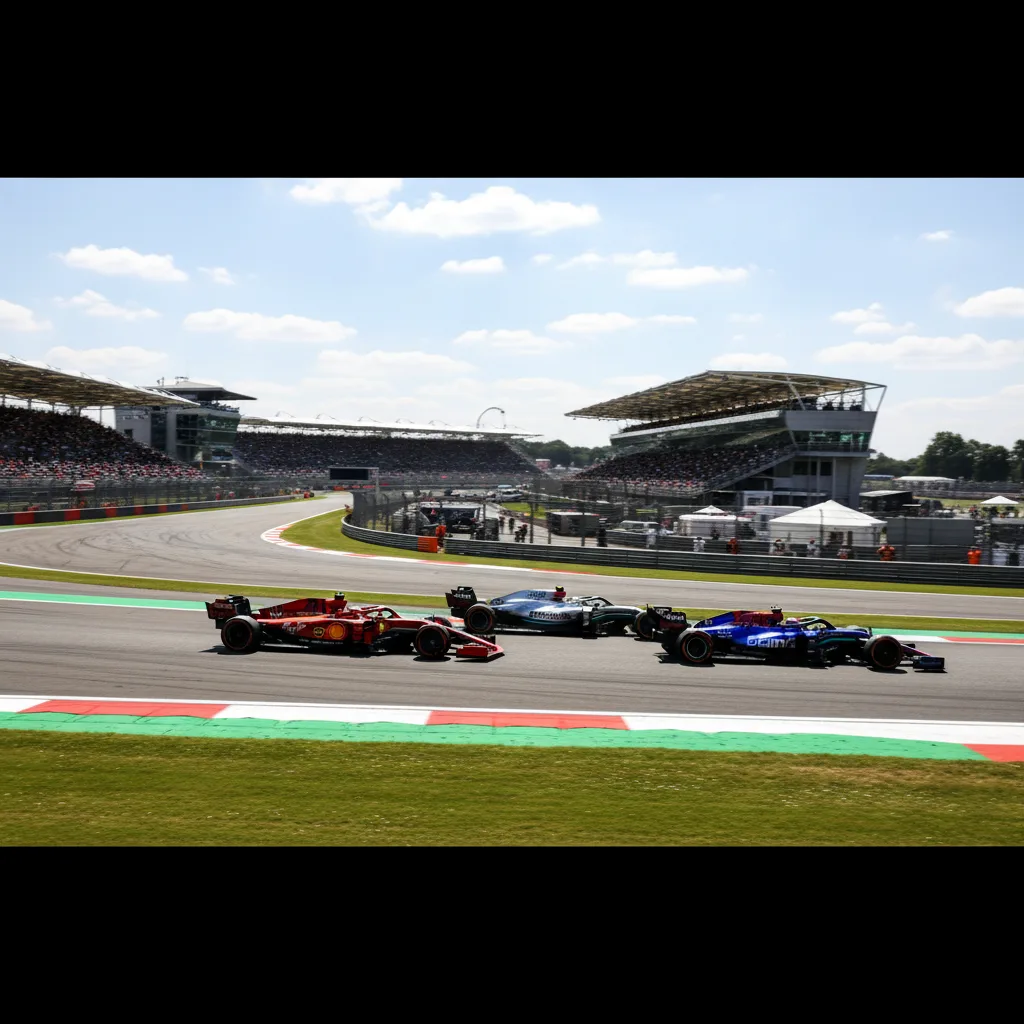
The F1 Sprint has been a moving target, its format repeatedly tweaked in response to feedback and evolving objectives. The inaugural 2021 season saw a straightforward setup: Friday hosted Free Practice 1 (FP1) followed by a traditional qualifying session, which determined the grid for Saturday’s Sprint Race. Saturday then featured FP2 before the Sprint, which in turn dictated the starting order for Sunday’s Grand Prix. This initial iteration, while adding action, meant the pole-sitter for the main race was technically the Sprint winner, not the fastest qualifier from Friday. This subtle but significant semantic shift drew immediate criticism from traditionalists.
For 2022, the core structure remained, but the points system was expanded significantly, awarding points to the top eight finishers (8-7-6-5-4-3-2-1). This change, implemented for three selected events, aimed to increase the stakes and encourage more aggressive driving. However, the fundamental critique persisted: drivers were often cautious in the Sprint, unwilling to risk a crash that could compromise their main Grand Prix. The biggest overhaul arrived in 2023, with the introduction of the “Sprint Shootout” and a complete decoupling of the Sprint from the Grand Prix grid. Friday now comprised FP1 and Grand Prix Qualifying. Saturday became a standalone “Sprint Day,” featuring a dedicated, shorter qualifying session (the Sprint Shootout) to set the grid for the Sprint Race, which then awarded points but had no bearing on Sunday’s starting positions. This “Sprint Saturday” format was deployed at six events, including the inaugural Baku Sprint and the returning Qatar Sprint. Further minor refinements for 2024 saw the Sprint Qualifying move to Friday afternoon, followed by the Sprint Race on Saturday morning, then Grand Prix Qualifying on Saturday afternoon, and finally the Grand Prix on Sunday. Each iteration, a meticulous adjustment, sought to fine-tune the balance between spectacle and sporting integrity.
A Tale of Two Weekends: Sprint’s Impact on the Paddock
Within the high-octane world of the F1 paddock, the Sprint has elicited a spectrum of responses, creating a dichotomy of experience. For drivers like Max Verstappen, often a vocal critic, the Sprint is frequently dismissed as “artificial” or “not a real race,” primarily due to its reduced distance and the inherent caution it often demands. The risk of a crash in a Sprint, such as the contact between George Russell and Verstappen during the 2022 Brazilian Sprint, carries significant consequences, potentially compromising the main event on Sunday. Drivers must balance the pursuit of a few extra points against the imperative to preserve their machinery and starting position for the Grand Prix. This often leads to a less aggressive, more conservative approach, particularly among those starting high up the grid, directly counter to the format’s intended purpose.
From the teams’ perspective, particularly the smaller outfits, the Sprint introduces significant logistical and financial strain. The compressed schedule, especially with the 2023 and 2024 formats, means less time for setup optimization and more pressure on mechanics. A crash in a Sprint race can have catastrophic implications for the cost cap, requiring expensive repairs and potentially impacting development budgets. Team principals like Christian Horner of Red Bull and Toto Wolff of Mercedes have voiced concerns about the increased workload and the delicate balance between performance and risk management. The setup freeze after FP1 in earlier formats also limited engineering flexibility, pushing teams towards more generic, compromise setups rather than fine-tuned specializations. The paddock, therefore, navigates a weekend that is simultaneously more exciting for fans and more taxing for its participants.
The Spectacle vs. The Sacred: Fan Reception and Purist Backlash
The F1 Sprint has undeniably bifurcated the sport’s global fanbase. Proponents argue that it delivers on its promise of “more meaningful action,” particularly on Fridays and Saturdays which previously saw limited competitive running. The addition of a Sprint race means more racing, more overtakes, and more opportunities for unexpected results, potentially drawing in new, casual viewers who crave instant gratification. The increased points on offer since 2022 have also added genuine championship relevance, making every position count. F1 management often cites positive internal metrics regarding viewership and engagement for Sprint weekends, suggesting a commercial success.
However, a significant faction, often comprising long-time F1 purists, views the Sprint with deep skepticism, if not outright disdain. Their primary concern revolves around the dilution of the Grand Prix’s prestige and the devaluing of traditional pole position. For decades, claiming pole was a singular achievement, the culmination of a driver’s raw speed over a single lap. The earlier Sprint formats, where the Sprint winner was deemed the pole-sitter, fundamentally altered this. Critics also argue that the Sprint, due to its shorter distance and often cautious driving, lacks the strategic depth, tyre degradation battles, and dramatic narratives that define a full Grand Prix. They fear the sport is chasing “gimmicks” at the expense of its core identity, sacrificing sporting integrity for fleeting spectacle. This ideological clash between tradition and innovation remains a central tension point in the ongoing F1 Sprint saga.
The Financial Calculus: Sprint’s Economic Engine
Beyond the sporting debate, the F1 Sprint is undeniably a powerful financial engine for the sport. Its introduction was not merely about enhancing entertainment; it was a shrewd commercial play designed to maximize revenue streams. The promise of “more action” translates directly into increased value for broadcasters, who can now offer more competitive content across the entire weekend, potentially leading to higher rights fees. For host venues, the extended competitive schedule means greater attendance on Friday and Saturday, translating into higher ticket sales, hospitality revenue, and merchandise profits. Events like the Miami Grand Prix or the Baku Grand Prix are eager to leverage any format that boosts their commercial appeal.
Teams, initially wary of the increased costs associated with potential crash damage and the logistical complexities, have also benefited from F1’s robust commercial growth. While there were initial disputes over adjustments to the sport’s stringent cost cap to accommodate Sprint weekends, an additional allowance was eventually agreed upon. This compensation, coupled with the overall increase in F1’s global popularity and revenue, helps offset the added operational challenges. Ultimately, the Sprint serves as a potent tool in F1’s strategy for global expansion and financial prosperity, attracting new sponsors and solidifying its position as a premier global sports entertainment product. Its economic contribution is a key factor in its continued presence and expansion.
Unresolved Questions and Future Horizons: The F1 Sprint’s Next Lap
Despite its three-year tenure, the F1 Sprint remains a work in progress, riddled with unresolved questions and facing an uncertain future. The quest for the “perfect” format continues, evidenced by the iterative changes seen year after year. Is the 2024 structure the final answer, or will further refinements be necessary to strike the ideal balance between fan engagement and sporting integrity? The debate over expanding the number of Sprint weekends also rages on. While some promoters eagerly embrace the format for its commercial benefits, others, particularly those at historically significant circuits, resist, fearing it might detract from the prestige of their main Grand Prix.
The fundamental question of championship credibility also persists. Does the Sprint genuinely enhance the overall championship narrative, or does it merely introduce an element of randomness that can unfairly influence the standings? Drivers consistently raise concerns about the increased physical and mental toll of a 24-race calendar combined with six Sprint weekends, pushing the limits of human endurance. This raises critical questions about driver safety and long-term well-being. Ultimately, the F1 Sprint embodies the broader tension within modern Formula 1: where does the balance lie between preserving the sport’s rich history and adapting to the demands of a rapidly evolving global entertainment landscape? The answers, it seems, are still being written.
Case Study: The Baku F1 Sprint 2023 – A Test of Fire
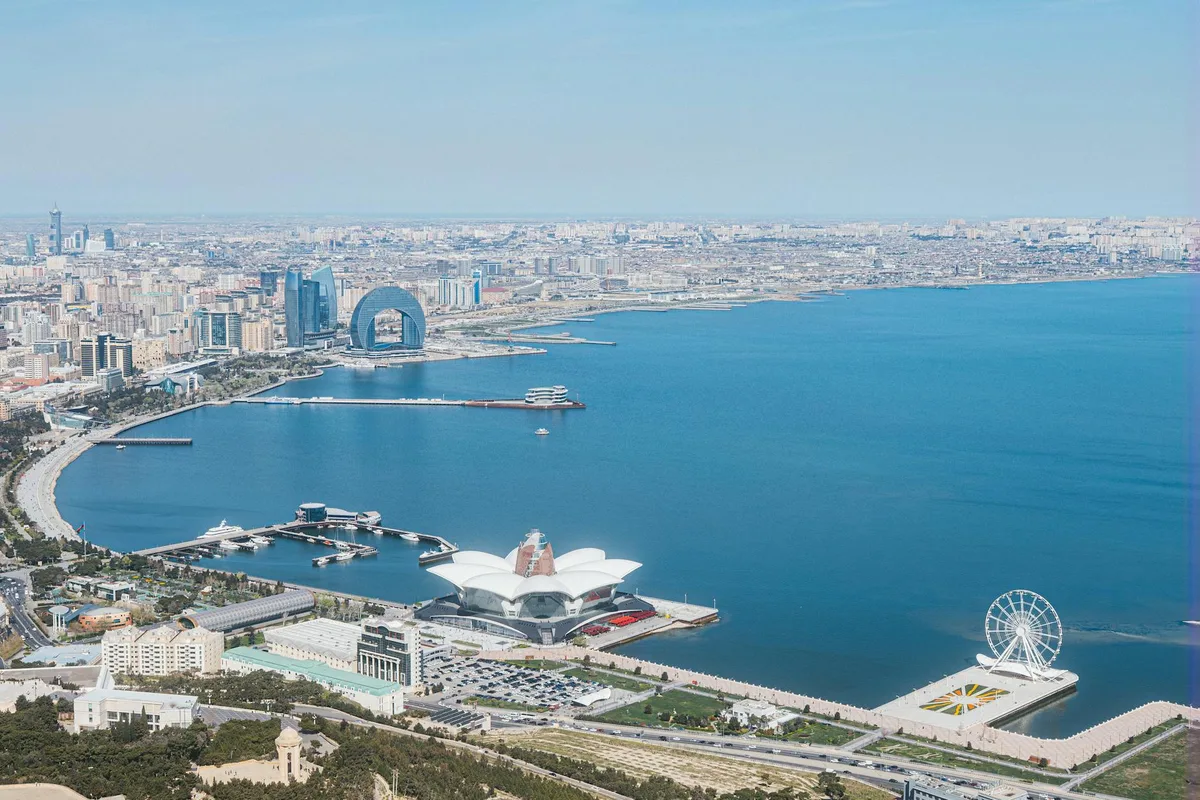 The **2023 Azerbaijan Grand Prix** weekend in Baku served as a crucible for the then-new standalone Sprint format, offering a vivid demonstration of its intended drama and inherent flaws. It was the first time the "Sprint Shootout" and Sprint Race were completely decoupled from the Grand Prix qualifying and race. Friday saw traditional Grand Prix qualifying, with **Charles Leclerc** seizing pole. Saturday was then entirely dedicated to the Sprint: a new, shorter qualifying session, the Shootout, followed by the Sprint Race itself. This separation was designed to encourage more aggressive driving in the Sprint, as mistakes would not impact Sunday's grid.
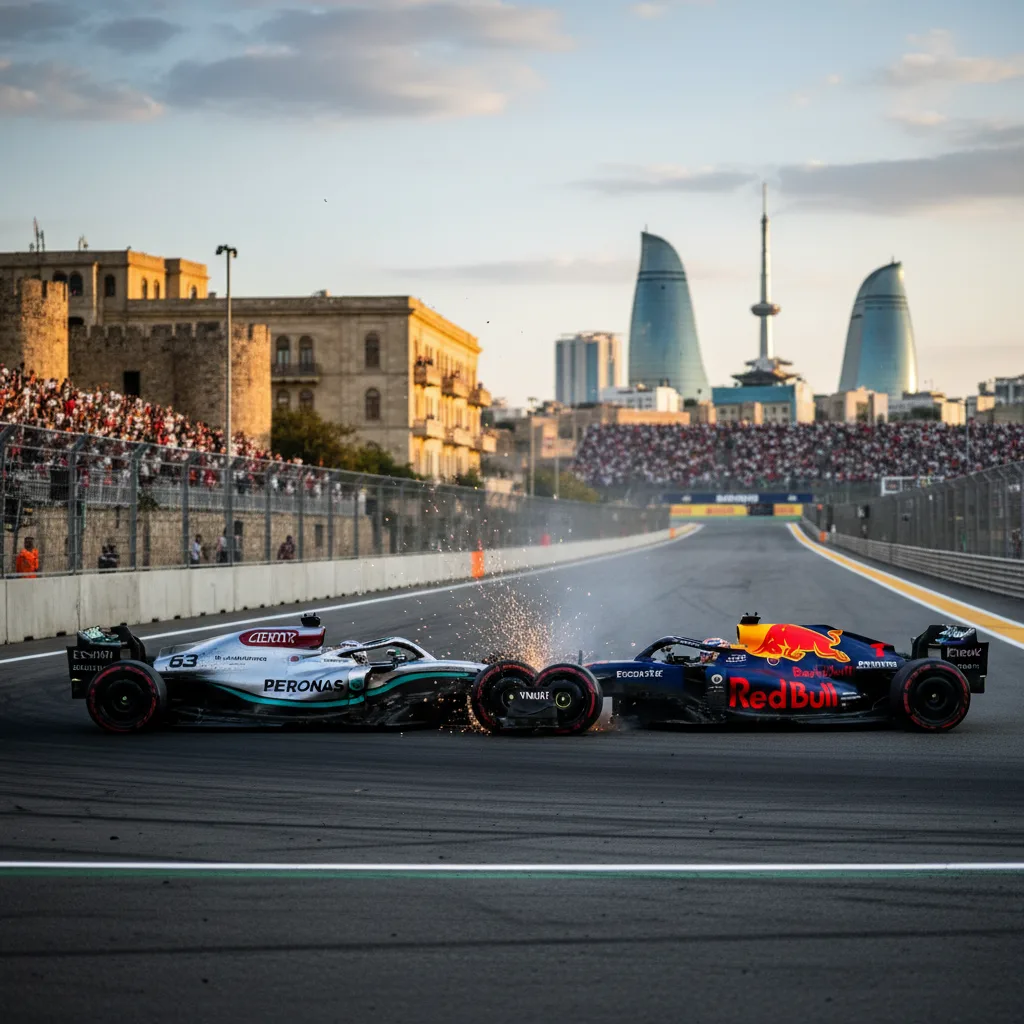
The Baku Sprint Shootout itself was intense, with Sergio Pérez claiming pole. The subsequent Sprint Race delivered genuine action: Pérez held off Leclerc for the win, while a determined George Russell made contact with Max Verstappen early on, damaging the Dutchman’s sidepod. This incident, and Verstappen’s subsequent frustration, highlighted the format’s double-edged sword: aggressive racing for points, but at the risk of significant damage. Crucially, Alexander Albon suffered substantial damage to his Williams during the Sprint, forcing his team into a frantic overnight repair job, stretching resources and raising concerns about the cost implications for smaller teams. Baku 2023 laid bare the format’s dual nature: it delivered the promised spectacle and competitive drama, but also underscored the immense pressure, financial risks, and potential for compromise it places on teams and drivers.
FAQ Section
Q1: What is an F1 Sprint? A1: An F1 Sprint is a shorter, approximately 100km race held on a Grand Prix weekend, typically on Saturday. It awards championship points to the top finishers and, in its current 2024 format, is a standalone event that does not determine the grid for Sunday’s main Grand Prix.
Q2: How does the F1 Sprint affect the main Grand Prix? A2: In the 2024 format, the F1 Sprint has no direct impact on the starting grid for Sunday’s Grand Prix. Grand Prix qualifying, which determines the Sunday grid, is a separate session held after the Sprint Race. The Sprint only awards championship points for its own result.
Q3: Do F1 Sprint races award championship points? A3: Yes, F1 Sprint races award championship points to the top eight finishers. Since 2022, the points system has been 8 points for first place, 7 for second, 6 for third, and so on, down to 1 point for eighth place.
Q4: Why was the F1 Sprint introduced? A4: The F1 Sprint was introduced to enhance the Grand Prix weekend by providing more competitive action across all three days. Its primary goals were to increase fan engagement, attract new audiences, and boost the commercial value of the sport by making Friday and Saturday sessions more meaningful and exciting.
The F1 Sprint, initially a bold experiment, has rapidly morphed into an entrenched, albeit fiercely debated, fixture on the Formula 1 calendar. It is a testament to the sport’s relentless pursuit of innovation, a commercial triumph that has undeniably injected more action into Grand Prix weekends. Yet, it remains a lightning rod for criticism, constantly challenging the sport’s traditionalists and pushing the limits of driver endurance and team resources. The investigation into the F1 Sprint reveals a complex narrative of ambition, adaptation, and ongoing contention, proving that in Formula 1, even the most radical changes are rarely without their profound, multifaceted consequences.
You might also like:
👉 Fenerbahçe vs Fatih Karagümrük: A Historical Match Chronology
👉 Electric Cars Future: Definitive Guide & Debate (EVs)
👉 AI & Automation’s Impact on Jobs: Navigating the Future of Work