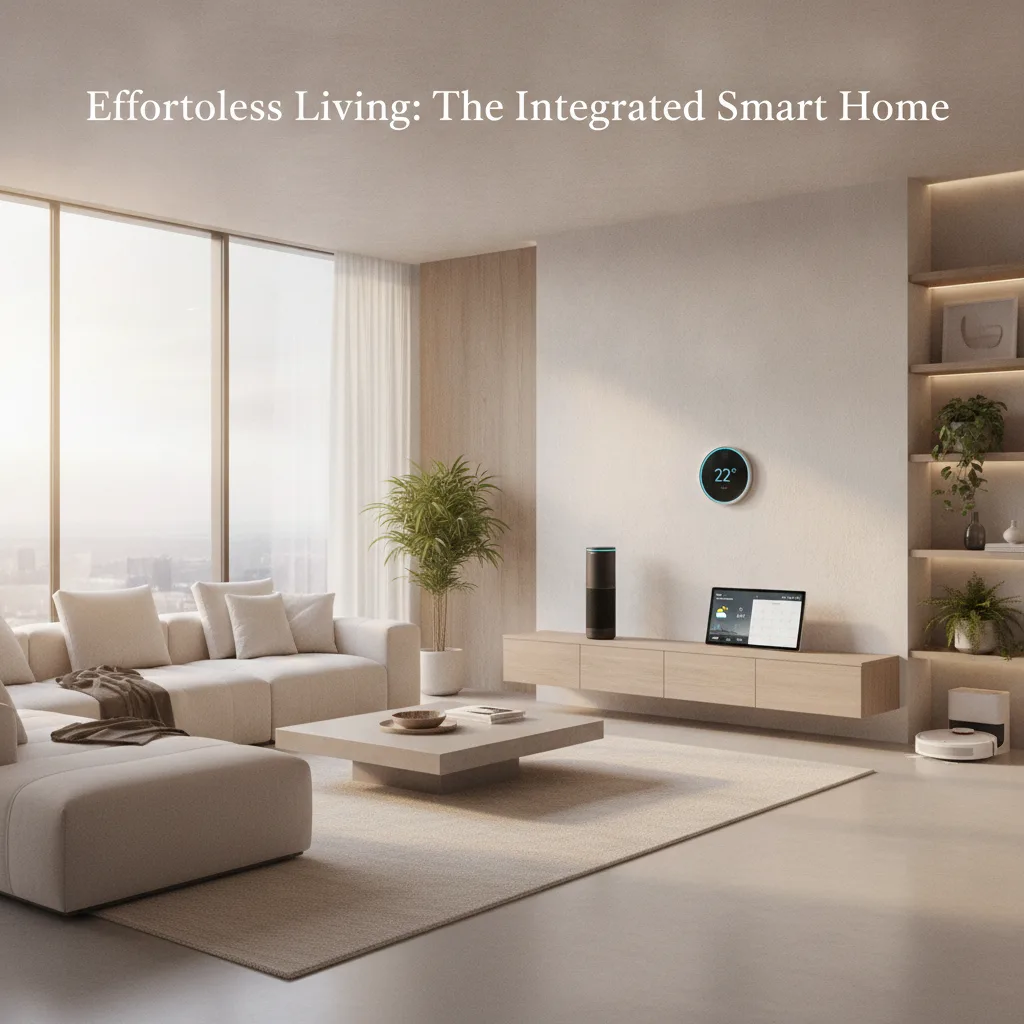
May 12, 2024: Brooklyn's Smart Homes Go Dark
On May 12, 2024, Sarah Chen's Brooklyn smart home became a collection of useless electronics when her Wi-Fi went down, disrupting her morning.
The day the smart home went silent
On May 12, 2024, Sarah Chen’s alarm didn’t sound. Her smart blinds stayed shut. The coffee maker, usually hot by voice command, sat cold. She checked her phone: no Wi-Fi. Her Brooklyn apartment’s internet was down. Every connected device in her home went silent. Her smart home, designed for easy living, became a collection of useless electronics. It was just an expensive pile of plastic and wires.
May 12: a morning disrupted
Normally, Sarah Chen’s smart home started her morning. Lights gradually brightened. The thermostat adjusted to a comfortable 70 degrees. A news briefing played through her smart speaker.
This morning, nothing worked. Her smart lock, which opened with a fingerprint, failed to connect. She used a physical key. This disruption showed how much she relied on the system.
Smart home devices are internet-connected products. They range from light bulbs to security cameras. These devices need a constant connection to external servers. This connection lets you control them remotely and automate tasks.
Billions of these devices are in use globally. Research firm Gartner reported over 22 billion connected devices in 2023. These gadgets are now part of daily life. Sarah’s experience showed a major weakness.
Her morning routine stopped completely. The convenience she relied on vanished. How do these systems actually work? What happens when their lifeline is cut?
How smart homes connect
Smart homes connect through a complex network. Devices link to a local Wi-Fi router. This router connects to the internet via an Internet Service Provider (ISP). That internet connection reaches remote cloud servers.
Major technology companies manage these cloud servers. Amazon, Google, and Apple host smart home platforms. Many smaller device manufacturers also run their own cloud infrastructure. These servers process commands.
When Sarah speaks to her smart speaker, that command travels. It goes from her home, through her router, across the internet, to a cloud server. The server interprets the command. Then it sends an instruction back to the device.
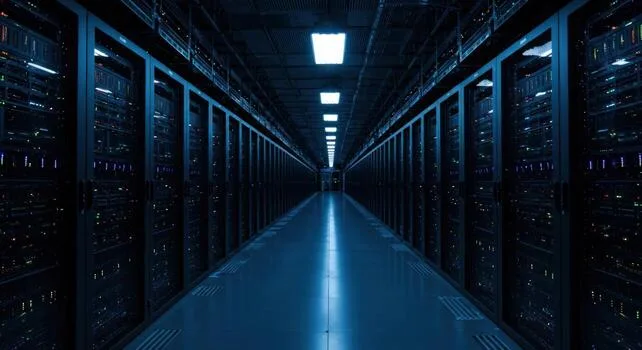
Deep inside a data center, rows upon rows of servers process the commands that power smart homes globally. These massive facilities, often managed by tech giants like Amazon, Google, and Apple, are the 'brains' of the smart home ecosystem, making their connection crucial for device functionality. (Source: vecteezy.com)
This process involves many distinct components. Each component can fail. A problem with the home router can stop communication. An ISP outage can cut off the internet entirely.
A remote cloud platform failure can silence thousands of devices. This complex chain makes things work. But a single break can also make an entire smart home useless.
When the cloud goes dark
Major internet outages can stop smart homes cold. These events impact millions of users at once. They show how fragile centralized systems are.
On December 7, 2021, Amazon Web Services (AWS) had a major outage. AWS hosts many popular smart home platforms. Numerous internet services, including many smart home systems, went dark.
Users reported widespread disruptions. Smart locks became unresponsive. Thermostats failed to regulate temperatures. Security cameras stopped recording. These systems lost their connection to their controlling cloud.
A New York Times report described the huge impact. People couldn’t turn on lights remotely. They couldn’t adjust heating. Basic functions became inaccessible. The issue wasn’t with their home Wi-Fi.
Instead, the problem lay far away, in a distant server farm. This incident showed a key problem: users often have no control over the infrastructure powering their devices.
Security and privacy beyond convenience
Relying on remote cloud servers brings major security risks. Smart home devices collect large amounts of data. This includes usage patterns, schedules, and even audio or video recordings. This data is sent to and stored on remote servers.
Dr. Laura DeNardis, an internet governance expert at Yale University, says centralizing data makes it very vulnerable. A breach at a single cloud provider could expose personal information from millions of homes. This threatens users greatly.
Malicious actors could take advantage of outages. They might try to gain unauthorized access to systems. Or they could target the cloud infrastructure itself, causing widespread disruption. The Federal Trade Commission (FTC) regularly warns consumers about these digital risks.
Data collection varies by device and manufacturer. Some devices record conversations. Others track movements within a home. This sensitive information becomes vulnerable during system failures or breaches.

Dr. Laura DeNardis, an internet governance expert at Yale University, warns that centralizing smart home data makes it highly vulnerable. A breach at a single cloud provider, she explains, could expose personal information from millions of homes, posing significant security and privacy risks. (Photo: AllGo - An App For Plus Size People / Unsplash)
Trust in smart home technology erodes when these incidents occur. Users face inconvenience, privacy violations, and serious security threats.
Building resilience: local control and open standards
Some smart home devices offer local control. These devices can function without an active internet connection. They rely on direct communication within the home network. Initial setup might need internet, but daily operations don’t.
New connectivity standards aim to improve this. Matter and Thread are key examples. Matter is an open-source standard. It allows devices from different brands to work together.
The Connectivity Standards Alliance (CSA) supports Matter. This alliance includes major tech companies. They want to make smart homes more unified and reliable. Thread is a low-power wireless mesh networking protocol. It often works alongside Matter.
These standards prioritize local device communication. This reduces reliance on external cloud servers for basic functions. Users can often choose devices that prioritize local processing. They can also use local hubs.
These hubs manage devices without constant cloud dependency. This offers more stable operation. It also improves privacy by keeping data within the home network.
The future of connected living
The smart home market will keep growing fast. Statista projects billions more devices connecting in the coming years. This growth requires systems built to last.
Manufacturers must build tougher smart home systems. This includes adding better offline features. Strong fallback mechanisms are important. Internet Service Providers also must maintain stable networks.
Consumers also play a role. They need to understand their devices’ dependencies. Ask about offline capabilities. Demand transparency from manufacturers about data handling.
We should aim for more than simple convenience. The future of smart homes isn’t just about features; it’s about trust. These homes must remain functional and secure, operating reliably even when the internet falters. Anything less is just a house full of expensive bricks.
FAQ
What causes smart home devices to go offline? Devices go offline for several reasons. These include home Wi-Fi issues, internet service provider outages, or problems with remote cloud servers. Power outages also cut off functionality.
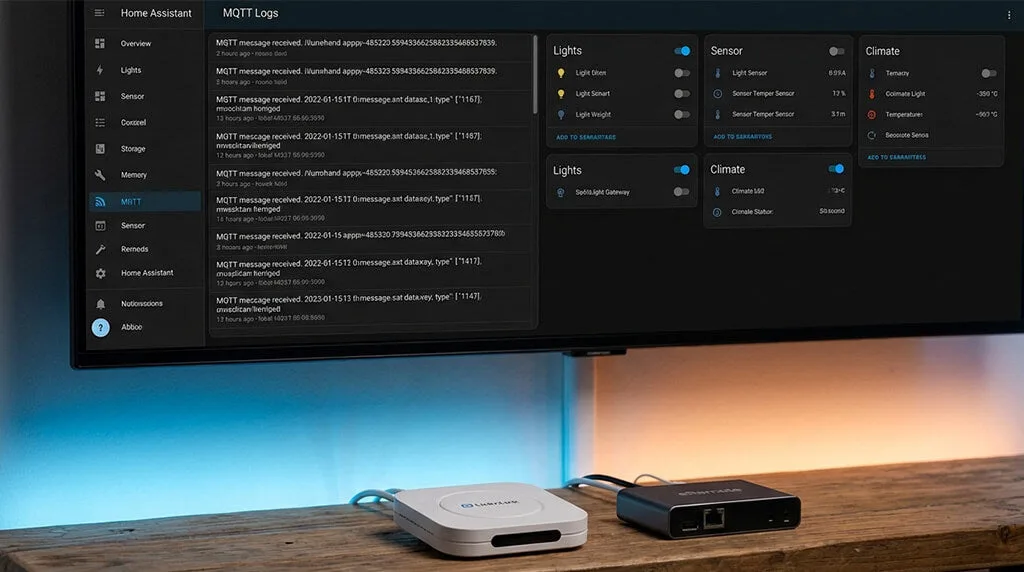
A local smart home hub, like this one, enables devices to communicate directly within the home network, significantly reducing reliance on external cloud servers. This enhances privacy and ensures continued functionality even during internet outages, a key aspect of building resilient smart home systems. (Source: linknlink.com)
Can smart home devices work without Wi-Fi? Some smart home devices offer limited functionality without Wi-Fi. Devices using local communication protocols like Zigbee or Thread can often still operate within the home network. But most remote control and cloud-dependent features won’t work.
How can I protect my smart home from outages? Choose devices with local control options. Use backup power solutions like uninterruptible power supplies (UPS) for essential hubs and routers. Regularly update firmware to patch vulnerabilities.
Are offline smart homes more secure? Offline functionality can improve privacy by keeping data within the home network. It reduces exposure to remote server breaches. But local networks still need strong security, like strong passwords and up-to-date router firmware.

An Uninterruptible Power Supply (UPS) provides crucial backup power to essential smart home devices like hubs and routers, allowing them to maintain local functionality during power outages. These systems typically contain batteries that can keep devices running for a limited time, enhancing resilience against disruptions. (Photo: Zendure Power Station / Unsplash)
You might also like:
👉 WannaCry 2017: The Cyberattack That Crippled UK Hospitals