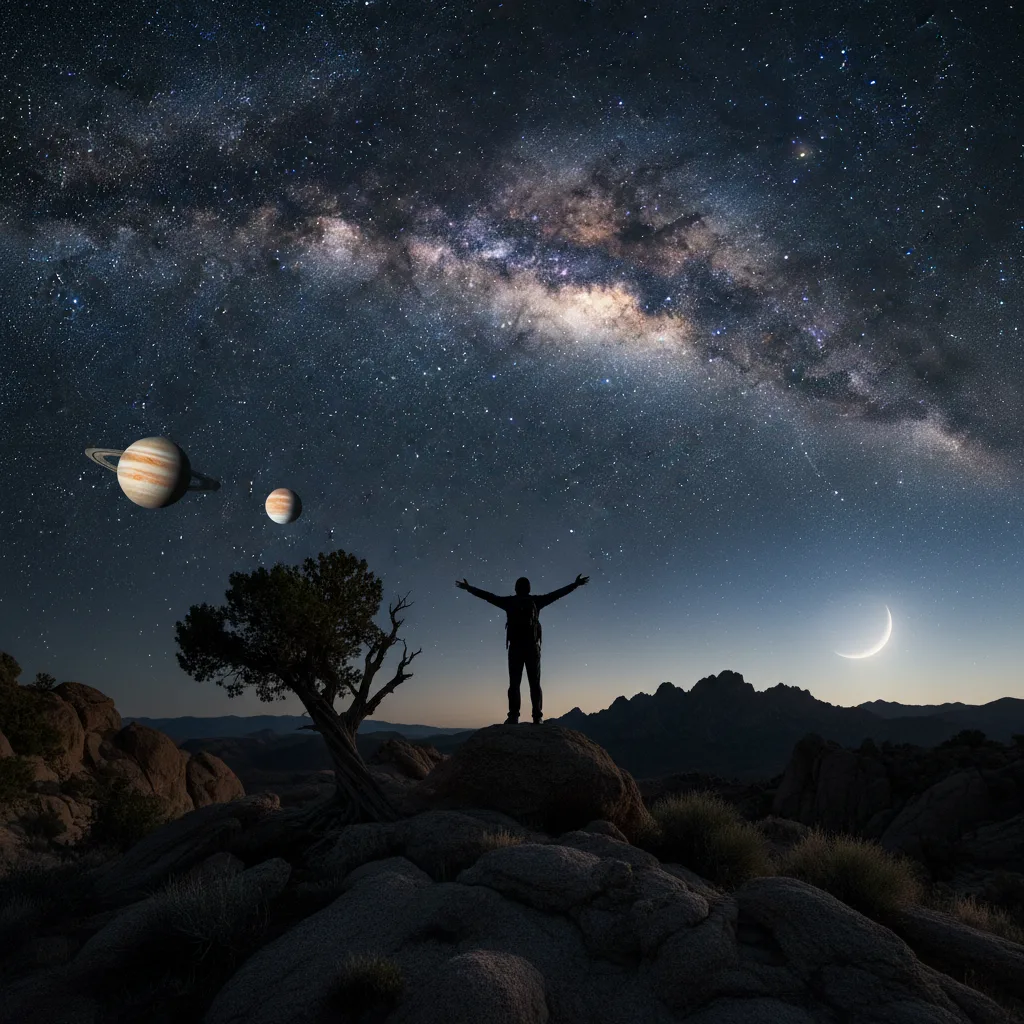
Mind-Blowing Solar System Facts: Uncover Cosmic Wonders
Dive into truly mind-blowing facts about our solar system. From the immense scale of the Sun to humanity's place among the stars, prepare to reshape your reality.
Beyond Imagination: Mind Blowing Facts About Our Solar System That Will Reshape Your Reality
Imagine, for a moment, that you could shrink the Sun down to the size of a white blood cell. How big would Earth be? A tiny speck of dust? Even smaller. This is just the first tremor in the earthquake of understanding we’re about to unleash as we dive into some truly mind blowing facts about our solar system. For centuries, humanity gazed at the stars, pondering our place. Today, with probes traversing cosmic distances and telescopes peering into the very birth pangs of planets, we’ve uncovered a truth far stranger, more violent, and infinitely more beautiful than any ancient myth. Forget what you thought you knew; prepare to have your cosmic perspective utterly redefined.
The Grand Canvas: Unfathomable Scale in Our Solar System
 Our home, the Earth, feels vast and endless. Yet, in the cosmic scheme, it's a mere speck. To truly grasp the **mind blowing facts about our solar system**, we must first confront its sheer, terrifying scale. Our Sun, a star of average size, accounts for 99.86% of the entire solar system's mass. You could fit approximately **1.3 million Earths** inside it. If you placed the Sun at the center of our solar system, Mercury, Venus, Earth, and Mars would all comfortably orbit *inside* its stellar diameter, with room to spare.
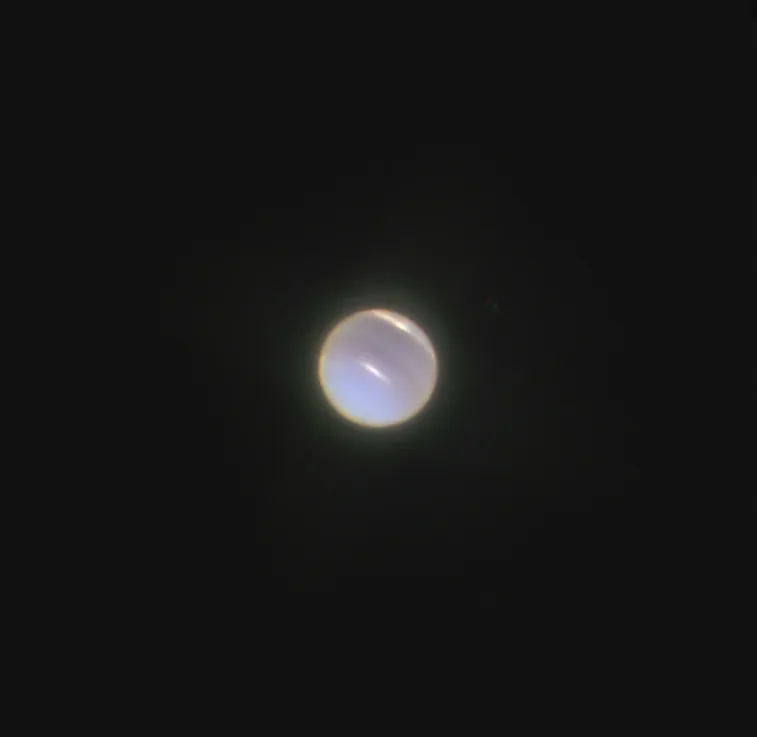 The distances are equally staggering. Light, the fastest thing we know, takes about **8 minutes and 20 seconds** to travel from the Sun to Earth, a distance of roughly 150 million kilometers (93 million miles), defined as one Astronomical Unit (AU). But venture further, and the numbers explode. Neptune, the outermost major planet, orbits at about **30 AU** from the Sun. Light takes over four hours to reach it. And beyond Neptune lies the Kuiper Belt, a vast ring of icy bodies, home to dwarf planets like Pluto, extending out to 50 AU or more.
And that’s just our immediate neighborhood! The true edge of our solar system, the Oort Cloud – a theoretical spherical shell of trillions of icy objects – stretches perhaps 100,000 AU (nearly two light-years) from the Sun. That’s a quarter of the way to the nearest star, Proxima Centauri. To put it another way, if the Sun were a grapefruit in New York City, the Oort Cloud would extend halfway to California. Our cosmic backyard is not just immense; it’s practically a universe unto itself. What other cosmic wonders lie hidden within such an incomprehensible expanse?
Beyond Earth: Mind-Bending Extremes of Planetary Life
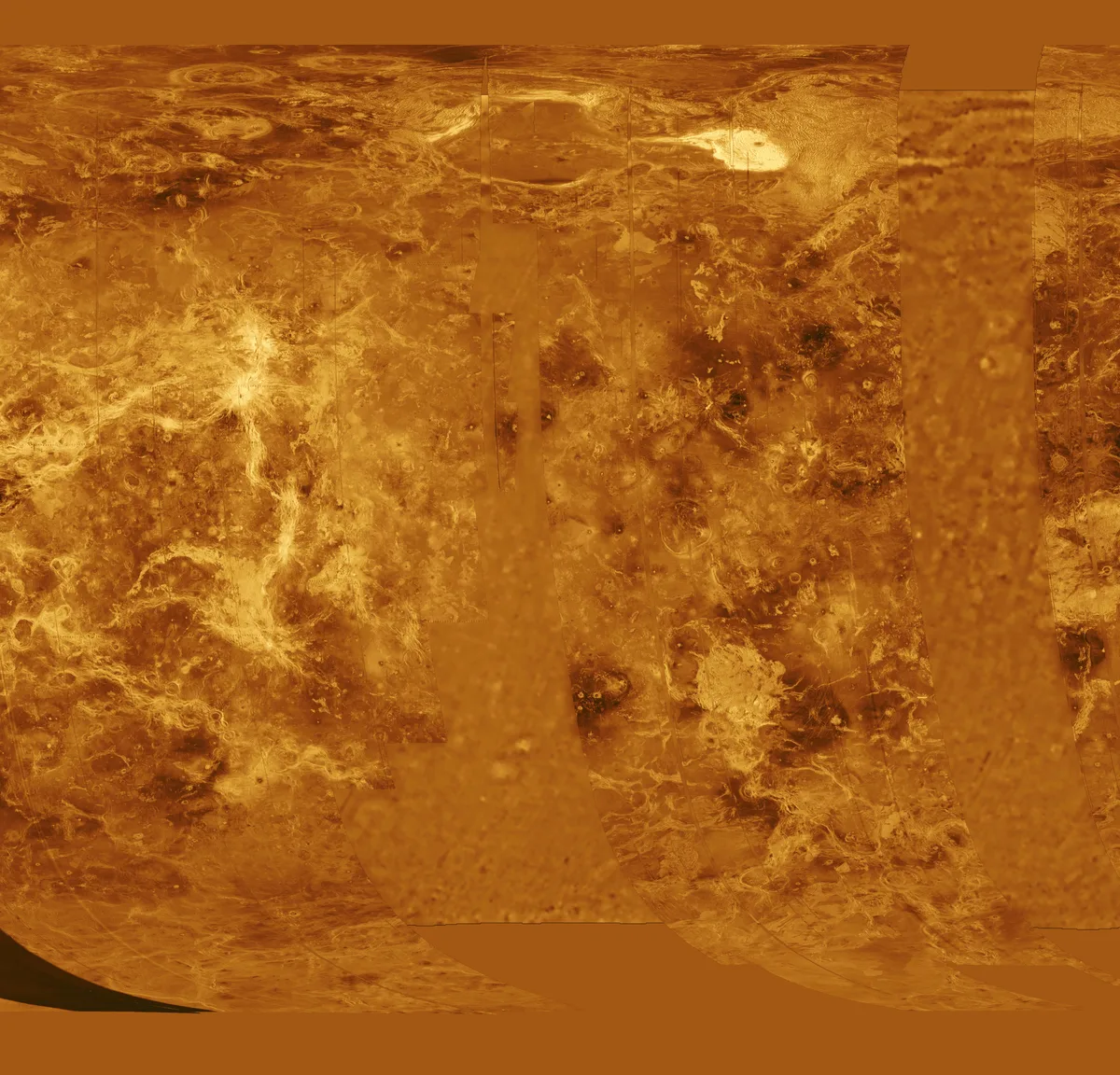 While Earth offers a temperate haven, the other planets in our solar system present a gallery of the most extreme and inhospitable environments imaginable. Take Venus, our nearest planetary neighbor, often called Earth's "twin" due to its similar size. This "twin" is a hellscape, shrouded in a thick atmosphere of carbon dioxide, creating a runaway greenhouse effect that bakes its surface to a scorching **462 degrees Celsius (864 degrees Fahrenheit)** – hot enough to melt lead. It even rains sulfuric acid in its upper atmosphere, though it evaporates before reaching the ground.
Jupiter, the undisputed giant, offers a different kind of terror and beauty. Its iconic Great Red Spot is a colossal storm, larger than Earth, that has raged for at least 350 years, possibly much longer. Beneath its swirling clouds, Jupiter is a planet of liquid metallic hydrogen, generating a magnetic field 20,000 times stronger than Earth’s. Its intense radiation belts would quickly prove fatal to any unprotected spacecraft or organism.
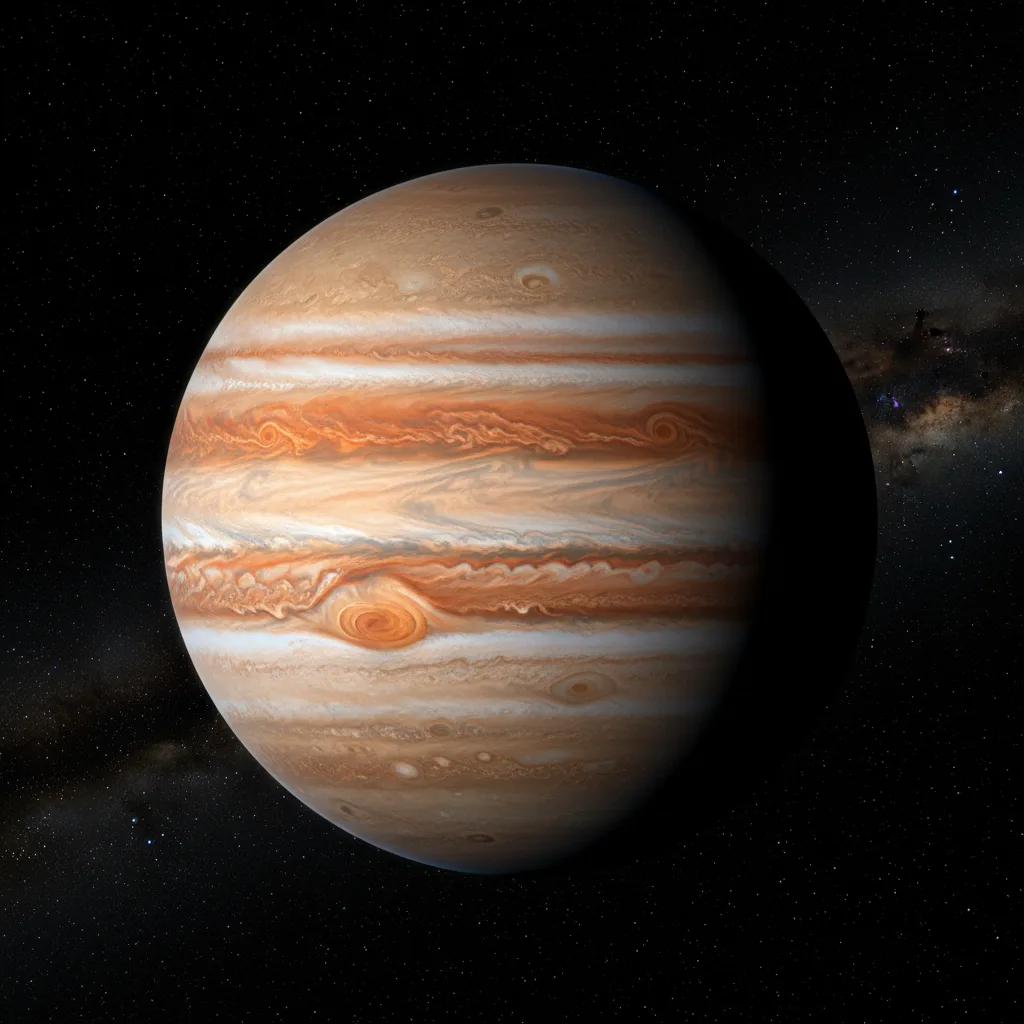
Even the seemingly serene ice giants, Uranus and Neptune, hold their own chilling secrets. Neptune boasts the fastest winds in the solar system, clocking in at over 2,100 kilometers per hour (1,300 mph), whipping through an atmosphere of super-cold methane and hydrogen. These are not merely distant worlds; they are living laboratories of physics and chemistry, pushing the boundaries of what we understand about matter and energy. But what powers these colossal systems, and how did they come to be?
The Sun: Our Life-Giver and Cosmic Powerhouse
At the heart of our solar system, radiating the light and warmth that sustains all life on Earth, is the Sun – a star of such immense power and scale that it truly boggles the mind. Every second, our Sun converts approximately 4 million tons of matter into energy through nuclear fusion, primarily turning hydrogen into helium in its core. This astounding process releases an energy equivalent to billions of atomic bombs detonating every second.
This relentless output isn’t constant; the Sun is a dynamic, active star. It experiences cycles of activity, marked by sunspots – cooler, darker regions on its surface – and spectacular eruptions known as solar flares and Coronal Mass Ejections (CMEs). These events can hurl billions of tons of plasma into space at millions of kilometers per hour. While our planet’s magnetic field largely protects us, powerful CMEs can disrupt satellites, power grids, and even create the dazzling auroras at Earth’s poles.
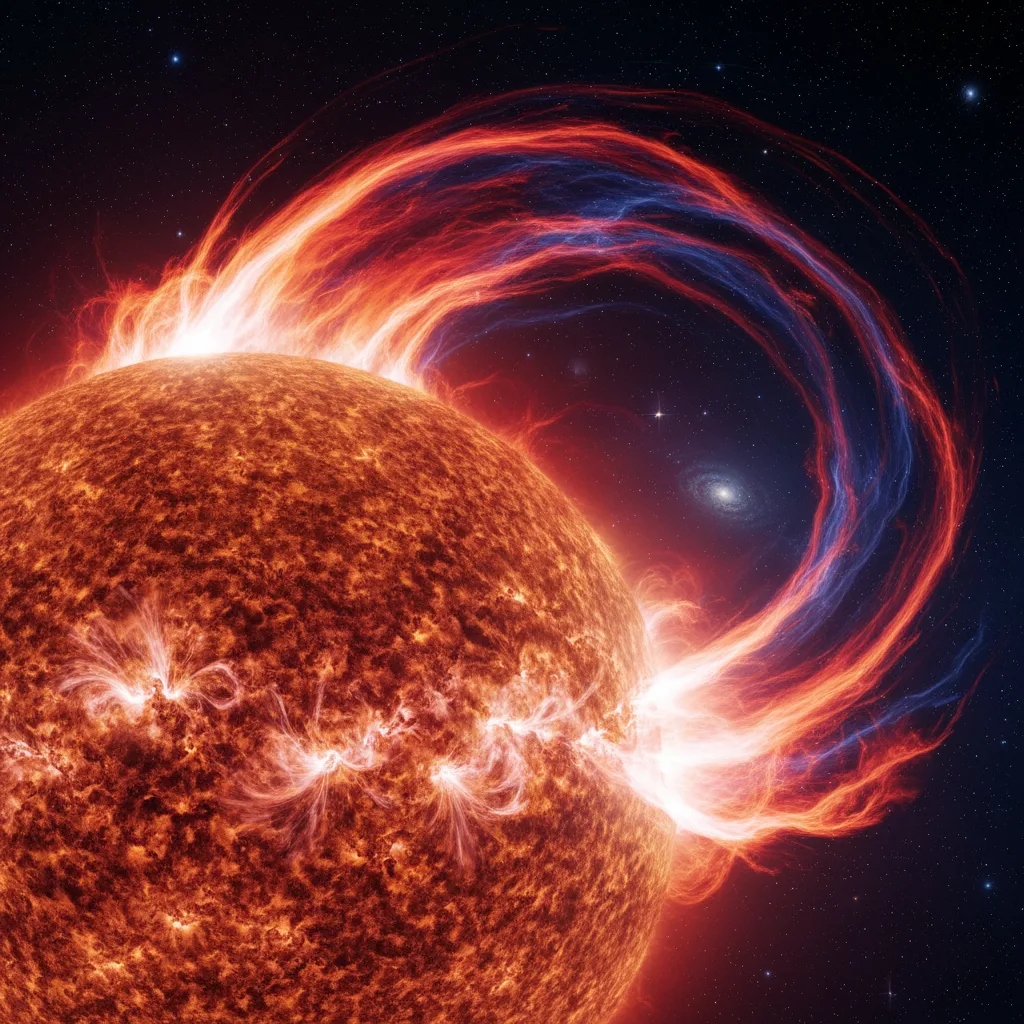
The Sun has been burning steadily for about 4.6 billion years and is roughly halfway through its main sequence lifespan. In another 5 billion years, it will swell into a red giant, engulfing Mercury and Venus, and possibly Earth, before eventually shedding its outer layers to become a white dwarf. This incredible celestial engine, so vital to our existence, is also a ticking cosmic clock, reminding us of the transient nature of even the grandest stars. What other secrets does this fiery heart hold, and what hidden wonders does its energy enable on distant worlds?
Water Worlds and the Hunt for Extraterrestrial Life
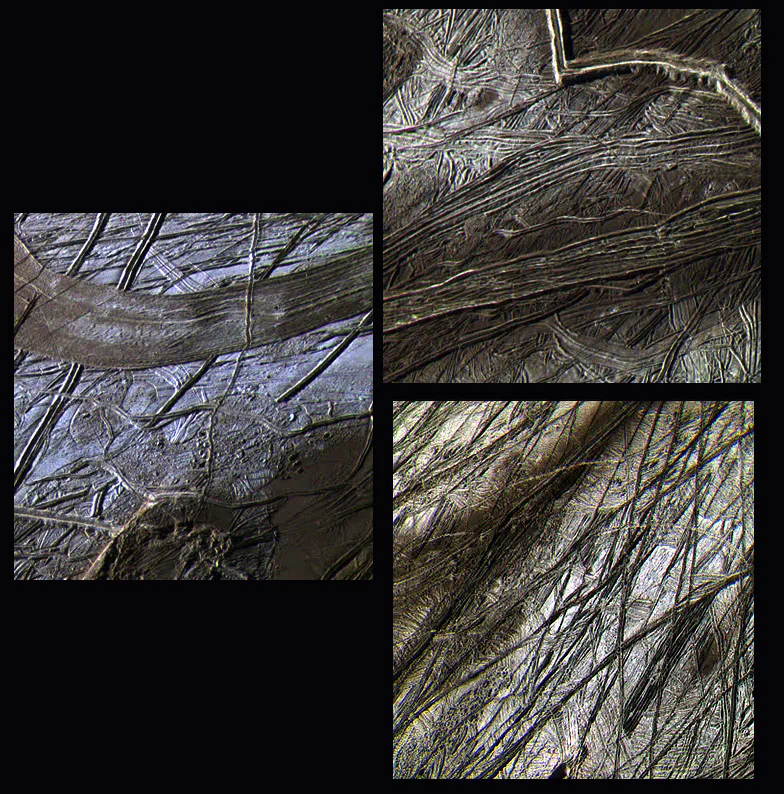 For decades, the search for life beyond Earth focused on Mars, but recent discoveries have revealed that our solar system is surprisingly rich in water, often in unexpected places, leading to some truly **mind blowing facts about our solar system** concerning astrobiology. Jupiter's moon Europa, for instance, is covered in a thick shell of ice, beneath which scientists are almost certain lies a vast, salty ocean of liquid water, potentially **twice the volume of all Earth's oceans combined**. The interaction of this ocean with a rocky seafloor could provide the chemical energy necessary for life.
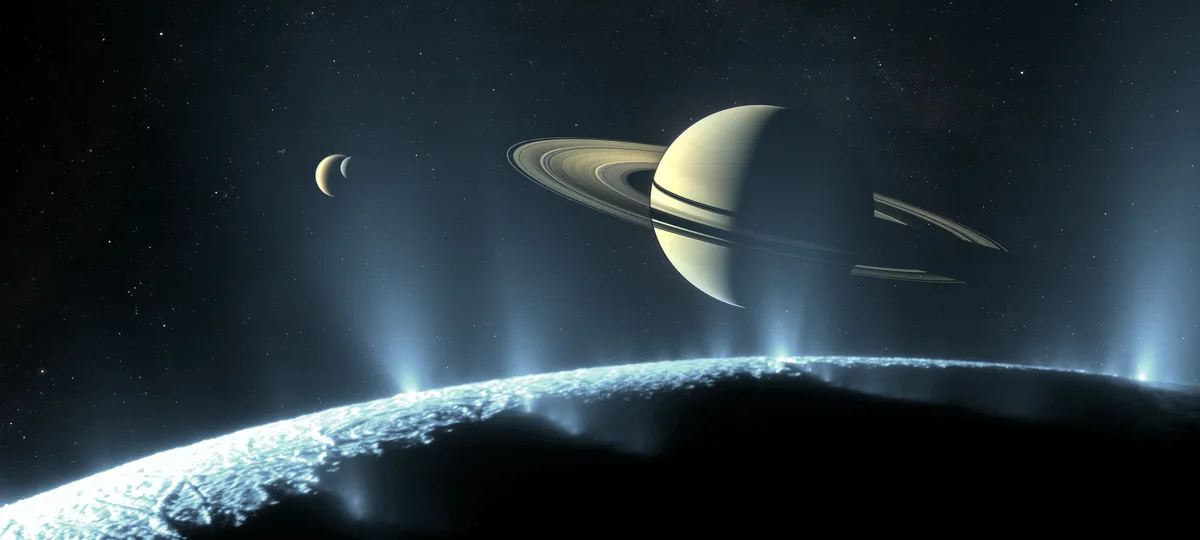 Saturn's moon Enceladus is another prime candidate. The Cassini spacecraft famously observed geysers erupting from its south pole, spewing plumes of water vapor and ice particles hundreds of kilometers into space. Analysis of these plumes has revealed not just water, but also salts, silica nanoparticles, and complex organic molecules – all ingredients considered essential for life. The presence of hydrothermal vents on Enceladus's seafloor, similar to those that support diverse ecosystems on Earth, makes it a compelling target for future missions.
Even Mars, though now a dry, cold desert, shows undeniable evidence of a watery past. Orbital images reveal ancient riverbeds, deltas, and lakebeds. Rovers like Curiosity and Perseverance have found minerals that only form in the presence of water, and even evidence of subsurface ice. The discovery of water in various forms – liquid, ice, and vapor – across multiple bodies in our solar system profoundly changes our understanding of where life might originate and thrive, shifting the focus from simply “life on Mars” to “life in the solar system.” Could we be on the cusp of finding our cosmic neighbors?
The Violent History and Dynamic Future of Our Solar System
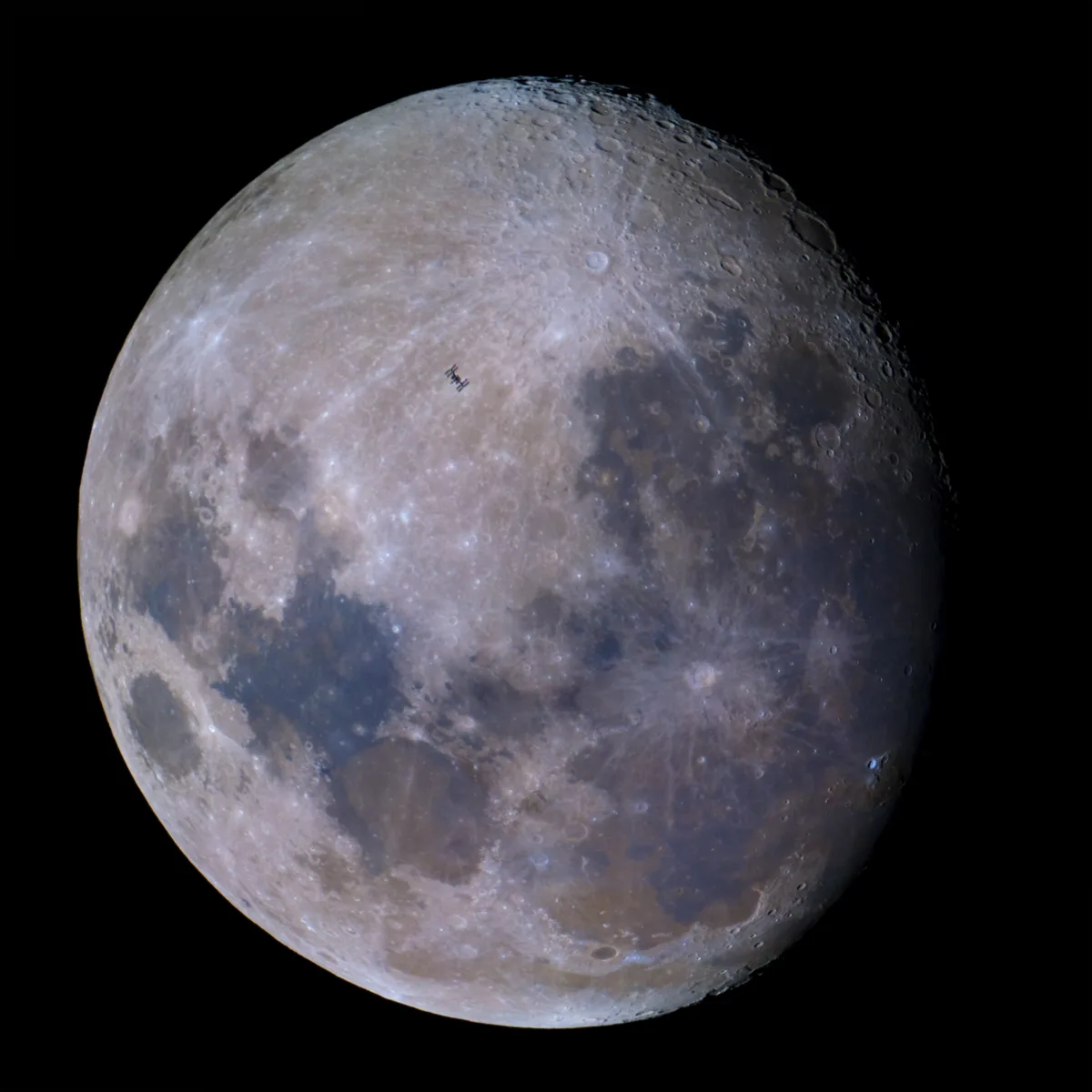 Our seemingly stable solar system is, in fact, the product of a tumultuous past and is destined for a dramatic future. The very existence of our Moon is attributed to a colossal impact event approximately **4.5 billion years ago**. A Mars-sized protoplanet, dubbed Theia, is thought to have collided with early Earth, ejecting a vast amount of material into orbit that eventually coalesced to form our natural satellite. This **Giant Impact Hypothesis** explains the Moon's unusual composition and the Earth's tilted axis.
The asteroid belt, located between Mars and Jupiter, is not the remnants of a destroyed planet, as once thought. Instead, it’s a region where the immense gravitational influence of Jupiter prevented smaller planetary building blocks from accreting into a single large body. These asteroids, along with comets from the Kuiper Belt and Oort Cloud, are cosmic cannonballs, occasionally veering into the inner solar system, as evidenced by the numerous impact craters scarring the surfaces of the Moon, Mars, and even Earth.
Looking ahead, our solar system faces an inevitable, if distant, end. As the Sun exhausts its hydrogen fuel in about 5 billion years, it will expand into a red giant, growing so large that it will likely engulf Mercury, Venus, and possibly Earth. Eventually, it will shed its outer layers, forming a beautiful planetary nebula, and its core will shrink into a dense, dim white dwarf star. This cosmic cycle of birth, life, and death is a constant reminder that nothing, not even a star, lasts forever. What other fundamental forces dictate these grand cosmic narratives?
Unseen Forces: Gravity, Magnetism, and the Fabric of Space
While we often focus on the visible planets and stars, our solar system is fundamentally shaped by powerful, often invisible, forces that truly constitute some of the most mind blowing facts about our solar system. Gravity, for instance, is the architect of our cosmic neighborhood, holding planets in their orbits around the Sun, and moons around their planets. It’s the reason we don’t float off into space, and it dictates the majestic dance of celestial bodies. Without it, our solar system would be a chaotic, dispersed cloud of dust and gas.
Another crucial, yet invisible, force is magnetism. Earth itself is a giant magnet, generating a powerful magnetosphere that extends thousands of kilometers into space. This magnetic shield deflects the constant stream of charged particles from the Sun – the solar wind – protecting our atmosphere from being stripped away and safeguarding life from harmful radiation. When these charged particles interact with the magnetosphere, they create the stunning aurora borealis and australis near our planet’s poles.
Jupiter’s magnetosphere is even more immense, a colossal magnetic bubble that stretches millions of kilometers and traps vast amounts of radiation. These invisible fields are not static; they are dynamic, interacting with each other and with the solar wind, creating a complex and ever-changing environment. Understanding these forces is key to not only explaining the present state of our solar system but also predicting its future interactions and the potential for life beyond Earth.
Conclusion
From the incomprehensible vastness of the Oort Cloud to the searing temperatures of Venus, from the roaring storms of Jupiter to the hidden oceans of Europa, our solar system is a realm of profound mystery and unparalleled wonder. We’ve journeyed through scales that defy imagination, witnessed environments of extreme hostility and surprising potential, and glimpsed the violent cosmic ballet that shaped our home. The mind blowing facts about our solar system are not just scientific curiosities; they are a testament to the incredible power of the universe and a humbling reminder of our small, yet significant, place within it. Every new discovery pushes the boundaries of our knowledge, inspiring awe and fueling the relentless human drive to explore, to understand, and to ultimately, find our place in the grand cosmic narrative. The journey has only just begun.
You might also like:
👉 Mind-Blowing Facts: Unveiling the Universe’s Staggering Scale
👉 Most Mind-Blowing Universe Facts: Cosmic Wonders & Mysteries
👉 Unexplained Mysteries of Science: Cosmos, Quantum & Beyond