Ohio: 220 Years, 70 Men, Still No Female Governor
Ohio has had 70 male governors since 1803, but never a woman. Uncover the historical and political reasons behind this 220-year anomaly.
Ohio has a glaring political anomaly: No woman has ever been elected governor. Seventy men have held the state’s top office since 1803. That’s over 220 years of male-only leadership.
Ohio is a big Midwestern state. It matters in national elections. The governor’s office holds serious power. They manage the state budget, pick agency heads, and veto laws.
early paths for women in ohio politics
Ohio women got full voting rights in 1920, when the 19th Amendment to the U.S. Constitution was ratified. Before then, women could vote in school board elections, starting in 1894. This early political work built a base for wider participation.
Florence Allen made history in Ohio. She became the first woman in the U.S. to serve on a state supreme court. Voters elected Allen to the Ohio Supreme Court in 1922. She later served on the U.S. Court of Appeals for the Sixth Circuit. Her judicial career showed early female leadership at high levels.
Mary Edna Hoover was the first woman to run for Ohio Governor. She ran as the Prohibition Party candidate in 1926. Hoover’s campaign was an early, though long-shot, challenge to male political power. She didn’t win the election.
Mildred J. Slyh was another early female candidate for governor. Slyh ran in 1932. She represented the Socialist Party during the Great Depression. Her run showed women’s involvement in third-party politics. Neither Hoover nor Slyh got much support.
Women also started winning legislative seats. Maude C. Waitt was the first woman elected to the Ohio General Assembly. She won a seat in the Ohio House of Representatives in 1922. Waitt served several terms, focusing on social welfare laws. These roles gave women experience in state government.
near misses: women run for governor
More women sought statewide executive offices in the late 20th and early 21st centuries. Some made serious bids for governor or lieutenant governor.
Nancy Hollister became Ohio’s first female Lieutenant Governor. She won election with Governor George Voinovich in 1994. Hollister served from 1995 to 2003. Her time in office was a big step for women in Ohio politics.
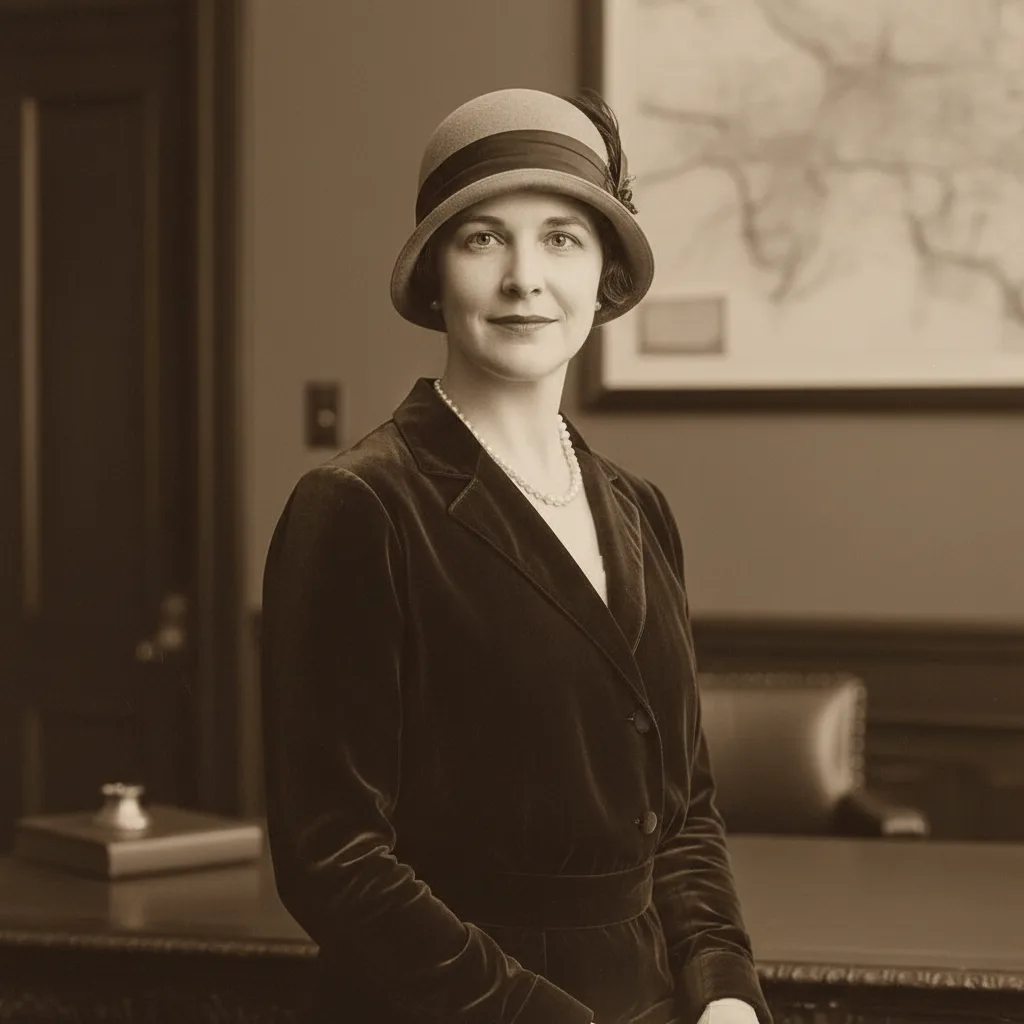
Mary Edna Hoover was the first woman to run for Ohio Governor, campaigning as the Prohibition Party candidate in 1926. Her historic, though unsuccessful, bid marked the initial challenge to the state's long history of male-only leadership. (AI-generated illustration)
Hollister briefly acted as Governor in December 1998. Governor Voinovich resigned to take a U.S. Senate seat. Hollister finished his term for 11 days. She held Ohio’s top executive power for those 11 days. But voters never elected her governor. The Ohio Constitution explains the lieutenant governor’s role in succession.
Betty Montgomery ran for Governor in 2006. She wanted the Republican nomination. Montgomery had a strong record, serving as Ohio Attorney General and State Auditor. Her campaign failed. She lost in the Republican primary.
Also in 2006, Maryellen O’Shaughnessy ran for Lieutenant Governor. She was Ted Strickland’s Democratic running mate. Their ticket won. O’Shaughnessy would have become Lieutenant Governor if elected, but she didn’t serve. Strickland instead picked Lee Fisher as his Lieutenant Governor.
Yvette McGee Brown was another well-known female candidate. She ran for Lieutenant Governor in 2010. McGee Brown was the running mate for Democratic gubernatorial candidate Lee Fisher. The Fisher-McGee Brown ticket lost the general election. McGee Brown later became the first African American woman on the Ohio Supreme Court. She made an impact in other state offices.
the path forward: ohio’s political future
In 2023, women held 31.6% of seats in the Ohio General Assembly, across both the House and Senate. This figure shows progress for women in Ohio politics. However, it still falls short of the national average. The national average for women in state legislatures is 33.1%. This data comes from the Center for American Women and Politics (CAWP) at Rutgers University.
Several groups actively support women in Ohio politics. The League of Women Voters of Ohio teaches voters and pushes for change. The Ohio Women’s Public Policy Network pushes for policies that help women. These groups aim to get more women involved and leading.
The number of women in judicial and local offices has also grown. More women serve as judges, county commissioners, and mayors across Ohio. These roles are often stepping stones for higher office. This creates more experienced female leaders.
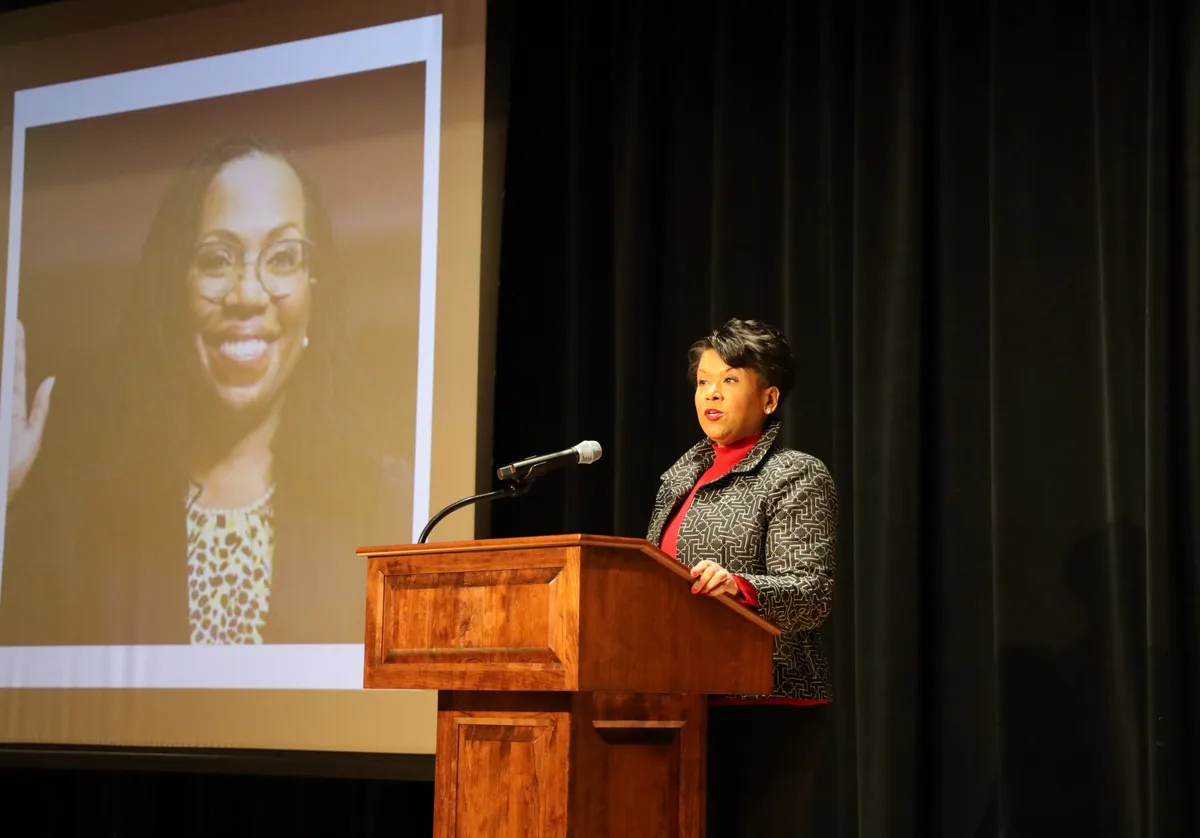
Yvette McGee Brown made history as the first African American woman to serve on the Ohio Supreme Court. Before her judicial appointment, she was a prominent candidate for Lieutenant Governor in 2010. (Source: news.osu.edu)
The political world is always changing. Public attitudes about female leadership have changed a lot. Future gubernatorial races will surely feature more female candidates. These candidates will benefit from more visibility and stronger support networks. It’s not a question of if a woman will be elected Ohio Governor, but when. The state is long overdue.
FAQ
Has any woman ever acted as Ohio governor? Yes, Nancy Hollister was Ohio’s acting Governor for 11 days in December 1998. She was Lieutenant Governor when Governor George Voinovich resigned to join the U.S. Senate. This made her the first woman to hold the state’s top job.
Who was the first woman to run for Ohio governor? Mary Edna Hoover was the first woman to run for Ohio Governor. She ran as the Prohibition Party candidate in 1926. Mildred J. Slyh followed, running as a Socialist in 1932.
How does Ohio compare to other states regarding female governors? Ohio is one of 23 U.S. states that hasn’t elected a female governor. In contrast, 31 states have had at least one female governor. Four women currently serve as governors in the United States as of 2024.
What is the highest office a woman has held in Ohio? Florence Allen became the first woman on the Ohio Supreme Court in 1922. Nancy Hollister was Ohio’s first female Lieutenant Governor and acting Governor. Yvette McGee Brown later became the first African American woman on the Ohio Supreme Court.