
Beyond 9-to-5: Unlock Financial Freedom with a Side Hustle
Discover how nearly half of Americans are earning an average of $1,122 monthly with side hustles. Learn to boost your income, achieve financial independence, and build lasting wealth beyond your main job.
Beyond the 9-to-5: How Side Hustles Are Changing Wealth
 Imagine making an extra $1,122 every single month. For nearly half of all Americans, that's not just imagination – it's reality. A detailed 2023 survey by OnePoll for Forbes Advisor found that **45% of Americans currently have a side hustle, bringing in an average of $1,122 each month.** Think about that. Almost half the working population is putting in extra hours outside their main job. They're not just earning pocket change. This money could cover a big part of their rent, student loan payments, or a good chunk of a car payment in many places. This isn't just about a few extra bucks; it's a big change in how people handle their money and build financial stability in a world that feels more unpredictable every day.
Side hustles aren’t new. People have always done extra work, from evening shifts to weekend gigs. But what’s different now is the sheer size of it, how easy it is to start, and the clever system of platforms that have turned casual extra work into a real, often profitable, economic power. We’re talking about an economy that’s bringing in billions, maybe even trillions, every year. Here at TrendSeek, we’ve looked at the numbers, talked to the experts, and gathered the information to really get what this financial trend is all about. You’re about to see just how much impact this trend has, far beyond individual paychecks.

The Gig Economy’s Massive Reach: A Trillion-Dollar Market
 The money side hustlers earn, while impressive for individuals, adds up to a truly enormous market. The global gig economy, and side hustles are a big part of it, was worth **$455.2 billion in 2023.** It's expected to hit **$1.1 trillion by 2030**, according to a report by Grand View Research. That's not just growth; it's an explosion.
That $1.1 trillion figure? It’s roughly what countries like Indonesia or the Netherlands produce in goods and services in a year. It’s a huge amount, showing an economic sector that’s not just extra income, but a core part of how our economy works.
This isn’t some tiny part of the economy; it’s a major movement. “The gig economy has moved far beyond its initial idea as just a temporary fix for students or unemployed people,” states Dr. Arun Sundararajan. He’s a professor at NYU Stern School of Business and a leading expert on the sharing economy. “It’s now a main or secondary income for millions. It offers flexibility that traditional jobs often can’t match.” He points to the tech behind it – things like payment processing and smart matching programs – as the real reason for this fast growth.
And it’s not just ride-sharing or food delivery, though those are certainly visible parts of it. Digital changes have opened doors for specialists in every imaginable industry. Think about the freelance graphic designer in Ohio selling custom art on Etsy. Or the retired teacher in Florida giving virtual English lessons to students in Asia. Each person’s effort, made possible by global platforms, builds up this huge collective value. This isn’t just a trend; it’s a basic change in how work gets done and how wealth is created.
Who’s Hustling and Why: People and Their Money Needs
Who exactly is powering this multi-billion-dollar machine? It’s not just Gen Z, though they certainly play a part. Data from Zapier’s 2023 Side Hustle Report shows that Millennials are the most likely generation to have a side hustle (54%). Gen Z isn’t far behind at 44%, and even Gen X comes in strong at 38%. This involvement across generations tells us something important: the reasons go deeper than just youthful ambition.
The reasons are many, but a clear pattern shows up when you look at the numbers. The same Zapier report found that 39% of side hustlers use the extra income to pay for basic necessities. Another 30% are saving for a large purchase, and 28% are putting it towards debt repayment. Let’s be honest, that first statistic is sobering. It highlights a tougher reality for many: a single income just isn’t enough anymore because of rising living costs. Inflation, stagnant wages in many jobs, and the constant burden of student loan debt are pushing people to look for more ways to earn money.

“It’s a reflection of the economic pressures many households face,” observes Sarah J. Mauldin, a Certified Financial Planner based in Atlanta. “For many, a side hustle isn’t about luxury; it’s about survival. It’s about building a safety net that feels harder and harder to get with typical jobs.” We’re seeing people actively respond to economic uncertainty. It’s a direct result of individuals taking charge of their financial future, one gig at a time. It’s a testament to human cleverness when faced with money troubles, isn’t it?
Digital Goldmines: Top Hustles and Powerful Platforms
The internet isn’t just a way to communicate anymore. It’s a marketplace, a classroom, and a workplace all rolled into one. This digital shift has made it easier for anyone to access income streams that once needed a physical presence or lots of connections. Platforms like Upwork, Fiverr, Etsy, and even YouTube have become the new storefronts and offices for millions. The question isn’t if you can find a digital side hustle, but which one gives you the best return for your skills and time.
Think about the huge growth in online teaching and tutoring. A report by Global Market Insights expects the online tutoring market to go past $350 billion by 2032. It’s growing at an annual rate of over 15%. Platforms like Chegg, TutorMe, and even special language apps connect teachers with students all over the world. An expert in a specific subject, like advanced calculus or classical Greek, can charge $30-$70 per hour on these platforms. Often, they work entirely on their own schedule. That’s a good hourly wage, especially compared to minimum wage jobs.

Beyond education, creative and technical skills are earning top dollar. Data from Upwork’s 2023 “Freelance Forward” report shows that professionals in areas like web development, digital marketing, and UI/UX design can earn $50-$150 per hour for specialized projects. Even less technical jobs like virtual assistant services are in high demand, with average hourly rates from $20-$40. The key here is being specific and skilled. The more specialized your talent, the more you can potentially earn. It’s a clear message: invest in a skill that people want, and the digital economy will likely reward you.
Hidden Costs and Real Risks: It’s Not All Glamour
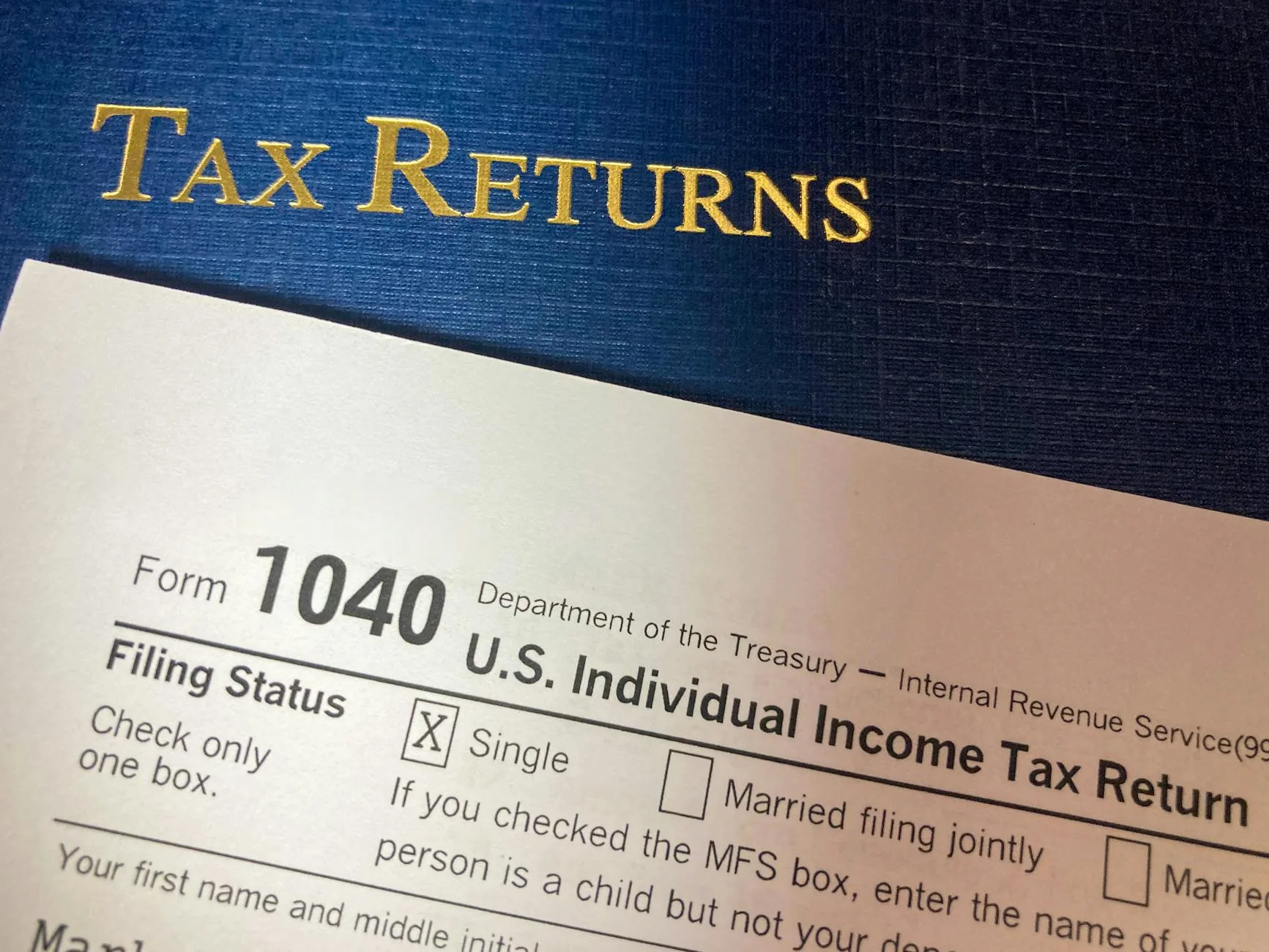 While the idea of extra income is appealing, the side hustle economy has its downsides and potential problems. It's easy to get caught up in the story of financial freedom, but it's important to know the less exciting truths. One of the biggest, often overlooked, issues is taxes. As someone who's self-employed, even for a side gig, you're responsible for paying self-employment taxes. These include Social Security and Medicare taxes, on top of income tax.
The IRS suggests that if you expect to owe at least $1,000 in tax from non-wage income, you should generally make estimated tax payments throughout the year. Many new side hustlers are surprised by this. “I’ve seen so many clients hit with a huge tax bill at the end of the year because they didn’t account for self-employment tax,” warns Mauldin. “It’s 15.3% on your net earnings up to a certain limit, on top of your regular income tax bracket. That can quickly eat into your profits if you’re not prepared.” Imagine earning an extra $10,000 in a year. Then you find out $2,500 or more of it is owed to Uncle Sam. It’s a rude awakening for some.
 Then there's the very real risk of **burnout.** A 2022 survey by the Financial Health Network found that **27% of gig workers reported feeling stressed or anxious about their work more often than not.** Juggling a full-time job, family duties, and a side hustle can be exhausting. The constant pressure to perform, find new clients, and manage your own schedule without typical employer benefits like paid time off or health insurance can really hurt your mental and physical health. This isn't just about making the most money; it's about making your life better. Sometimes, pushing too hard can actually work against you. What's the point of extra money if you're too tired to enjoy it?
Work’s New Shape: Future Trends and How We Grow
Looking ahead, the side hustle trend isn’t just a temporary fix for money problems. It’s fundamentally changing the future of work itself. We’re moving towards a model where careers are less straight, more flexible. This change isn’t just about earning money; it’s about learning new skills, building a varied professional history, and even trying out full-time entrepreneurship.
Think about the data on skill development. A 2023 LinkedIn Workplace Learning Report showed that 79% of professionals believe having a diverse skill set is more important than ever. Side hustles often push people to learn new abilities. This might mean learning basic accounting for their small business, mastering social media marketing, or becoming good with a new software tool. These aren’t just skills for the gig; they’re useful assets that improve one’s main career path. “Many of my students use side gigs as a low-risk way to experiment with new technologies or business ideas,” explains Dr. Sundararajan. “It’s a living lab for new ideas.”
What’s more, the rise of “micro-entrepreneurship” is a strong trend. Many successful small businesses today started as side hustles. They grew quietly on evenings and weekends before becoming full-time ventures. The chance to test a business idea, build a customer base, and make money without the immediate pressure of a full-time commitment is incredibly valuable. As technology keeps making it easier to start in different industries, we’ll likely see even more people go from part-time hustlers to full-time business owners. This isn’t just about making extra money; it’s about planting the seeds for a whole new career path. It’s one built on independence and passion. The future of work, it seems, is increasingly self-directed.
Frequently Asked Questions
Q1: How much money can I realistically make from a side hustle? A1: Earnings vary widely based on the type of hustle, your skills, and the time you dedicate. While the average is around $1,122 per month according to Forbes Advisor’s 2023 survey, some highly skilled individuals in areas like web development or specialized consulting can earn thousands, while others focusing on casual gigs might make a few hundred.
Q2: What are the biggest tax considerations for side hustlers? A2: As a self-employed individual, you’re responsible for self-employment taxes (Social Security and Medicare), in addition to regular income tax. You’ll likely need to make estimated tax payments quarterly if you expect to owe over $1,000. It’s wise to set aside 25-35% of your earnings for taxes.
Q3: How do I choose the right side hustle for me? A3: Start by identifying your existing skills, passions, and available time. Consider what problems you can solve for others or what unique value you can offer. Research platforms and average rates for different types of work that align with your profile. Don’t be afraid to experiment.
Q4: Is it sustainable to maintain a side hustle long-term? A4: Sustainability depends on effective time management, managing stress, and maintaining a healthy work-life balance. Burnout is a real risk. Prioritize your well-being, set clear boundaries, and regularly assess if the financial benefits outweigh the personal costs. For many, scaling a side hustle into a more significant income stream or even a full-time business can offer long-term sustainability.
You might also like: