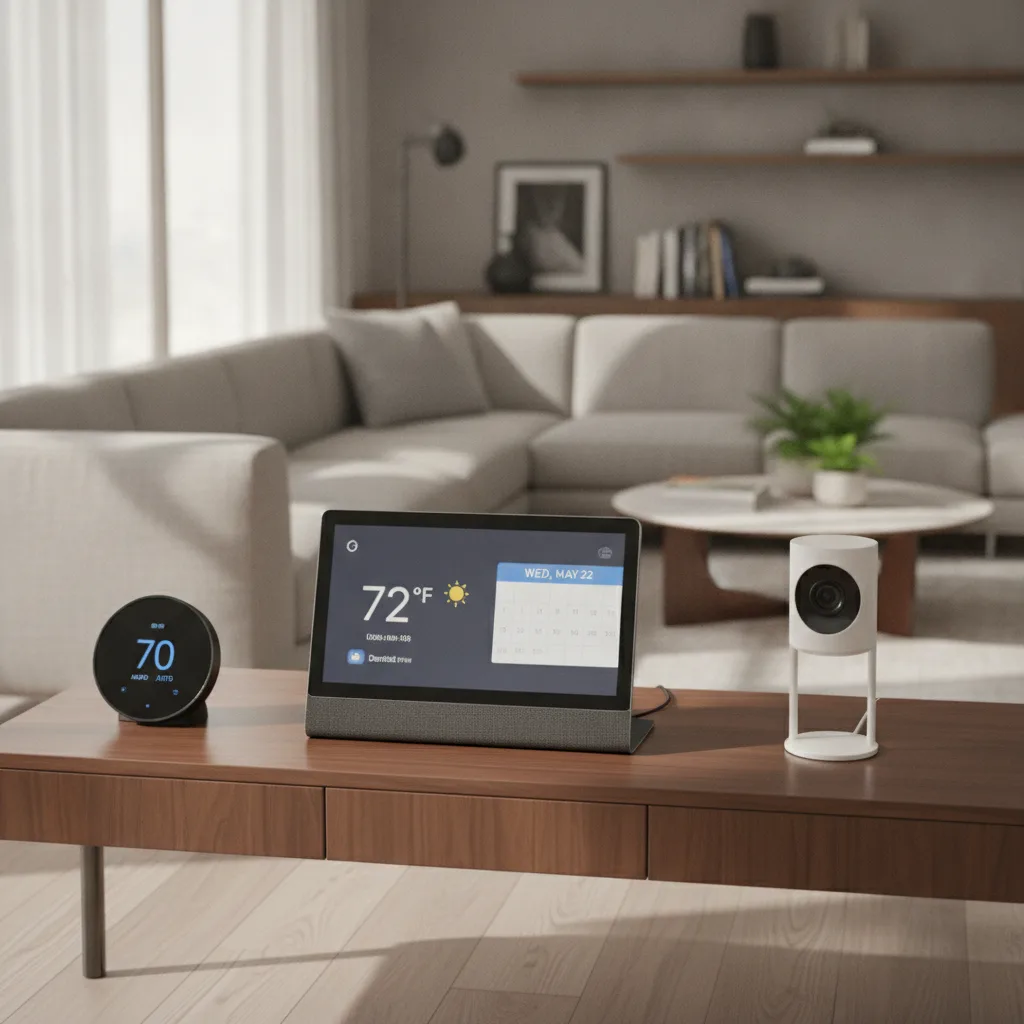
Smart Homes: The $60 Billion Market's Hidden Challenges
The $60 billion home automation market promises convenience, but consumers face overlooked practical challenges with smart lights, locks, and cameras.
Smart homes: beyond the hype
The global home automation market hit an estimated $60 billion in 2023. Smart devices promise convenience and efficiency. A popular story describes an integrated future for every household. Yet, this appealing vision often overlooks practical challenges. For consumers, the reality is far more complicated.
Smart home accessories are internet-connected devices. They include smart lights, thermostats, door locks, security cameras, and voice assistants. These gadgets connect to a central hub or cloud service. This lets you control them remotely. You can also set up automated routines. These devices really took off around 2014. Mainstream voice assistants like Amazon Alexa helped this growth.
Devices that won’t talk to each other
Smart devices from different brands rarely connect easily. Users expect all their smart accessories to communicate well. They want this regardless of the brand. This idea of a unified smart home is a key selling point. It excites consumers about connected living.
Such smooth communication is still mostly a wish. Competing proprietary systems divide the market. For example, an Apple HomeKit device may not work fully with a Google Home setup. A 2023 report by Statista showed limited device compatibility. Only 35% of smart home users found their devices “fully interoperable.” Many consumers end up running multiple apps. They manage separate systems. Different voice assistants or hubs control them. This creates a confusing experience.
The Matter connectivity standard launched in October 2022. It aimed to fix this fragmentation. Matter promised universal compatibility across brands. These include Apple, Google, Amazon, and Samsung. However, its adoption has been slower than expected. Many existing devices need software updates. Others require new hardware to support Matter. This creates a staggered rollout. Industry analysts at ABI Research noted this in late 2023. You might buy a new smart bulb. Then you find it doesn’t work with your older smart home hub. This forces unexpected upgrades or compromises.
Energy myths: the hidden power cost
Many home automation devices claim to save energy. Smart thermostats, for example, learn your habits. They adjust temperatures automatically. Smart lighting systems let you schedule and dim lights. This cuts electricity use. These claims suggest big environmental and financial benefits.
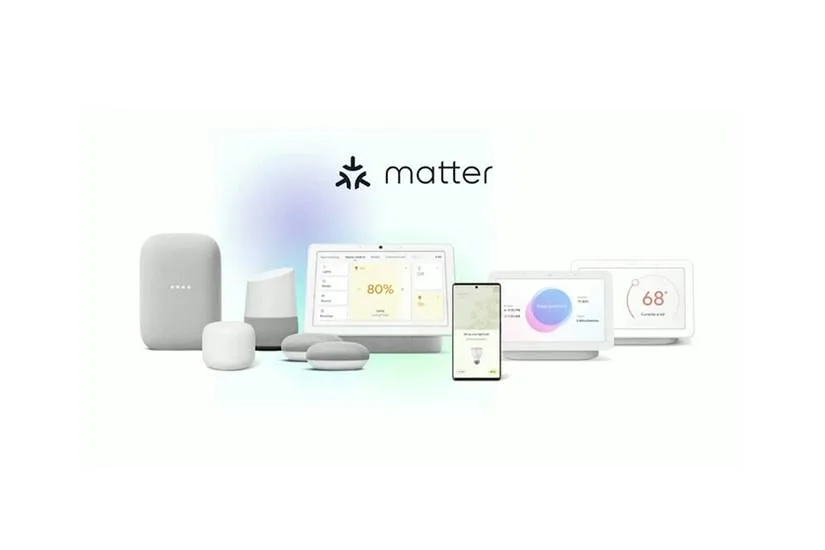
The Matter connectivity standard, launched in October 2022, aims to unify the fragmented smart home market by allowing devices from different brands like Apple, Google, and Amazon to communicate seamlessly. Despite its ambitious goal, its adoption has been slower than anticipated, often requiring updates or new hardware for existing smart home setups. (Source: xda-developers.com)
Specific devices can improve energy use. However, the overall picture is not simple. A 2020 study by the Lawrence Berkeley National Laboratory looked at smart home energy use. It found a large cumulative “vampire drain.” This comes from always-on smart devices. Wi-Fi modules, Bluetooth radios, and cloud connections need constant power. A single smart speaker, like an Amazon Echo Dot, uses about 2-3 watts even when idle. This power adds up in a home. Dozens of connected gadgets contribute to it.
Some devices, like smart plugs or hubs, draw power just by being plugged in. This happens whether they actively control another appliance or not. This constant background consumption can cancel out savings. Savings might come from efficient lighting or heating. A 2022 analysis by Consumer Reports warned about this. It stated, “the cumulative power consumption of an entire smart home ecosystem often goes unmentioned.” Users must consider the collective draw of their whole network. This includes Wi-Fi routers, smart hubs, and many devices in standby mode.
Security gaps and data leaks: new vulnerabilities
Smart devices offer security features. Smart locks provide keyless entry and remote monitoring. Security cameras give live feeds and motion alerts. These features are sold as better protection. They aim to surpass traditional methods. Users believe they gain more control over home safety.
Connecting physical security to the internet also creates new risks. Smart devices can suffer cyberattacks. Data breaches are also possible. In 2019, The Washington Post reported multiple Ring camera systems were hacked. Attackers gained unauthorized access to home camera feeds. The Federal Trade Commission (FTC) has repeatedly warned consumers. They highlighted IoT device security flaws. These often include weak default passwords and unpatched software.
Privacy concerns are significant. Many smart home accessories collect personal data. Voice assistants and cameras are prime examples. This data includes voice commands, video recordings, and movement patterns. Device terms of service for Google Nest or Amazon Alexa detail this collection. The Electronic Frontier Foundation (EFF) has expressed concern. They worry about how this data is stored and used. They point to potential misuse or sharing with third parties. Users must balance convenience against personal privacy loss.
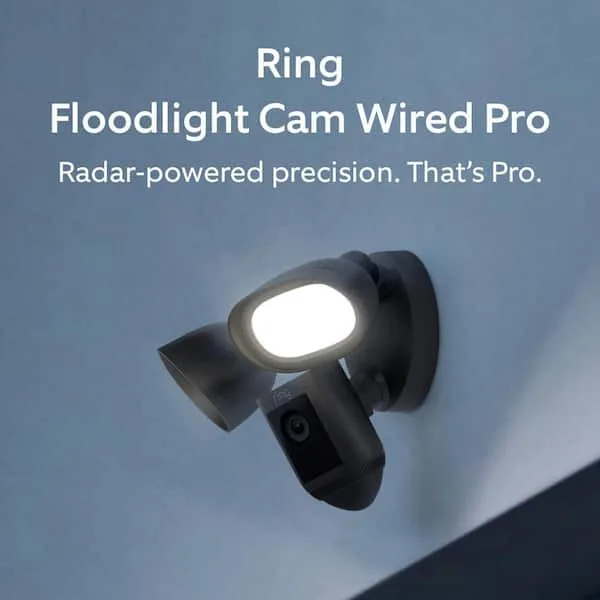
A Ring security camera, like those pictured, was at the center of a 2019 report by The Washington Post detailing how attackers gained unauthorized access to home camera feeds, highlighting new vulnerabilities in smart home technology. (Source: homedepot.com)
The true price of convenience: beyond the sticker
Basic smart plugs can cost as little as $10. A smart bulb might be $15. These low prices suggest smart homes are cheap upgrades. Consumers often see these as one-time purchases. They expect lasting convenience.
The initial price rarely shows the total cost of ownership. Many advanced features require ongoing subscriptions. Key functions also need these fees. Services like Ring Protect or Arlo Secure provide cloud storage for video. They also offer professional monitoring. These cost $3 to $20 per month. These recurring fees add up significantly over time. They turn a seemingly cheap device into a long-term expense.
Compatibility issues often mean buying more hardware. A new smart lock might need a specific bridge. Or it might need a hub. This connects it to your existing system. This adds to your total investment. Technology also changes fast. This leads to obsolescence. Older devices may lose software support. They might stop working with newer standards. This forces users to replace perfectly good hardware. This “tech burden” is a hidden cost. It comes with keeping a modern smart home running.
The smart home future: choices and questions
The future of home automation requires informed choices. It also demands more industry responsibility. The market needs to move towards truly open standards. This would reduce fragmentation and improve security. Users should pick devices. These should have clear privacy policies and strong security updates.
Convenience and efficiency are real promises. However, they come with trade-offs. Consumers need to understand their smart home investments fully. This includes hidden costs, security risks, and data privacy trade-offs. The goal is a smart home that truly helps its inhabitants. It should not create new problems. This avoids merely appearing advanced.
Frequently Asked Questions
What’s the biggest challenge in home automation? Interoperability is a major problem. Devices from different brands often struggle to connect. This forces users to manage multiple apps or systems.
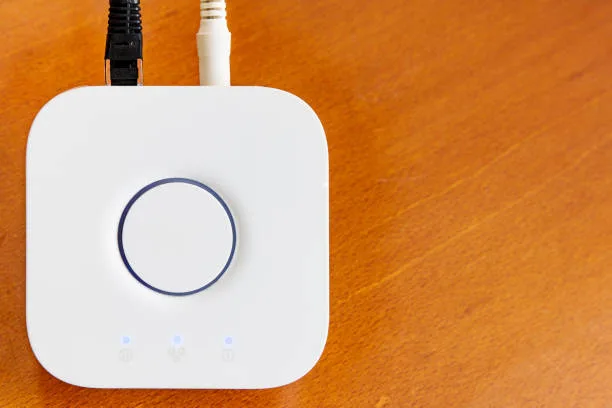
A smart home hub serves as the central brain for many smart devices, translating different wireless protocols like Zigbee, Z-Wave, and Wi-Fi to enable seamless communication and automation across various brands. While crucial for interoperability, these hubs often represent an additional hardware investment and potential point of failure in a smart home system. (Source: istockphoto.com)
Are smart home devices truly secure? They offer convenience. However, they bring new risks. Cyberattacks and data breaches are possible. Users must choose devices with strong security and regular updates.
Do smart devices always save money on energy bills? Not always. Some devices improve usage. However, the “vampire drain” from always-on devices can cancel savings. Hidden costs like subscriptions also add to expenses.
What’s the Matter standard? Matter is a new connectivity standard. It aims to improve how smart home devices work together. It seeks to create a unified system. Widespread adoption is still happening.
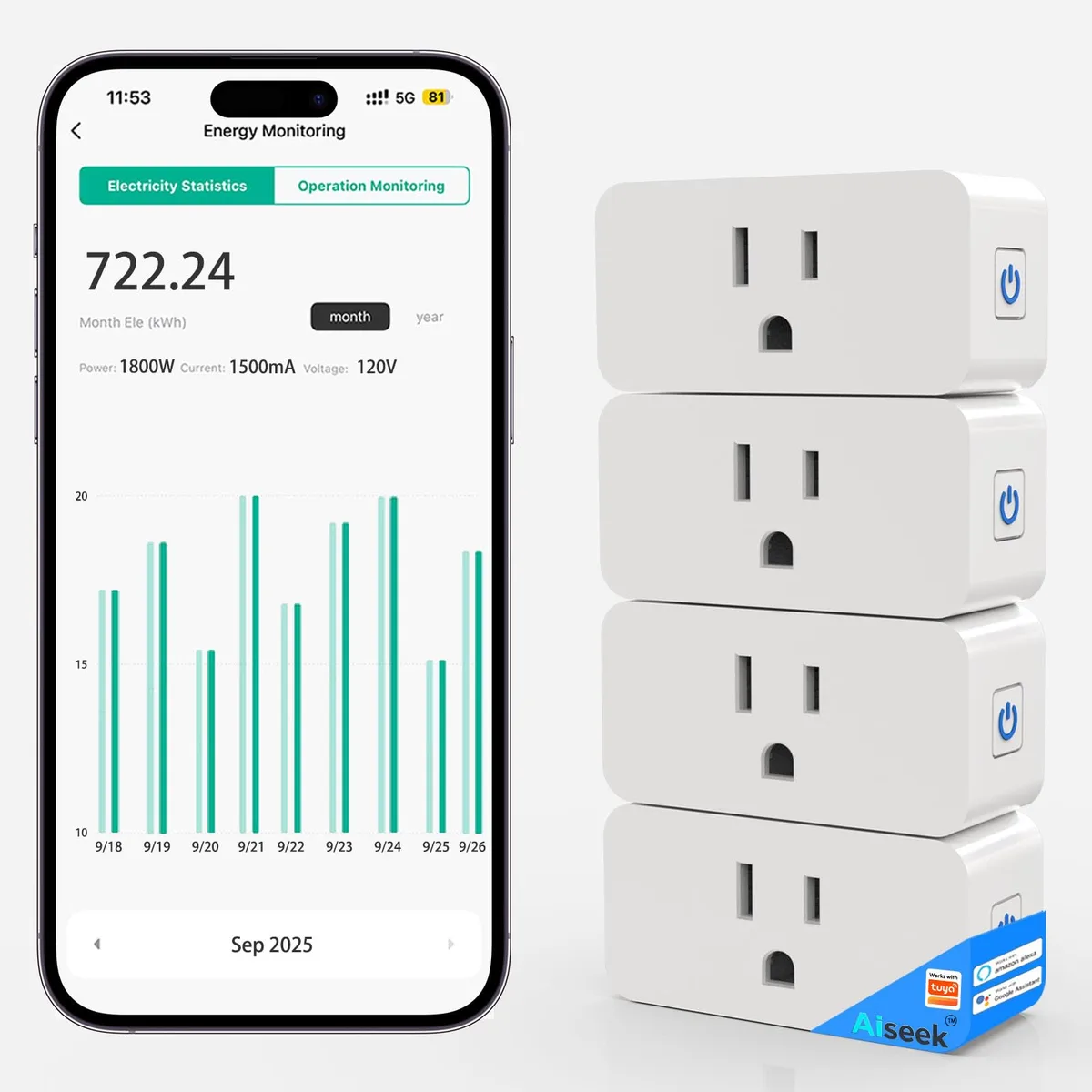
Smart plugs are home automation accessories that allow users to remotely control power to devices and monitor energy consumption, directly addressing the 'vampire drain' issue mentioned in the passage by helping to identify and reduce standby power usage. (Source: amazon.com)
You might also like:
👉 Hundreds of Flaws: Why Your Device Needs Updates Now