15 Million Americans: Social Anxiety's Hidden Daily Burden
For 15 million American adults, social anxiety is more than shyness. It's an invisible weight quietly reshaping daily lives, often dismissed as mere stage fright.
The invisible weight: social anxiety’s hidden daily burden
Fifteen million Americans live with a secret burden. Nearly 15 million American adults experience social anxiety disorder annually. This is according to the National Institute of Mental Health (NIMH). That’s a huge part of our population. For years, I dismissed it as extreme shyness or just stage fright. I was wrong. This condition isn’t just a fear of public speaking. It quietly reshapes entire lives.
I expected to hear about people avoiding big presentations or parties. Instead, I found a constant, exhausting drain. It’s not just grand social stages. It’s ordering coffee. It’s making eye contact. It’s even sending an email. These small interactions become huge hurdles for someone with social anxiety.
Social anxiety: more than shyness
Around 7% of U.S. adults get social anxiety disorder (SAD) every year. It’s one of the most common mental health conditions. I used to think it was just a stronger form of shyness or introversion. I was completely wrong.
The American Psychiatric Association (APA) defines SAD in its Diagnostic and Statistical Manual of Mental Disorders (DSM-5). It means a strong, lasting fear of social or performance situations. People with SAD fear acting in a way that will embarrass or humiliate them. This fear often makes them avoid these situations entirely.
Shyness is a personality trait. You might feel a bit uncomfortable in new social settings. But shyness doesn’t usually disrupt your daily life. Social anxiety is different. It’s a deep fear of what others think of you. It’s a clinical condition with clear symptoms. It deeply affects people’s lives.
Someone with SAD might blush, sweat, tremble, or have a racing heart. These aren’t just nerves. They’re an automatic, strong fight-or-flight response. This physical reaction then makes them even more afraid of being judged for showing those symptoms.
The silent thief: how social anxiety steals daily life
A 2017 study in Depression and Anxiety showed how much SAD disrupts daily life. I first focused on big social events. But this study, and others, made me see the small, everyday moments. Social anxiety deeply affects work, school, and basic interactions.
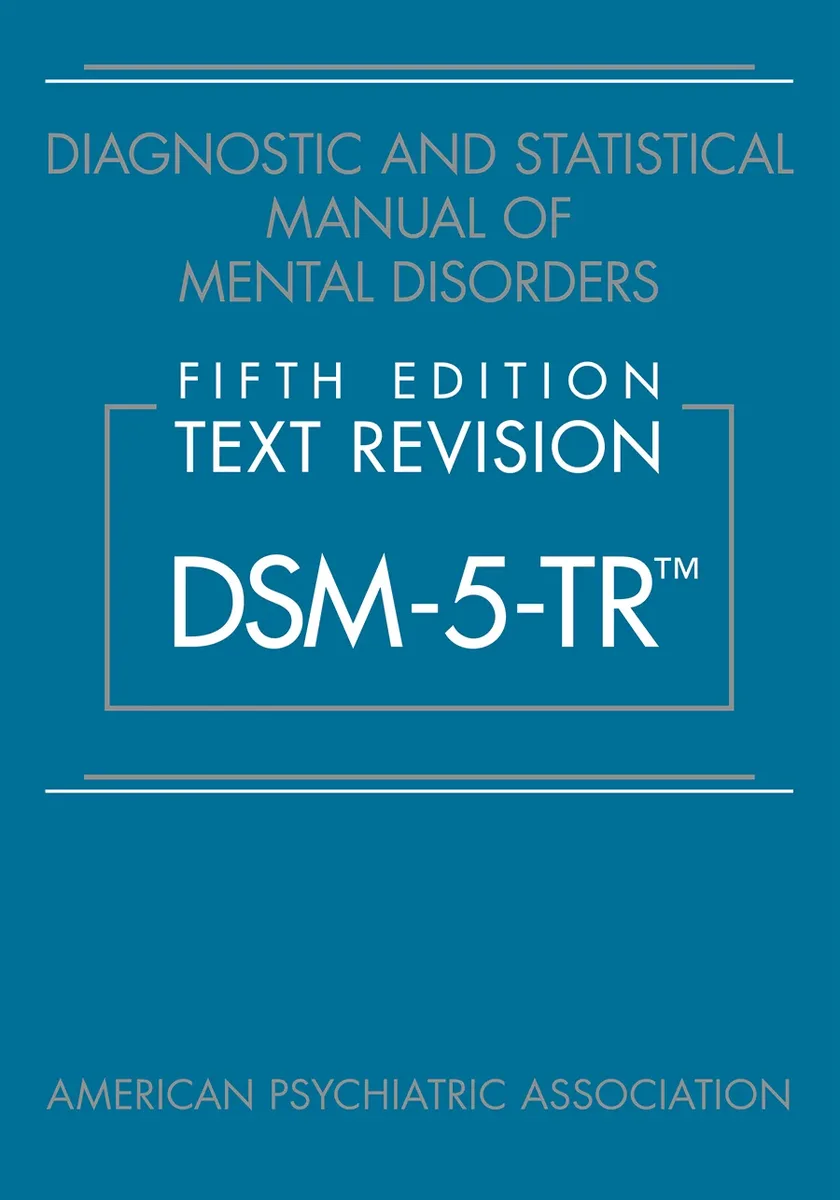
The DSM-5, published by the American Psychiatric Association, is the authoritative guide used by mental health professionals to diagnose conditions like social anxiety disorder. It outlines specific criteria and symptoms, ensuring a standardized approach to understanding and treating mental health challenges.
Think about work. Someone with social anxiety might skip team meetings. They might dread presenting ideas or turn down networking chances. This isn’t about lacking ambition. It’s a huge fear of saying the wrong thing or looking incompetent. This avoidance limits careers and lowers income. The Anxiety & Depression Association of America (ADAA) reports that untreated SAD often leads to lower income. People with this condition often earn much less than their peers.
School is no different. A student might do great alone but struggle with group projects. They might not ask questions in class, even when confused, fearing they’ll sound foolish. This can mean lower grades and lost learning. Social anxiety often starts around age 13, so these challenges hit during crucial formative years.
What truly shocked me was its hold on everyday tasks. Picture needing to return a faulty item. For most, it’s a small annoyance. For someone with SAD, just thinking about talking to a salesperson can be paralyzing. Explaining the problem and possibly facing disapproval makes it worse. They might just keep the item, losing money, to skip the interaction.
Even a phone call can feel like climbing a mountain. No visual cues mean a bigger fear of miscommunication or awkward silences. This affects everything: scheduling appointments, keeping up with friends. These quiet, constant avoidances erode a person’s quality of life. They build an ever-shrinking world.
The cost of silence: health and money
Social anxiety often starts around age 13, but it can hit earlier or later. Without treatment, it can last for years, even decades. This long struggle often brings on many other health problems. It’s more than a social issue; it affects the whole body.
The World Health Organization (WHO) shows a clear link: untreated anxiety often leads to more depression. About one-third to one-half of people with SAD also get major depressive disorder at some point. Constant stress and isolation wear down mental health. Having both conditions makes treatment much harder.
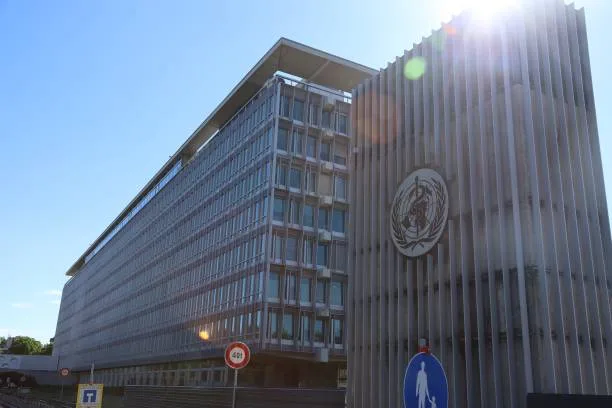
The World Health Organization (WHO), headquartered in Geneva, Switzerland, is a specialized agency of the United Nations responsible for international public health. The WHO highlights the critical link between untreated anxiety and the development of major depressive disorder, underscoring the broad health implications of social anxiety. (Source: gettyimages.com)
Beyond depression, SAD raises the risk of other anxiety disorders, like generalized anxiety or panic disorder. Some people use alcohol or drugs to cope with their social fears. This can cause substance use disorders. A 2018 study in the Journal of Anxiety Disorders found a clear link between SAD and increased alcohol use. This was especially true in young adults.
The economic cost goes beyond what individuals earn. The ADAA estimates anxiety disorders, including SAD, cost the U.S. over $42 billion each year. This money goes to healthcare, lost productivity, and a lower quality of life. It shows up as missed work, less efficiency, and a long-term strain on our healthcare system.
We still don’t fully understand how untreated SAD affects physical health, beyond mental health issues. Chronic stress harms heart health and immune function. But finding direct links specifically for SAD, separate from general chronic stress, is still being researched. This widespread disorder likely causes more physical problems than we currently realize.
Moving forward: treatment and hidden strengths
Cognitive Behavioral Therapy (CBT) works for up to 80% of social anxiety disorder cases. This fact completely changed how I saw things. For a condition that feels like it takes over everything, good treatment offers huge hope. CBT helps people find and question their distorted thoughts. It slowly exposes them to situations they fear, in a safe way.
Medication, especially selective serotonin reuptake inhibitors (SSRIs), is also important for many. These drugs can help control strong physical symptoms and lower overall anxiety. For some, medication offers the first relief they need to start therapy. This two-part approach often gets the best results, as the Mayo Clinic reports.
I began to see not just a disorder, but amazing resilience. People with SAD often develop incredible ways to cope. They get good at watching, planning, and predicting social cues. These skills often help them avoid situations. But they also show a deep ability for strategy and self-awareness.

Cognitive Behavioral Therapy (CBT) is a highly effective treatment for social anxiety disorder, helping up to 80% of cases. It involves identifying and challenging distorted thoughts, and gradually exposing individuals to feared social situations in a safe, structured way. (Source: cogbtherapy.com)
Managing social anxiety isn’t about becoming an extrovert. It’s about taking back control of your life. It’s about choosing to engage, instead of being forced to avoid. Support groups and peer networks also offer crucial connections. They provide a place to share experiences without judgment. This shared understanding can strongly fight the isolation SAD often brings.
The future needs more awareness and less stigma. When people realize social anxiety is treatable, not a character flaw, they’ll get help sooner. Getting help early, especially as a teenager, can save years of pain. It can unleash potential that social anxiety often hides.
Frequently asked questions
Is social anxiety just shyness? No, social anxiety disorder is a clinical mental health condition. Shyness is a personality trait; you might feel some discomfort in social situations. SAD, however, involves a strong fear of judgment. It causes real distress and problems in daily life.
Can social anxiety be cured? No, there’s no “cure” to completely remove all anxiety. But social anxiety is very treatable. Therapies like Cognitive Behavioral Therapy (CBT) and certain medications can greatly reduce symptoms. They help people manage the disorder well. Many achieve real recovery and live fulfilling lives.
Does social anxiety only affect young people? Social anxiety often starts around age 13. But it can develop at any age. Many adults live with untreated SAD for decades. It affects millions of adults worldwide, not just teenagers.
How common is social anxiety disorder? Social anxiety disorder is one of the most common mental health conditions. About 7% of U.S. adults experience it each year. Worldwide, estimates show similar rates. It affects millions of people.
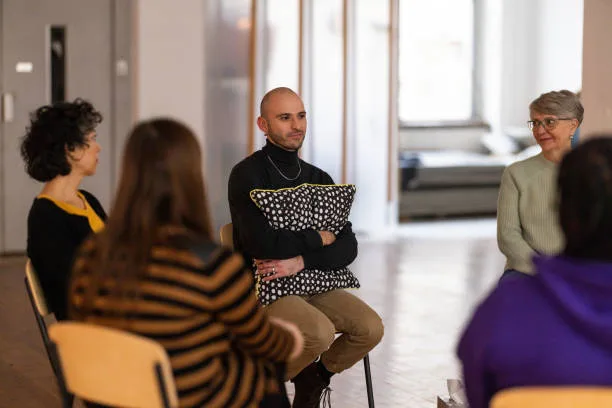
Support groups offer a vital space for individuals managing social anxiety disorder to share experiences without judgment, fostering connections that directly combat the isolation often associated with SAD. These networks provide crucial understanding and encouragement on the path to recovery. (Source: gettyimages.com)
You might also like:
👉 WHO 2019: 1 in 8 Global Mental Disorder. Is it a crisis?
👉 Virtual Reality: Revolutionizing Autism Inclusion & Social Skills