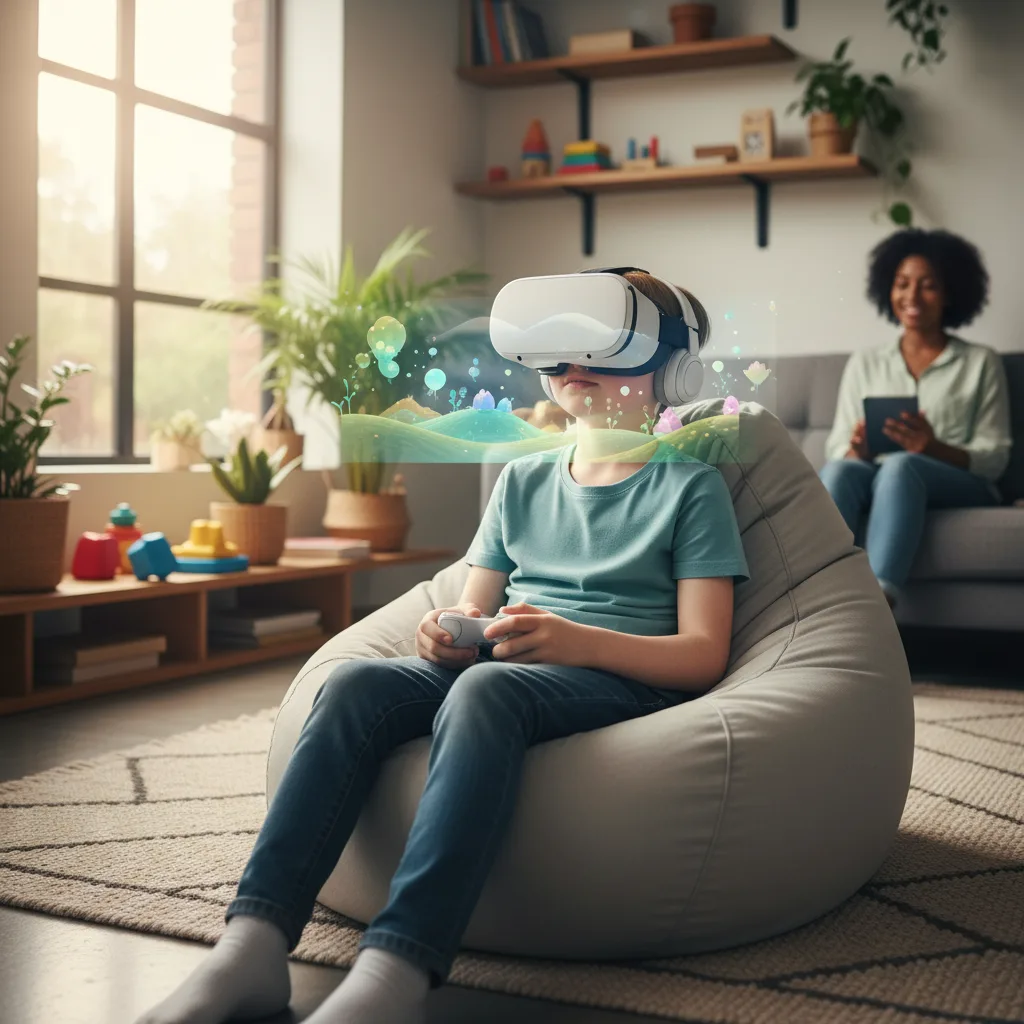
Virtual Reality: Revolutionizing Autism Inclusion & Social Skills
Explore how Virtual Reality (VR) is building an unseen bridge for autism inclusion, offering safe, repeatable lessons for social skills and anxiety reduction. Discover VR's revolutionary impact.
The Unseen Bridge: How Virtual Reality is Revolutionizing Autism Inclusion
Imagine a world where the unspoken rules of social interaction aren’t a bewildering maze, but a gentle, repeatable lesson. A world where the deafening roar of a supermarket aisle transforms into a calm, navigable space. For millions on the autism spectrum, such a world has long been out of reach, a constant source of anxiety and misunderstanding. But what if technology could build a bridge to that world? What if a headset and a pair of controllers could unlock doors to greater independence, understanding, and genuine inclusion? This isn’t science fiction; it’s the transformative promise of virtual reality (VR), and it’s already beginning to redefine what’s possible for autism inclusion.
The World Through Different Eyes: A Challenge for Inclusion
For individuals with Autism Spectrum Disorder (ASD), navigating the neurotypical world often feels like being an anthropologist on an alien planet, trying to decipher complex customs and subtle signals that others instinctively grasp. From sensory sensitivities that make public spaces overwhelming to difficulties interpreting facial expressions and body language, the challenges to social engagement and independent living are profound. A simple trip to the dentist, a job interview, or even ordering coffee can trigger intense anxiety, leading to social isolation and missed opportunities.
Traditionally, interventions have relied on real-world simulations, role-playing, or therapy in controlled settings. While valuable, these methods often lack the immersive realism needed for effective transfer of skills, or they expose individuals to immediate, high-stakes pressure that can exacerbate anxiety. The core issue lies in finding a safe, repeatable, and adaptable environment where learning can happen without the fear of failure or sensory overload. This is precisely where the unique capabilities of VR step in, offering a profound shift in how we approach these long-standing barriers. The question isn’t if VR can help, but how deeply it can reshape the landscape of autism inclusion.
Stepping into a Safe Simulation: VR for Social Skills Training
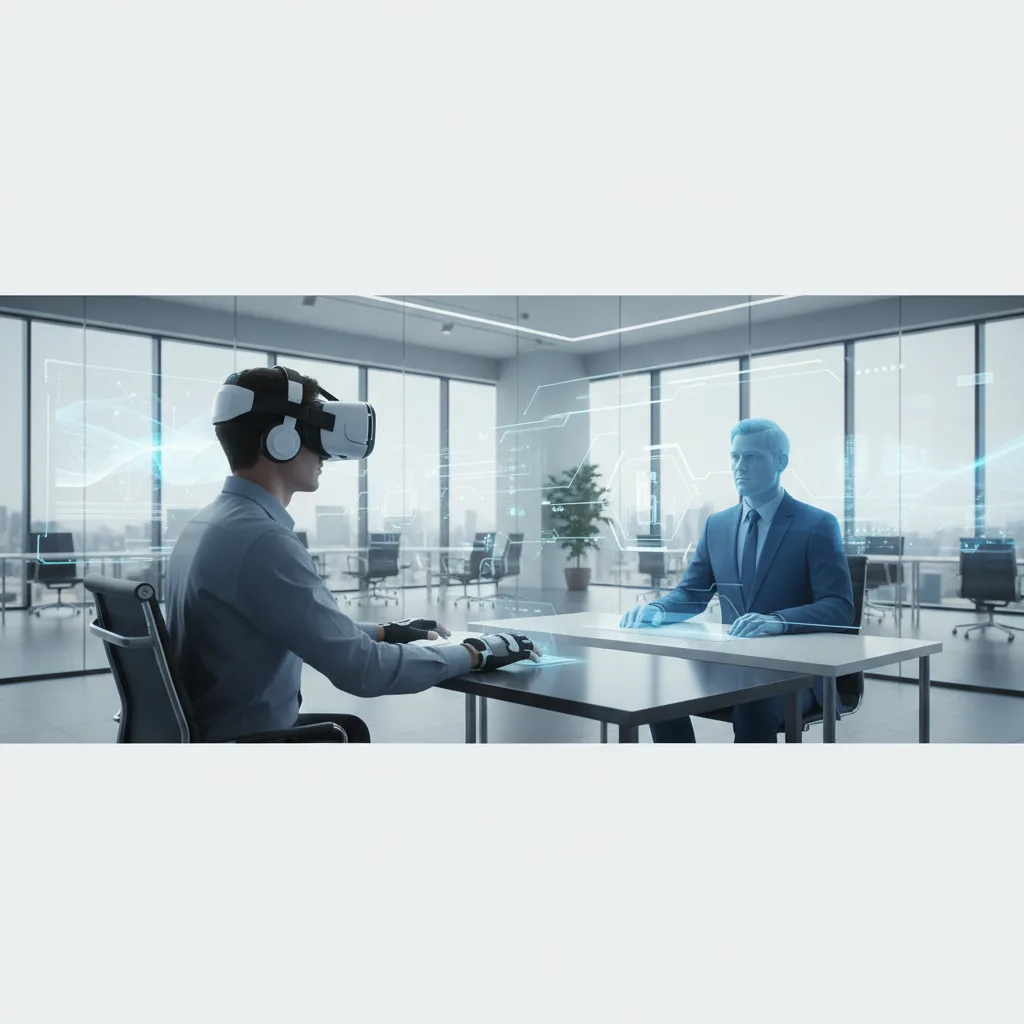
One of the most impactful applications of virtual reality for autism inclusion lies in its ability to create a safe, repeatable sandbox for practicing social skills. Consider the daunting task of a job interview or initiating a conversation. In the real world, missteps can carry significant consequences. VR, however, removes this pressure. Programs like Project iSocial, developed at the University of Texas at Dallas, immerse users in virtual scenarios, from simple greetings to complex group conversations. Participants can practice making eye contact, understanding conversational turn-taking, and even interpreting subtle social cues from virtual avatars.
These simulations allow for unlimited repetition, immediate feedback, and the ability to pause or rewind challenging interactions. For instance, a user struggling with interpreting a frustrated facial expression can freeze the scenario, receive guidance, and then replay it until they master the cue. This low-stakes environment fosters confidence and reduces the anxiety associated with real-world social encounters. Research, including studies from the University of Cambridge, consistently shows that VR-based social skills training can significantly improve social competence and reduce anxiety, providing a powerful tool for bridging the social communication gap. The ability to fail safely and learn from mistakes without judgment is a game-changer, but what about the practicalities of daily life?
Mastering the Mundane: Life Skills and Independent Living Through VR
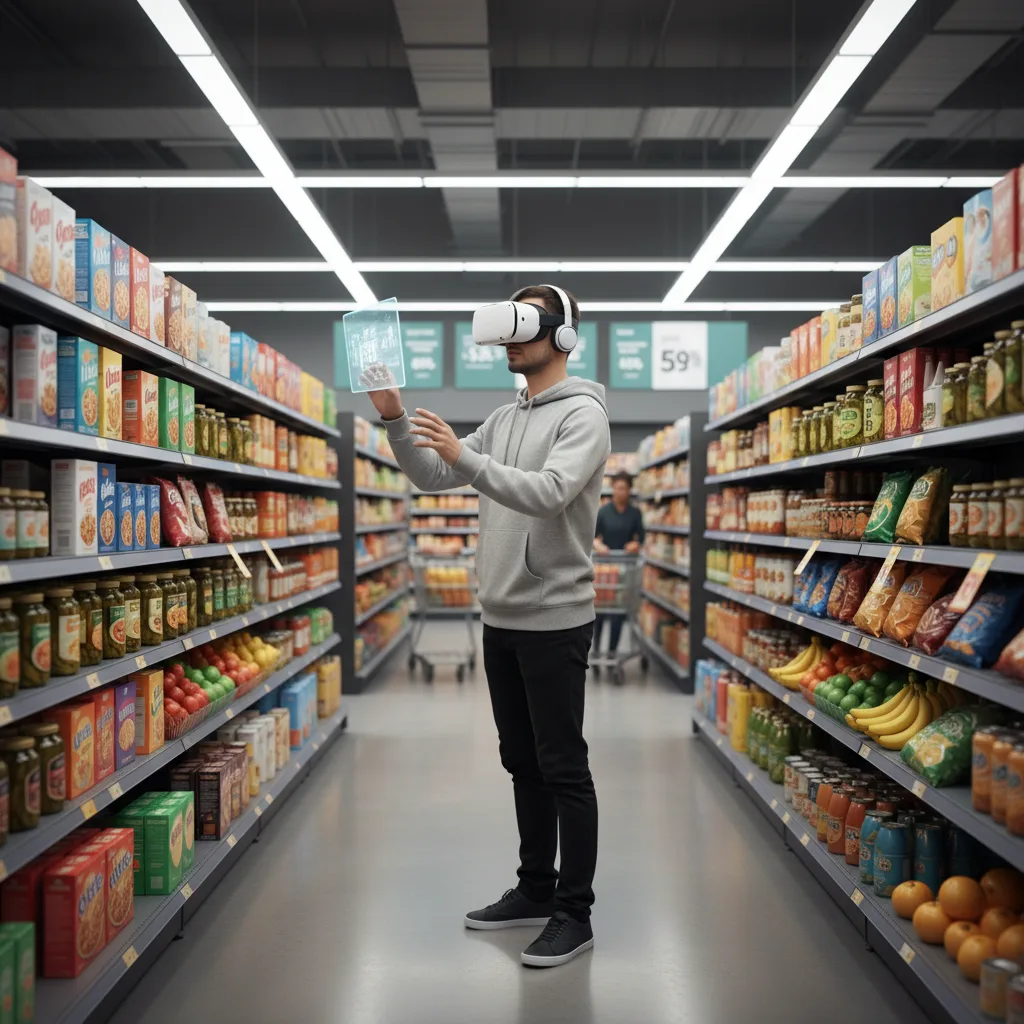
Beyond social nuances, the path to independent living for individuals with autism often involves mastering a myriad of practical life skills that many neurotypical individuals take for granted. From safely crossing a busy street to navigating a grocery store, managing finances, or preparing a meal, each task can present a complex chain of decisions and sensory challenges. VR offers an unparalleled platform for practicing these essential skills in a controlled, yet highly realistic, environment.
Several initiatives are pioneering this approach. For example, VR programs are being developed to simulate public transport scenarios, teaching users how to read train schedules, identify platforms, and interact appropriately with fellow passengers. Others focus on domestic skills, allowing individuals to practice cooking a meal, identifying ingredients, or even managing a virtual budget, learning the consequences of spending decisions without real-world financial risk. These simulations not only build competence but also foster the executive function skills necessary for planning and problem-solving. By repeatedly engaging with these virtual environments, individuals can internalize the steps and build the confidence needed to transfer these skills directly into their daily lives, moving them closer to true autonomy. But what if the biggest barrier isn’t skill, but overwhelming sensory input?
Taming the Overwhelm: Sensory Regulation and Anxiety Reduction
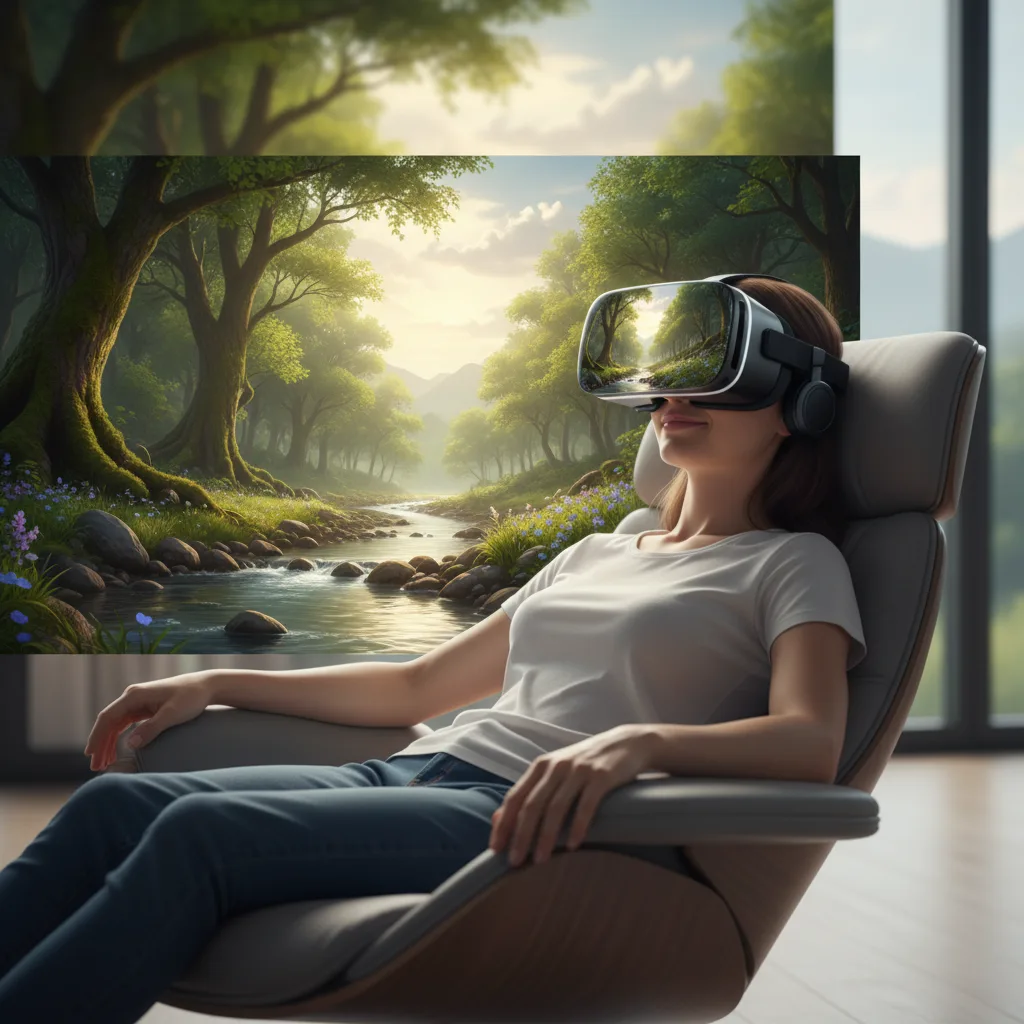
For many on the autism spectrum, the world is a cacophony of overwhelming sensory input – bright lights, loud noises, jarring textures – triggering intense anxiety and meltdowns. Traditional methods of desensitization can be slow and stressful. Here, VR shines as a therapeutic tool, offering controlled exposure to challenging stimuli or, conversely, creating calming sensory environments. Imagine a child terrified of dentist visits; VR can simulate the dental office, allowing them to gradually acclimate to the sounds, sights, and even the feeling of the chair in a safe, escapable manner.
Researchers at institutions like the USC Institute for Creative Technologies have explored VR’s potential for exposure therapy, allowing individuals to confront specific phobias (e.g., fear of dogs, public speaking) at their own pace, adjusting the intensity of the virtual environment as needed. Conversely, VR can also provide invaluable tools for sensory regulation and relaxation. Virtual “calming rooms” featuring tranquil nature scenes, soothing sounds, or interactive meditative experiences offer an immediate escape from sensory overload, helping individuals regulate their emotions and reduce stress. This dual capacity – both to prepare for challenging environments and to provide refuge from them – highlights VR’s versatility in promoting emotional well-being and resilience. But its applications extend even further, into the realm of learning and work.
Beyond the Classroom: Enhancing Educational and Vocational Training
The traditional classroom or workplace setting can be a source of significant stress and misunderstanding for individuals with autism. Social dynamics, unpredictable changes, and specific learning styles often create barriers to academic and vocational success. VR offers a revolutionary approach to educational and vocational training, tailoring experiences to individual needs and preferences.
Virtual classrooms can provide a distraction-free learning environment, allowing students to focus on content without the sensory overload or social pressures of a physical classroom. For vocational training, VR simulations can offer hands-on experience in various professions—from mechanics and hospitality to retail—allowing individuals to practice specific tasks, learn safety protocols, and develop crucial soft skills like customer service in a realistic but forgiving setting. Companies like Floreo are already developing modules for skills like job interviewing and understanding workplace etiquette. This not only enhances skill acquisition but also builds confidence and reduces anxiety associated with new learning or work environments, paving the way for greater employment opportunities and meaningful careers. However, no technology is without its hurdles.
The Road Ahead: Challenges and Ethical Considerations in VR for Autism
While the potential of virtual reality for autism inclusion is immense, its widespread adoption faces significant challenges and requires careful ethical consideration. Cost remains a primary barrier; high-quality VR headsets and specialized software can be expensive, limiting access for many families and smaller institutions. Technical literacy is another hurdle, as navigating VR systems requires a certain level of familiarity that not everyone possesses. There’s also the crucial question of generalizability: while skills learned in VR are promising, ensuring their seamless transfer to real-world situations requires careful design and integration with traditional therapies.
Ethically, we must guard against the perception that VR is a “cure” for autism, rather than a powerful tool for support and skill-building. Data privacy within virtual environments is paramount, especially when working with vulnerable populations. Furthermore, over-reliance on VR could potentially lead to reduced engagement with real-world interactions if not balanced correctly. The future must focus on making VR more accessible, affordable, and personalized, perhaps through AI integration to adapt experiences to individual learning styles and needs. Continued research into long-term effects and best practices will be essential to ensure VR fulfills its promise responsibly and effectively.
Conclusion: A Future Forged in Virtual Worlds
The journey towards genuine autism inclusion is complex, multifaceted, and deeply personal for each individual. For too long, the world has expected those on the spectrum to adapt to neurotypical norms, often at great personal cost. Virtual reality, however, is beginning to shift that paradigm. By offering safe, repeatable, and infinitely adaptable environments for learning, practicing, and thriving, VR is not just a technological innovation; it’s an empathetic tool for empowerment.
From decoding social cues and mastering life skills to taming sensory overwhelm and preparing for meaningful employment, VR is proving itself an invaluable ally. While challenges remain, the burgeoning field of applications of virtual reality for autism inclusion signals a future where technology serves as an unseen bridge, connecting individuals to a world they can navigate with confidence, understanding, and a profound sense of belonging. The promise is clear: a future where inclusion isn’t just an aspiration, but a lived reality, forged in the immersive power of virtual worlds.
You might also like:
👉 Virtual Reality in Healthcare: Revolutionizing Medicine & Patient Care
👉 Virtual Reality Applications: Exploring VR’s Impact Across Industries
👉 Transformative VR Applications for Visually Impaired People