
Amazon Prime Video: Pioneering the 4K Ultra HD Revolution
Discover how Amazon Prime Video spearheaded the widespread adoption of 4K Ultra HD, delivering breathtaking visual quality and transforming the streaming experience for millions worldwide. Explore its impact.
The Unseen Revolution: How Amazon Prime Video Forged the Future of 4K Ultra HD
Remember that moment? The first time you saw a truly stunning image on a screen – not just clear, but so vibrant, so incredibly lifelike, you felt you could reach out and touch the fabric of a character’s costume or feel the heat of a desert sun. For many, that epiphany arrived with the advent of 4K Ultra HD, and few platforms have championed its cause with the fervor and investment of Amazon Prime Video. They didn’t just adopt 4K; they became one of its most ardent evangelists, transforming how we experience entertainment and setting an impossibly high bar for visual storytelling.

But how did we get here? From grainy standard definition to the pixel-perfect panoramas of today, the journey has been a relentless pursuit of visual fidelity. And Amazon, with its characteristic blend of technological ambition and content creation might, has been at the forefront, not merely offering better resolution, but redefining the very essence of immersive viewing. This isn’t just about more pixels; it’s about a complete sensory overhaul, a dive into worlds rendered with breathtaking precision. Ready to explore the depths of this visual revolution?
The Dawn of Pixel Perfection: What is 4K Ultra HD, Really?
Before we dive into Amazon’s specific contributions, let’s demystify the magic number: 4K Ultra HD. At its core, 4K refers to a display resolution of 3840 pixels horizontally by 2160 pixels vertically. Compare that to the familiar Full HD (1080p), which clocks in at 1920x1080. This isn’t just a slight bump; we’re talking about a quadrupling of the pixel count. A standard 4K screen boasts over 8 million pixels, compared to 2 million for 1080p, delivering an astonishing level of detail and clarity that can make even the largest screens feel like a window into another reality.
But the 4K Ultra HD story doesn’t end with pixels. The true revolution lies in its symbiotic relationship with High Dynamic Range (HDR). While 4K provides the canvas, HDR paints with a vastly expanded palette of colors, brighter whites, and deeper, more nuanced blacks. It’s the difference between a flat photograph and a scene bursting with the vibrant intensity of real life. Think of the sun glinting off a chrome surface, or the subtle gradations of shadow in a dimly lit chamber – HDR brings these to life with a realism previously confined to the cinema or the human eye. This combination is what truly elevates the viewing experience, making every frame a feast for the eyes.
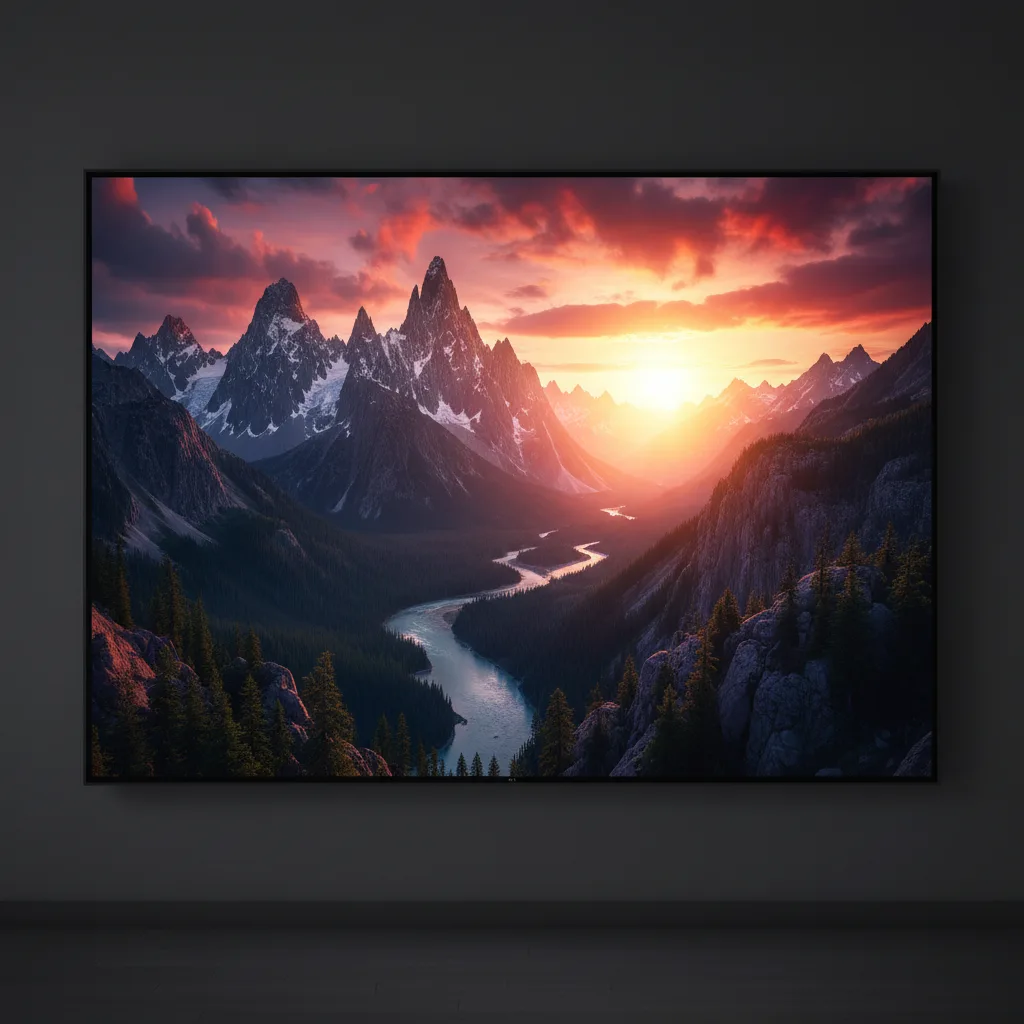
This isn’t just technical jargon; it’s the foundation of modern visual storytelling. When you see the intricate embroidery on a costume in The Lord of the Rings: The Rings of Power or the hyper-realistic special effects in The Boys, you’re witnessing the combined power of 4K and HDR at play. It’s a leap forward that promises to keep pushing the boundaries of what’s possible in home entertainment, forever changing our expectations.
Prime’s Pixel Playbook: Amazon’s Early Bet on 4K Ultra HD
While other streaming services cautiously dipped their toes into the 4K waters, Amazon Prime Video dove headfirst. Their commitment to 4K Ultra HD wasn’t a reactive move; it was a proactive, strategic investment that began remarkably early in the format’s lifecycle. As far back as 2014, when 4K TVs were still a niche luxury, Amazon made waves by announcing that all of its original series would be produced and delivered in 4K. This was a bold declaration, signaling their intent to be a leader, not just a participant, in the burgeoning high-resolution landscape.
This early bet meant significant upfront investment. Amazon Studios had to equip production teams with cutting-edge 4K cameras, upgrade post-production workflows, and develop the infrastructure to stream massive 4K files efficiently. They understood that content was king, and offering visually superior content would be a key differentiator. Shows like Transparent, which premiered in September 2014, and Mozart in the Jungle were among the first mainstream series to showcase the crisp detail and vibrant colors of native 4K, often paired with HDR10, a format Amazon strongly championed.
This commitment wasn’t just about original content. Amazon also aggressively pursued licensing deals for 4K films and series from other studios, rapidly building a library that surpassed many competitors. Their early and unwavering dedication ensured that when consumers finally upgraded to 4K TVs, Prime Video was ready with an abundance of content to truly show off their new hardware. It cemented Amazon’s reputation as a pioneer in the streaming space, consistently pushing the envelope for visual quality.
The Visual Feast: Must-Watch 4K Ultra HD Content on Prime Video
What truly sets Amazon Prime Video apart in the 4K Ultra HD arena is its stunning roster of original programming, meticulously crafted to exploit every pixel and every nuance of HDR. From epic fantasy to gritty superhero sagas, Prime Video has invested billions into productions designed from the ground up to be visual spectacles. Take, for instance, The Lord of the Rings: The Rings of Power. Every sweeping vista of Middle-earth, every intricate detail of elven armor, every fiery explosion is rendered in breathtaking 4K HDR, transforming your living room into a portal to Arda. The sheer scale and visual ambition of this series are a testament to what 4K can achieve.

Then there’s the visceral, often brutal, beauty of The Boys. Its vibrant color palette, meticulously choreographed action sequences, and shockingly detailed special effects truly pop in 4K HDR. The contrast between the saturated superhero costumes and the grimy urban landscapes is amplified, drawing you deeper into its satirical world. Similarly, Reacher, with its imposing lead and meticulously staged fight scenes, benefits immensely from the clarity of 4K, allowing viewers to appreciate every punch, every subtle facial expression, and the texture of every environment.
Beyond these flagship titles, Prime Video offers a diverse range of 4K content. Animated series like Invincible showcase incredibly fluid animation and rich color depth. Documentaries transport you to exotic locales with stunning realism. Even classic films, painstakingly remastered, find new life in 4K, revealing details previously lost to lower resolutions. This vast and growing library ensures that no matter your preference, there’s a visual masterpiece waiting to be discovered, all delivered with the pristine clarity and dynamic range that only 4K Ultra HD can provide.
The Tech Under the Hood: Decoding Your 4K Ultra HD Prime Video Experience
To unlock the full splendor of 4K Ultra HD on Amazon Prime Video, it’s not just about having a Prime subscription; you need the right ecosystem. The journey begins with your display: a 4K Ultra HD television is non-negotiable. Crucially, this TV must support HDCP 2.2 (High-bandwidth Digital Content Protection), a copy protection standard required for 4K content, typically found on TVs manufactured from 2014 onwards. Without it, you’ll be limited to 1080p, even if your TV claims 4K capabilities.
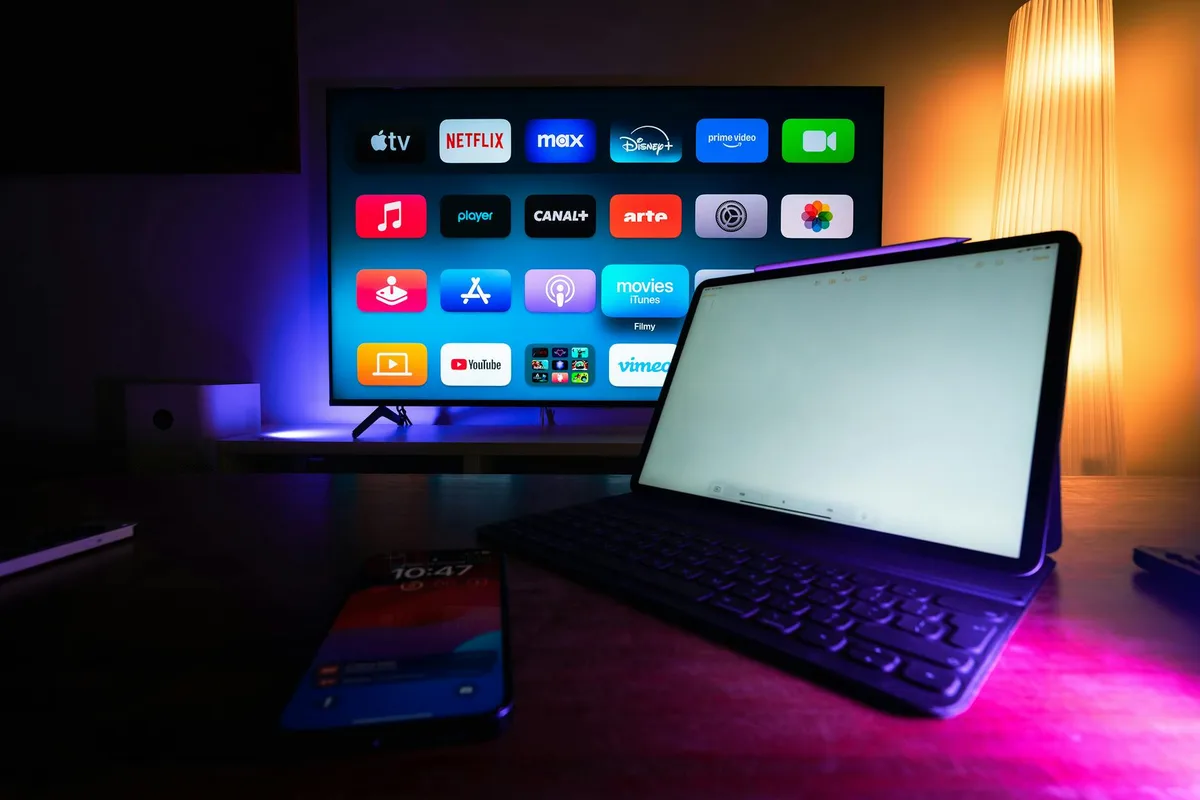 Next, you'll need a compatible streaming device. While many modern smart TVs have built-in Prime Video apps that support 4K, dedicated streaming players often offer more robust performance and broader HDR format support. Top contenders include Amazon's own **Fire TV Stick 4K Max** or **Fire TV Cube**, the **Apple TV 4K**, Roku Ultra, or NVIDIA Shield TV. Game consoles like the PlayStation 5 and Xbox Series X also seamlessly stream Prime Video in 4K. Ensure your device is connected to your 4K TV via a **High-Speed HDMI cable** (often labeled HDMI 2.0 or 2.1) to guarantee sufficient bandwidth for the massive data flow of 4K video.
Finally, the unsung hero: your internet connection. Streaming 4K Ultra HD demands significant bandwidth. Amazon recommends a minimum sustained download speed of 15 Mbps for standard 4K, but for the optimal, buffer-free experience, especially with HDR content, 25 Mbps or higher is strongly advised. A stable, fast connection ensures that every pixel and every vibrant color of your Prime Video content arrives uninterrupted, delivering the immersive experience it was designed for. Don’t forget audio either; many 4K titles on Prime also feature Dolby Atmos for truly spatial sound, requiring a compatible soundbar or home theater system.
Beyond Resolution: The HDR Revolution and Prime’s Commitment
While 4K resolution provides the canvas, HDR (High Dynamic Range) is the master painter, bringing unprecedented vibrancy and depth to the picture. It’s the secret sauce that truly makes Amazon Prime Video’s 4K Ultra HD content leap off the screen. HDR isn’t just about making colors brighter; it’s about expanding the entire spectrum of light and shadow that a display can reproduce, from the deepest blacks to the most dazzling highlights, and a vast array of colors in between. This results in images that are far more true to life, with incredible contrast and a richer, more nuanced color palette.
Amazon has been a particularly strong proponent of HDR10+, an open-source, royalty-free HDR standard developed in collaboration with Samsung and Panasonic. Unlike the more basic HDR10, HDR10+ uses “dynamic metadata,” meaning it can optimize the brightness and contrast on a scene-by-scene or even frame-by-frame basis. This ensures that every moment of a show or movie is presented with optimal visual fidelity, rather than applying a single, static HDR setting to the entire production. While Prime Video also supports Dolby Vision on many titles, their fervent advocacy for HDR10+ has pushed the industry forward and provided consumers with more choices in premium viewing formats.
The impact of HDR on Prime Video’s original content is profound. Watch a show like Jack Ryan and observe the stark difference between sun-drenched desert landscapes and dimly lit interrogation rooms; HDR ensures that details are preserved in both extremes. The fiery glow of a spaceship engine in The Expanse or the subtle reflections in a character’s eyes in The Marvelous Mrs. Maisel are rendered with a realism that SDR (Standard Dynamic Range) simply cannot match. It’s this meticulous attention to light, shadow, and color that truly defines the next generation of visual storytelling on Prime Video.
The Producer’s Perspective: Crafting 4K Ultra HD for Amazon Prime Video
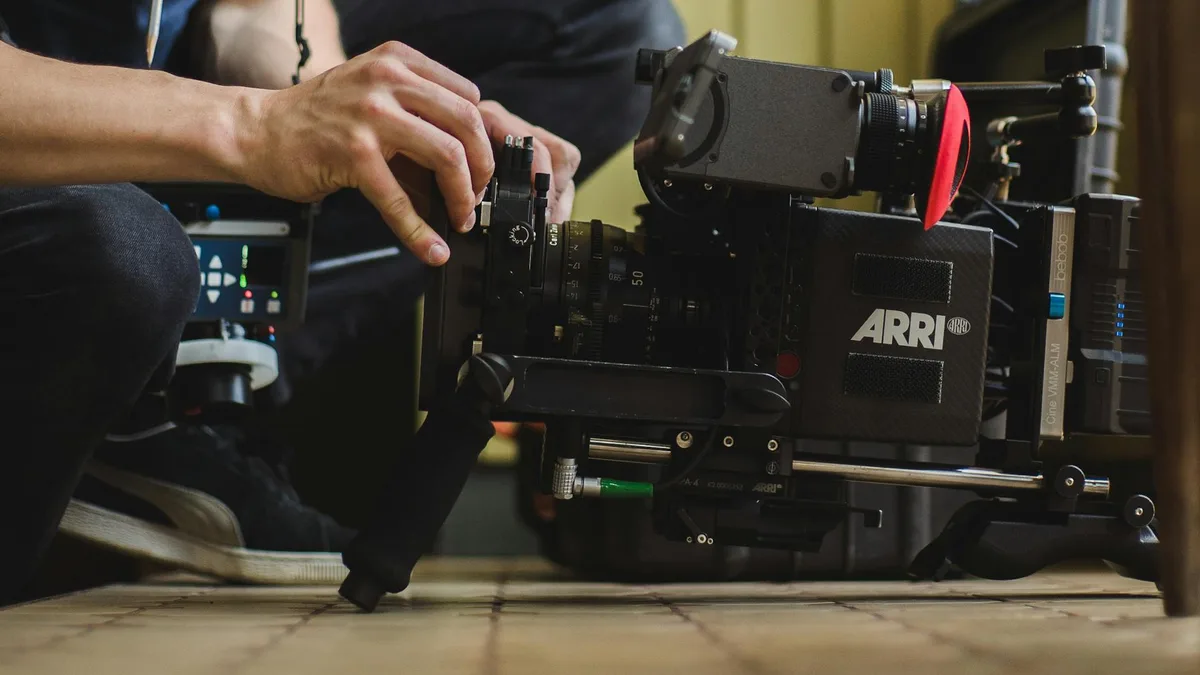 For filmmakers and showrunners, creating content for **Amazon Prime Video's 4K Ultra HD** platform isn't merely about hitting a resolution target; it's an intricate dance of technology and artistry. From the very first shot to the final color grade, every decision is amplified by the sheer fidelity of 4K and the expansive palette of HDR. This process often begins on set with high-end digital cinema cameras, such as ARRI Alexa, RED, or Sony CineAlta Venice, capable of capturing raw footage at resolutions far exceeding 4K, often up to 6K or 8K. This provides flexibility in post-production for reframing and ensures pristine quality for the final 4K master.
The real magic, and meticulous work, happens in post-production. Editing suites are equipped with powerful workstations and specialized monitors capable of displaying the full color gamut and dynamic range of HDR. Color grading, in particular, becomes an art form demanding incredible precision. Colorists spend countless hours balancing tones, adjusting highlights, and finessing shadows to ensure that the director’s vision translates perfectly to the 4K HDR canvas. This involves creating separate grades for HDR10, HDR10+, and Dolby Vision, each optimized for its specific metadata and display characteristics.
Moreover, visual effects (VFX) sequences, which are prevalent in many Amazon Originals like The Rings of Power or The Boys, must be rendered at native 4K, often requiring exponentially more computing power and time than their 1080p counterparts. Amazon’s commitment extends to providing resources and guidance to production houses, ensuring that their content meets the stringent technical specifications required for a premium 4K Ultra HD delivery. This holistic approach, from capture to compression, is what ensures that when you press play on Prime Video, you’re experiencing the creators’ vision in its most pristine and captivating form.
The Future is Clear: What’s Next for 4K Ultra HD and Prime Video?
As we marvel at the current state of 4K Ultra HD on Amazon Prime Video, it’s natural to wonder: what comes next? The trajectory of visual technology is ever-upward, and Amazon remains a key player in shaping that future. We can expect a continued and even more rapid expansion of Prime Video’s native 4K HDR library, with virtually all new original productions embracing these premium formats. As 4K TVs become standard, the incentive for all content creators to produce in 4K only grows stronger.
Beyond just more content, advancements in streaming technology will undoubtedly enhance the 4K experience. Improved video compression codecs, like AV1, promise to deliver even higher quality 4K streams at lower bandwidths, making premium viewing more accessible to a wider audience. We might also see further refinements in HDR standards, potentially leading to even greater brightness, contrast, and color volume, pushing the boundaries of what our eyes can perceive on a screen.
While 8K resolution is already a reality in high-end displays, its widespread adoption for streaming is likely still years away, primarily due to bandwidth requirements and the current lack of native 8K content. However, Amazon, ever the innovator, will undoubtedly be at the forefront when that shift eventually gains momentum. For now, the focus will remain on perfecting the 4K Ultra HD HDR experience, exploring new ways to make every scene more immersive, every color more vibrant, and every story more captivating. The future, undoubtedly, looks crystal clear.
FAQ: Your 4K Ultra HD Prime Video Questions Answered
Q1: Is 4K Ultra HD included with a standard Prime subscription? A1: Yes, a significant and growing portion of Amazon Prime Video’s 4K Ultra HD content, including most Amazon Originals, is included as part of your standard Amazon Prime subscription at no extra cost. Some third-party movies or shows may still require a purchase or rental in 4K.
Q2: What internet speed do I need for 4K streaming on Prime Video? A2: Amazon recommends a minimum sustained download speed of 15 Mbps for streaming 4K Ultra HD content. For an optimal, buffer-free experience, especially with HDR, a connection of 25 Mbps or higher is strongly advised.
Q3: Why does some 4K content look better than others on Prime Video? A3: The quality can vary based on several factors: whether the content was “native 4K” (filmed and produced in 4K) or “upscaled 4K” (originally lower resolution and enhanced), the specific HDR format used (HDR10, HDR10+, Dolby Vision), and the quality of the original production and post-production processes. Newer Amazon Originals are generally designed for peak 4K HDR performance.
Q4: Does Prime Video support Dolby Atmos audio with 4K content? A4: Yes, many 4K Ultra HD titles on Amazon Prime Video, especially Amazon Originals, also support Dolby Atmos immersive audio. To experience this, you’ll need a compatible streaming device (e.g., Fire TV Cube, Apple TV 4K) connected to a Dolby Atmos-enabled soundbar or home theater system.
Conclusion
Amazon Prime Video hasn’t just ridden the wave of 4K Ultra HD; it has actively shaped its course, transforming it from a niche luxury into an accessible, expected standard for premium entertainment. Through early and sustained investment in native 4K production, a vast and ever-expanding library of visually stunning content, and a relentless push for advanced HDR technologies like HDR10+, Prime Video has cemented its position as a vanguard of visual excellence.
The journey from hazy standard definition to the breathtaking clarity and vibrant realism of today’s streaming landscape is a testament to technological innovation meeting creative ambition. As viewers, we are the beneficiaries of this pursuit of pixel perfection, able to immerse ourselves in stories rendered with unprecedented detail and emotional depth. Amazon Prime Video continues to raise the bar, ensuring that our screens are not just displaying content, but opening windows to truly extraordinary worlds.
You might also like:
👉 Future Trends in Smart Home Technology: Unlocking Tomorrow’s Living
👉 Virtual Reality Applications: Exploring VR’s Impact Across Industries
👉 2026 Fitness Technology Innovations: Shaping Tomorrow’s Workouts