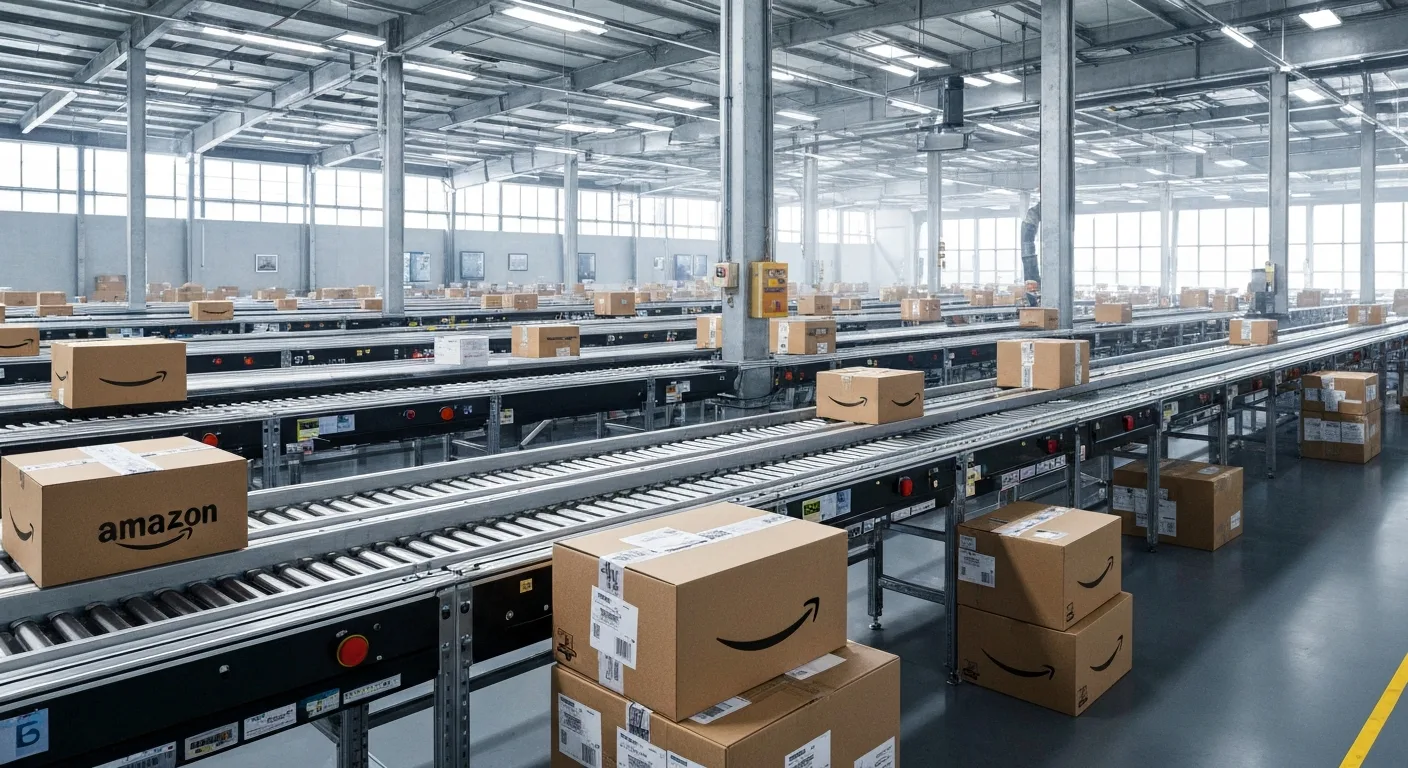
Amazon's $574 Billion Problem: Why Safety Gaps Persist in 2023
Despite $574 billion in 2023 sales, Amazon faces ongoing product safety gaps. Learn how millions of third-party sellers complicate consumer protection.
Amazon’s Product Safety System: Beyond the Press Release
Amazon invests heavily in product safety, aiming to protect its large customer base. While the company has built advanced systems, real-world incidents and data show ongoing safety gaps.
The Challenge of E-commerce Safety
In 2023, Amazon sold over $574 billion globally. Millions of third-party sellers generated most of this revenue. They offer a wide range of products, including electronics and kids’ toys. This huge scale makes product safety oversight very challenging. No single company can easily regulate such a vast market.
Before Amazon’s current setup, shoppers couldn’t find a product’s real maker. Many items came from overseas factories with little oversight. So many new listings daily meant old inspection methods didn’t work. Unsafe goods spread fast and often went unnoticed.
Amazon’s Announced Safety Measures
Amazon talks a lot about product safety. It uses a layered approach. The company relies on AI and machine learning to scan listings before they go live. This technology tries to find unsafe items before they even appear on the site. The goal: stop dangerous goods from ever reaching you.
Amazon also runs a Product Safety Hub. It’s a central place for recalls and safety alerts. When a product is found unsafe, Amazon’s system can remove its listing and tell affected customers. This tool specifically finds products under official government recall. These efforts show a big investment in technology and people.
The System’s Unseen Gaps
Despite Amazon’s efforts, dangerous products often get past its safety checks. A 2019 Wall Street Journal investigation found over 4,000 products that were unsafe, mislabeled, or banned. These included kids’ products with choking hazards and electronics that overheated easily. Many listings stayed up even after Amazon knew about them.
The problem comes from many third-party sellers coming and going fast. Unsafe products, once removed, can quickly pop up again with new seller names or changed descriptions. This makes full enforcement a constant uphill battle. Regulators like the U.S. Consumer Product Safety Commission (CPSC) often point this out.
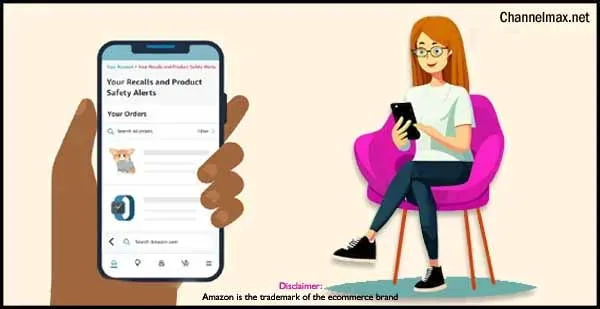
Amazon's Product Safety Hub is described as a central digital platform designed to manage recalls and safety alerts. This system aims to identify unsafe products, remove their listings, and notify affected customers, especially for items under official government recall. (Source: channelmax.net)
Regulators Push Back, Amazon Responds
More regulator attention changed how Amazon handles product safety. In July 2021, the CPSC sued Amazon. They wanted Amazon to recall hundreds of thousands of dangerous products. These included defective carbon monoxide detectors and kids’ sleepwear that caught fire too easily. Amazon resisted at first. It argued it wasn’t legally responsible for third-party goods.
Amazon settled with the CPSC in June 2022. It agreed to refund buyers for over 400,000 hazardous products. This included several models of children’s robes and over 24,000 carbon monoxide detectors. This shifted things. Amazon took more direct responsibility for recalls. Europe’s Digital Services Act (DSA) also adds big new rules for platforms like Amazon. It becomes fully active in 2024. The DSA demands stricter measures against illegal or unsafe products. This means faster removal and clearer information about sellers.
The Human Cost and Enforcement Reality
Unsafe products on Amazon have serious consequences. In 2020, The New York Times reported a tragedy: a young girl died after swallowing powerful magnets. A third-party seller on Amazon sold them. Despite many warnings and past CPSC actions against similar items, the magnets were still for sale. This shows a huge flaw: reacting often comes too late.
Consumer advocacy groups, like Consumer Reports, often publish findings of dangerous items easily found on Amazon. Their 2023 investigation found many products that broke safety rules. These included uncertified electrical devices and kids’ toys with small parts. The sheer number of products often overwhelms Amazon’s ability to enforce rules. The company relies heavily on AI, but human oversight and early checks remain important.
The Future of Online Product Safety
Amazon has gotten better at responding to safety alerts and removing dangerous products. Its alert system is a step forward. Traditional retail often lacks such direct communication. But real product safety needs more than just alerts after the fact. It needs an earlier approach to checking sellers and making supply chains clearer.

High-powered magnet sets, often marketed as toys or desk accessories, have been the subject of numerous CPSC recalls due to the severe internal injuries they can cause if swallowed, tragically leading to deaths in some cases. (AI-generated illustration)
We must stop unsafe products from ever reaching the market. This means stricter rules for third-party sellers. It means verifiable manufacturer information and strong product testing certificates. Regulators worldwide, like the CPSC and its European counterparts, also need to work together. They must set common standards and ways to enforce them. The goal isn’t just to warn customers. It’s to eliminate the danger at its source.
FAQ
What is Amazon’s product safety alert system? It’s Amazon’s system to find, remove, and tell customers about unsafe or recalled products. It uses AI to scan listings and alerts buyers who got affected items.
How does Amazon identify unsafe products? Amazon uses AI and machine learning to scan listings for risks before they go live. It also responds to customer complaints, government recalls, and internal checks to find dangerous items.
Who is responsible for product safety on Amazon? Amazon says third-party sellers are mainly responsible for their products’ safety. But regulators increasingly hold Amazon accountable as the marketplace. Amazon has started taking more direct responsibility, especially with recalls.
What can I do if I find an unsafe product on Amazon? Report it to Amazon directly via its customer service or product safety pages. You should also tell relevant government agencies, like the U.S. Consumer Product Safety Commission (CPSC). This helps create wider awareness and potential investigations.
The U.S. Consumer Product Safety Commission (CPSC) is an independent agency of the United States government, established in 1972, responsible for protecting the public from unreasonable risks of injury or death associated with consumer products. It plays a crucial role in setting safety standards and issuing recalls for dangerous items. (Photo: Andy Feliciotti / Unsplash)
You might also like:
👉 USDA’s 4-Hour Rule for Food Safety
👉 VR for Construction Safety: Effective Training & Education?