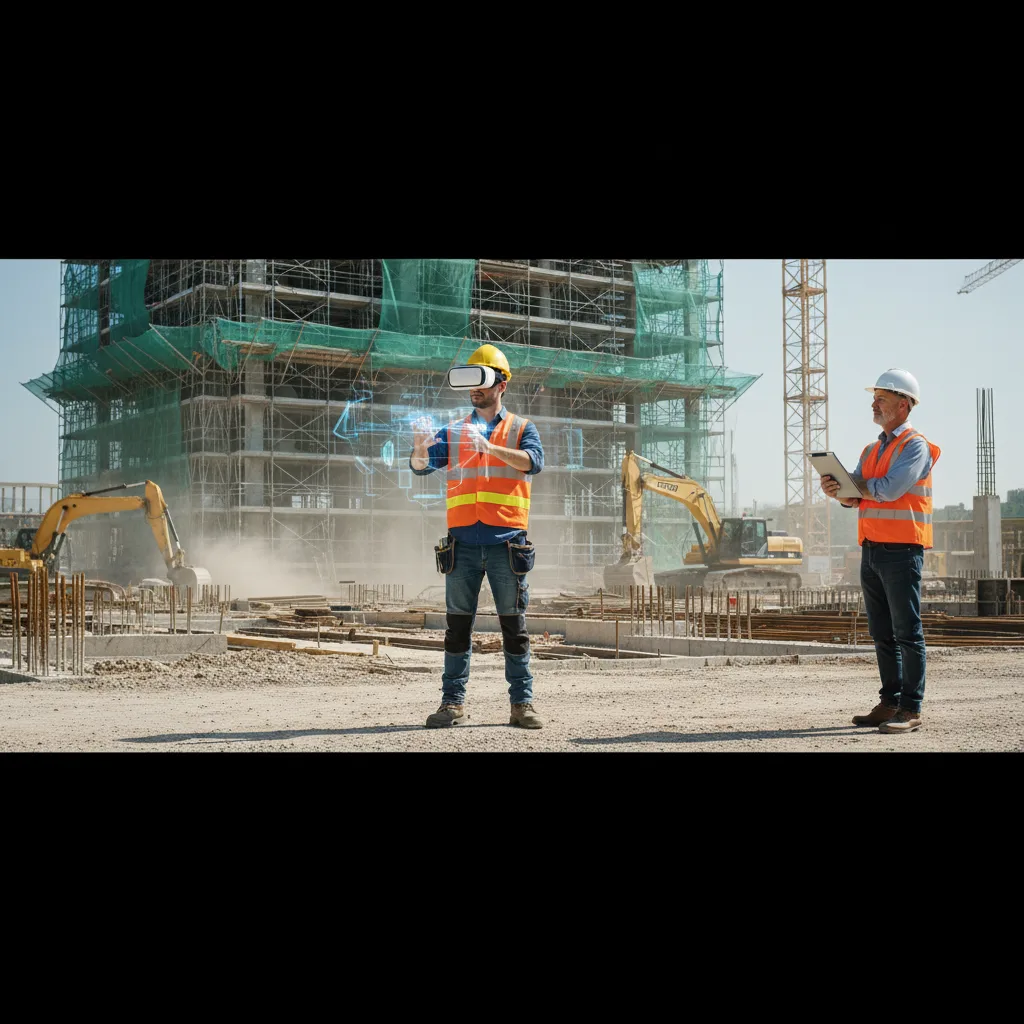
VR for Construction Safety: Effective Training & Education?
Explore how virtual reality applications are revolutionizing construction safety training and education. Discover their effectiveness in preventing accidents and creating a safer work environment through immersive learning experiences.
Building a Safer Tomorrow: Are Virtual Reality Applications Effective for Construction Safety Training and Education?
Picture this: The sun beats down on a half-finished skyscraper, a symphony of drills, hammers, and distant shouts filling the air. Up on the fifth floor, a rookie ironworker, just weeks out of his initial safety briefing, misjudges a step on a narrow beam. His heart leaps into his throat, a sickening lurch as his foot slips. He flails, grasping desperately, his life flashing before his eyes… and then, he catches himself. A bead of sweat drips down his brow, not from the sun, but from the sheer terror of the simulated fall. He pulls off the VR headset, his hands trembling slightly, but his mind now etched with a profound understanding of the consequences of a single misstep.
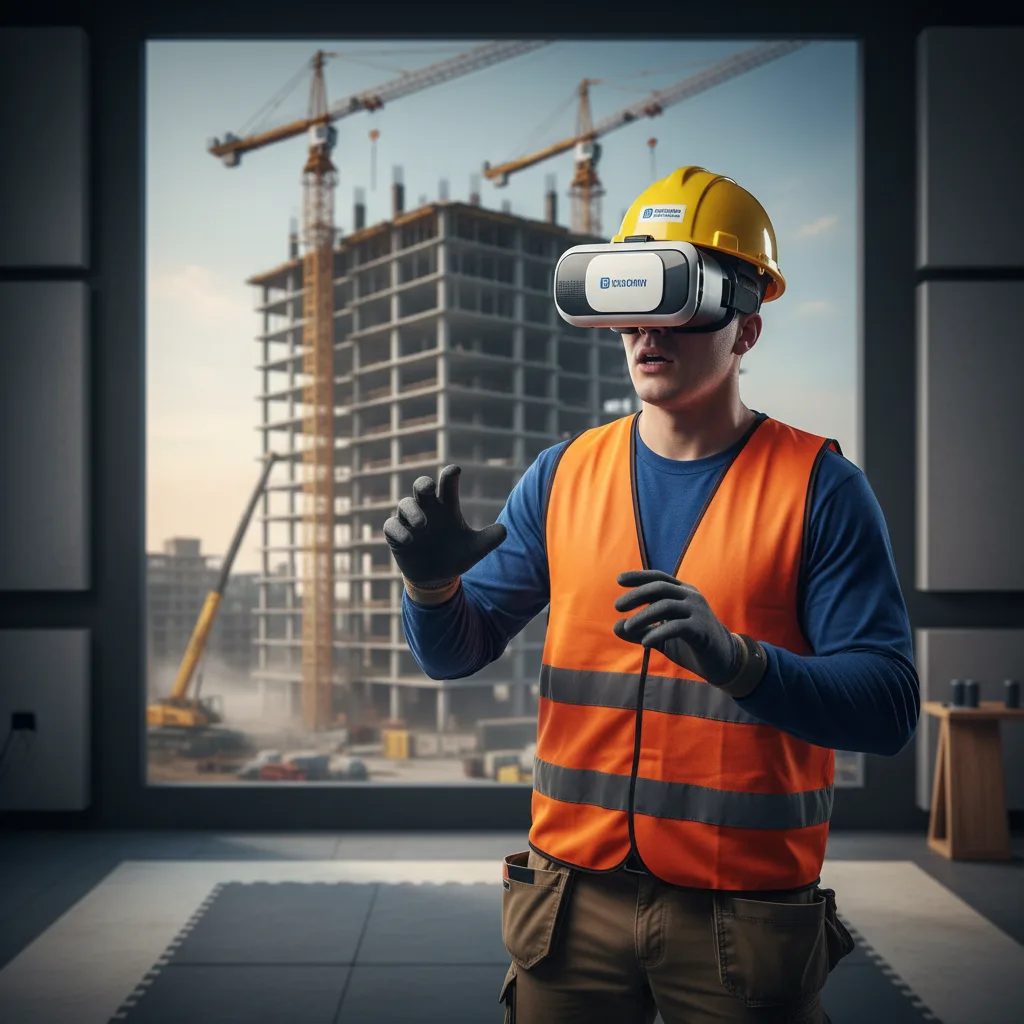
This isn’t a dystopian vision of future training; it’s happening today. Construction, a cornerstone of human progress, remains one of the most hazardous professions globally. In the U.S. alone, the Occupational Safety and Health Administration (OSHA) consistently reports the “Fatal Four” – falls, struck-by, caught-in/between, and electrocutions – as responsible for over 60% of construction worker deaths. These aren’t just statistics; they’re lives, families, and communities shattered. But what if we could dramatically reduce these tragedies, not just through rules and regulations, but through an immersive, unforgettable learning experience? The burning question on every industry leader’s mind is: are virtual reality applications effective for construction safety training and education? TrendSeek is here to unravel the answer.
The Invisible Hazard: A Story from the Scaffolding Edge
The construction site is a dynamic, often chaotic environment, a ballet of heavy machinery, precarious heights, and unseen dangers. For decades, safety training has relied on a familiar playbook: classroom lectures, PowerPoints filled with grim statistics, lengthy manuals, and the ubiquitous “toolbox talks” held at the start of each shift. While these methods lay a foundational understanding, they often fall short in preparing workers for the visceral reality of a high-stakes emergency. Can a two-dimensional diagram truly convey the dizzying height of a 40-foot fall, or the crushing force of an improperly secured load?
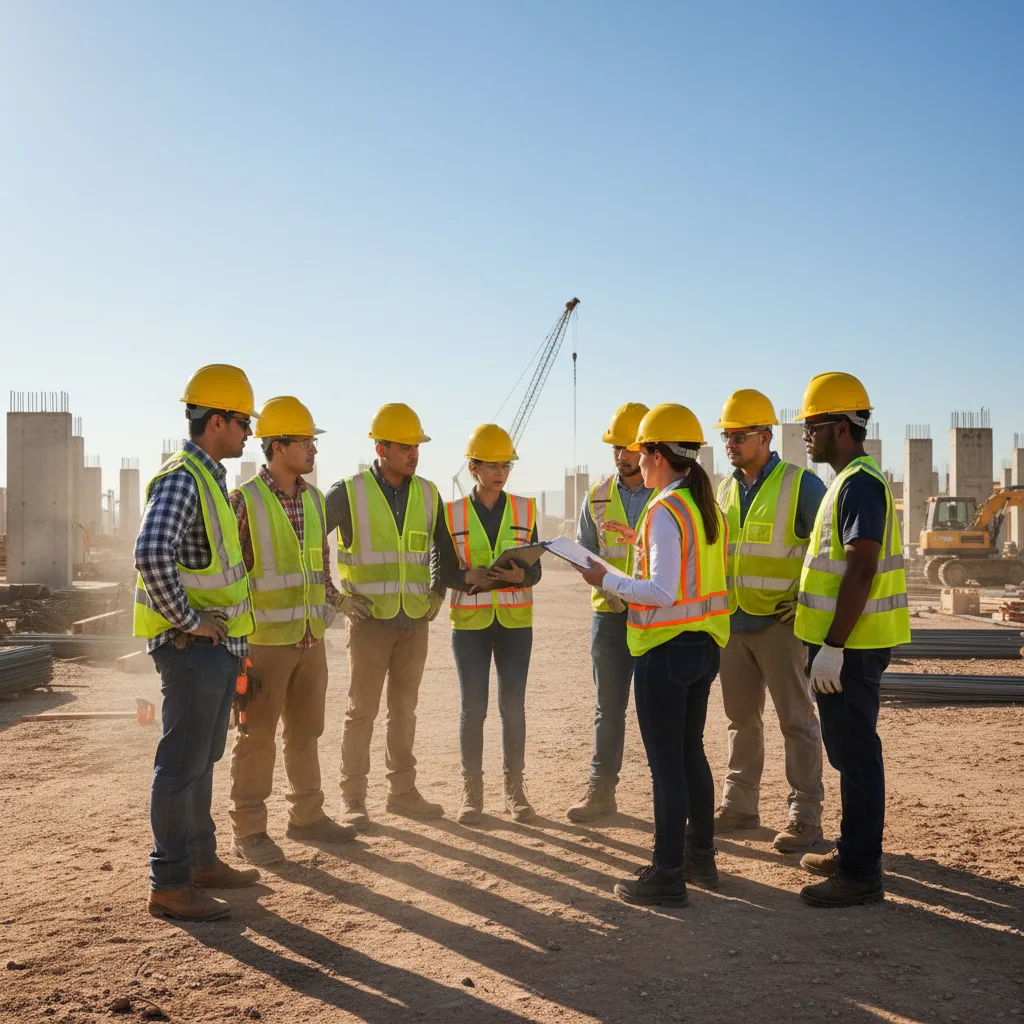
The answer, overwhelmingly, is no. Traditional training, by its very nature, struggles to replicate the stress, the split-second decision-making, and the physical consequences inherent in construction hazards. Workers might intellectually grasp the concept of fall protection, but until they experience the feeling of being suspended by a harness, or the panic of a near-miss, the lesson remains largely theoretical. This gap between knowledge and experience is where the most tragic accidents often occur, leaving industry leaders desperate for a more impactful, truly experiential solution.
The Cracks in Traditional Training: Why ‘Toolbox Talks’ Aren’t Enough
For generations, construction safety education has been a necessary, if often dry, affair. Picture a dusty site office: a supervisor rattling through safety protocols, while tired workers nod, half-listening, eager to get back to the job. These “toolbox talks,” alongside lengthy video presentations and thick binders of regulations, form the backbone of conventional training. While well-intentioned, their inherent limitations are stark. They are largely passive, relying on rote memorization and abstract concepts rather than active engagement.
The critical flaw lies in the inability to safely simulate real-world dangers. You can’t practice escaping a collapsing trench, operating a crane in high winds, or identifying live electrical hazards without putting lives at risk. This means workers often face these scenarios for the first time on the job, under immense pressure, with potentially fatal consequences. The lack of hands-on, consequence-free practice means that lessons learned are often superficial, quickly forgotten, or simply not internalized into muscle memory and instinct – a perilous gap that traditional methods simply cannot bridge.
Stepping into the Matrix: How Virtual Reality Transforms Learning
Enter virtual reality (VR), a technology that has moved far beyond gaming into the realm of serious, life-saving applications. Imagine donning a lightweight headset and suddenly being transported onto a fully operational construction site, complete with realistic sounds, dynamic weather conditions, and interactive elements. VR training isn’t about watching a video; it’s about being there. This profound sense of immersion and presence is VR’s superpower, allowing users to experience hazardous scenarios without ever stepping foot into danger.
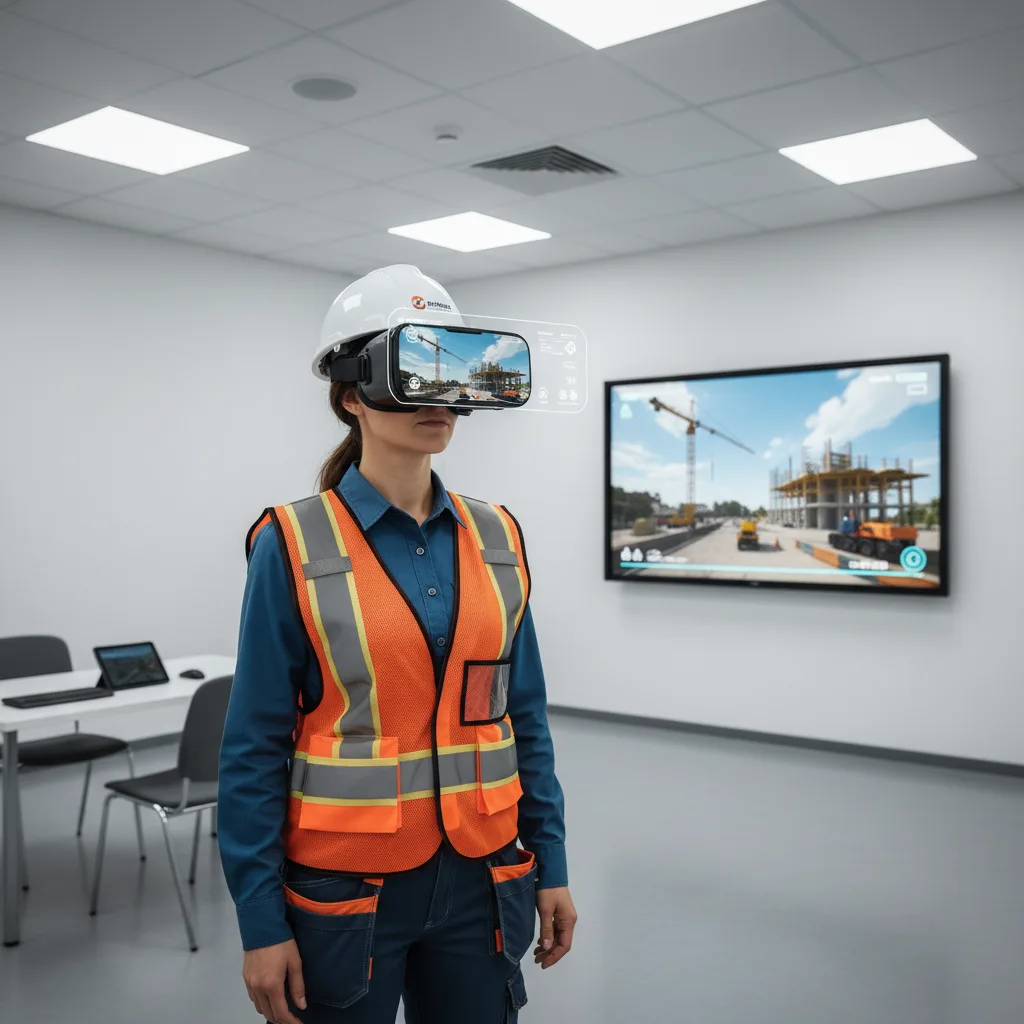
In a VR environment, trainees can practice critical safety procedures repeatedly. They can make mistakes, learn from them, and immediately try again, all within a safe, controlled digital space. This experiential learning fosters a deeper understanding and significantly improves knowledge retention compared to traditional methods. From identifying unsafe scaffolding to practicing emergency evacuations, VR transforms passive learning into an active, unforgettable journey, directly addressing the limitations that have plagued construction safety education for decades.
Real-World Blueprints: VR Applications in Action for Construction Safety
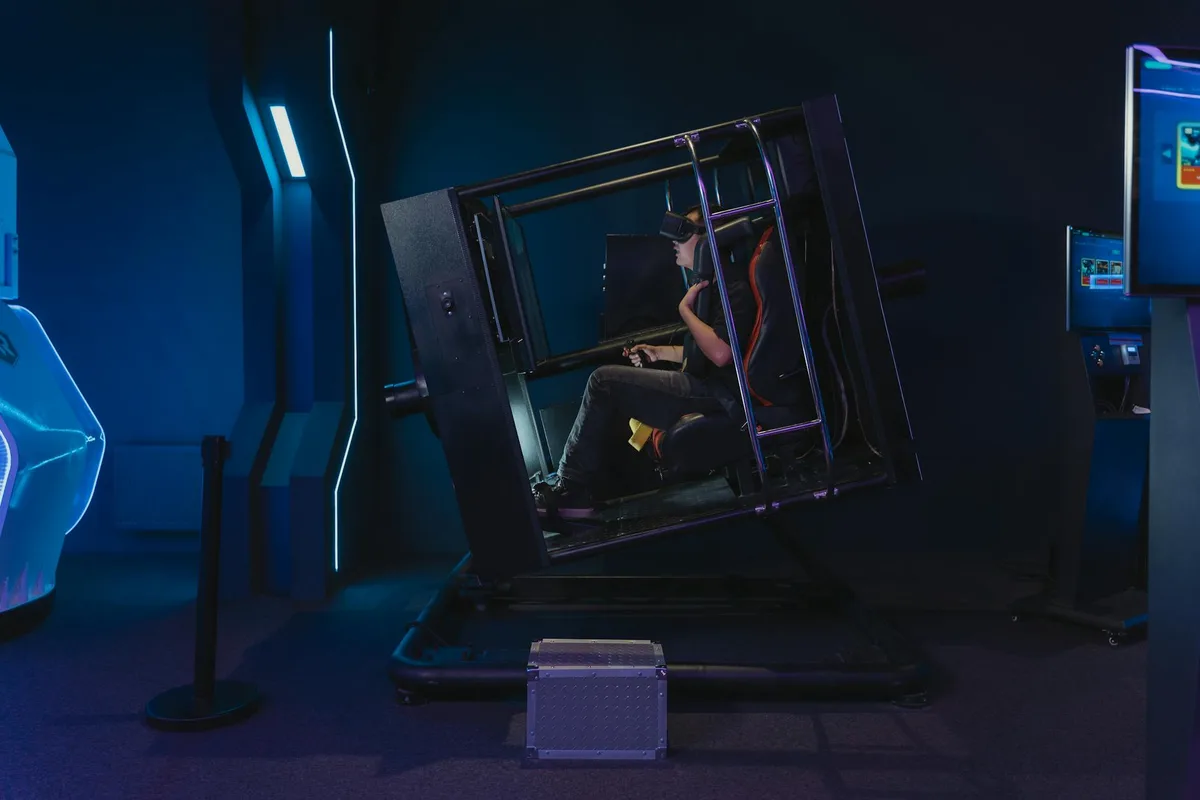 The adoption of VR in construction safety is not theoretical; it's a tangible reality, with innovative companies and research institutions leading the charge. Consider **Serious Labs**, a Canadian company that has developed highly realistic VR simulators for heavy equipment training, including aerial work platforms and excavators. Their systems allow operators to practice complex maneuvers, hazard identification, and emergency procedures in a virtual environment that mirrors real-world physics and conditions, drastically reducing the risk of accidents on actual job sites.
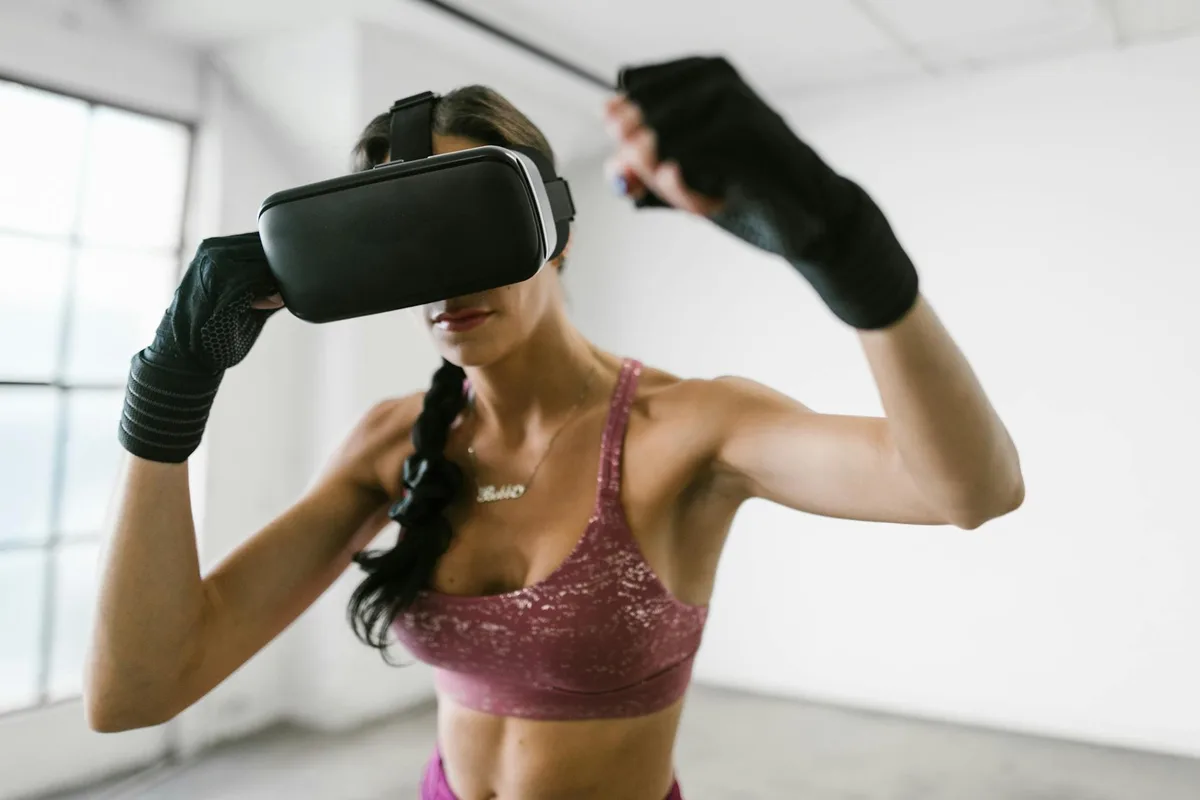 Beyond machinery, VR excels in simulating specific high-risk scenarios. For instance, **fall protection training** can place a worker virtually on a skyscraper ledge, requiring them to correctly don a harness, identify anchor points, and experience the sensation of a simulated fall arrest. Companies like **STRIVR** and **DAQRI** have developed modules for **hazard identification**, allowing workers to "walk through" a digital twin of a construction site, spotting potential dangers like exposed wiring, unstable ground, or improperly stored materials, thereby honing their observational skills in a consequence-free setting. These applications are not just engaging; they are building a new standard for preparedness.
Beyond the Hype: Quantifying VR’s Impact on Safety Metrics
 The effectiveness of VR in construction safety training isn't just anecdotal; it's increasingly backed by rigorous research and measurable results. Studies from institutions like **Stanford University's Center for Integrated Facility Engineering (CIFE)** have demonstrated that VR-based training leads to significantly higher engagement and knowledge retention compared to traditional methods. Participants in VR simulations show a deeper understanding of safety protocols and a greater ability to recall critical information under pressure.
More importantly, these improvements translate directly into tangible safety outcomes. Companies that have implemented VR training report reductions in incident rates and near-misses. For example, a major construction firm in the UK noted a 20% decrease in safety incidents among workers who underwent VR training for working at height, compared to those who received conventional instruction. The immediate feedback loop of VR, where mistakes lead to virtual consequences, solidifies lessons in a way that lectures simply cannot. Furthermore, by reducing accidents, companies realize substantial cost savings through lower insurance premiums, reduced downtime, and avoidance of costly litigation. VR is proving itself as a powerful tool for proactively mitigating risks and fostering a culture of safety.
The Digital Divide: Navigating VR’s Hurdles and Headaches
While the promise of VR in construction safety is immense, its widespread adoption isn’t without its challenges. The most significant hurdle remains the initial investment cost. High-fidelity VR headsets, powerful computing hardware, and especially the development of bespoke, realistic training simulations can represent a substantial upfront expenditure, particularly for smaller construction firms. This can create a “digital divide,” where only larger companies can afford to fully leverage the technology.
Furthermore, issues like motion sickness (or “cybersickness”) can affect a small percentage of users, potentially impacting the training experience. The quality and realism of simulations are also crucial; poorly designed VR experiences can be detrimental, failing to accurately replicate real-world physics or scenarios, thus undermining their effectiveness. There’s also the ongoing need for skilled VR developers and instructional designers who understand both the technology and the intricacies of construction safety, a specialized talent pool that is still growing. Addressing these limitations is key to unlocking VR’s full potential across the entire industry.
The Future is Built: A Safetier Horizon with Virtual Reality
So, are virtual reality applications effective for construction safety training and education? The resounding answer, supported by burgeoning evidence and real-world implementation, is a categorical yes. VR is not merely a novelty; it is a transformative tool that addresses the critical shortcomings of traditional safety instruction, offering unparalleled immersion, experiential learning, and the ability to safely practice high-stakes scenarios. It is fundamentally changing how construction workers learn, internalize, and apply safety principles, leading to demonstrably safer job sites.
The future of construction safety is undoubtedly intertwined with advanced technologies like VR and its cousin, augmented reality (AR). As hardware becomes more affordable, software more sophisticated, and development processes more streamlined, we can expect VR training to become a ubiquitous standard. Imagine AI-driven adaptive scenarios, haptic feedback suits that simulate physical impacts, and mixed reality environments that blend digital hazards with real-world sites. This isn’t just about compliance; it’s about fundamentally reshaping the human element of construction, ensuring that every worker returns home safely at the end of the day.
Conclusion
Virtual reality applications are proving to be remarkably effective for construction safety training and education. By offering immersive, experiential, and consequence-free learning environments, VR significantly enhances knowledge retention, improves hazard identification skills, and ultimately contributes to a reduction in accidents and fatalities on construction sites. While initial costs and development expertise remain considerations, the long-term benefits in terms of human lives saved and operational efficiencies gained make VR an indispensable investment for building a safer tomorrow.
You might also like:
👉 Virtual Reality Applications: Exploring VR’s Impact Across Industries
👉 AI & Education: Reshaping the Future of Teaching & Learning
👉 Future Bridge Education & Training LLC: Adaptive Learning for Tomorrow