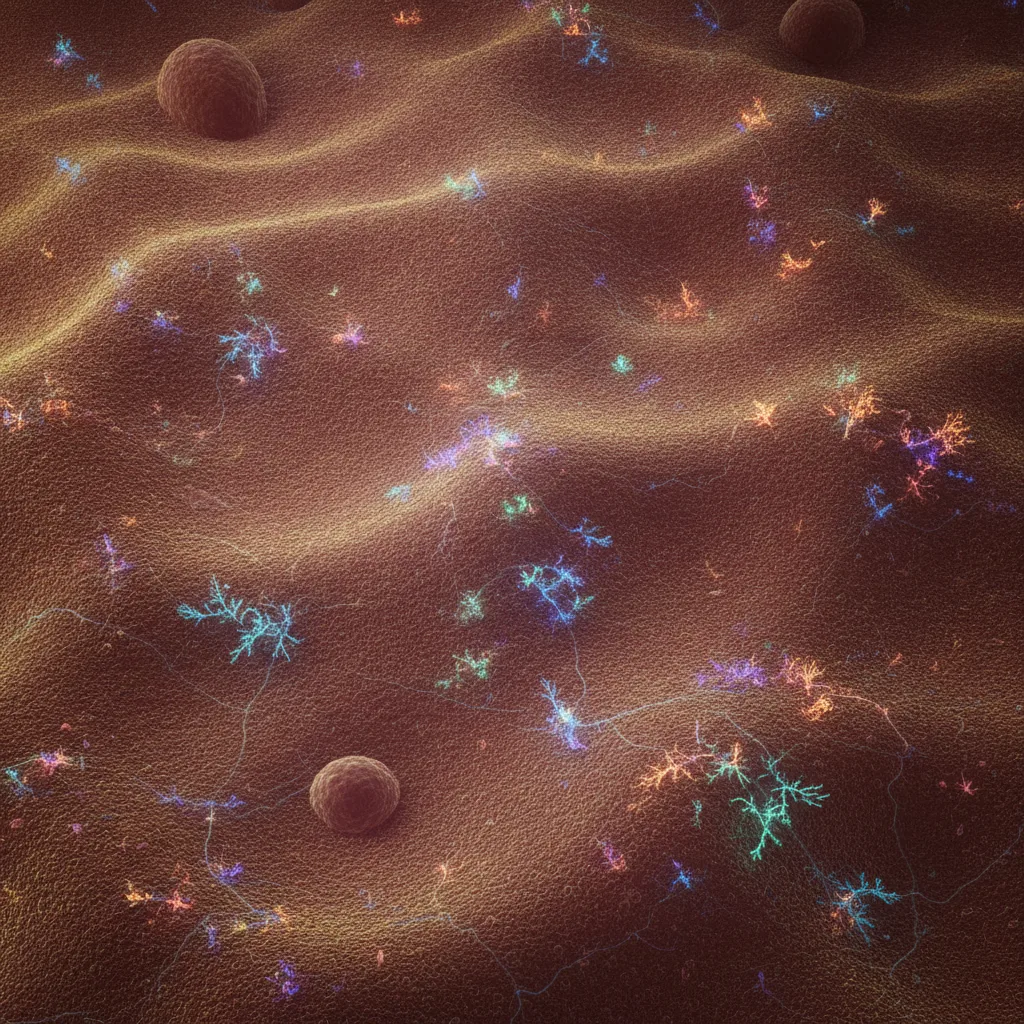
Why Your Gut Isn't Reset: Months of Issues Post-Antibiotics
Many believe antibiotics completely reset the gut, but scientific research shows a complex, often incomplete reality. Learn why digestive issues can persist for months.
The Gut Reset: What Antibiotics Really Do
Many people believe antibiotics offer a complete reset for the gut. The common idea is that they eliminate harmful bacteria, allowing the system to rebuild itself like a clean slate. However, scientific research shows a more complex reality. The “reset” is often incomplete.
My interest in this topic began with a friend. After finishing antibiotics, he experienced digestive issues for months. Doctors provided little clear guidance. This led me to investigate why a common medication could have such unpredictable effects on the body.
Antibiotics and Your Gut Bacteria
Alexander Fleming discovered penicillin in 1928, beginning the age of antibiotics. These drugs save countless lives by targeting harmful bacteria. They work by killing or inhibiting bacterial growth, often indiscriminately.
Many antibiotics are broad-spectrum. This means they do not just kill the specific bacteria causing an infection. They also eliminate helpful gut bacteria. These microbes are important for digestion and vitamin production.
Antibiotics can significantly reduce the diversity of gut bacteria. A single course can eliminate up to a third of the bacterial species in your gut. This finding comes from a 2018 study published in the journal Microbiome. This is not a temporary dip, but a lasting change.
Lasting Damage
A 2016 study in Cell Host & Microbe revealed that gut diversity can remain low for up to two years following some antibiotic courses. This persistence is longer than many might expect.
The impact extends beyond just fewer bacteria. It involves losing specific, important species. These often include “keystone” species that play vital roles in maintaining a balanced gut environment. Their absence can change metabolic processes. For example, these bacteria produce short-chain fatty acids like butyrate, which nourishes the cells lining your colon.
One significant outcome of this disruption is an increased risk of Clostridioides difficile infection (CDI). When helpful bacteria are suppressed, C. difficile can multiply. The US Centers for Disease Control and Prevention (CDC) reports nearly half a million CDI infections annually in the United States. This is a severe, sometimes fatal, gut infection.
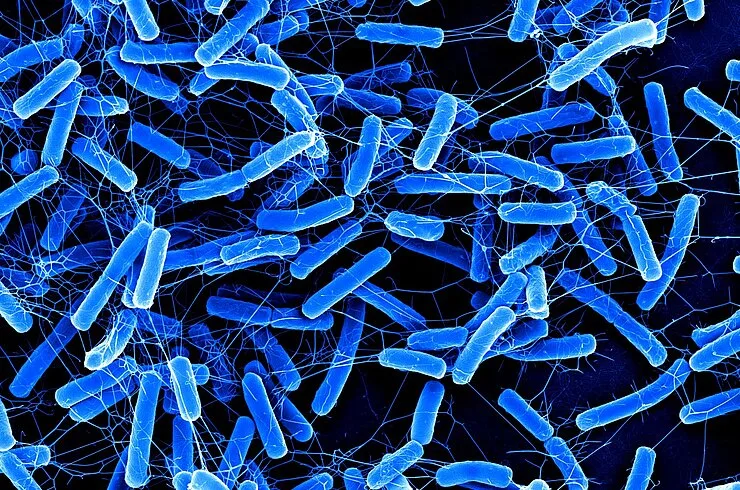
Clostridioides difficile is a bacterium responsible for severe, sometimes fatal, gut infections, with nearly half a million cases reported annually in the U.S. Its proliferation is a significant risk when beneficial gut bacteria are suppressed by antibiotics. (Source: helmholtz-hzi.de)
Researchers have also linked antibiotic-induced gut dysbiosis to other conditions, including inflammatory bowel disease (IBD) and irritable bowel syndrome (IBS). Dr. Emeran Mayer, a gastroenterologist and author, frequently discusses these links. He highlights how this disruption affects the gut-brain axis, potentially influencing mood and mental health. It is important to remember that individual recovery varies, and not everyone experiences severe or lasting effects. However, the potential risks are evident.
How to Rebuild Your Gut
Researchers at Stanford University published findings in 2020 on personalized methods for restoring the microbiome. While many assume a simple probiotic is enough after antibiotics, studies reveal a much more intricate situation.
Probiotics are live microorganisms intended to provide a health benefit. They can certainly help some individuals, but their effects are often temporary and highly strain-specific. Dr. Gregor Reid, a pioneer in probiotic research, highlights their transient nature, meaning they may not colonize the gut long-term.
A 2018 Cell study by Elinav and Segal presented a surprising finding. Their research suggested that probiotics might, in some cases, actually delay the gut’s natural recovery after antibiotics. This challenges the common belief that all probiotics are universally helpful after antibiotic use.
Prebiotics are also important. These non-digestible food ingredients selectively encourage the growth and activity of beneficial bacteria, essentially feeding your existing good microbes. Dietary changes are key. Fermented foods such as kimchi, sauerkraut, and yogurt can introduce new beneficial bacteria. A diet rich in diverse, fiber-filled plants supports a strong microbiome.
For severe cases, especially recurrent Clostridioides difficile infection, Fecal Microbiota Transplantation (FMT) has shown remarkable success. This procedure involves transferring stool from a healthy donor into a patient’s gut. A 2013 New England Journal of Medicine study reported over 90% success rates for recurrent CDI. For other conditions, FMT is still largely experimental, but it demonstrates the significant impact of microbial communities.
The Future of Gut Health
The US National Institutes of Health launched the Human Microbiome Project in 2007. They invested over $170 million to map the microbial communities in and on our bodies. This research makes it clear that the future of gut health is shifting from general advice to precision.
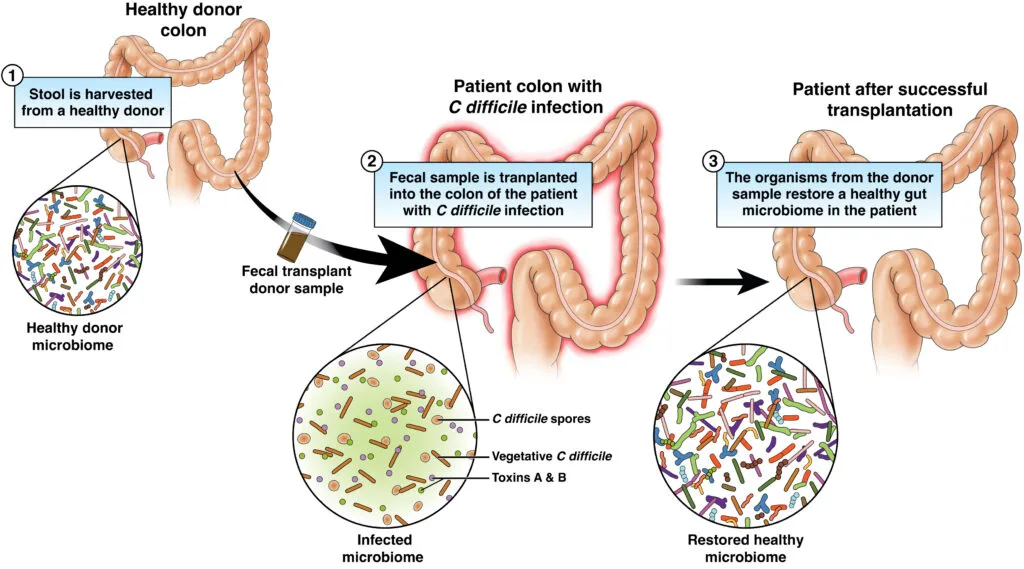
Fecal Microbiota Transplantation (FMT) involves transferring stool from a healthy donor into a patient’s gut to restore microbial balance. This procedure has shown remarkable success, with a 2013 *New England Journal of Medicine* study reporting over 90% success rates for recurrent *Clostridioides difficile* infection. (Source: patient.gastro.org)
The field is moving towards highly personalized medicine. This involves interventions specifically tailored to an individual’s unique microbiome profile. Advanced diagnostic tools, such as sophisticated DNA sequencing, will become more common. These tools will help us understand precisely what occurs in an individual’s gut after antibiotics.
New therapies are also emerging. Phage therapy uses viruses to specifically target and destroy harmful bacteria while leaving beneficial ones untouched. Scientists are also developing “designer” probiotics. These contain specific strains engineered for particular health outcomes. Our understanding of the gut microbiome continues to grow.
Despite rapid scientific advances, much about the gut microbiome remains unknown. The ideal “gut reset” is not a one-size-fits-all solution. Our individual microbial worlds are incredibly complex. This complexity requires a future where medical approaches are truly individualized.
Frequently asked questions
Q1: How quickly does the gut recover after antibiotics? Recovery varies widely among individuals. Some gut functions can return within weeks, but significant shifts in bacterial diversity can persist for months or even years.
Q2: Should I take probiotics with antibiotics? Some studies suggest probiotics can help lessen antibiotic side effects like diarrhea. However, other research indicates they might delay the natural recovery of your native gut flora. Always consult your doctor for personalized advice.
Q3: What foods best support gut recovery? Focus on a diverse diet rich in fiber from fruits, vegetables, and whole grains. Include fermented foods like yogurt, kefir, kimchi, and sauerkraut, as these can introduce beneficial bacteria.
Q4: Are there long-term health risks if my gut doesn’t fully recover? Persistent gut problems after antibiotics are linked to increased risks. These risks include recurrent C. difficile infections, irritable bowel syndrome, and potentially other chronic conditions. These connections are still actively being researched.
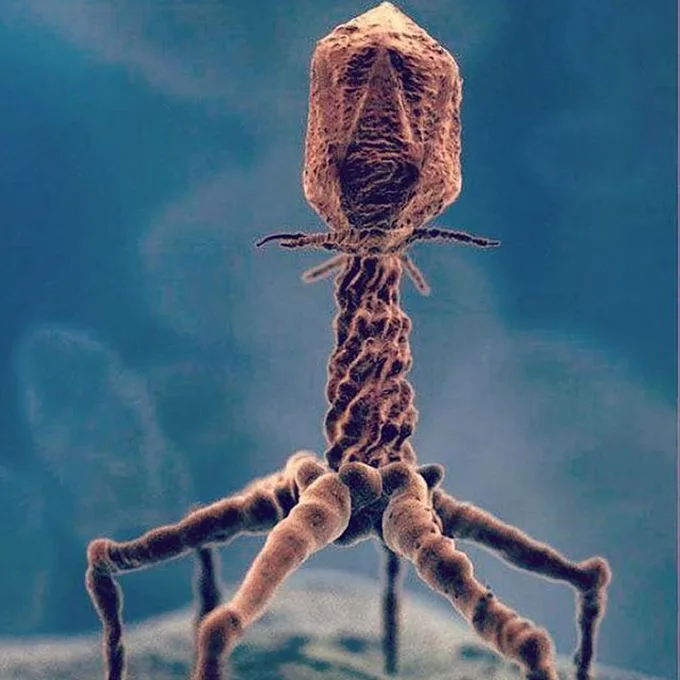
Bacteriophages are viruses that specifically infect and destroy bacteria, making them a promising tool for 'phage therapy' to combat harmful gut microbes while leaving beneficial ones untouched. Their intricate, often 'lunar lander'-like structures are only visible under powerful electron microscopes. (Source: medizzy.com)
You might also like:
👉 The Human Brain: Unraveling Its Mysteries & How It Works
👉 Virtual Reality in Healthcare: Revolutionizing Medicine & Patient Care