
The Human Brain: Unraveling Its Mysteries & How It Works
Explore the profound complexities of the human brain, a biological marvel capable of incredible feats. How much do we truly understand about its intricate workings and vast potential?
The Brain’s Last Frontier: Do We Fully Understand How It Works?
Imagine, for a moment, a universe contained within just three pounds of tissue. A universe capable of composing symphonies, launching rockets to Mars, falling in love, and pondering its own existence. This isn’t science fiction; it’s the human brain, a marvel of biological engineering that, despite millennia of inquiry and centuries of scientific rigor, remains arguably the most complex and least understood object in the known universe. So, the provocative question isn’t just academic: do we fully understand how the human brain works? The short, thrilling answer is an emphatic no – and the journey to uncover its secrets is far more fascinating than any simple yes or no could convey.
The Astonishing Enigma of the Human Brain
Consider the story of Henry Molaison, known to science for decades as “Patient H.M.” Following experimental surgery in 1953 to alleviate severe epilepsy, H.M. lost the ability to form new long-term memories. While his intellect, personality, and memories from before the surgery remained largely intact, every new encounter, every fresh piece of information, evaporated within minutes. His tragic case, meticulously studied by neuroscientist Brenda Milner at McGill University, revealed the critical role of the hippocampus in memory formation – a profound breakthrough. Yet, even as H.M. helped us map a crucial piece of the memory puzzle, his life also underscored the vast, intricate network of processes that underpin something as seemingly fundamental as remembering yesterday’s lunch.
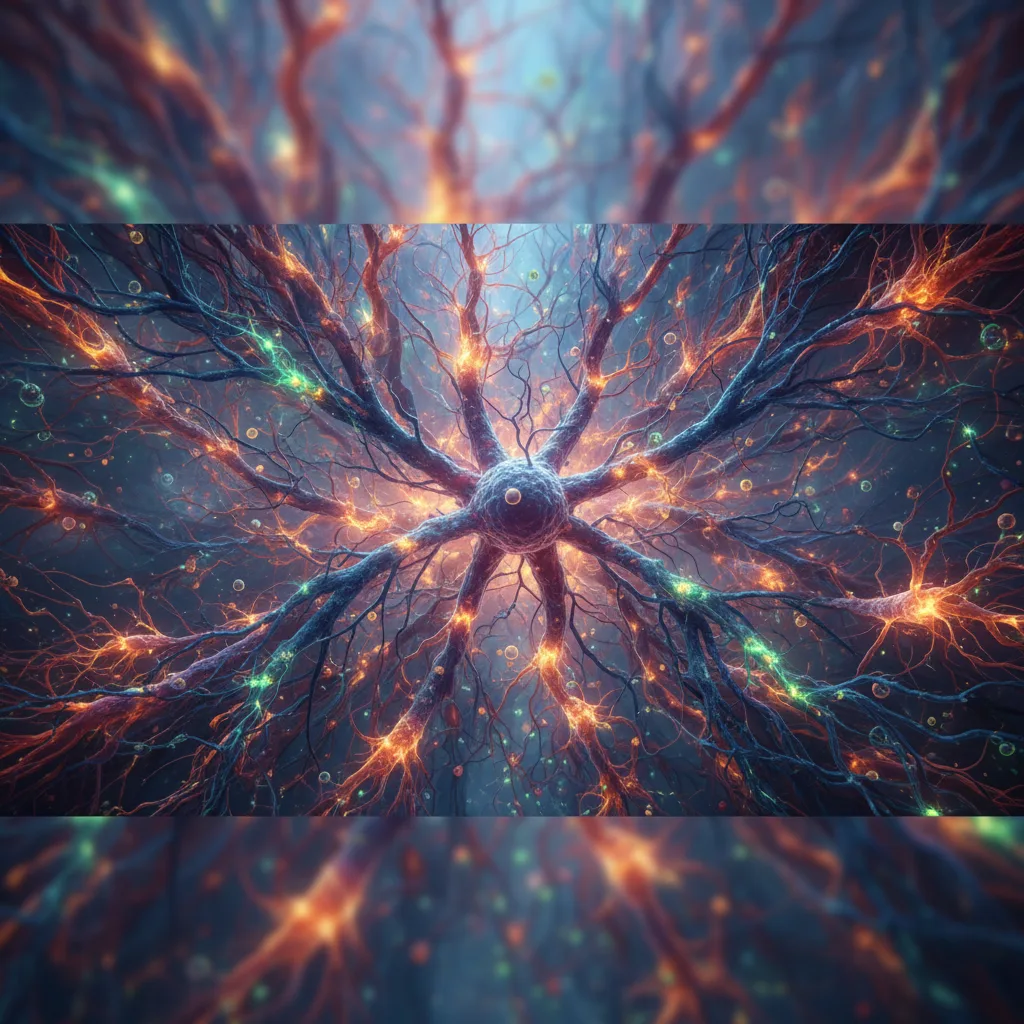
The brain itself is an astonishingly dense network of approximately 86 billion neurons, each capable of forming thousands of connections, resulting in trillions of synapses. This intricate web fires electrical signals and exchanges chemical messengers at lightning speed, allowing us to perceive, think, feel, and act. We’ve made incredible strides in understanding its basic anatomy and the general functions of certain regions. But moving from individual neuron activity to the emergent phenomenon of consciousness, creativity, or even a simple decision, is like trying to understand an entire symphony by listening to a single violin string. The sheer scale of its complexity continually humbles even the most brilliant minds, leaving us to wonder what deeper mechanisms lie just beyond our current grasp.
Mapping the Mind: From Phrenology to Functional Imaging
Humanity’s quest to map the mind is a saga of both brilliance and bewildering missteps. Early anatomists like Galen (2nd century AD) and Andreas Vesalius (16th century) meticulously dissected brains, identifying structures but having little grasp of their function. Fast forward to the 19th century, and phrenology emerged, a pseudoscience championed by Franz Joseph Gall, which claimed that bumps on the skull correlated with specific personality traits and abilities. While scientifically debunked, phrenology, in its misguided way, introduced the radical idea of functional localization within the brain – that different areas might be responsible for different tasks.
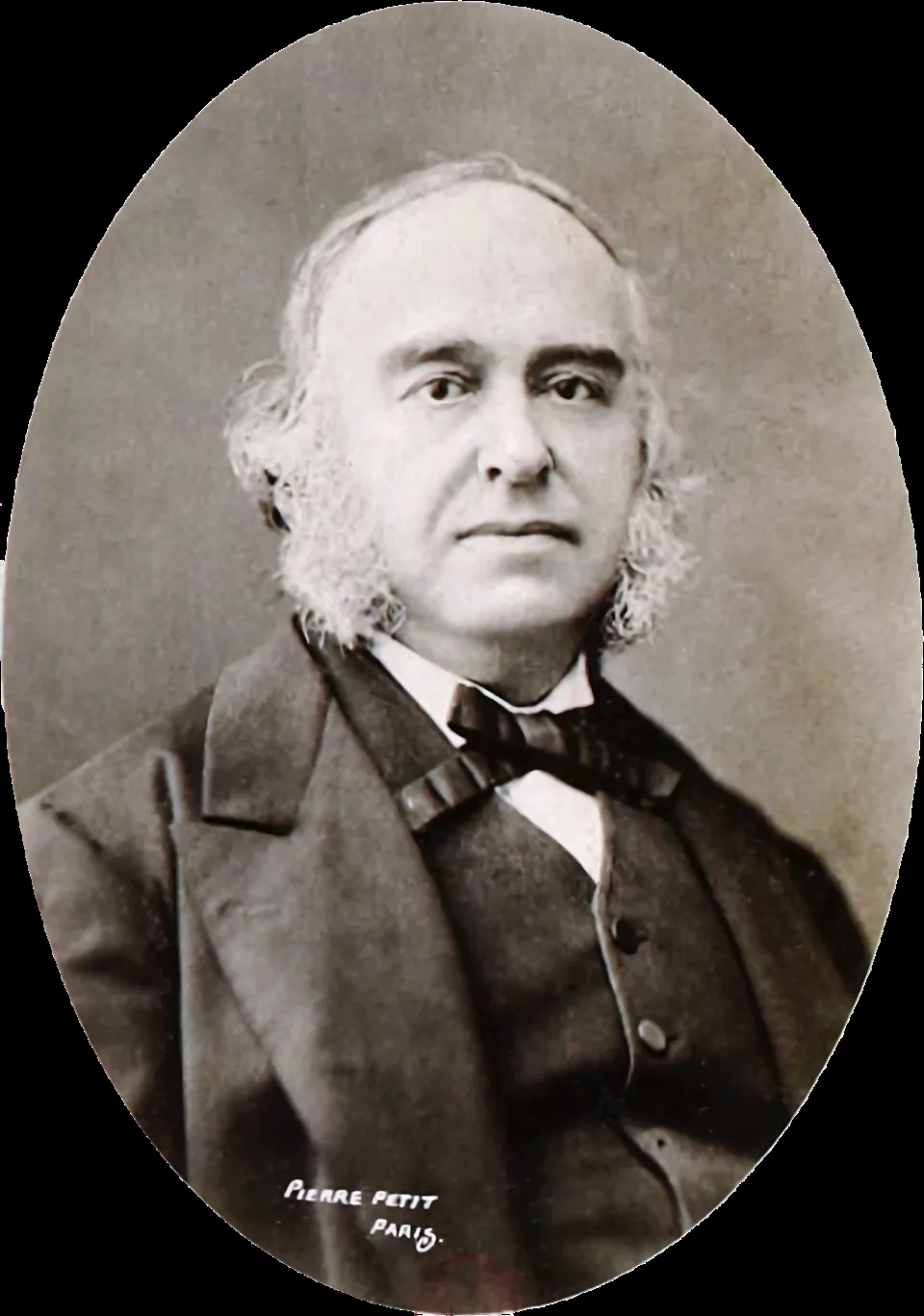 Paul Broca, a French physician whose work in 1861 linked a specific brain region to language production.
It took the meticulous work of physicians like Paul Broca in 1861, who linked damage to a specific frontal lobe region (now “Broca’s area”) to language production deficits, and Karl Wernicke, who identified an area critical for language comprehension, to establish the scientific basis for localization. Today, our tools are vastly more sophisticated. Functional Magnetic Resonance Imaging (fMRI), developed in the early 1990s, allows us to observe blood flow changes – a proxy for neural activity – in real-time as subjects perform tasks. Positron Emission Tomography (PET) scans and Electroencephalography (EEG) offer other windows into the brain’s dynamic processes. These technologies have illuminated active regions during everything from recognizing faces to solving complex math problems. Yet, while they show where activity occurs, they often struggle to explain how that activity translates into a conscious thought or feeling, leaving us with beautiful maps but an incomplete understanding of the terrain itself.

The Unseen Orchestra: How Neurons Orchestrate Consciousness
At the heart of the brain’s mystery lies the neuron, a microscopic cell that is both simple in its individual operation and unimaginably complex in its collective action. Each neuron operates like a tiny switch, receiving input from thousands of other neurons, summing those signals, and deciding whether or not to “fire” its own electrical impulse. This electrochemical dance propagates through intricate networks, forming what some call the “unseen orchestra” of the mind. How do these billions of individual signals, firing across trillions of synapses, give rise to a unified perception of the world, a coherent sense of self, or the rich tapestry of our inner thoughts?
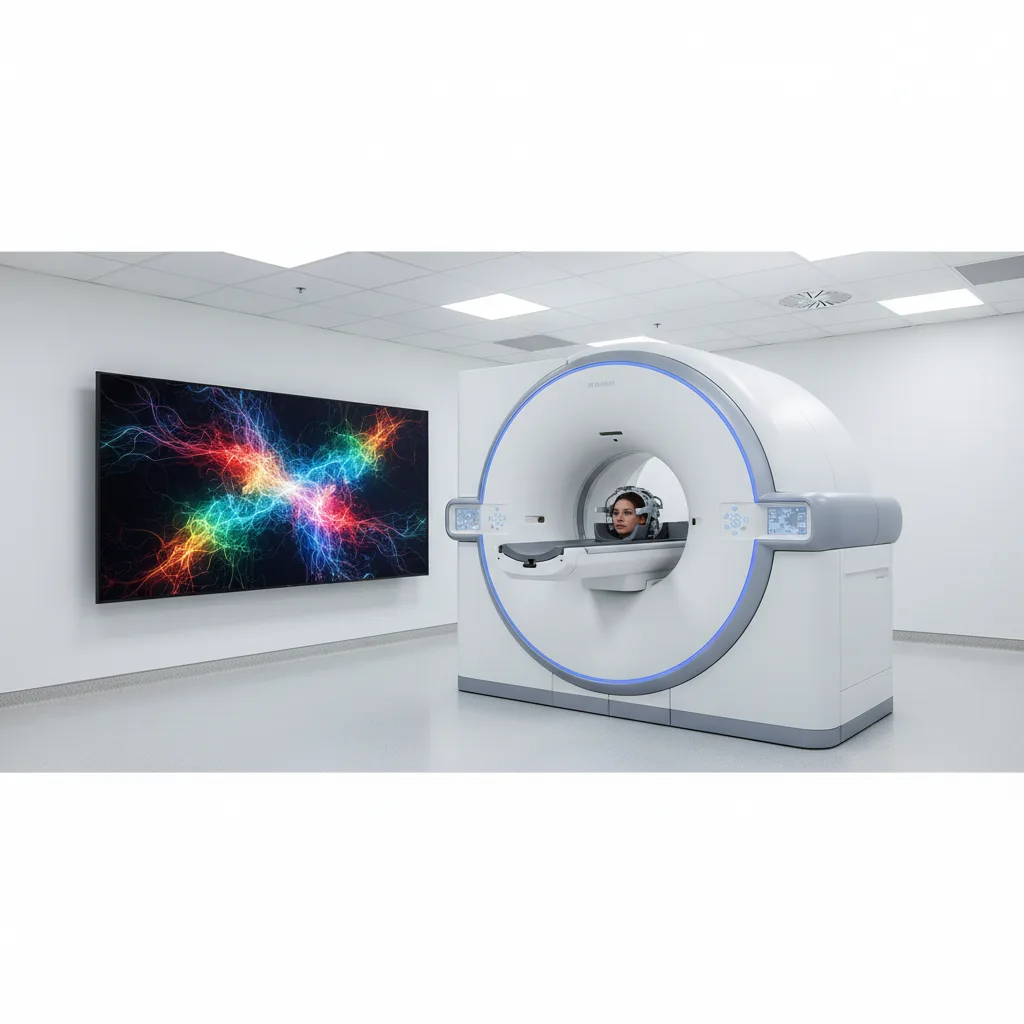
This is the “binding problem” – one of neuroscience’s most profound challenges. How do the separate features of an object, processed by different brain regions (color, shape, movement), bind together into a single, seamless perception of, say, a red, bouncing ball? It’s not just about individual neurons; it’s about their dynamic interactions, their synchronized firing, and the emergent properties that arise from this collective behavior. We understand the basic cellular mechanisms of neural communication, but the leap from these micro-level interactions to macro-level phenomena like consciousness or decision-making remains one of the largest gaps in our understanding how the human brain works. We’re still searching for the conductor of this magnificent, silent orchestra.
The Deep Mysteries of Memory, Emotion, and Self
Beyond basic processing, the brain houses the very essence of who we are: our memories, emotions, and sense of self. Memory, as Patient H.M. so poignantly demonstrated, isn’t a single entity but a complex interplay of systems. We have episodic memory (remembering personal events), semantic memory (facts and knowledge), and procedural memory (skills like riding a bike). Research by scientists like Eric Kandel on sea slugs has illuminated the molecular mechanisms of memory storage, while the work of Elizabeth Loftus has shown how easily our memories can be distorted or even implanted, revealing their reconstructive, rather than purely reproductive, nature.
Emotions, too, are a deep well of mystery. We know the amygdala plays a crucial role in fear processing, and the prefrontal cortex in regulating emotional responses. But how do these neural circuits translate into the subjective feeling of joy, sorrow, or anger? What creates the unique hue of your experience of sadness versus mine? And then there’s the ultimate enigma: the self. What constitutes our enduring sense of identity, our unique personality? Is it merely the sum of our neural connections, or is there something more profound, an emergent property that defies purely biological explanation? These questions push the boundaries of neuroscience into philosophy, highlighting the profound limits of our current understanding.
When the Brain Falters: Understanding Neurological and Psychiatric Conditions
Perhaps nothing illustrates the gaps in our knowledge more starkly than the challenges presented by neurological and psychiatric conditions. Diseases like Alzheimer’s, characterized by devastating memory loss and cognitive decline, are associated with the accumulation of amyloid plaques and tau tangles in the brain. Parkinson’s disease involves the degeneration of dopamine-producing neurons, leading to motor control issues. While we’ve identified these pathological hallmarks and some genetic risk factors, the precise triggers, the cascade of events that lead to these conditions, and effective cures remain elusive. We understand what is failing, but not always why or how to definitively stop it.
Psychiatric conditions like major depressive disorder, schizophrenia, and bipolar disorder present even greater complexities. For decades, theories revolved around “chemical imbalances” – a simplistic explanation that has since been largely discredited as an oversimplification. While neurotransmitters like serotonin and dopamine are involved, the underlying neural circuits, genetic predispositions, and environmental factors interact in ways we are only beginning to unravel. The brain’s immense plasticity and individuality make diagnosis and treatment incredibly challenging, often involving trial and error. The very fact that we struggle so profoundly to fix a broken brain underscores just how much we still have to learn about how a healthy brain operates optimally.
Artificial Intelligence and the Quest to Replicate Cognition
In our quest to understand how the human brain works, we’ve also turned to building artificial ones. The field of Artificial Intelligence (AI), particularly deep learning, has seen remarkable advancements by creating neural networks inspired by the brain’s architecture. These networks, like Google’s AlphaGo or OpenAI’s GPT models, can perform complex tasks, recognize patterns, and even generate human-like text with astonishing proficiency. They’ve shown us the power of interconnected nodes and layered processing in solving problems that once seemed uniquely human.
However, even the most sophisticated AI systems are fundamentally different from biological brains. They excel at specific, data-rich tasks but often lack common sense, true creativity, and the ability to generalize knowledge across vastly different contexts. Crucially, they do not possess consciousness or subjective experience, what philosopher David Chalmers famously termed the “hard problem” of consciousness. AI acts as a powerful mirror, reflecting both our growing understanding of computational processes and the profound chasm that still separates synthetic intelligence from the organic, conscious mind. By attempting to replicate cognition, AI helps us identify precisely what we don’t yet understand about our own intricate biological machinery.
Conclusion: The Unfolding Saga of the Human Mind
So, do we fully understand how the human brain works? The resounding answer is no, not yet. We’ve journeyed from crude skull maps to sophisticated functional imaging, from dissecting cadavers to manipulating individual neurons with light. We’ve charted vast anatomical landscapes and begun to decode the molecular whispers between cells. We understand fragments, pieces of the puzzle – the role of the hippocampus in memory, the amygdala in fear, the prefrontal cortex in decision-making.
Yet, the grand narrative remains largely unwritten. The mechanisms of consciousness, the genesis of free will, the subjective nature of emotion, the very fabric of identity – these are not just scientific questions but philosophical frontiers. The human brain, with its 86 billion neurons, remains the most complex known system, a universe of untold secrets. Our journey to comprehend it is an unfolding saga, a testament to human curiosity, and perhaps the greatest scientific adventure of all time. We are only just beginning to truly listen to its silent, magnificent symphony.
You might also like:
👉 Best Books on How the Human Brain Works: A Cognitive Guide
👉 Quantum Brain: Does Human Consciousness Operate at a Quantum Level?