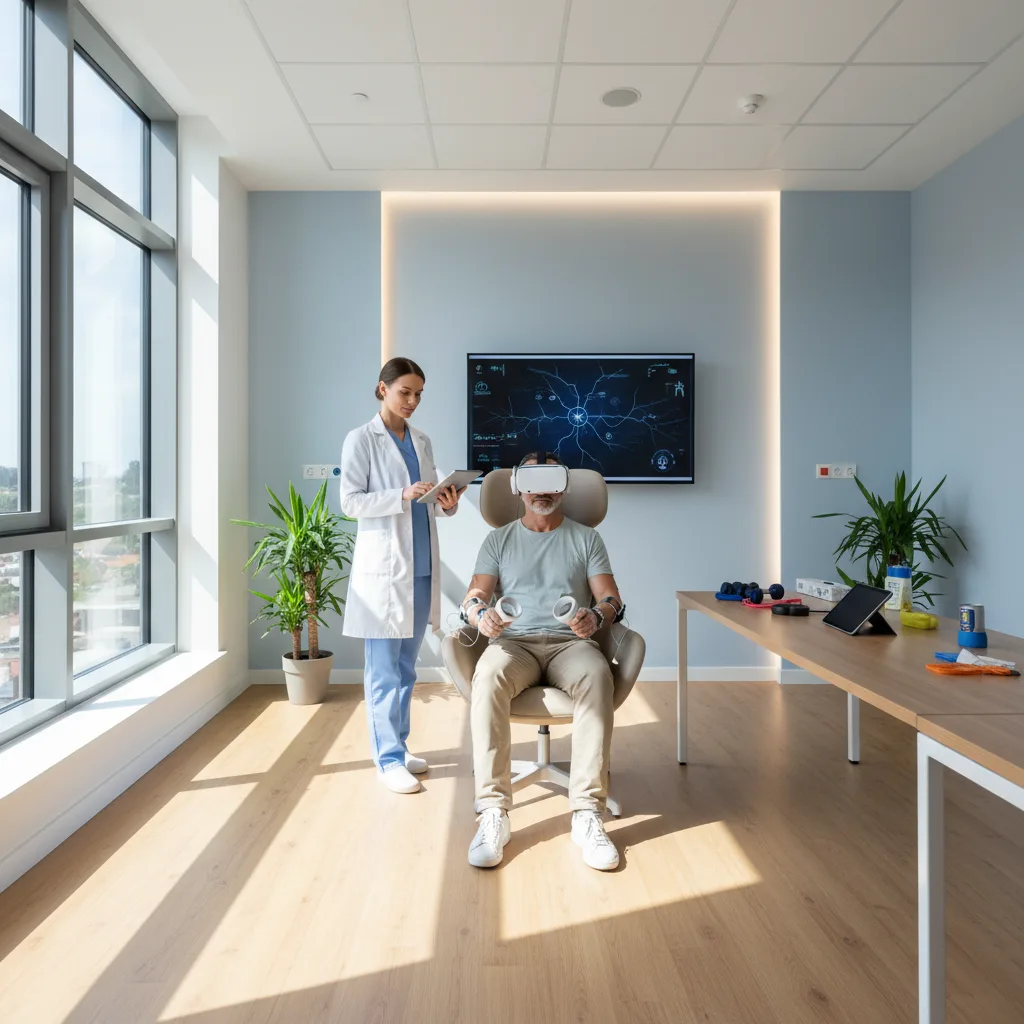
Virtual Reality in Healthcare: Revolutionizing Medicine & Patient Care
Explore how Virtual Reality (VR) is transforming healthcare, from immersive pain management and anxiety reduction to advanced surgical training. Discover the future of medicine.
The Metaverse of Medicine: How Virtual Reality is Revolutionizing Healthcare
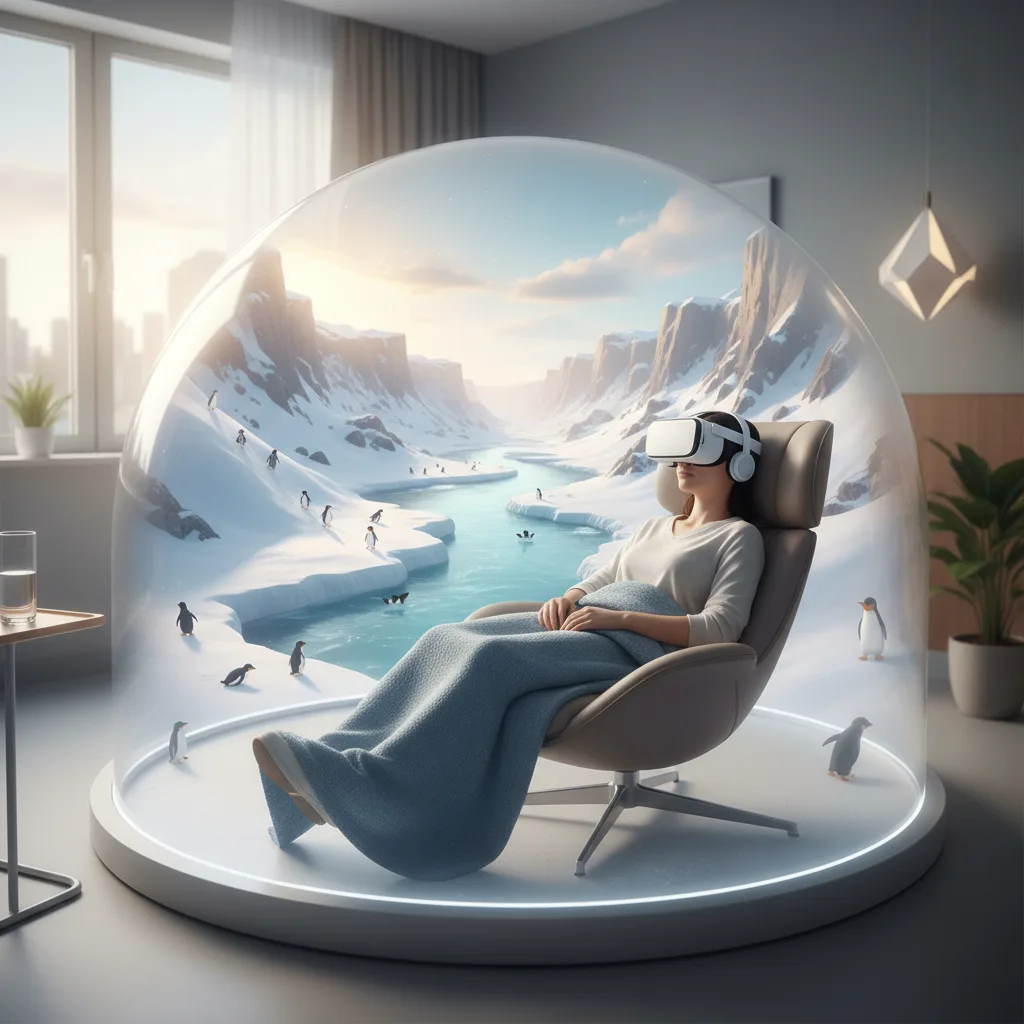
Imagine undergoing a painful medical procedure, not with a grimace, but with a smile, lost in a serene virtual world of snow-covered canyons and playful penguins. Or picture a surgeon rehearsing a complex brain operation, not on a cadaver, but on a perfectly rendered, interactive 3D replica of their patient’s actual anatomy, perfecting every incision before the real one. This isn’t science fiction anymore. This is the present and future of medicine, powered by the astonishing applications of virtual reality in healthcare.
For decades, VR was a fringe technology, a novelty relegated to arcades and niche gaming. But today, it’s bursting into operating rooms, therapy clinics, and medical classrooms, transforming how we heal, learn, and even empathize. TrendSeek is here to peel back the layers of this medical metaverse, showing you how VR isn’t just a gadget, but a profound paradigm shift, making the impossible, incredibly real.
Vanquishing Pain and Accelerating Recovery with Immersive Therapy
Can a digital landscape truly dissolve the sting of a real-world wound? For millions, the answer is a resounding yes. One of the earliest and most impactful applications of virtual reality in healthcare has been in pain management and physical rehabilitation. By creating immersive, distracting environments, VR can dramatically reduce a patient’s perception of pain, often with fewer pharmacological interventions.
Consider SnowWorld, developed by the University of Washington’s Human Photonics Lab and Harborview Burn Center in 1996. For severely burned patients, dressing changes are excruciating. SnowWorld immerses them in a frigid, icy world where they throw snowballs at virtual objects, engaging their senses and diverting their attention away from agonizing reality. Studies have shown this simple yet ingenious VR game can reduce pain ratings by 35-50%, comparable to strong opioids, without the side effects. Beyond acute pain, VR is now a potent tool for chronic pain sufferers, offering non-pharmacological alternatives for conditions like fibromyalgia and lower back pain.
But the magic doesn’t stop at distraction. In physical therapy, VR transforms monotonous exercises into engaging games. Stroke survivors, for instance, can regain motor function by virtually catching fish or navigating obstacle courses, making repetitive movements enjoyable and encouraging greater adherence to therapy. The potential for VR to make the arduous journey of physical recovery not just bearable, but genuinely engaging, is only just beginning to unfold. What other chronic conditions could be redefined by a dose of virtual escapism?
Precision Training and Pre-Operative Mastery through Virtual Simulation
What if every surgeon could perform a procedure a dozen times before touching a real patient? The stakes in surgery couldn’t be higher, and traditional training methods, while effective, often rely on cadavers or observation. Virtual reality is changing this, offering an unparalleled platform for surgical training and pre-operative planning, thereby enhancing patient safety and surgical outcomes.
Companies like OssoVR and Surgical Science provide highly realistic, haptic-feedback enabled simulations that allow medical students and experienced surgeons to practice complex procedures, from orthopedic surgeries to intricate neurosurgeries, in a risk-free environment. Trainees can repeat steps, make mistakes without consequence, and receive instant feedback, honing their skills to a degree previously unimaginable. This isn’t just about memorizing steps; it’s about developing muscle memory, spatial awareness, and critical decision-making under pressure.

Beyond general training, VR is becoming indispensable for patient-specific surgical planning. Surgeons can upload a patient’s MRI or CT scans to create a precise 3D virtual replica of their anatomy. This allows them to “walk through” the operation, identify potential challenges, and determine the optimal approach before stepping into the operating room. This pre-surgical rehearsal reduces operative time, minimizes complications, and ultimately leads to better patient outcomes. Imagine the peace of mind knowing your surgeon has already successfully performed your exact operation, virtually, multiple times.
Healing the Mind: Mental Health and Cognitive Behavioral Therapy in VR
Can a digital world truly heal the deepest wounds of the mind? For mental health professionals, virtual reality is proving to be a revolutionary tool, offering controlled, immersive environments for therapy that were once impossible or impractical to create in the real world. From phobias to PTSD, VR is providing new pathways to healing.
 A towering skyscraper, representing the real-world environments simulated in VR for exposure therapy to treat acrophobia (fear of heights). (Basile Morin, CC BY-SA 4.0)
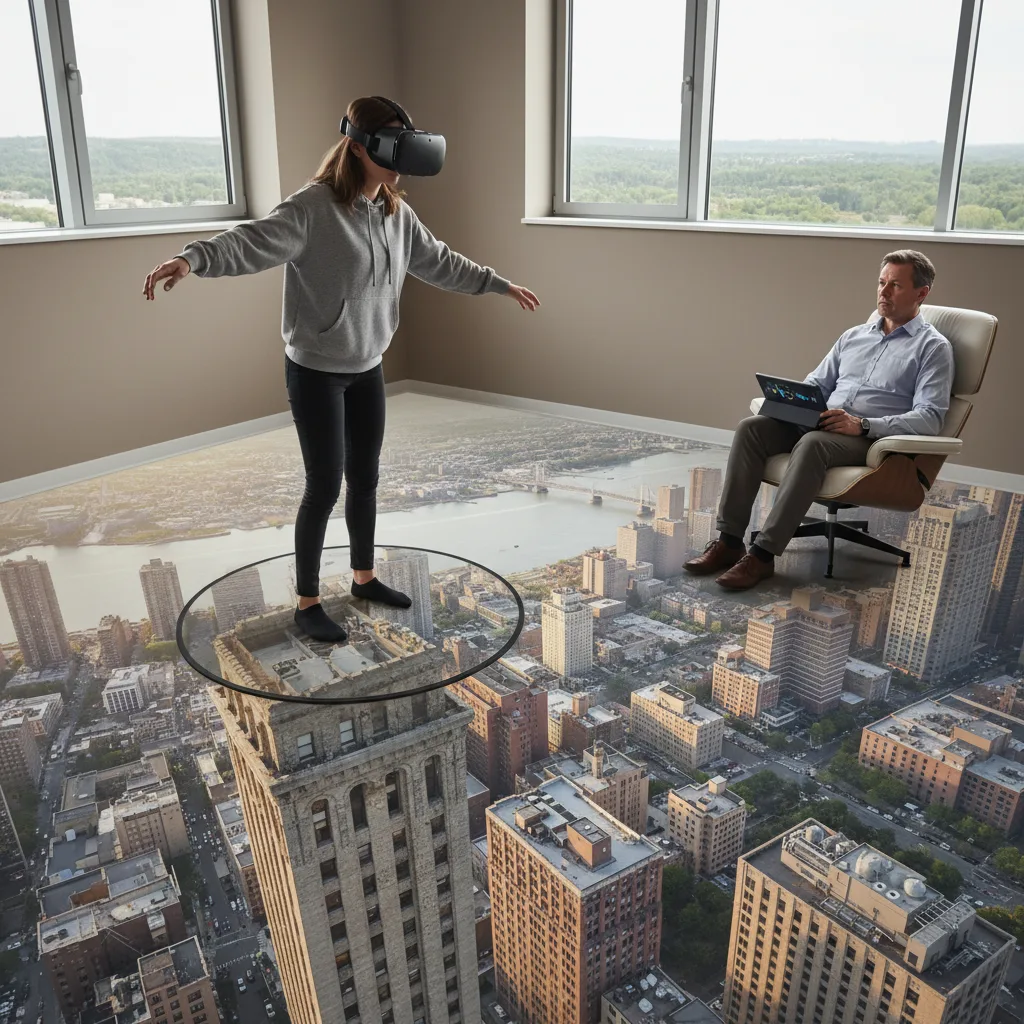
Exposure therapy, a cornerstone of treating anxiety disorders and phobias, is perfectly suited for VR. Patients with acrophobia (fear of heights) can safely ascend a virtual skyscraper, gradually confronting their fears in a controlled, therapeutic setting. Those with aviophobia (fear of flying) can experience a virtual airplane takeoff and landing without ever leaving the ground. This controlled exposure allows therapists to guide patients through their anxiety responses, teaching coping mechanisms in real-time.
For veterans suffering from Post-Traumatic Stress Disorder (PTSD), VR applications like Bravemind (developed by the USC Institute for Creative Technologies) recreate combat scenarios, allowing patients to safely process traumatic memories under the guidance of a therapist. This controlled re-exposure helps desensitize them to triggers and reduce symptom severity. Furthermore, VR is being used for social skills training in individuals with autism spectrum disorder, anxiety reduction through mindfulness exercises in serene virtual landscapes, and even cognitive rehabilitation for conditions like ADHD and traumatic brain injury. The ability to craft specific, repeatable, and scalable therapeutic environments offers a powerful new frontier in mental healthcare.
Immersive Learning: Revolutionizing Medical Education and Anatomy Exploration
Imagine learning human anatomy not from a textbook, but by walking inside the human body, observing the intricate dance of organs and systems up close. Virtual reality is fundamentally transforming medical education, moving beyond static diagrams and cadaver labs to offer dynamic, interactive, and endlessly repeatable learning experiences.
Platforms like Human Anatomy VR and Medicalholodeck allow students to explore highly detailed, anatomically accurate 3D models of the human body. They can dissect virtual organs, visualize complex physiological processes in real-time, and manipulate structures to understand spatial relationships, all without the limitations or ethical concerns of traditional methods. This active, experiential learning deepens understanding and retention, preparing future clinicians with a profound grasp of human biology.
Beyond anatomy, VR offers immersive scenarios for clinical skills training, from practicing patient communication and empathy in virtual clinics to simulating emergency room procedures. Medical students can experience rare conditions, conduct virtual patient interviews, and learn diagnostic processes in a safe, repeatable environment. The ability to distribute these high-quality, interactive learning modules globally also holds immense promise for democratizing access to world-class medical education, breaking down geographical barriers.
Gamified Rehabilitation: Making Recovery Engaging and Effective
How can gaming technology make the arduous journey of physical recovery not just bearable, but genuinely enjoyable? For patients recovering from injury, stroke, or dealing with chronic conditions, rehabilitation often involves repetitive, sometimes painful exercises that can lead to low adherence. Virtual reality is changing this by gamifying therapy, turning tedious tasks into captivating challenges.
Consider stroke survivors working to regain motor control. Instead of simply moving their arm repeatedly, VR applications allow them to virtually grasp objects, paint pictures, or guide avatars through mazes, using their affected limb. The immediate visual feedback and score-based motivation inherent in games drive engagement, encouraging longer and more frequent therapy sessions. Companies like MindMaze utilize VR and AI to create personalized, adaptive rehabilitation programs that respond to a patient’s progress, making exercises more challenging as they improve.
This gamified approach extends to balance training for the elderly, gait rehabilitation, and even occupational therapy, where patients can practice daily living activities in a simulated home environment. By transforming therapy into an interactive experience, VR not only makes rehabilitation more effective but also empowers patients, giving them agency and enjoyment in their recovery process. The psychological boost of seeing tangible progress in a virtual world can be a powerful motivator in the real one.
Enhancing Empathy and Understanding: Patient Education and Clinician Training
What if understanding a disease meant not just reading about it, but experiencing it? Virtual reality offers an unprecedented ability to foster empathy and deepen understanding, both for patients learning about their conditions and for clinicians training to care for them.
For patient education, VR can demystify complex medical conditions. Imagine a cancer patient being able to visualize their specific tumor in 3D, understanding its size, location, and the mechanism of their treatment in an intuitive, engaging way. Or a diabetic patient walking through a virtual representation of how sugar impacts their organs. This visual, experiential learning can empower patients, improve adherence to treatment plans, and reduce anxiety by providing clarity.
Crucially, VR is also a powerful tool for empathy training among healthcare professionals. Programs exist that simulate the experience of living with conditions like dementia, vision impairment, or hearing loss. A medical student can “experience” a day through the eyes of an elderly patient with macular degeneration, or try to navigate a hospital with the confusion of Alzheimer’s. This direct, immersive experience cultivates a profound level of empathy, helping future caregivers understand the true challenges their patients face, leading to more compassionate and effective care.
Bridging Distances: Remote Care and Telemedicine Enhanced by VR
As healthcare goes global, how can VR bridge the vast distances to deliver specialized care to anyone, anywhere? The rise of telemedicine has already demonstrated the power of remote consultations, but virtual reality is poised to elevate this to an entirely new level, offering truly immersive remote care.
 A typical rural village in Africa, representing the remote populations that could benefit significantly from VR-enhanced telemedicine. (Iamsadauki01, CC BY-SA 4.0)
Imagine a specialist in New York consulting on a complex case in a rural African village. With VR, they could not only see the patient but also interact with a 3D medical scan, guide a local practitioner through a procedure using augmented overlays, or even participate in a virtual multi-disciplinary team meeting as if they were all in the same room. This capability extends to tele-rehabilitation, where patients can receive guided therapy sessions from specialists hundreds or thousands of miles away, performing exercises in their own homes while therapists monitor their movements and provide real-time feedback in a shared virtual space.
Furthermore, VR can enhance remote diagnostics by allowing clinicians to visualize patient data in 3D, collaborate on complex imaging, or even perform remote robotic surgeries with greater precision and control. This promises to democratize access to high-quality healthcare, bringing specialized expertise to underserved populations and improving health outcomes globally. The future of healthcare isn’t just digital; it’s deeply, immersively virtual.
Conclusion
From the operating theatre to the therapist’s couch, the applications of virtual reality in healthcare are proving to be nothing short of revolutionary. It’s a technology that not only distracts from pain but actively helps to heal it; not only trains surgeons but makes them more precise; not only treats mental illness but fosters empathy. VR is transforming how we learn, how we recover, and how we connect within the medical ecosystem.
As the technology becomes more accessible, affordable, and sophisticated, its integration into mainstream healthcare will only deepen. We are on the cusp of a medical renaissance, where the boundaries of what’s possible are being redrawn by the boundless potential of virtual worlds. The future of healing is here, and it’s more immersive than we ever dared to imagine.
You might also like:
👉 Virtual Reality Applications: Exploring VR’s Impact Across Industries
👉 Virtual Reality for Burn Pain Management: Immersive Healing
👉 AI in Medicine: A Complete Guide to Healthcare Transformation