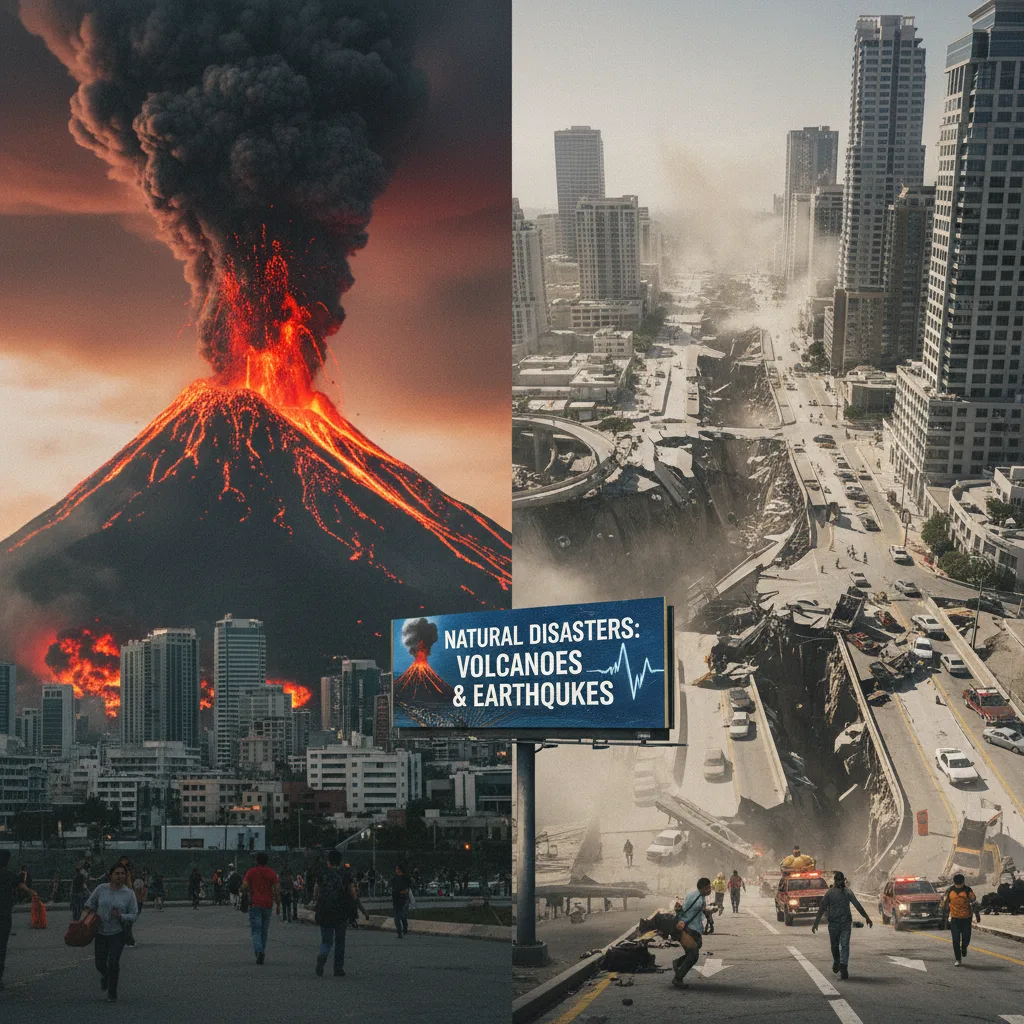
Are Volcanoes & Earthquakes Natural Disasters? Earth's Vital Forces
Are volcanoes and earthquakes 'natural disasters' or vital Earth processes? Discover how these dynamic forces forge continents, recycle elements, and regulate climate, making life possible.
Beyond Catastrophe: Are Volcanoes and Earthquakes Truly “Natural Disasters”?
Imagine a world without mountains, without continents as we know them, a world utterly devoid of the very elements that make life possible. Sound serene? Perhaps. But it would also be a dead world, a static sphere lacking the dynamic processes that forge fertile soil, recycle vital elements, and even regulate our climate. This profound paradox lies at the heart of our understanding of Earth’s most dramatic forces: volcanoes and earthquakes. We label them natural disasters, a shorthand for unimaginable destruction and human suffering. But is that label entirely accurate? Or are we, in our anthropocentric view, missing a fundamental truth about our dynamic planet? Join us on TrendSeek as we delve deep into the Earth’s restless heart to re-examine these colossal phenomena.
The Earth’s Restless Engine: The Unseen Forces Beneath Our Feet
Beneath the seemingly solid ground we stand on, our planet is a churning, vibrant engine. The fundamental driver of both volcanoes and earthquakes is plate tectonics, a scientific revolution in understanding Earth’s geology that emerged in the mid-20th century. Our planet’s outermost layer, the lithosphere, isn’t a single, unbroken shell, but a mosaic of colossal plates – oceanic and continental – constantly grinding, converging, diverging, and sliding past one another. Driven by convection currents in the molten mantle below, these plates move at speeds comparable to the growth of a fingernail, yet their cumulative power is immense.
It’s at the boundaries of these colossal plates that the vast majority of seismic and volcanic activity occurs. The Pacific Ring of Fire, for instance, is a horseshoe-shaped belt around the Pacific Ocean where an astounding 90% of the world’s earthquakes and 75% of its active volcanoes are found. This region is a dramatic testament to the constant subduction of oceanic plates beneath continental ones, a process that melts rock into magma and builds immense pressure.
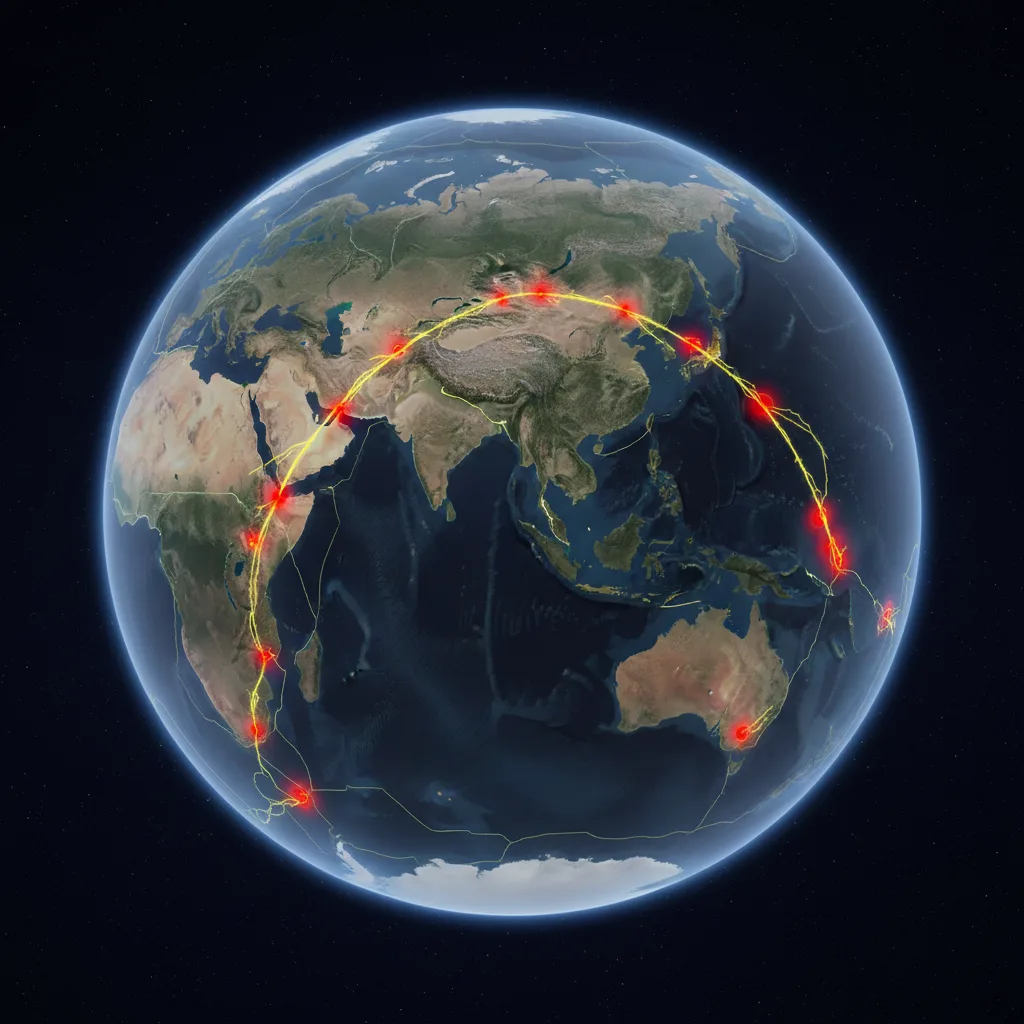
Understanding plate tectonics isn’t just academic; it’s critical to comprehending why our planet is so dynamic. Without this constant internal churning, Earth would be a geologically dead world, much like Mars, devoid of the very processes that have shaped its surface, created its atmosphere, and ultimately, allowed life to flourish. The Earth’s internal heat is not a flaw, but a fundamental characteristic that defines its very existence.
Volcanoes: Architects of Life and Death
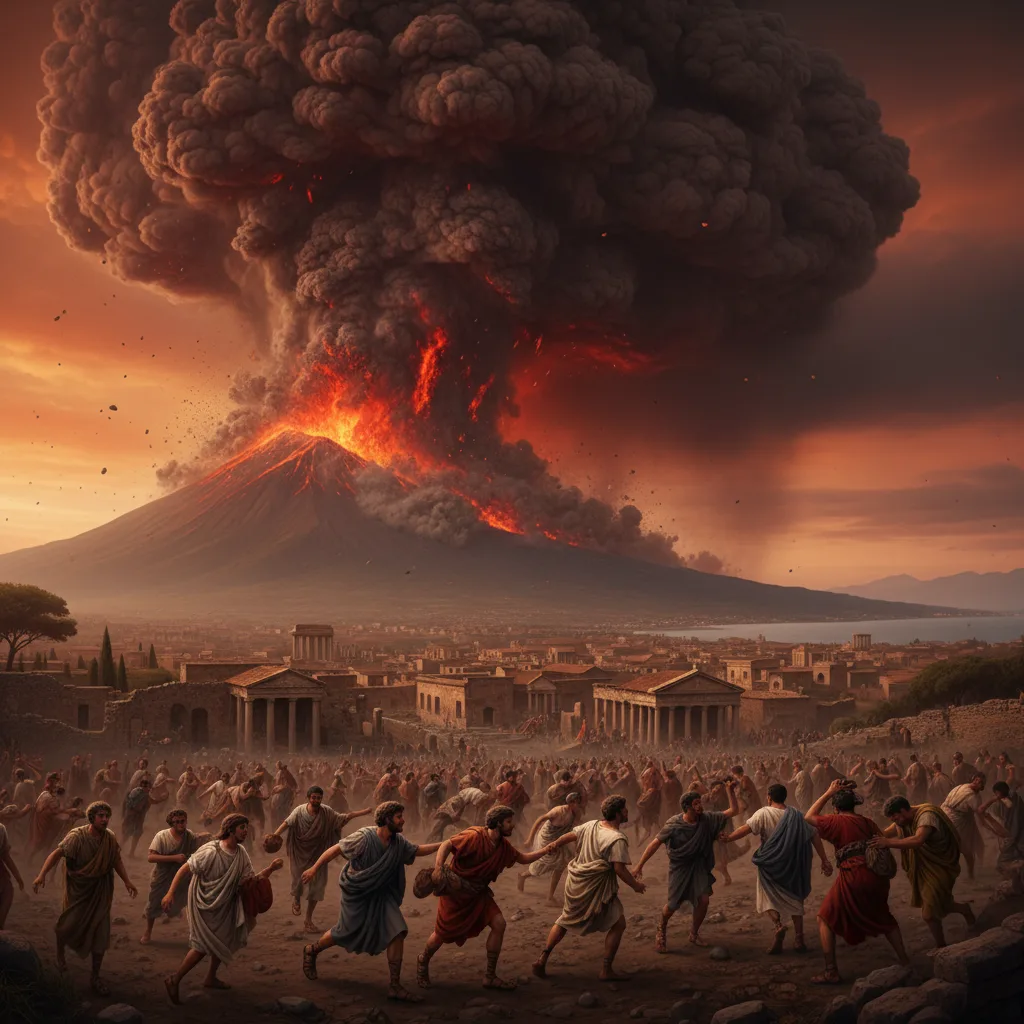
Volcanoes are often depicted as agents of pure destruction, and for good reason. The eruption of Mount Vesuvius in 79 AD famously buried the Roman cities of Pompeii and Herculaneum, preserving a chilling snapshot of daily life frozen in ash. More recently, the 1883 eruption of Krakatoa generated tsunamis that killed tens of thousands and created global climate effects, while the 1991 eruption of Mount Pinatubo in the Philippines cooled global temperatures for a year. These events are undeniably catastrophic, unleashing pyroclastic flows, toxic gases, and ash clouds that devastate landscapes and endanger lives.
Yet, to view volcanoes solely through the lens of disaster is to miss their profound creative role. Volcanic activity has literally built continents and islands, shaping the very landmasses we inhabit. The Hawaiian Islands, for example, are entirely the product of volcanic hotspots, continuously growing and emerging from the Pacific Ocean. The rich, fertile soils found in many agricultural regions, from Italy to Indonesia, are derived from weathered volcanic ash and lava, providing nutrients essential for abundant crops.
Volcanoes are also crucial for cycling elements through Earth’s systems. They release gases like water vapor, carbon dioxide, and sulfur dioxide, which have played a significant role in forming and maintaining our atmosphere and oceans over billions of years. Without this constant outgassing, Earth’s life-sustaining environment simply wouldn’t exist. Thus, while their power can be terrifying, volcanoes are not just destroyers; they are fundamental architects of our living planet.
Earthquakes: The Planet’s Tremors
If volcanoes are the Earth’s fiery breath, then earthquakes are its sudden, shuddering coughs. These violent tremors occur when stress builds up along fault lines – fractures in the Earth’s crust where blocks of rock move past each other. When the accumulated stress exceeds the strength of the rocks, they suddenly slip, releasing enormous amounts of energy in seismic waves that ripple through the ground. The scale of these events can range from imperceptible rumblings to cataclysmic upheavals that reshape entire landscapes in seconds.
The immediate impact of a major earthquake is devastating. The 2010 Haiti earthquake, for instance, claimed an estimated 220,000 lives, largely due to poorly constructed buildings collapsing in the densely populated capital, Port-au-Prince. The 2011 Tohoku earthquake and tsunami off the coast of Japan, a magnitude 9.1 event, not only caused immense ground shaking but also triggered a colossal tsunami that inundated coastal areas, leading to widespread destruction and the Fukushima nuclear disaster. These events highlight the vulnerability of human infrastructure and populations to the raw power of seismic forces.
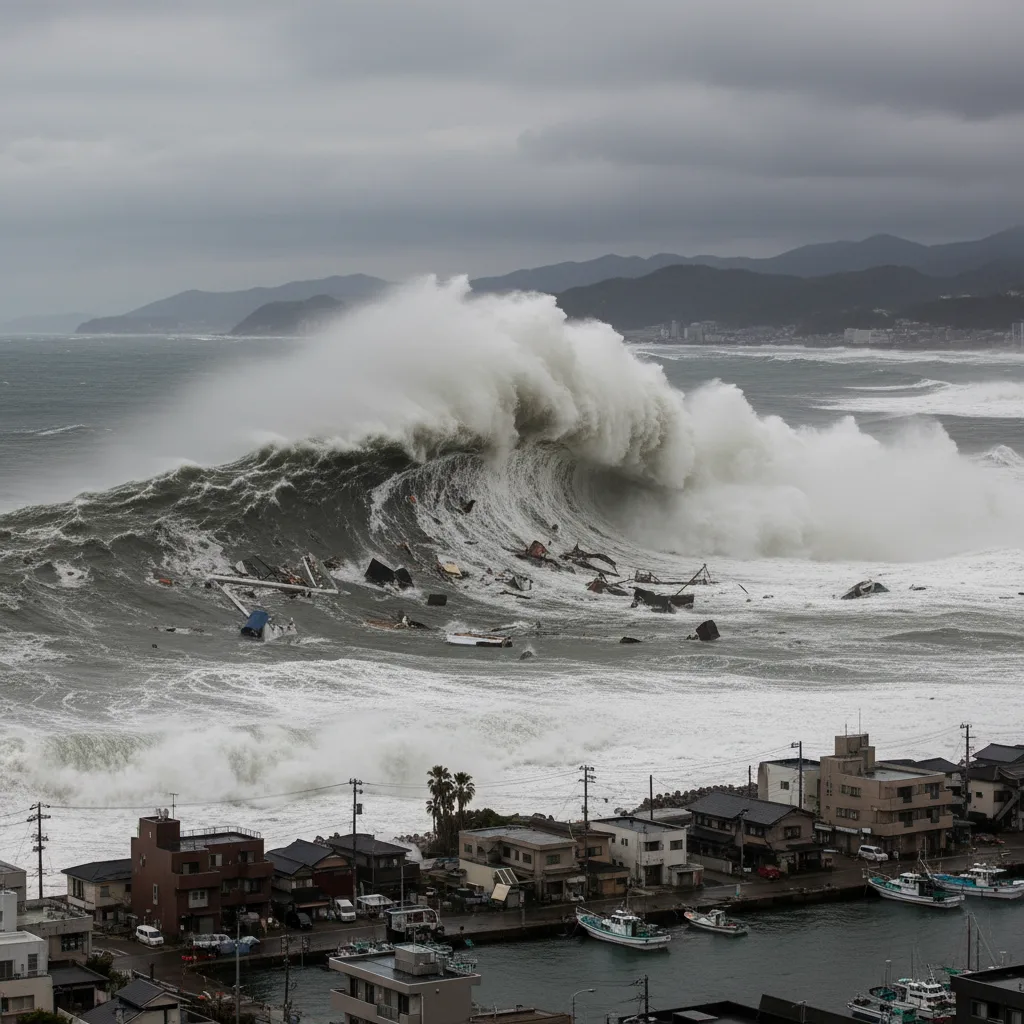
Beyond the immediate destruction, earthquakes can trigger secondary hazards such as landslides, liquefaction (where saturated soil temporarily loses strength and behaves like a liquid), and, most terrifyingly, tsunamis. The energy released by a large underwater earthquake can displace massive volumes of water, generating waves that travel across entire oceans, striking distant coastlines with little warning. The sheer unpredictability and widespread impact of these events keep humanity perpetually on edge, reminding us of the planet’s immense power.
A Question of Perspective: Are Volcanoes and Earthquakes Natural Disasters?
Here’s where the nuance truly begins: are volcanoes and earthquakes natural disasters in the purest sense? From a purely geological perspective, the answer is no. Earthquakes and volcanic eruptions are fundamental, inherent processes of a geologically active planet. They are as natural as rain or sunshine, albeit far more dramatic. The Earth doesn’t choose to erupt or shake; it simply follows the laws of physics and thermodynamics that govern its internal dynamics.
The term “disaster” is inherently anthropocentric, meaning human-centered. A volcanic eruption in an uninhabited part of Antarctica, or a deep-sea earthquake far from any landmass, causes no “disaster” because there are no human lives, infrastructure, or economies to impact. It is only when these natural phenomena intersect with human settlements and activities that they become catastrophic events for us.
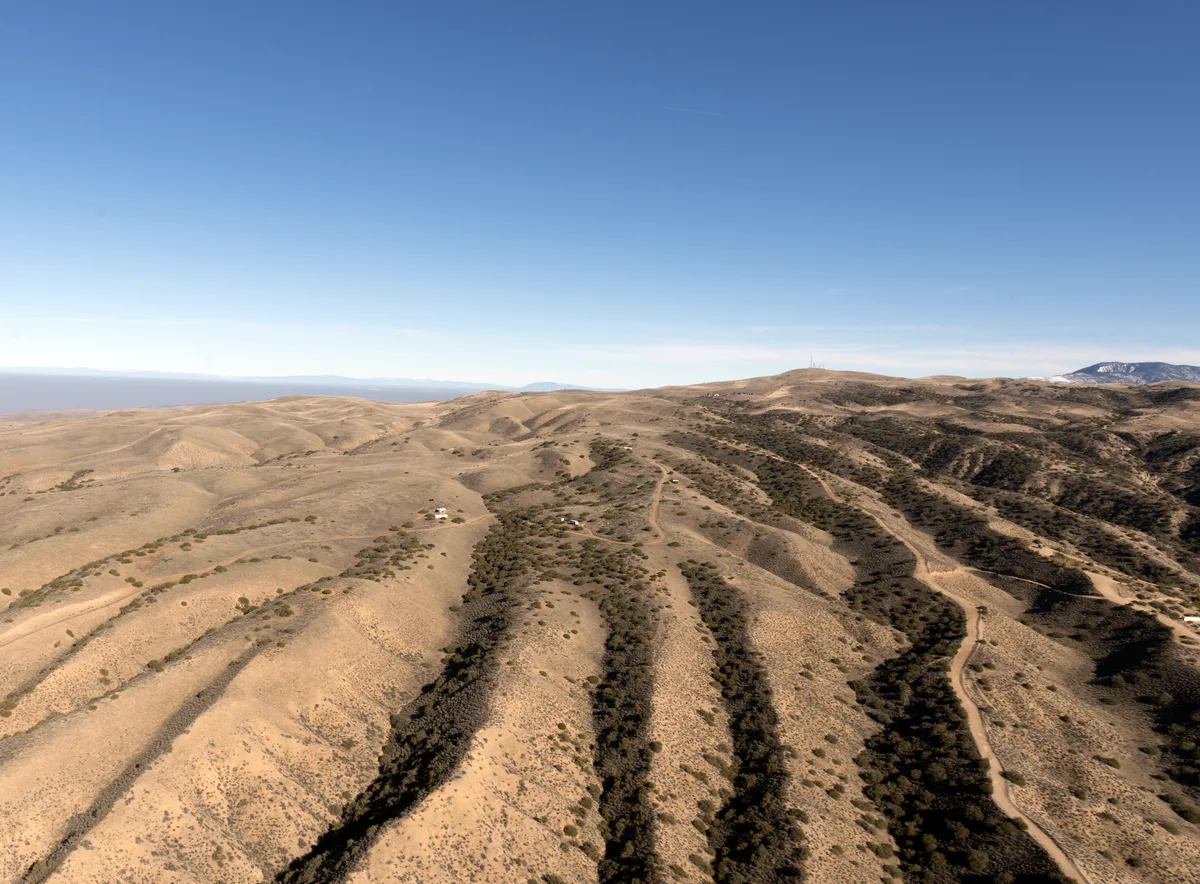 Consider the **San Andreas Fault** in California. It's a massive plate boundary, constantly slipping and building stress. Earthquakes along it are inevitable. The disaster isn't the earthquake itself, but the collapse of buildings, bridges, and power grids in cities like Los Angeles and San Francisco, which are built directly on or near this active fault system. The "disaster" is a consequence of human vulnerability and exposure, rather than an inherent quality of the geological event. This distinction is crucial for how we approach mitigation and preparedness.
Human Vulnerability and Mitigation: Turning Phenomena into Disasters
The true measure of whether an earthquake or volcanic eruption becomes a “disaster” often lies in human choices and preparedness. While we cannot prevent these geological events, we can significantly influence their impact. The tragic death toll of the 2010 Haiti earthquake, compared to the much lower fatalities from the far more powerful 2011 Tohoku earthquake, starkly illustrates this point. Haiti’s poverty, lack of building codes, and fragile infrastructure made it exceptionally vulnerable. Japan, on the other hand, with its stringent building regulations, advanced warning systems, and well-drilled emergency protocols, was far better equipped to withstand a much larger event.
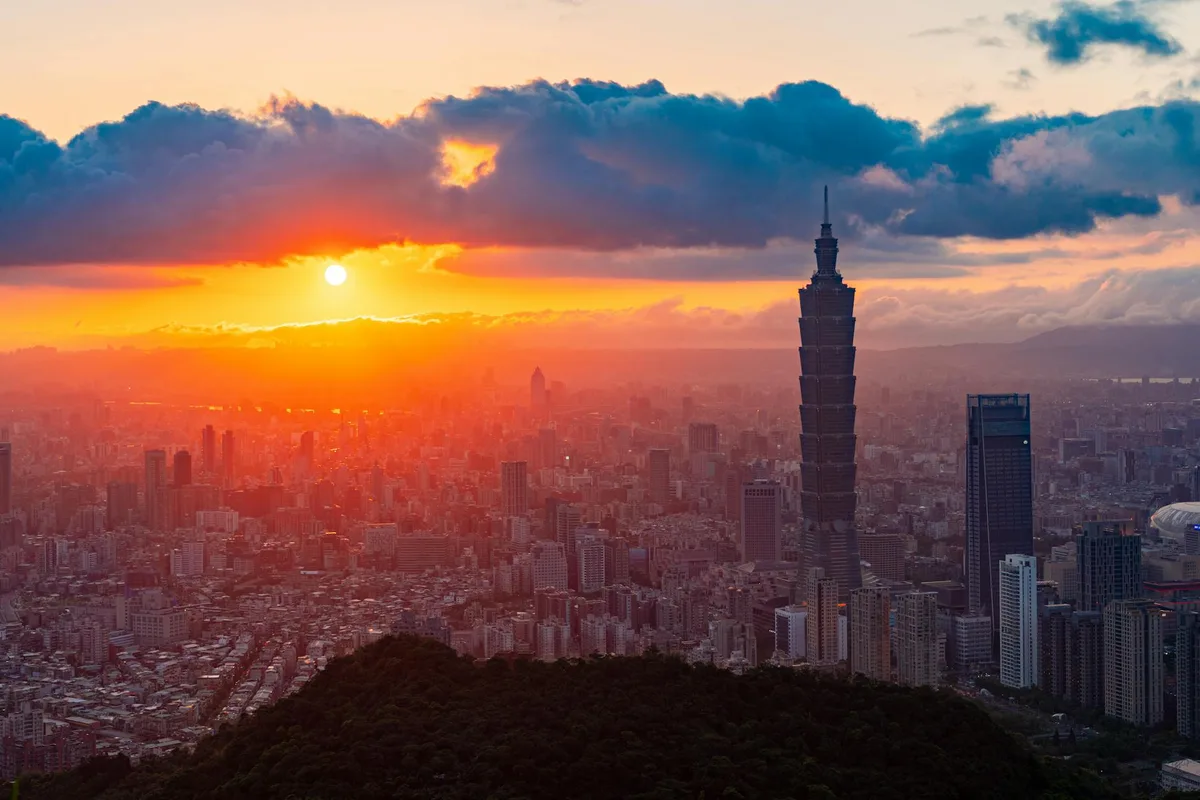 Mitigation strategies range from engineering marvels to community education. In earthquake-prone regions, architects and engineers design **seismic-resistant buildings** that can sway and absorb energy rather than crumble. Early warning systems for tsunamis, like those implemented across the Pacific, buy precious minutes for evacuation. Volcano observatories constantly monitor active volcanoes, using seismometers, gas sensors, and GPS to detect signs of unrest, issuing warnings that can save thousands of lives, as seen with **Mount Pinatubo** in 1991.
However, the challenge is ongoing. Urbanization continues, often pushing human settlements into hazardous zones. Poverty exacerbates vulnerability, as resources for robust infrastructure and effective emergency response are scarce. Our continuous struggle to coexist safely with a dynamic Earth is a testament to the fact that while the geological phenomena are natural, the scale of human suffering they cause is often a reflection of our societal resilience – or lack thereof.
The Long View: Deep Time and Planetary Cycles
To truly grasp the nature of volcanoes and earthquakes, we must adopt a “deep time” perspective, looking beyond human lifespans and even civilization’s history. These processes have been shaping Earth for billions of years, long before the first single-celled organism appeared, let alone complex life. The heat driving plate tectonics is a relic of Earth’s formation, supplemented by radioactive decay within its core. This internal energy has been continuously recycled, creating and destroying crustal material in a grand, planetary cycle.
Volcanic outgassing, over eons, built our early atmosphere and filled our oceans, providing the very ingredients for life itself. The rise and fall of mountain ranges through seismic activity influence weather patterns, create diverse ecosystems, and even played a role in the evolution of species. These forces are not anomalous disruptions; they are the rhythmic pulse of our planet, essential for its ongoing geological and biological evolution.
Without plate tectonics, Earth would likely be a barren, waterless world. The constant recycling of crust prevents our planet from becoming a cold, dead sphere. It replenishes nutrients, creates new land, and drives the carbon cycle, which helps regulate global temperatures. When we stand on a volcanic peak or feel the tremor of an earthquake, we are not witnessing an error in the system, but rather the powerful, ancient mechanisms that have made Earth the unique, vibrant world it is.
Conclusion
So, are volcanoes and earthquakes natural disasters? The answer, as with most profound questions, is nuanced. The geological phenomena themselves – the eruption of magma, the sudden slip of a fault – are unequivocally natural processes, fundamental to the Earth’s dynamic existence. They are not aberrations but the very heartbeat of our planet, responsible for sculpting continents, building mountains, and even nurturing the conditions for life.
The “disaster” aspect, however, is largely a human construct, a measure of the impact these natural forces have on our societies, our infrastructure, and our lives. When these powerful geological events intersect with vulnerable human populations, the consequences can be catastrophic. Our task, then, is not to prevent the inevitable workings of the Earth, but to understand them, respect them, and adapt to them. By building resilience, implementing robust mitigation strategies, and fostering a deeper appreciation for our dynamic planet, we can transform our relationship with these awe-inspiring forces, moving from mere victims to informed cohabitants on a truly living world.
You might also like:
👉 Natural Disasters: Volcanoes, Earthquakes & Tsunamis Explained