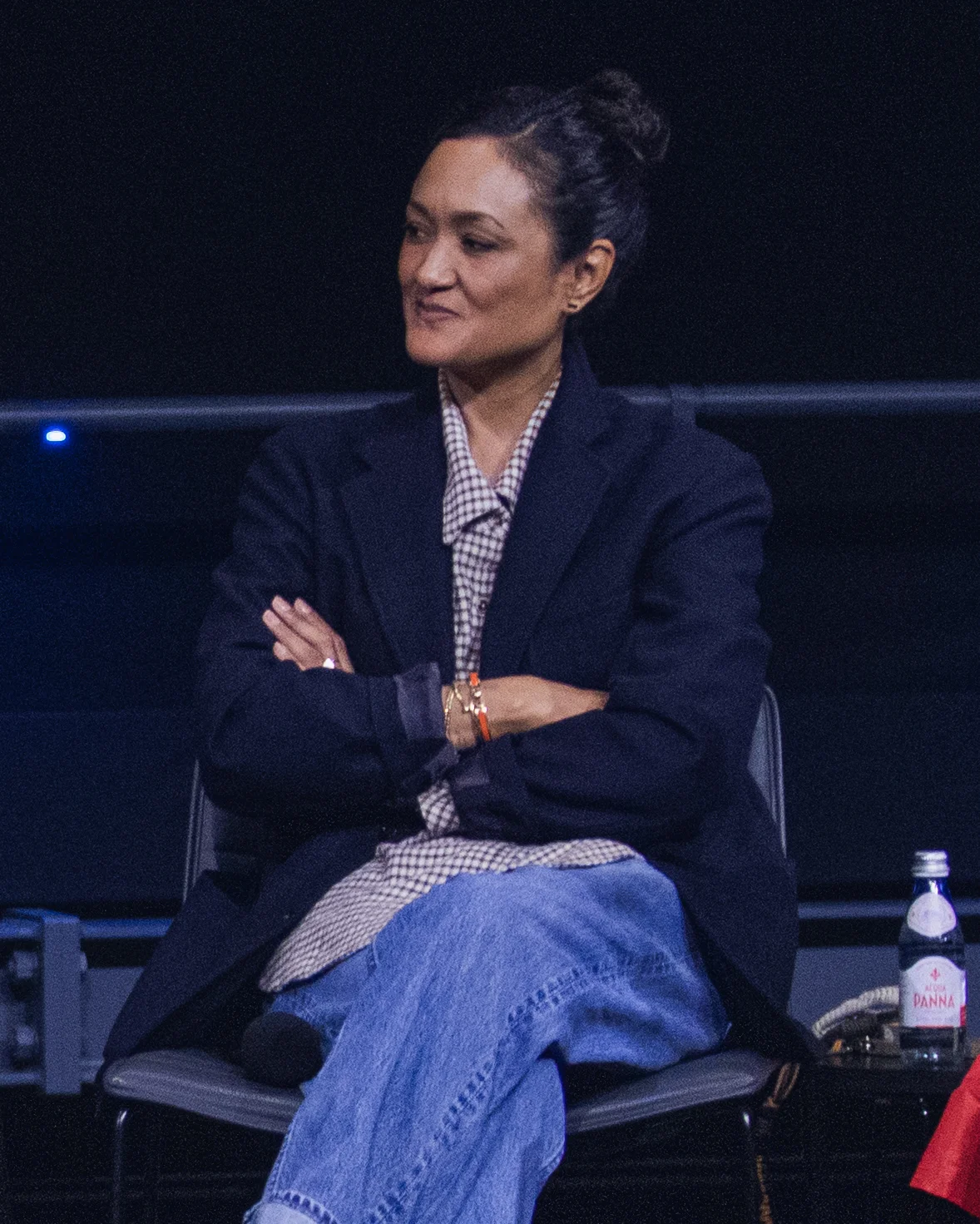
Autumn Durald Arkapaw: Crafting Visual Narratives in Modern Cinema
Explore the influential career of Autumn Durald Arkapaw, the cinematographer quietly shaping modern cinema's visual language, from independent films to major productions.
Autumn Durald Arkapaw: Crafting Visual Narratives in Modern Cinema
What if the most influential visual language of our era wasn’t dictated by the marquee director, but quietly, meticulously sculpted by an unseen hand, a cinematographer whose name, until recently, echoed mainly in the discerning corridors of independent film? This is the compelling hypothesis we must confront when examining the ascendant career of Autumn Durald Arkapaw, a director of photography whose work has subtly, yet profoundly, reshaped modern cinematic storytelling. Her journey, from the intimate, sun-drenched indie landscapes to the sprawling, technologically advanced realms of blockbuster franchises, reveals not just a mastery of light and shadow, but an audacious commitment to emotional truth in every frame. To truly understand the evolving visual grammar of contemporary film and television, we must pull back the curtain on the woman behind the lens, whose unique vision has become an indispensable component of some of the most critically acclaimed and culturally significant projects of the last decade.
The Unseen Architect: Forging a Path in a Man’s World
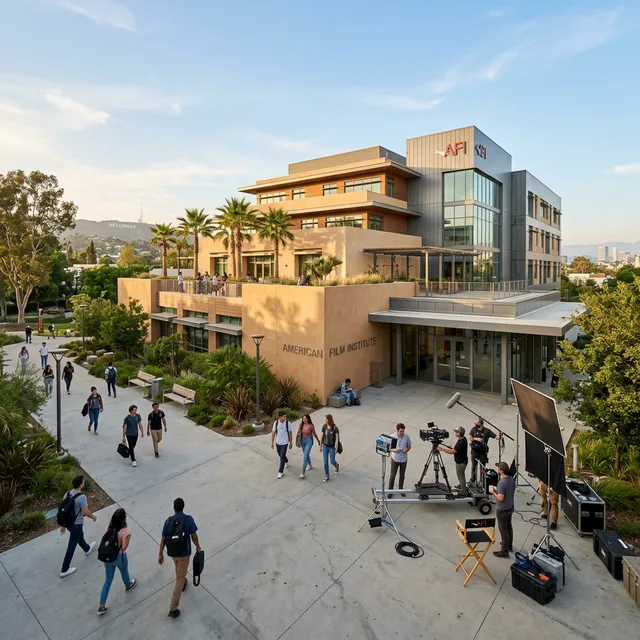 Born in 1979, Autumn Durald Arkapaw’s trajectory into the notoriously insular world of cinematography was anything but conventional, especially for a woman in an industry historically dominated by men. Her initial foray wasn't a sudden burst onto the scene, but a deliberate, almost academic immersion. She honed her craft at the **American Film Institute (AFI)**, graduating from its prestigious cinematography program in 2006. This period, often overlooked, was her crucible, where she absorbed the technical exigencies of the medium while simultaneously developing her unique artistic philosophy – a commitment to naturalism and emotional resonance over ostentatious flair. Her early shorts and documentaries, though not widely publicized, laid the foundational stones for a visual sensibility that would soon captivate audiences and critics alike.
Her first feature film credit, “Main Street” (2010), starring Orlando Bloom and Colin Firth, served as an early indicator of her prowess. Working with director John Doyle, Arkapaw navigated the subdued, character-driven narrative with a quiet elegance, demonstrating an innate ability to translate complex emotional states into visual language. This project, while not a box office hit, showcased her capacity to create an evocative atmosphere, a skill that would become her hallmark. It was a baptism by fire, forcing her to make difficult creative choices with limited resources, a common challenge in independent cinema that often forges the most resilient artists.
The true turning point, however, arrived with Gia Coppola’s “Palo Alto” (2013). Here, Arkapaw’s visual voice emerged with undeniable clarity. The film, a raw, melancholic portrayal of suburban adolescence, benefited immensely from her intimate, almost voyeuristic camerawork. She utilized available light to craft sun-drenched, dreamlike sequences that felt simultaneously nostalgic and unsettling, perfectly mirroring the film’s themes of innocence lost and burgeoning disillusionment. This collaboration with Coppola not only earned her critical acclaim but firmly established her as a cinematographer capable of elevating narrative through a distinct, emotionally charged aesthetic, setting the stage for a career that would consistently push visual boundaries.
Defining the “Durald Aesthetic”: Crafting Visual Narratives with Light and Intimacy
The “Durald Aesthetic” is not merely a collection of technical preferences; it is a philosophy that prioritizes emotional authenticity and psychological depth, crafting visual narratives that resonate long after the credits roll. Her signature style is characterized by a profound respect for natural light, often eschewing elaborate setups for a more organic, almost documentary-like feel. This approach lends her work an undeniable intimacy, drawing viewers into the characters’ inner worlds with an unvarnished honesty. She masterfully employs shallow depth of field, allowing faces and key emotional details to emerge from softly blurred backgrounds, mimicking the way human memory often foregrounds experience.
Consider her work on “The Land” (2016), where she navigated the gritty realities of Cleveland’s skateboarding scene with a visual poetry that imbued the urban landscape with both harshness and a strange beauty. Arkapaw’s camera didn’t just observe; it felt like a silent participant, capturing the sweat, the struggle, and the fleeting triumphs of its young protagonists. Her color palettes, too, are meticulously chosen, often leaning towards desaturated tones that evoke a sense of melancholy or a vibrant, almost hyper-real saturation when the narrative demands it, always in service of the story’s emotional arc.
Beyond features, her impact on television has been equally transformative. In “Homecoming” (2018), she collaborated with director Sam Esmail, translating his distinctive visual grammar into a claustrophobic, paranoid thriller. Arkapaw’s precise framing, often employing symmetrical compositions and unsettling close-ups, mirrored the psychological unraveling of the characters. Her ability to adapt her core aesthetic to different directorial visions, while still maintaining her distinct imprint, speaks volumes about her versatility and her deep understanding of visual storytelling. This adaptability is a testament to her technical fluency and her profound respect for the collaborative process, allowing her to serve the story without sacrificing her artistic integrity.
The Atlanta Enigma: Subverting Expectations with Autumn Durald Arkapaw
Perhaps no project exemplifies Autumn Durald Arkapaw’s audacious visual storytelling more than the first two seasons of FX’s “Atlanta” (2016-2018). Here, under the visionary guidance of creator Donald Glover and director Hiro Murai, Arkapaw was given a canvas unlike any other, tasked with translating a unique blend of surrealism, social commentary, and grounded reality into a coherent, yet consistently surprising, visual language. Her work on “Atlanta” was nothing short of revolutionary for television, challenging the very notion of what a half-hour comedy-drama could look like.
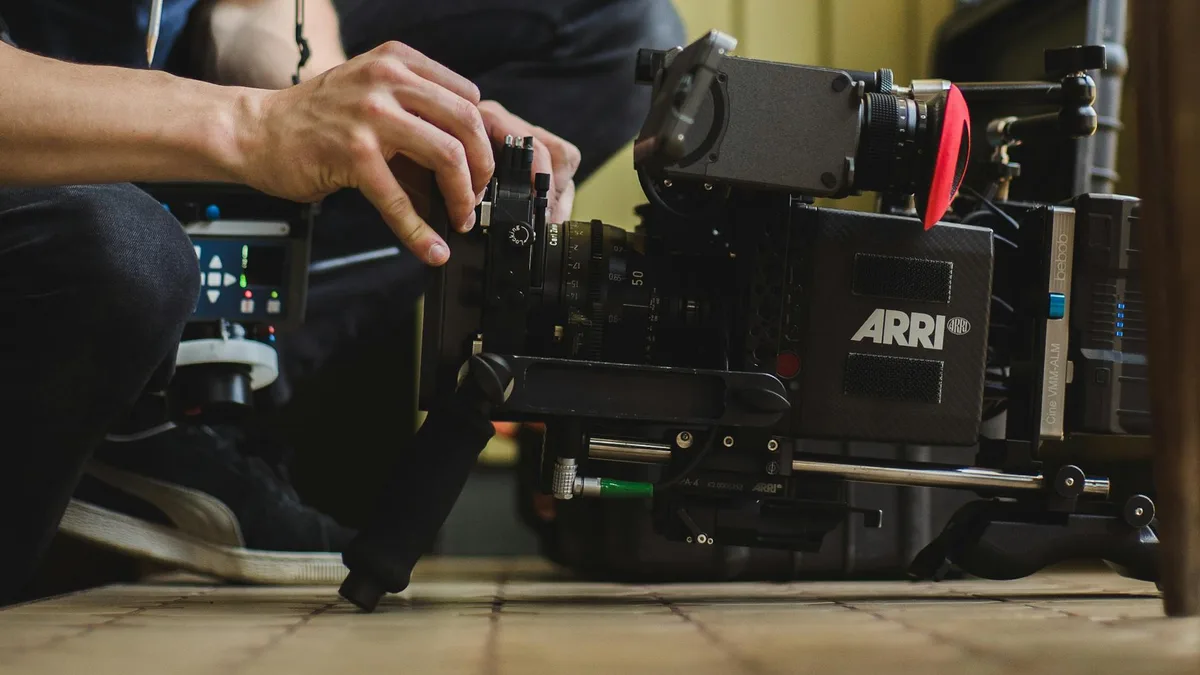 Arkapaw's approach to "Atlanta" was a masterclass in controlled chaos. She embraced available light and naturalistic settings, often shooting on location in real Atlanta neighborhoods, lending the show an undeniable authenticity. Yet, within this realism, she conjured moments of profound visual abstraction and unsettling beauty. Her use of wide-angle lenses in certain scenes created a sense of expansive isolation, while tightly framed close-ups heightened the emotional intensity of character interactions. The show's distinctive "film look" – a deliberate choice to shoot on an **Arri Alexa Mini** with vintage anamorphic lenses – was a direct result of Arkapaw's vision, giving "Atlanta" a cinematic texture rarely seen on the small screen.
The visual grammar of “Atlanta” became a character in itself, oscillating between the mundane and the dreamlike. From the stark, almost haunting beauty of the empty streets in “B.A.N.” to the vibrant, yet unsettling, energy of the club scenes, Arkapaw ensured that every frame contributed to the show’s unique, often ambiguous, tone. Her departure after Season 2, a subject of much industry discussion, marked a distinct shift in the show’s visual style. While later seasons maintained high quality, many critics and fans observed a subtle but noticeable change in the aesthetic, cementing Arkapaw’s indelible mark on the series and underscoring her role as an essential architect of its initial, groundbreaking visual identity. Her work on “Atlanta” remains a benchmark for innovative television cinematography.
Beyond the Indie Screen: Navigating Blockbusters and Mainstream Cinema
The transition from independent darlings to tentpole productions often presents a formidable challenge for cinematographers: how to maintain a distinct artistic voice amidst the colossal demands and standardized aesthetics of studio blockbusters. Autumn Durald Arkapaw’s recent venture into the Marvel Cinematic Universe with “Black Panther: Wakanda Forever” (2022) provides a fascinating case study in this very dilemma. Replacing the original film’s cinematographer, Rachel Morrison, Arkapaw faced immense pressure to both honor the established visual identity of Wakanda and infuse it with her own unique sensibility, particularly in the wake of Chadwick Boseman’s passing and the film’s somber tone.
Her approach to “Wakanda Forever” was a testament to her versatility and her unwavering commitment to narrative emotion. While the film naturally demanded large-scale action sequences and extensive visual effects, Arkapaw deftly anchored these spectacle moments with her signature humanistic touch. She leaned into rich, saturated colors for the fantastical elements of Wakanda and Talokan, yet employed a more subdued, naturalistic palette for the film’s more intimate, character-driven moments of grief and introspection. This duality allowed the film to feel both epic and deeply personal, a difficult balance to strike in a franchise known for its grandiosity.
Industry insiders note that Arkapaw’s collaboration with director Ryan Coogler was crucial. Her ability to translate Coogler’s vision for a more elegiac, water-centric narrative into a compelling visual language demonstrates her profound collaborative skills. She eschewed overly stylized camerawork for a more fluid, immersive experience, particularly in the underwater sequences, which required innovative lighting and camera techniques. “Wakanda Forever” grossed over $859 million worldwide, proving that her artistic integrity could not only survive but thrive within the commercial behemoth of Hollywood, earning her widespread praise for her ability to maintain a consistent emotional core amidst the spectacle.
The Collaborative Crucible: Director-DP Dynamics and the Invisible Art
The role of a cinematographer, often dubbed the “director’s right hand,” is fundamentally collaborative, a symbiotic relationship where visual ideas are forged in a crucible of shared vision and mutual trust. Autumn Durald Arkapaw’s success hinges significantly on her exceptional ability to form deep, productive partnerships with directors, translating their abstract concepts and emotional intentions into concrete visual realities. Her work ethic is characterized by meticulous preparation and open communication, ensuring that the camera serves the story, rather than overshadowing it.
Her long-standing collaboration with Gia Coppola on projects like “Palo Alto” and “Mainstream” (2020) exemplifies this dynamic. Coppola has often spoken about Arkapaw’s intuitive understanding of her vision, describing their process as a seamless blending of minds. Arkapaw possesses a rare ability to anticipate a director’s needs, often suggesting visual solutions that enhance the narrative in unexpected ways. This proactive approach, coupled with her calm demeanor on set, creates an environment where creative risks can be taken, and groundbreaking visuals can emerge.
Moreover, Arkapaw is known for her keen eye in empowering actors through lighting and framing. She understands that the camera’s position and the quality of light can profoundly impact a performance, enhancing vulnerability or strength. Actors often praise her ability to make them feel comfortable and seen, allowing them to deliver their most authentic portrayals. This humanistic approach to cinematography, where the technical mastery serves the emotional truth of the performance, is a hallmark of her work. It’s an invisible art, often unrecognized by the casual viewer, but utterly crucial to the overall impact of a film or series. Her ability to connect with diverse directorial voices, from the indie sensibilities of Coppola to the blockbuster demands of Coogler, speaks to a profound understanding of storytelling itself.
The Future Frame: Innovations, Influence, and Autumn Durald Arkapaw’s Enduring Legacy
As the cinematic landscape continues its rapid evolution, embracing new technologies and diverse voices, Autumn Durald Arkapaw stands at the forefront, not merely adapting to change but actively shaping it. Her influence extends beyond her individual projects; she is a trailblazer, particularly for women and underrepresented groups in cinematography. In an industry still struggling with diversity, her ascent to major studio productions serves as a powerful testament to talent transcending traditional barriers. She actively participates in mentorship programs and speaks out about the importance of inclusivity, recognizing that diverse perspectives behind the camera lead to richer, more authentic stories on screen.
Looking ahead, Arkapaw continues to push boundaries. Her recent work on “Teenage Mutant Ninja Turtles: Mutant Mayhem” (2023), an animated feature, showcases her willingness to experiment with different mediums and styles. While a departure from live-action, her involvement likely influenced the film’s visual tone and how light and shadow were used to evoke emotion and atmosphere in the animated world. This move demonstrates her desire to explore visual storytelling in its myriad forms, proving that her aesthetic principles are not confined to a single format.
The legacy Autumn Durald Arkapaw is building is one of quiet revolution. She has consistently demonstrated that profound visual artistry can exist across the spectrum of filmmaking, from the most intimate indie dramas to the grandest superhero epics. Her commitment to authenticity, emotional resonance, and collaborative spirit has not only enriched individual films and series but has also broadened the visual vocabulary of modern cinema. As new technologies like virtual production and AI-driven tools emerge, it is cinematographers like Arkapaw, with their deep understanding of fundamental visual principles and their unwavering artistic integrity, who will guide the industry towards its next era of innovation, ensuring that the craft of crafting visual narratives remains deeply human.
FAQ Section
Q1: What is Autumn Durald Arkapaw’s signature visual style? A1: Her signature style is characterized by a deep commitment to naturalism, often using available light, intimate framing, and a focus on emotional authenticity. She employs shallow depth of field to highlight characters and often uses carefully chosen color palettes to evoke specific moods, creating a sense of psychological depth and immersion.
Q2: How did Autumn Durald Arkapaw impact the visual identity of “Atlanta”? A2: Arkapaw was instrumental in defining “Atlanta“‘s unique visual language for its first two seasons. She blended realism with surrealism, using natural light, specific lens choices (like vintage anamorphic lenses), and a distinct “film look” to create an atmosphere that was both grounded in reality and prone to dreamlike abstraction, making the show a visual benchmark for television.
Q3: What challenges did she face transitioning from independent films to blockbusters like “Black Panther: Wakanda Forever”? A3: The main challenge was maintaining her distinct artistic voice within the massive scale and established aesthetics of a studio franchise. She navigated this by anchoring the spectacle with her signature humanistic touch, using nuanced lighting and framing to convey the film’s themes of grief and introspection, while still delivering grand, visually impressive sequences.
Q4: Has Autumn Durald Arkapaw received any notable awards or recognition for her work?
 A4: While she has not yet won a major individual award like an Oscar or Emmy, her work has consistently garnered critical acclaim and industry recognition. She is a member of the American Society of Cinematographers (ASC), a prestigious invitation-only organization, and her projects frequently receive nominations and accolades for their cinematography, such as "Black Panther: Wakanda Forever" receiving multiple cinematography awards nominations.
Autumn Durald Arkapaw’s journey is a powerful narrative of artistic integrity meeting mainstream demand. From the sun-drenched indie landscapes of “Palo Alto” to the epic underwater realms of “Wakanda Forever,” she has consistently proven that authenticity and emotional depth are paramount. Her work not only enriches the visual lexicon of modern cinema but also stands as a beacon for aspiring cinematographers, particularly women, demonstrating that the most impactful stories are often told with the most profound visual honesty. Her influence is undeniable, her vision indelible.
You might also like:
👉 The Unseen Architects: Unveiling the 10 Most Important People in US History
👉 100 Most Influential People: Shapers of Human History & Future
👉 Michael Hart’s 100 Most Influential: Architects of History