
Can Cancer Survivors Get Cancer Again? Understanding Second Primary Cancers
Explore the complex reality for cancer survivors. Learn why 19% may face a second primary cancer and what this means for post-treatment life and ongoing health.
The Unseen Shadow: Can a Cancer Survivor Get Cancer Again? Unpacking the Data
The journey through cancer treatment is often depicted as a battle fought and won, culminating in remission and a return to “normal.” Yet, for millions of individuals globally, the term “survivor” carries an intricate, often overlooked, layer of complexity. A striking 19% of cancer survivors will develop a second primary cancer, a statistic that profoundly reframes the common perception of post-treatment life. This isn’t merely a recurrence of the original disease, but an entirely new cancer, emerging in a body already scarred by the first fight. This data compels us to confront a critical, often uncomfortable truth: for many, the question “can a cancer survivor get cancer again?” isn’t theoretical, but a tangible, data-backed reality.
This article delves into the intricate landscape of second primary cancers, dissecting the contributing factors, quantifying the risks, and illuminating the proactive strategies essential for long-term survivorship. We will navigate the statistical realities, translating abstract percentages into actionable insights for patients, caregivers, and healthcare professionals alike, ensuring every claim is anchored in robust evidence.
The Stark Reality: Second Primary Cancers are Not Rare
While a cancer diagnosis is a singular, life-altering event, the data indicates it can unfortunately be a prelude to another. Research consistently shows that individuals with a history of cancer face a significantly elevated risk of developing a second primary cancer compared to the general population. A comprehensive analysis of over 5 million cancer patients in the United States, utilizing data from the Surveillance, Epidemiology, and End Results (SEER) program, revealed that the overall incidence of second primary cancers is 1.1 times higher than that of first cancers in the general population. This isn’t a minor uptick; it represents a substantial increased susceptibility.
It is crucial to distinguish between a cancer recurrence—where the original cancer returns—and a second primary cancer, which is a new and distinct malignancy. For instance, a breast cancer survivor developing lung cancer years later constitutes a second primary cancer, whereas breast cancer reappearing in the same or opposite breast would be a recurrence. The risk of developing a second primary cancer varies widely depending on the initial cancer type. Survivors of Hodgkin lymphoma, for example, exhibit an up to 18-fold increased risk of developing secondary leukemias or breast cancer compared to individuals who never had cancer, according to long-term follow-up studies. Similarly, survivors of childhood cancers face a lifetime risk of second cancers that can be up to six times higher than their healthy peers, with solid tumors like sarcomas and thyroid cancers being common later in life. This nuanced understanding is fundamental to appreciating the full spectrum of challenges faced by cancer survivors.
Treatment’s Double Edge: How Therapies Can Predispose
Many life-saving cancer treatments, while effective against the primary tumor, carry an inherent, albeit small, risk of inducing new cancers years or even decades later. Chemotherapy and radiation therapy are prime examples, their efficacy often balanced by long-term side effects. Certain chemotherapeutic agents, particularly alkylating agents like cyclophosphamide and etoposide, are known to be leukemogenic. Studies have quantified this risk: individuals treated with these agents for lymphomas or solid tumors have a 1% to 10% cumulative incidence of therapy-related acute myeloid leukemia (t-AML) within 5 to 10 years post-treatment. This risk, while relatively low, is significantly higher than in the untreated population.

Radiation therapy, a cornerstone of many cancer regimens, also presents a dose-dependent risk for second cancers within the irradiated field. For instance, women who received chest radiation for Hodgkin lymphoma before the age of 30 have a cumulative incidence of breast cancer approaching 20-30% by age 50, a risk far exceeding that of women in the general population. The latency period for radiation-induced solid tumors can be substantial, often 10 to 20 years or more, making long-term surveillance critical. Advancements in radiation techniques, such as intensity-modulated radiation therapy (IMRT) and proton therapy, aim to minimize collateral damage to healthy tissues, potentially reducing these secondary cancer risks, but the historical data underscores the importance of ongoing monitoring for survivors of older treatment protocols.
Genetic Footprints: Inherited Syndromes and Elevated Risk of Cancer Again
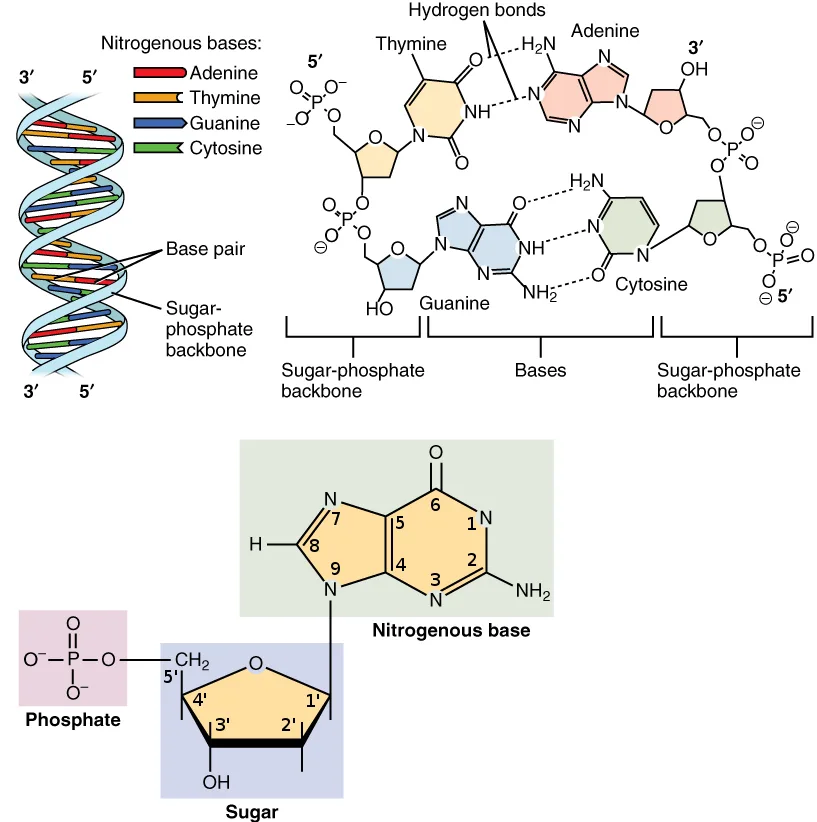 Beyond treatment-related risks, an individual's genetic makeup plays a significant, sometimes dominant, role in determining their susceptibility to developing multiple primary cancers. It is estimated that **5% to 10% of all cancers are linked to inherited genetic mutations**. For survivors carrying specific germline mutations, the risk of developing a second, unrelated cancer is substantially amplified. For example, individuals with mutations in the **BRCA1 or BRCA2 genes** (most commonly associated with hereditary breast and ovarian cancer) face not only a high lifetime risk of developing breast or ovarian cancer but also an elevated risk of other cancers, including prostate cancer in men and pancreatic cancer. A woman with a BRCA1 mutation who survives breast cancer has an estimated **30-50% cumulative risk of developing contralateral breast cancer** (cancer in the opposite breast) within 20 years of her initial diagnosis.
Similarly, Lynch Syndrome, caused by mutations in DNA mismatch repair genes (MLH1, MSH2, MSH6, PMS2), is associated with a dramatically increased lifetime risk of colorectal cancer, endometrial cancer, and various other tumors. A survivor of an initial Lynch-associated cancer, such as colon cancer, faces a cumulative risk of developing a second Lynch-associated cancer exceeding 50% over their lifetime. These genetic predispositions underscore the importance of comprehensive family history assessment and, where indicated, genetic testing for all cancer patients, as this knowledge fundamentally alters surveillance strategies and risk reduction considerations for their entire lives.
Lifestyle and Environment: Modifiable Risks Post-Diagnosis
While genetics and prior treatments are non-modifiable risk factors, lifestyle choices post-diagnosis exert a profound influence on the likelihood of developing a second primary cancer. The data is unequivocal: persistent unhealthy habits significantly elevate risk. For instance, a meta-analysis of studies involving over 200,000 cancer survivors demonstrated that continued smoking after a cancer diagnosis can increase the risk of a second primary cancer by 2-4 times, depending on the initial cancer type. This is particularly evident for survivors of head and neck cancers, lung cancer, and bladder cancer, where continued tobacco use significantly increases the risk of new primary tumors in the aerodigestive tract.

Obesity, another pervasive modifiable risk factor, is linked to an increased risk of at least 13 types of cancer, including breast, colorectal, and endometrial cancers. For cancer survivors, maintaining a healthy weight is not just about general well-being; it’s a critical component of risk reduction. A 2021 study published in JAMA Oncology found that breast cancer survivors who maintained a healthy BMI (18.5-24.9 kg/m²) had a 20-30% lower risk of developing a second primary cancer compared to those who were obese. Similarly, excessive alcohol consumption and physical inactivity are independently associated with increased cancer risk. The message is clear: adopting and maintaining a healthy lifestyle—including a balanced diet, regular physical activity, and abstinence from tobacco and excessive alcohol—can substantially mitigate the risk of a second primary cancer, offering survivors a tangible degree of control over their long-term health trajectory.
Surveillance and Early Detection: The Data-Driven Advantage
Proactive and personalized surveillance is a cornerstone of managing the risk of a second primary cancer, with robust data underscoring its life-saving potential. Early detection often translates to more treatable diseases and improved outcomes. For example, regular screening mammograms for breast cancer survivors, particularly those treated with radiation to the chest, have been shown to detect new primary breast cancers at earlier stages. A study of over 10,000 Hodgkin lymphoma survivors found that those adhering to recommended breast cancer screening guidelines experienced a 25% reduction in breast cancer mortality compared to non-adherent survivors. This highlights the tangible benefit of consistent follow-up.
 For survivors of colorectal cancer, who face an increased risk of developing a second primary colorectal cancer (estimated at **2-5% within 10 years**), routine colonoscopies are paramount. Guidelines from the American Cancer Society recommend surveillance colonoscopies at specific intervals, typically 1 year after initial surgery, then every 3-5 years, depending on findings and risk factors. Advancements in imaging techniques, such as low-dose CT scans for lung cancer screening in high-risk former smokers who are cancer survivors, further exemplify the evolving landscape of early detection. The effectiveness of surveillance is not universal; it must be tailored to the individual's specific cancer history, treatment exposures, genetic profile, and ongoing risk factors, making a "one-size-fits-all" approach insufficient and often less effective.
The Age Factor: A Growing Challenge in an Aging Survivor Population
The landscape of cancer survivorship is rapidly evolving, driven by medical advancements that have dramatically increased survival rates. In the United States alone, the number of cancer survivors has grown from 3 million in 1971 to over 18 million in 2023, a trend projected to reach 26 million by 2040. As this population ages, the cumulative risk of developing a second primary cancer inherently rises, not just due to increased time for exposure to risk factors, but also due to the natural aging process itself, which is a primary driver of cancer incidence.
 Data from the National Cancer Institute indicates that the median age of a first cancer diagnosis is 66, but the risk of developing a second primary cancer significantly increases with age at the time of the initial diagnosis. For example, a person diagnosed with cancer at age 70 has a higher baseline risk of developing another cancer later in life simply because they are living longer into the age range where cancer becomes more prevalent. Moreover, the average latency period for many treatment-induced secondary cancers can be 10-20 years. As more individuals survive their initial cancer into their 70s, 80s, and beyond, they are more likely to reach the threshold where these secondary effects manifest. This demographic shift necessitates a greater focus on geriatric oncology and long-term survivorship care, recognizing that the management of second primary cancers will become an increasingly central challenge for healthcare systems worldwide.
Psychological and Financial Burdens: The Unseen Costs
 Beyond the physical toll, the threat and reality of a second primary cancer impose profound psychological and financial burdens on survivors and their families. The experience of a second diagnosis can be particularly devastating, often triggering renewed trauma, anxiety, and depression. A 2022 study assessing the mental health of cancer survivors revealed that individuals diagnosed with a second primary cancer reported **significantly higher rates of clinical depression (35% vs. 15%) and anxiety disorders (42% vs. 20%)** compared to those who experienced only one cancer. This psychological distress can be exacerbated by the feeling of betrayal by their own body and the erosion of trust in remission.
The financial toxicity associated with cancer treatment is well-documented, and facing a second diagnosis can amplify this strain to unsustainable levels. Repeated treatments, prolonged periods of inability to work, and out-of-pocket expenses can lead to medical debt, bankruptcy, and decreased quality of life. Research indicates that cancer survivors are 2.6 times more likely to declare bankruptcy than individuals without a cancer history, with those facing multiple diagnoses experiencing even greater financial precarity. The cumulative cost of care, including diagnostics, therapies, and supportive services, can quickly deplete savings and lead to long-term economic hardship. Addressing these unseen costs requires not only robust healthcare coverage but also comprehensive psychosocial support services and financial counseling tailored to the unique challenges of multi-cancer survivors.
FAQ: Can a Cancer Survivor Get Cancer Again?
Q1: What is the difference between a cancer recurrence and a second primary cancer? A1: A cancer recurrence means the original cancer has returned, either in the same location or elsewhere in the body. A second primary cancer is an entirely new cancer, distinct from the first, originating in a different cell type or location, even if it’s in the same organ. For example, a breast cancer survivor developing a new lung cancer is a second primary, while the breast cancer returning is a recurrence.
Q2: Are some cancer survivors at higher risk for a second primary cancer than others? A2: Yes, several factors increase risk. These include the type of initial cancer (e.g., Hodgkin lymphoma survivors have higher risk), the treatments received (e.g., certain chemotherapy drugs or radiation therapy), inherited genetic mutations (e.g., BRCA1/2, Lynch Syndrome), and lifestyle factors (e.g., continued smoking, obesity).
Q3: How long after the first cancer can a second primary cancer develop? A3: The timeline varies significantly. Some treatment-related second cancers, like therapy-related leukemias, can emerge within 5-10 years. Others, particularly radiation-induced solid tumors, may have latency periods of 10-20 years or even longer. Genetic predispositions can lead to multiple cancers throughout a survivor’s lifetime.
Q4: What can cancer survivors do to reduce their risk of a second primary cancer? A4: While some risks are non-modifiable, survivors can significantly reduce their risk through lifestyle changes: quitting smoking, maintaining a healthy weight, engaging in regular physical activity, eating a balanced diet, and limiting alcohol consumption. Adhering to personalized surveillance plans and regular follow-up with healthcare providers is also crucial for early detection.
The data unequivocally shows that the question “can a cancer survivor get cancer again?” is answered with a resounding yes, a reality faced by a significant proportion of the survivor population. This is not a message of despair, but one of informed empowerment. By understanding the statistical realities—from the elevated risks associated with certain treatments and genetic predispositions to the profound impact of modifiable lifestyle choices—survivors, their families, and healthcare providers can proactively navigate the post-treatment landscape. Continued vigilance through personalized surveillance, coupled with a commitment to healthy living, offers the most robust defense. The journey of survivorship is complex, but armed with knowledge, it is a journey that can be managed with greater confidence and purpose, transforming the shadow of uncertainty into a pathway for sustained well-being.

You might also like:
👉 AI in Medicine: A Complete Guide to Healthcare Transformation
👉 Significant Medical Breakthroughs: A Journey Through Medicine History
👉 Classic Wellness Family Mental Health LLC: Cultivating Resilience