CDC's Invisible Hand: The Truth About Global Quarantine
Forget uniformed officers at airports. The CDC's true power in global migration and quarantine lies in unseen work, not overt interventions.
The CDC’s Invisible Hand: My Unexpected Journey Through Global Migration and Quarantine
The Centers for Disease Control and Prevention (CDC) often operates out of public sight. Many people picture CDC staff as uniformed officers. They imagine them constantly stopping travelers at airports. People might think their power is broad, a visible shield against global pathogens. My research showed a different reality. The CDC actually focuses more on unseen work than overt interventions. This changed my view of border health.
The CDC protects public health. Its main goal: stop diseases from entering and spreading.
The CDC’s Division of Global Migration and Quarantine (DGMQ) works at 20 major U.S. ports of entry. These include airports, seaports, and land border crossings. They monitor incoming travelers. This network forms an important defense.
The Public Health Service Act of 1944 gives the CDC power. Section 361 allows them to apprehend, detain, and examine people. They do this to stop communicable diseases from spreading. It’s a powerful legal tool.
The CDC focuses on diseases called “quarantinable.” This list currently includes cholera, diphtheria, plague, smallpox, and yellow fever. It also covers viral hemorrhagic fevers like Ebola, SARS, and certain influenza strains. An executive order updates this list. It guides the agency’s efforts.
The quiet power at our borders
The CDC directly screens only a tiny fraction of incoming travelers. Over 400 million people enter the U.S. each year. This number comes from U.S. Customs and Border Protection (CBP) data from 2019. My initial surprise was how few travelers the CDC stops, given this high volume. Their work is mostly proactive watching.
CDC staff respond to illnesses at ports of entry. They act on reports of sick travelers from airlines or cruise lines. In 2019, DGMQ responded to over 20,000 such reports, according to a CDC fact sheet. Most cases involved common illnesses, not quarantinable diseases.
The legal framework for this power is specific. 42 Code of Federal Regulations (CFR) Part 71 sets the rules for foreign quarantine. It explains conditions for isolation and surveillance. Part 70 covers interstate quarantine.

Smallpox, a highly contagious and often fatal disease, was officially declared globally eradicated in 1980, marking one of the greatest public health achievements in history. Its distinctive pustular rash and subsequent scarring made it a terrifying and recognizable threat for centuries before vaccination efforts, heavily supported by organizations like the CDC, led to its complete elimination. (Wikimedia Commons, CC BY 4.0)
Isolation separates sick people from healthy people. Quarantine separates and restricts movement for potentially exposed people. Both are public health tools. Dr. Martin Cetron, former Director of DGMQ, stressed their targeted nature. They aren’t blanket measures.
During the COVID-19 pandemic, these powers were used like never before. On February 3, 2020, the U.S. government ordered mandatory 14-day quarantines. These applied to travelers returning from Hubei province, China. This was the first federal quarantine order in over 50 years. The event really showed the CDC’s hidden power.
The last federal quarantine order happened in 1963 for smallpox. This history shows how serious the COVID-19 decision was. It reflected an extreme public health emergency. This changed my perception of how fast the CDC could act.
CDC works closely with partner agencies. Customs and Border Protection (CBP) officers are often travelers’ first contact. They report potential health concerns to CDC. This teamwork is important.
The CDC does not just wait for sick people to arrive. They issue Standing Health Advisories to airlines and vessel operators. These teach crew members to spot illness signs. They also give reporting procedures.
Most of CDC’s border work involves education and planning. They conduct drills with airport authorities. They train airline staff. This preparedness stops diseases from spreading.
Beyond our shores: global health security
The CDC employs a proactive global strategy. It stops outbreaks at their source, not just at U.S. borders. This “upstream” approach changes how one understands “global migration.” It’s not just about people arriving.
The CDC operates in over 50 countries. Its global health security programs make public health systems stronger worldwide. This includes disease surveillance, laboratory capacity, and emergency preparedness. These efforts protect Americans by stopping outbreaks abroad.
For example, during the 2014 Ebola epidemic in West Africa, CDC deployed hundreds of staff. They helped with contact tracing, laboratory testing, and infection control. This direct work abroad limited the spread. It kept more cases from reaching U.S. borders.
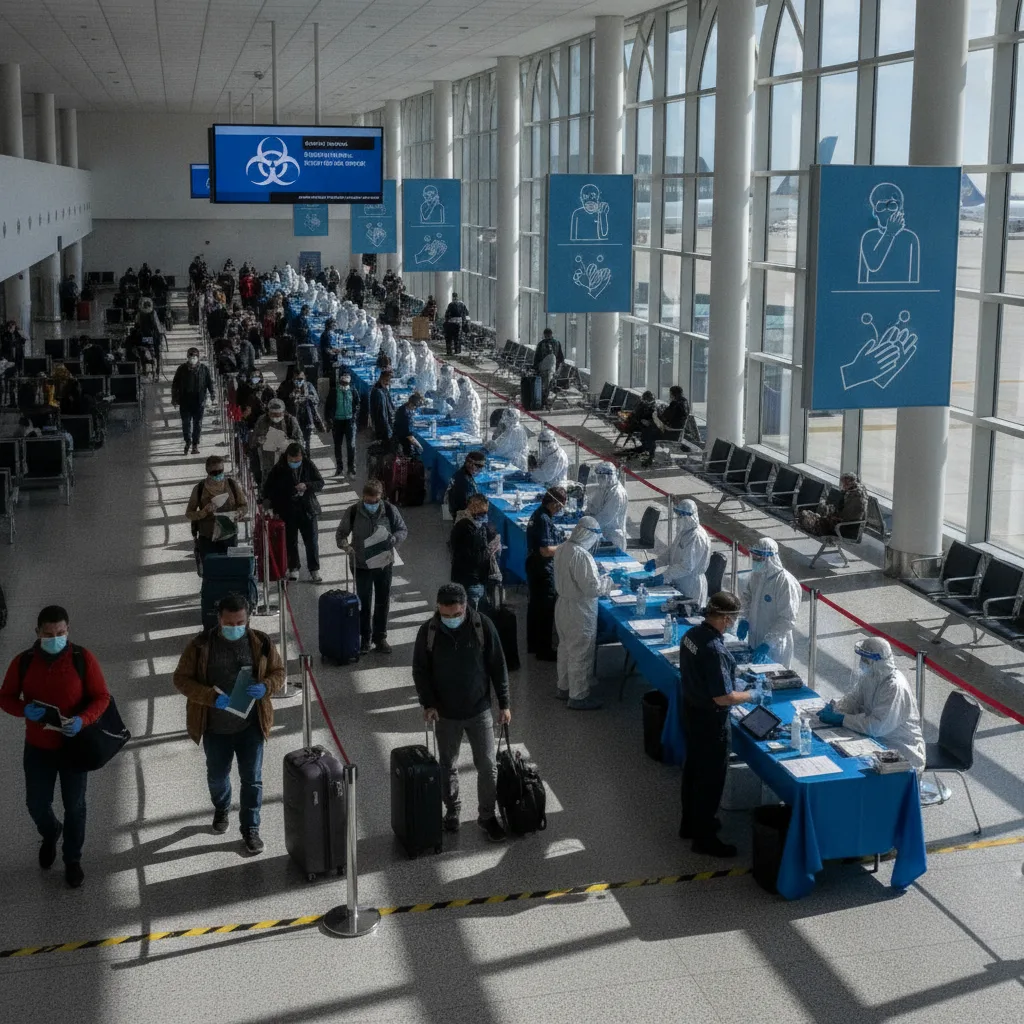
On February 3, 2020, the U.S. government issued its first federal quarantine order in over 50 years, mandating a 14-day isolation for travelers returning from China's Hubei province. This unprecedented measure highlighted the CDC's critical role and power in managing public health emergencies. (AI-generated illustration)
The Global Health Security Agenda (GHSA) is an important program. Launched in 2014, it brings together nations, international organizations, and non-governmental stakeholders. Its goal is to help the world prevent, detect, and respond to infectious disease threats. The U.S. CDC is a leading partner.
Dr. Tom Frieden, former CDC Director, often stated, “An outbreak anywhere can be a threat everywhere.” This idea guides the CDC’s global strategy. It simply recognizes how connected we are.
The CDC works with the World Health Organization (WHO). They share data and expertise. This partnership makes sure there’s a coordinated international response. It’s very important for diseases like polio or measles.
This global work is involved. It involves diplomacy, building local skills, and cultural sensitivity. CDC epidemiologists often work in challenging environments. They bring important public health knowledge to vulnerable populations.
Consider the example of polio eradication. The CDC has been a major part of global efforts for decades. They provide technical assistance and funding. This work stops polio from coming back into the U.S.
The U.S. government puts serious money into these global programs. The President’s Emergency Plan for AIDS Relief (PEPFAR), for instance, has the CDC deeply involved. It makes health systems stronger in many African countries. These investments protect global health.
The CDC also watches global disease patterns. They track influenza strains worldwide. This watching helps develop vaccines. It’s an important early warning system. This global view reveals the extent of CDC’s reach.
Health and migration
Not all migration health falls under port health officers. Immigrants and refugees get health screenings through a different, structured path. This often happens before they even travel to the U.S. This is an important distinction.
The CDC requires medical exams for all U.S. immigration applicants. Authorized “panel physicians” overseas do these exams. They aren’t CDC employees. These physicians follow strict CDC rules.
These exams screen for serious communicable diseases. These include tuberculosis, syphilis, gonorrhea, and Hansen’s disease (leprosy). Vaccinations are also checked. These measures protect public health.
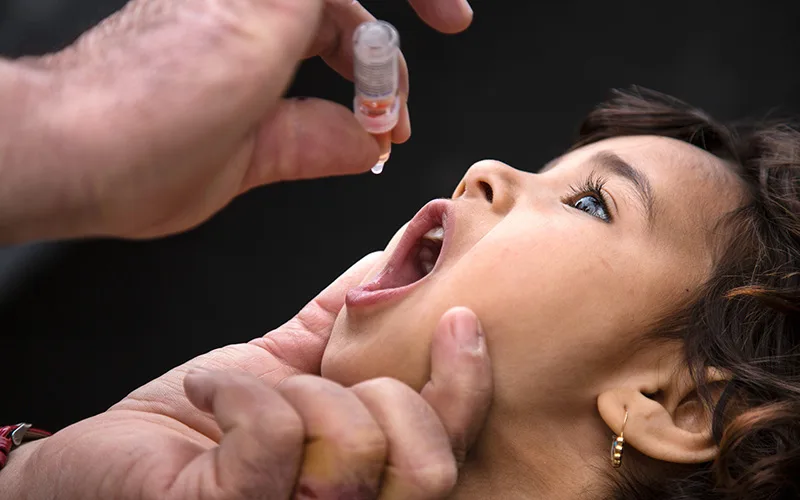
The CDC has been a major partner in global polio eradication efforts for decades, providing crucial technical assistance and funding. These campaigns, often involving health workers administering oral polio vaccine to children, have dramatically reduced cases worldwide and prevent the disease's reintroduction into the U.S. (Source: polioeradication.org)
The results of these medical exams decide if an applicant can enter. Applicants with certain conditions may be inadmissible. They might need treatment before entering. This system stops diseases from entering the country.
Over 600,000 immigration medical exams are done each year. This number comes from a 2018 CDC report on immigrant and refugee health. It is a large, coordinated effort.
Refugee health screening has multiple stages. Initial screenings happen overseas. More health checks happen upon arrival in the U.S. These make sure care continues.
For example, refugees often resettle in specific communities. State and local health departments then give follow-up care. The CDC guides these local agencies. This support helps refugees settle in safely.
The CDC also watches refugee health domestically. They track health results and find potential problems. This data helps adjust policies. It makes public health efforts effective.
This system is distinct from the immediate port-of-entry response. It’s a public health measure taken beforehand. It meets long-term health needs of migrating populations. This full approach is less visible. It is highly effective.
The process is strict. Panel physicians must be approved by U.S. embassies or consulates. They receive training from the CDC. This makes sure health standards are applied consistently.
This dual system—immediate port health response and pre-travel migrant health screening—is efficient. It focuses on different parts of public health protection. This dual system provides thorough public health protection.
Future frontlines: protecting a connected world
People and pathogens move faster than ever. This creates ongoing challenges for the CDC’s DGMQ. The agency must constantly adapt.
Air travel keeps rising. In 2023, global air travel returned to 94.1% of 2019 levels, according to the International Air Transport Association (IATA). More travelers mean more ways for diseases to spread. The CDC must change its strategies.
Climate change also makes things harder. It can change where disease carriers live. Mosquito-borne illnesses, for example, might appear in new areas. It needs new ways to watch.

Each year, hundreds of thousands of immigration medical exams are conducted globally by panel physicians approved by U.S. embassies or consulates. These screenings are a critical public health measure, designed to identify and manage health conditions before individuals enter the United States, preventing the spread of diseases. (Source: warrenlawfirm.net)
New pathogens keep emerging, a constant threat. SARS-CoV-2 was a sharp reminder. The CDC must keep flexible response plans. They need resources to quickly detect and contain diseases.
New technology offers new tools. Digital contact tracing, advanced analytics, and genomic sequencing can improve disease detection. The CDC looks into these innovations. They aim to get better at responding.
Working with other countries is more important than ever. No single nation can fight global pandemics alone. The CDC continues to build stronger partnerships with WHO and other national public health agencies. This shared effort makes us stronger.
Funding for public health remains a constant challenge. We need steady money to be ready. Budget cuts can weaken how we watch and respond. This puts everyone at greater risk.
The legal framework itself needs regular review. The Public Health Service Act of 1944 is old. It must stay relevant with new threats and technology. We must update these laws.
The CDC also struggles with public trust and communication. Misinformation can hurt public health efforts. Clear, accurate communication is very important. It gets communities involved.
Looking ahead, the CDC will remain very important. Its work at borders and abroad protects us from unseen threats. This isn’t just a mission; it’s a constant battle against a shrinking world’s dangers. Our safety depends on its ability to adapt, learn, and act. The CDC often works invisibly, long before a crisis hits our shores.
FAQ
What is the CDC’s Division of Global Migration and Quarantine (DGMQ)? DGMQ is the CDC division that stops communicable diseases from entering and spreading in the U.S. They operate at U.S. ports of entry and handle health screening requirements for immigrants and refugees. Its goal is to protect public health from international health threats.
How does the CDC decide which diseases are “quarantinable”? The U.S. President, via Executive Order, names specific diseases “quarantinable.” This list includes serious communicable diseases that can spread easily, like cholera, smallpox, and certain viral hemorrhagic fevers. This designation gives the CDC specific legal power to intervene.
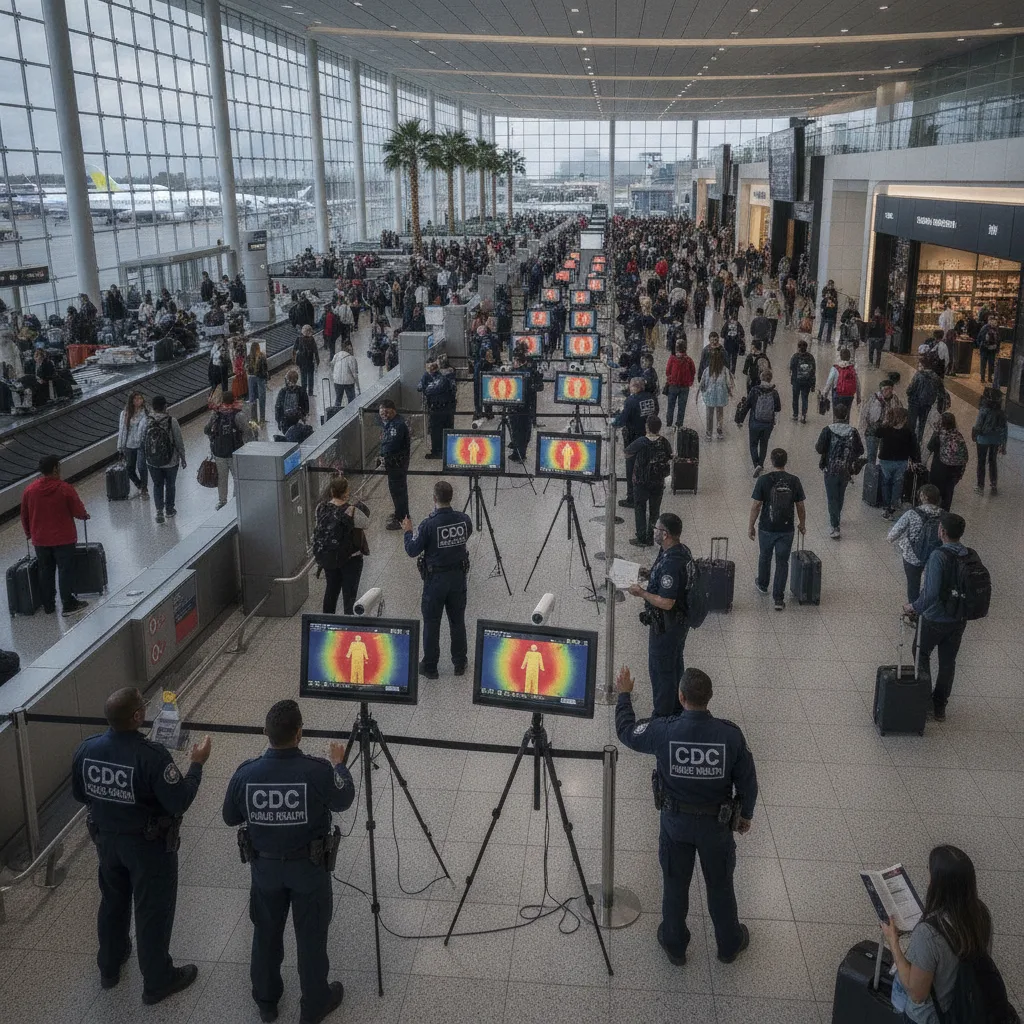
The CDC's Division of Global Migration and Quarantine (DGMQ) operates at U.S. ports of entry, such as international airports, to screen travelers and prevent communicable diseases from entering and spreading. This vital work involves identifying potential health threats before they can impact public health. (AI-generated illustration)
Do CDC officers routinely stop and screen all international travelers? No, CDC officers don’t routinely stop and screen all international travelers. They mostly respond to reports of sick travelers from airlines or cruise lines. Their work focuses more on watching, preparing, and targeted actions rather than universal screening.
What is the difference between isolation and quarantine? Isolation separates sick people who have a contagious disease from healthy people. Quarantine separates and restricts the movement of healthy people who were exposed to a contagious disease. Both are public health measures to stop disease spread.
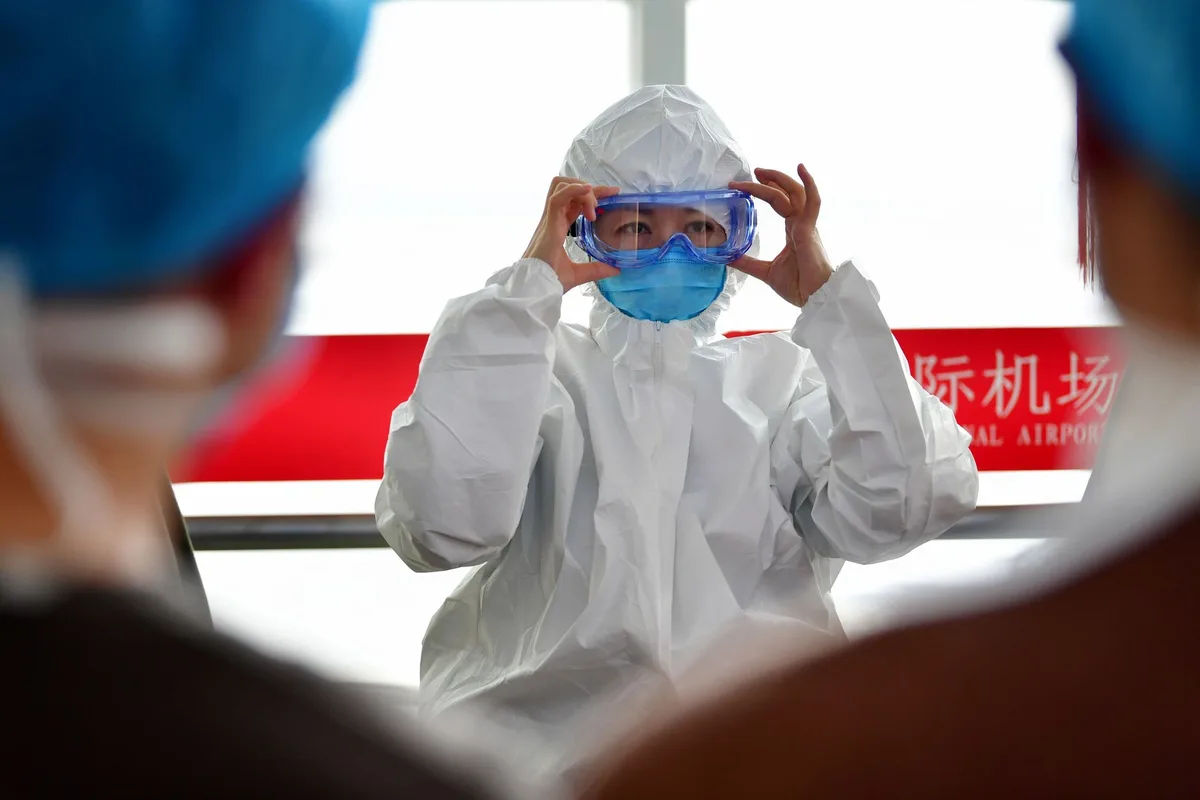
A CDC Public Health Officer is often the first line of defense against disease spread at U.S. borders, responding to reports of sick travelers from airlines and cruise lines. These officers play a crucial role in global health security by focusing on targeted actions rather than universal screening. (Photo: Greece-China News, Pexels)
You might also like:
👉 WHO 2019: 1 in 8 Global Mental Disorder. Is it a crisis?