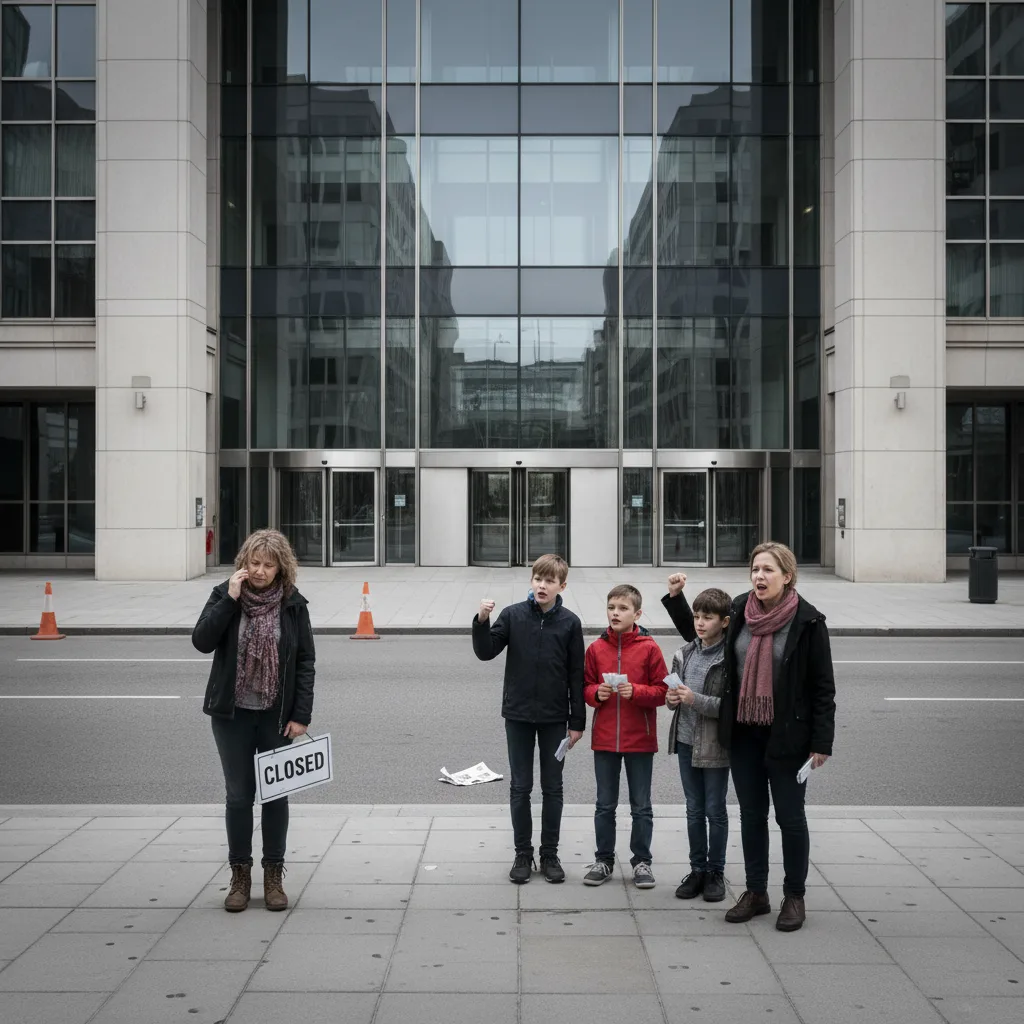
The Economic & Societal Impact of Government Shutdowns
Explore the profound economic and societal consequences when government operations halt. Understand how shutdowns affect daily life, finance, and public services.
When the Lights Go Out: The Economic and Societal Impact of Government Shutdowns
Imagine, if you will, a vast, intricate supercomputer – one that manages everything from your morning weather forecast to the quality of the food on your plate, from the safety of the skies above to the very currency in your pocket. This isn’t some sci-fi fantasy; it’s a rough approximation of modern government. Now, picture someone casually unplugging a few crucial components, or perhaps just hitting the “pause” button for an indefinite period. The system doesn’t just halt gracefully; it sputters, sparks, and sometimes, depending on which components are affected, grinds to a chaotic, unpredictable stop. This, in essence, is the economic and societal impact of government shutdowns – a phenomenon far more disruptive and insidious than most realize, reaching into the fabric of daily life with surprising force.
The Anatomy of a Shutdown: More Than Just “Closed” Signs
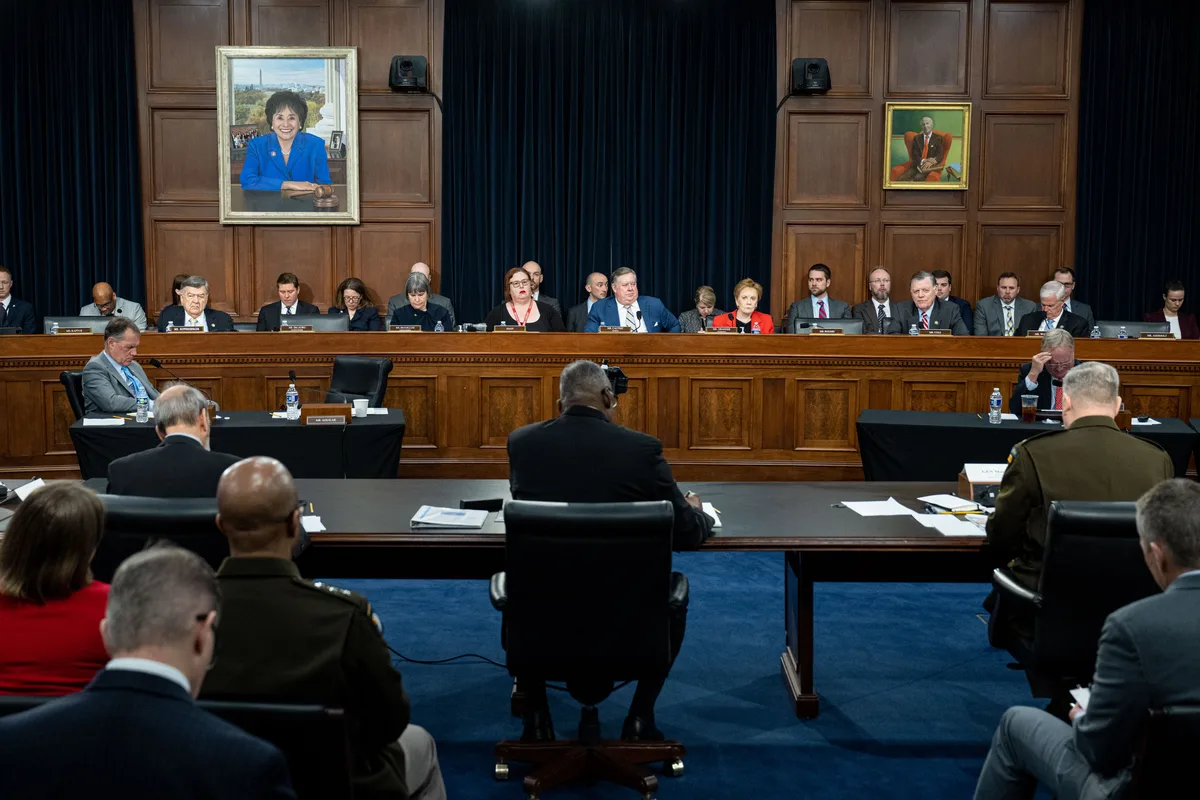
A government shutdown isn’t a whimsical decision; it’s the stark consequence of a legislative failure. Specifically, it occurs when Congress fails to pass appropriations bills, or a continuing resolution, to fund government operations for the upcoming fiscal year by the deadline (October 1st in the U.S.). Without legal authority to spend money, federal agencies must cease “non-essential” functions. But here’s the thing nobody tells you: defining “essential” is often a political tightrope walk, not a clear-cut scientific distinction.
This leads to a bizarre administrative limbo. “Essential” employees – think air traffic controllers, federal law enforcement, active-duty military personnel – are often required to work without pay, their livelihoods suddenly held hostage by political deadlock. Meanwhile, “non-essential” personnel, from NASA scientists developing groundbreaking technologies to park rangers maintaining national treasures, are furloughed, sent home indefinitely. This isn’t merely closing a few offices; it’s abruptly withdrawing hundreds of thousands of highly skilled professionals from their critical duties, creating an immediate, tangible void in public service and economic activity.

The Immediate Economic Ripples: A Sudden Stop
 The most immediate and quantifiable effect of a shutdown is a sudden, sharp contraction of economic activity. When hundreds of thousands of federal employees are furloughed or working without pay, their consumer spending plummets. These aren't just abstract numbers; these are individuals and families delaying car repairs, cancelling restaurant reservations, and postponing major purchases. The ripple effect is swift: local businesses, particularly those near federal hubs like Washington D.C., feel the pinch almost immediately.
 Consider the 2018-2019 shutdown, which lasted a staggering 35 days. The Congressional Budget Office (CBO) estimated that it directly reduced U.S. GDP by **$11 billion**, with **$3 billion** of that amount never recovered. That's not just statistical noise; it's billions of dollars of lost productivity and consumption. Federal contractors also face immediate funding freezes, leading to layoffs or delayed projects. Imagine a small tech firm developing software for the Department of Defense; suddenly, their entire revenue stream evaporates, threatening their very existence and the jobs of their private-sector employees.
Beyond the Paycheck: The Broader Economic and Societal Impact
The disruption extends far beyond individual paychecks. Critical economic functions, the very gears that keep the national economy humming, can seize up. During the 2013 shutdown, the Securities and Exchange Commission (SEC) largely ceased operations, delaying initial public offerings (IPOs) and critical financial oversight. The Small Business Administration (SBA) stopped processing loan guarantees, leaving entrepreneurs in limbo and stifling job creation. Even the collection of vital economic data, like reports from the Bureau of Economic Analysis, was paused, leaving businesses and policymakers flying blind without up-to-date information.
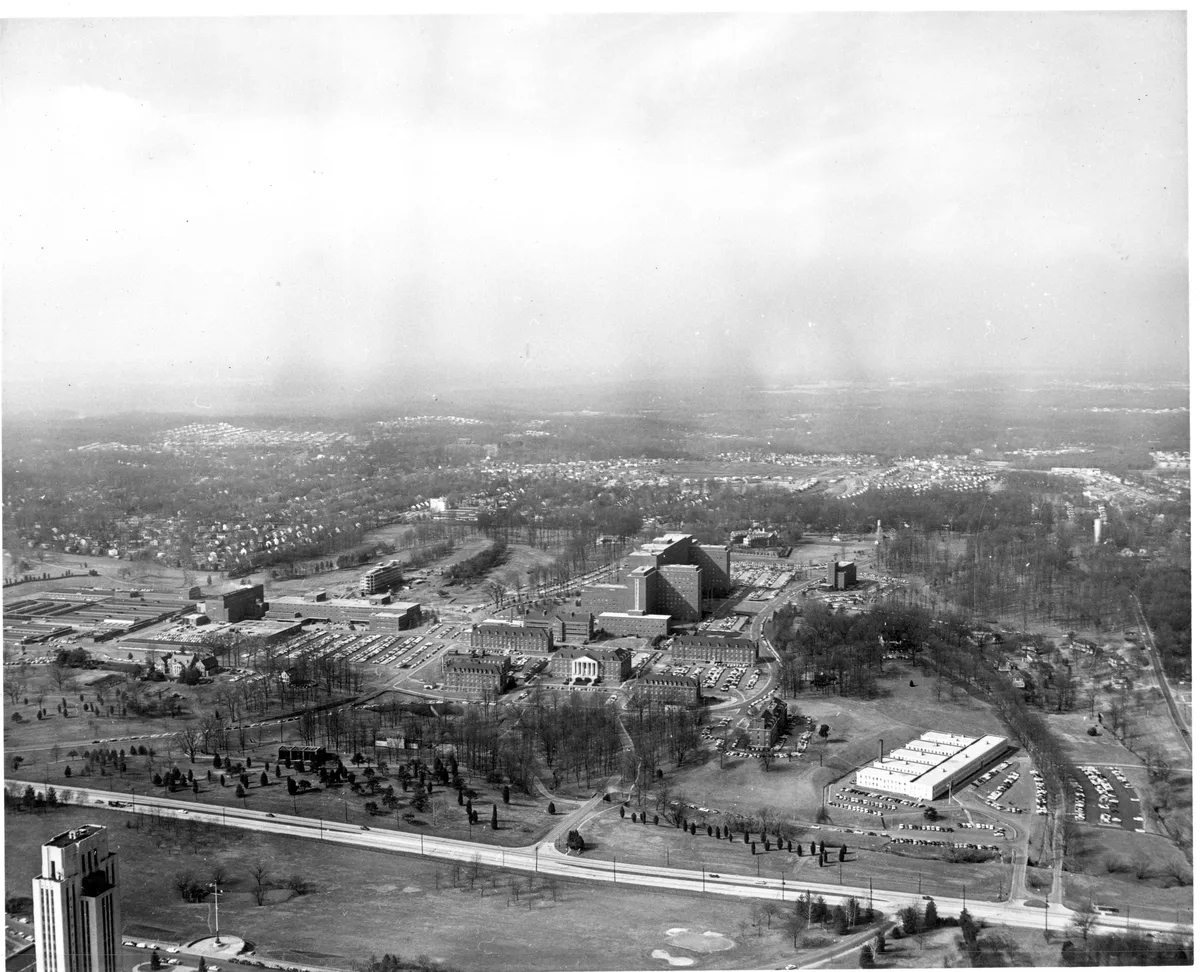 On the societal front, the impact is equally profound and often more visible. National parks, those iconic symbols of American natural beauty, close their gates, costing local economies millions in tourism revenue and leaving sensitive ecosystems unmonitored. Public health initiatives suffer: in 2013, the National Institutes of Health (NIH) furloughed 75% of its staff, halting new patient admissions for clinical trials, including those for cancer and Alzheimer's. Food safety inspections by the FDA and USDA can be reduced, raising concerns about the integrity of the nation's food supply. These aren't minor inconveniences; they're direct assaults on public welfare and economic stability.
The Phantom Toll: Long-Term Economic and Societal Scars
While immediate costs are calculable, the long-term damage of government shutdowns is a phantom toll, harder to quantify but no less real. One significant consequence is the erosion of institutional knowledge and expertise. Talented federal employees, tired of the financial insecurity and political weaponization of their livelihoods, seek more stable careers in the private sector or academia. This “brain drain” means the government loses experienced scientists, engineers, economists, and administrators, weakening its capacity to address complex challenges from climate change to cybersecurity.

Furthermore, shutdowns damage America’s international standing and credibility. When the world sees the U.S. government unable to fund itself, it casts doubt on its reliability as a global partner and its ability to lead. International agreements, aid packages, and diplomatic efforts can be delayed or undermined. Projects with long-term economic benefits, such as scientific research, infrastructure planning, and regulatory updates, are put on hold, creating a cumulative drag on future prosperity and innovation. It’s like repeatedly hitting the reset button on a complex, long-term project – progress is lost, and momentum is shattered.
Case Files: Iconic Shutdowns and Their Real-World Consequences
 The U.S. has a history dotted with these self-inflicted wounds. The **1995-1996 shutdowns** under President Clinton, primarily over Medicare funding, lasted 21 days in total. The Internal Revenue Service (IRS) was severely impacted, delaying tax refunds and hindering enforcement. National parks closed, leading to significant revenue losses for gateway communities. While often remembered as a political victory for Clinton, the economic cost was estimated at **$1.25 billion** (in 1995 dollars) by the CBO.
 Fast forward to the **2013 shutdown** under President Obama, a 16-day standoff over the Affordable Care Act. This one saw the closure of military commissaries, the furloughing of most NASA employees, and a halt to veterans' benefits processing. The National Cancer Institute, a key component of the NIH, couldn't enroll new patients for clinical trials. The economic hit was estimated at **$2-6 billion** by various analyses, and it severely impacted public trust in government's ability to function.
Most recently, the 2018-2019 shutdown, the longest in U.S. history at 35 days, brought the impact into sharp relief. Air traffic controllers, TSA agents, and Coast Guard personnel worked without pay, raising serious concerns about national security and public safety. Food safety inspections were drastically cut, and farmers struggled to access federal aid. The CBO estimated the shutdown cost the economy $3 billion in lost output that was never recovered, a stark reminder that these aren’t just temporary pauses; they have permanent consequences.
The Human Cost: Stress, Uncertainty, and Damaged Trust
Beyond the macroeconomic figures and agency disruptions, there is a profound human cost. For the hundreds of thousands of federal employees and their families, a shutdown means immediate, acute financial stress. Rent, mortgages, utility bills, and grocery expenses don’t pause just because Congress can’t agree. Many families are forced to deplete savings, take out high-interest loans, or rely on food banks. The emotional toll of this uncertainty, the feeling of being a pawn in a political game, is immense, leading to increased anxiety, depression, and marital strain.
The ripple effect extends to those who rely on government services. Veterans waiting for disability claims, families depending on housing assistance, or small businesses needing federal loans find themselves in desperate straits. This isn’t merely an inconvenience; it can be life-altering. Each shutdown erodes the public’s trust in government’s reliability and competence. When the very functions designed to protect and serve citizens are arbitrarily suspended, it fosters cynicism and disengagement, weakening the social contract that underpins a stable society.

The Unseen Vulnerabilities: National Security and Global Standing
The impact of government shutdowns extends into areas rarely discussed in public discourse: national security and global standing. While active-duty military personnel are deemed “essential,” their families often face severe financial hardship as supporting agencies like military commissaries or family assistance programs are affected. Intelligence agencies operate with reduced capacity, potentially creating blind spots in national defense. Delayed security clearances for new hires can cripple critical programs, leaving vital positions unfilled.
Moreover, a shutdown broadcasts a message of instability and dysfunction to both allies and adversaries. Allies may question the U.S.’s reliability as a partner in joint ventures or defense agreements. Adversaries, on the other hand, might perceive an opportunity to test boundaries or exploit perceived weaknesses. Imagine a critical diplomatic negotiation or an international crisis unfolding while key State Department personnel are furloughed. The U.S.’s ability to project strength, uphold commitments, and respond effectively on the global stage is significantly diminished, creating vulnerabilities that extend far beyond domestic borders.
Preventing the Pause Button: Mechanisms and Mismatches
The recurring nature of U.S. government shutdowns stems from a unique confluence of political structures and evolving norms. Unlike many parliamentary systems where a failure to pass a budget often triggers a vote of no confidence and new elections, the American system allows for legislative gridlock without immediately dissolving the government. The power of the purse, wielded by Congress, becomes a potent weapon in partisan disputes, with funding bills often held hostage to unrelated policy demands.
While continuing resolutions (CRs) are often used as temporary stop-gaps to avoid shutdowns, they are far from ideal. CRs typically maintain funding at previous levels, preventing new initiatives, delaying critical projects, and hindering agencies’ ability to plan effectively. This creates a cycle of short-term thinking and inefficient resource allocation. The fundamental mismatch lies in the high stakes of budget negotiation combined with a political culture increasingly prone to brinkmanship, turning the essential function of funding the government into a recurring, high-risk game of chicken.
Frequently Asked Questions
Q1: What exactly triggers a government shutdown? A1: A government shutdown is triggered when Congress fails to pass any of the 12 annual appropriations bills, or a stop-gap “continuing resolution,” to fund federal government operations for the upcoming fiscal year by the deadline (October 1st in the U.S.). Without legal authority to spend money, non-essential government functions must cease.
Q2: Are federal employees eventually paid for time furloughed during a shutdown? A2: Historically, Congress has almost always passed legislation to retroactively pay furloughed federal employees once a shutdown ends. However, this payment is not guaranteed and requires an act of Congress, leaving employees in financial limbo for the duration of the shutdown. Essential employees who work without pay are also retroactively compensated.
Q3: Do all countries experience government shutdowns like the U.S.? A3: No, government shutdowns as seen in the U.S. are relatively rare in other developed democracies. Many parliamentary systems have mechanisms that prevent such occurrences, such as automatic continuing appropriations or a vote of no confidence that can lead to new elections if a budget fails. The U.S. system’s separation of powers and specific budgetary rules make it particularly susceptible.
Q4: What’s the difference between a government shutdown and a debt ceiling crisis? A4: A government shutdown results from a failure to pass appropriations bills, meaning the government cannot spend money on authorized programs. A debt ceiling crisis, conversely, occurs when the government cannot borrow money to pay for already incurred obligations (like Social Security payments or bond interest) because it has hit its statutory borrowing limit. While both are severe fiscal crises, their mechanisms and immediate impacts differ.
The government shutdown is not merely a political inconvenience or a brief pause button on the nation’s operations. It is a systemic shock, a self-inflicted wound that reverberates through the economy and society with far-reaching, often invisible, consequences. From lost wages and stalled research to damaged trust and diminished global standing, the true cost is a complex tapestry of immediate disruption and long-term erosion. Understanding this intricate web of impact is crucial, for only then can we truly grasp the imperative for stable, functional governance.
You might also like:
👉 Economic Effects of Sanctions on Russia: A Comprehensive Guide
👉 Economic Sanctions: Unpacking Consequences & Future Strategies
👉 Economic Sanctions: Impact on International Trade & Geopolitics