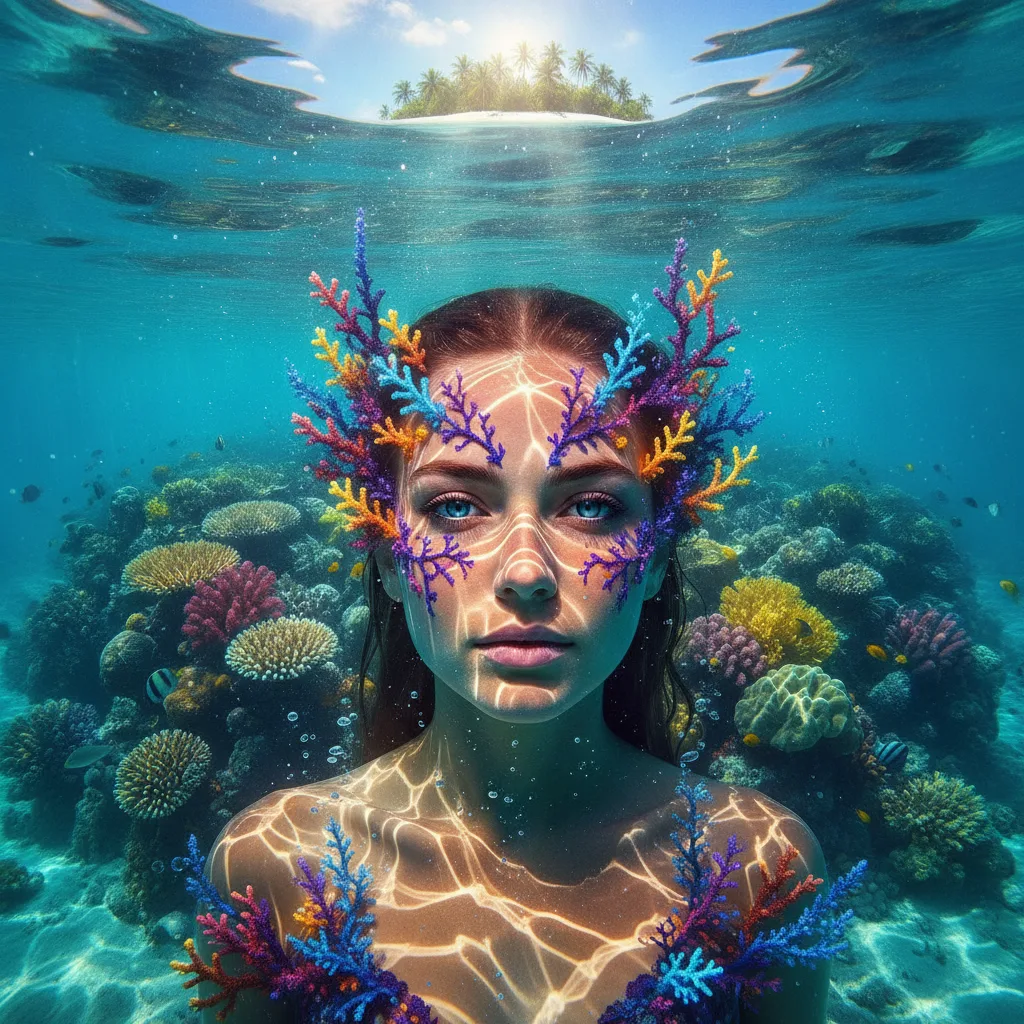
Coral Comeback: Can Polyps Rebuild Reefs Built Over Centuries?
Coral reefs are giant colonies of polyps that secrete calcium carbonate. Learn why restoring these complex structures built over centuries is harder than it seems.
Bringing Back the Blue: Can We Really Restore Coral Reefs?
Coral reefs are more than just pretty rocks or underwater gardens. These complex structures are giant colonies of tiny animals called polyps. Related to jellyfish and anemones, these polyps build their homes over centuries. Many people miss this basic fact. As a result, coral reef restoration often seems much simpler than it truly is.
Coral polyps secrete calcium carbonate. This forms the hard skeletons that build reefs. These skeletons provide structure for countless marine species. Imagine a bustling underwater city, built by billions of microscopic construction workers. More than 25% of all marine species depend on these reefs for food and shelter. That’s according to the U.S. National Oceanic and Atmospheric Administration (NOAA).
Our reefs are dying
You’ll find coral reefs in warm, shallow tropical waters across the globe. Think of Australia’s Great Barrier Reef or the Mesoamerican Barrier Reef in the Caribbean. These reefs protect coastlines from storms. They support fisheries and power tourism economies. Millions of people and entire ecosystems rely on their health.
Coral reefs are in serious trouble. Since the 1980s, we’ve lost about half of the world’s coral reefs. The main killer is coral bleaching. This happens when ocean temperatures rise, stressing the coral polyps. The polyps then expel colorful algae, called zooxanthellae, from their tissues.
These algae provide most of the coral’s food through photosynthesis. Without them, the coral turns white and starves. Corals can recover if temperatures drop quickly. However, long bleaching events kill corals across vast areas. Ocean acidification, from increased CO2 absorption, also weakens coral skeletons. Pollution and overfishing just add more stress.
Restoration Efforts Offer Hope
Coral reefs can be restored, but it is extremely difficult. Scientists and conservationists worldwide are developing new techniques. These methods aim to rebuild damaged reefs and make them stronger. They offer a real chance against widespread destruction.
One common method is coral gardening. This involves collecting small coral pieces from healthy colonies. These fragments then grow in underwater nurseries, often on suspended lines or frames. Think of it like taking cuttings from your garden plants. The Coral Restoration Foundation (CRF) has led this effort since 2007.
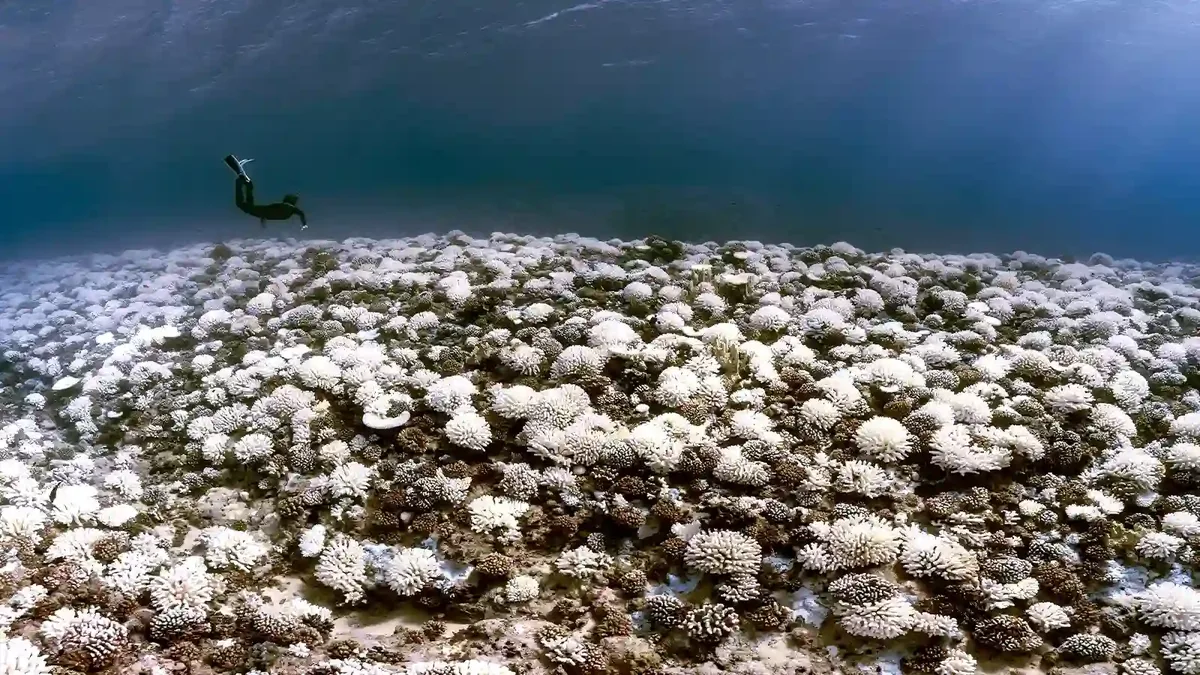
Coral bleaching occurs when rising ocean temperatures stress coral polyps, causing them to expel the colorful algae (zooxanthellae) that provide their food. This leaves the coral white and vulnerable to starvation, a major cause of global reef decline since the 1980s. (Source: coralvita.co)
The CRF runs the world’s largest coral nursery in the Florida Keys. They’ve outplanted over 200,000 corals onto struggling reefs. Scientists carefully watch these nursery-grown corals as they mature. Once big enough, these “reared” corals move to degraded reef sites. This process directly rebuilds the reef’s physical structure.
Another good technique is larval propagation. This method focuses on coral’s earliest life stages. Researchers collect coral spawn during mass spawning events. Then, they raise the tiny coral larvae in controlled lab environments. After a few days, these microscopic larvae settle onto specially prepared surfaces.
Dr. Peter Harrison, a marine biologist at Southern Cross University in Australia, started this technique. His team successfully used larval restoration on parts of the Great Barrier Reef in 2018. This method allows for more genetic diversity among restored corals. It also avoids taking pieces from existing adult colonies.
Scientists are also exploring assisted evolution and selective breeding. This means finding corals that naturally handle warmer temperatures or more acidic waters. Researchers then breed these “super corals” to create stronger offspring. Dr. Ruth Gates, a notable coral biologist who died in 2018, strongly supported this idea.
Her work at the Hawaii Institute of Marine Biology focused on understanding coral strength. The Australian Institute of Marine Science (AIMS) now continues this work. They’re developing new coral strains more resistant to future climate impacts. This research is key to long-term reef survival.
Challenges in Coral Restoration
Even with these breakthroughs, restoring coral reefs faces huge challenges. The sheer scale of reef destruction is staggering. The Great Barrier Reef alone stretches over 2,300 kilometers. Rebuilding such vast areas with current methods is extremely slow and expensive. A 2020 report by the Great Barrier Reef Foundation (GBRF) laid out these logistical problems.
Global climate change remains the biggest hurdle. Restoration efforts only treat symptoms of reef decline, not its root causes. Rising ocean temperatures and increasing ocean acidity will keep threatening even restored reefs. Dr. Kim Cobb, a climate scientist at Georgia Tech, insists local actions must pair with global emissions cuts. Without major reductions in greenhouse gases, even the best restoration projects could fail.
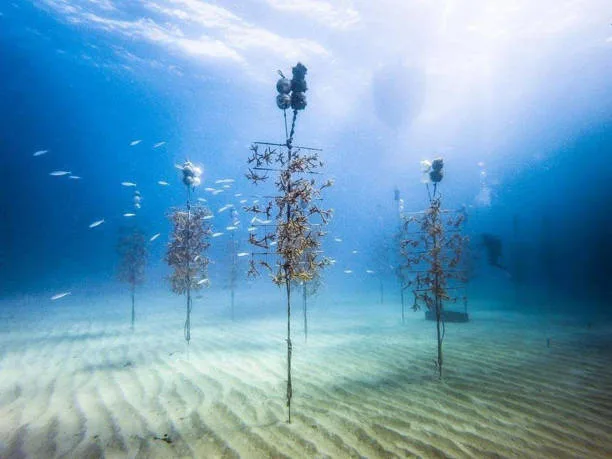
The Coral Restoration Foundation (CRF) runs the world's largest coral nursery in the Florida Keys, where scientists cultivate hundreds of thousands of corals. These nursery-grown corals are later outplanted to help rebuild the physical structure of struggling reefs. (Source: gettyimages.com)
Funding is another big problem. Coral gardening and larval propagation need significant resources. They require specialized equipment, dedicated research facilities, and trained staff. The Coral Reef Conservation Program at NOAA reports millions of dollars invested annually. Still, the problem’s size often overwhelms available funds. Many projects depend on grants and donations.
Keeping genetic diversity in restored populations matters too. If restoration uses only a few tough coral types, the new reef becomes weak. A lack of diversity makes it prone to new diseases or environmental shifts. Larval propagation helps, but careful planning is always needed.
The Future of Coral Reefs
Coral reef restoration offers a real chance for these precious ecosystems. Success stories, from Florida to Australia, prove that we can intervene. These projects rebuild physical structures and bring back biodiversity. They also inspire new generations of conservationists.
However, these efforts are not a complete solution. They buy time. They give marine life a chance to recover locally. The wider future of coral reefs depends on urgent global action against climate change. Cutting carbon emissions is still the single most important step.
We also need continued investment in research and development. Scientists are exploring new technologies, like 3D printing of reef structures. They’re even investigating acoustic methods to attract fish and other marine life. These innovations could speed up restoration efforts in the coming years. Protecting existing healthy reefs matters just as much as restoring damaged ones.
Our generation must protect these incredible underwater cities. We have to support both local restoration projects and global climate initiatives. Only then can we ensure coral reefs thrive for centuries. Their survival is linked to our own.
FAQ
What is coral bleaching? Coral bleaching happens when corals expel the algae living in their tissues. This usually occurs due to stress from high ocean temperatures. The coral turns white and can starve if temperatures don’t drop, eventually leading to death.
How long does it take for a restored reef to grow? Growth rates vary a lot by coral species and environmental conditions. Some fast-growing species show significant growth in a few years. However, a fully mature, complex reef structure can take decades or even centuries to form.
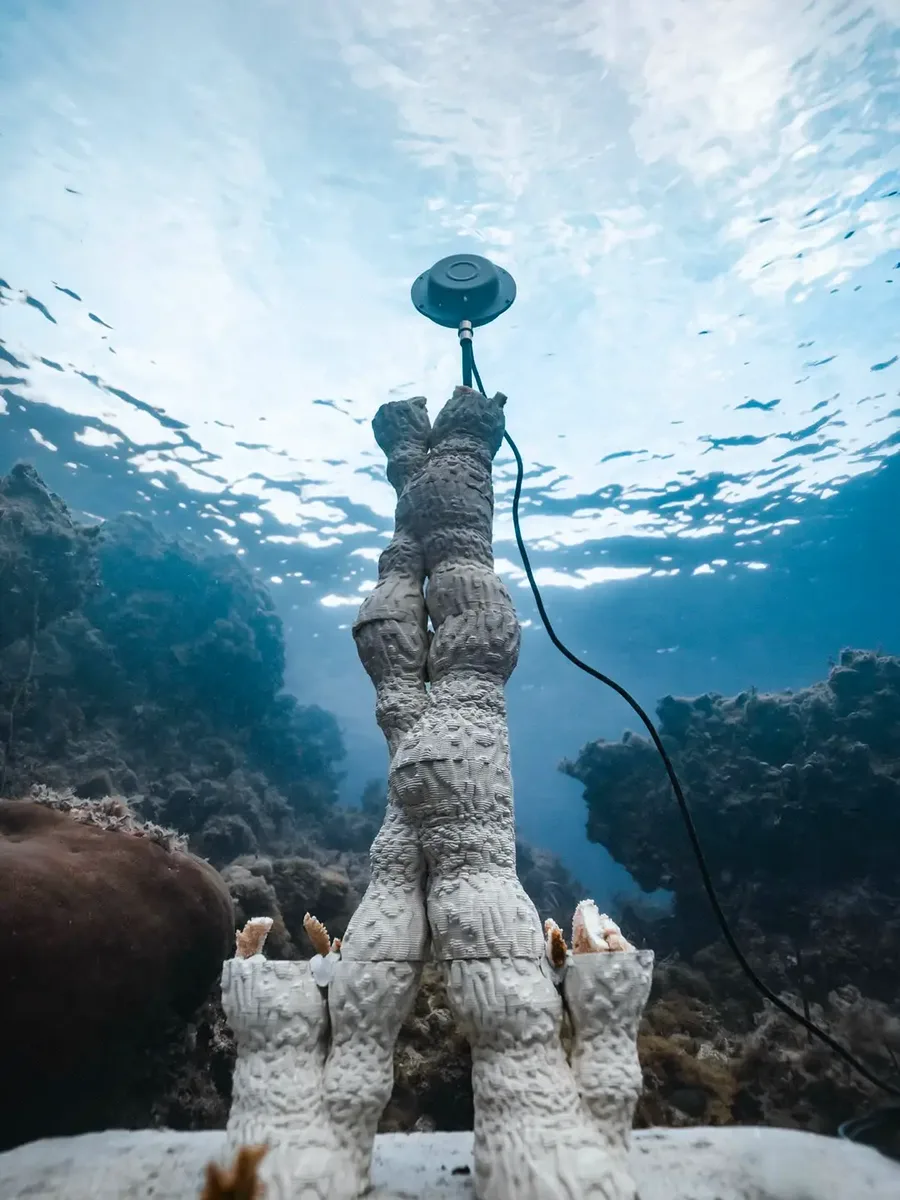
Scientists are exploring innovative methods like 3D printing to create artificial reef structures, providing new substrates for coral growth and accelerating restoration efforts in damaged marine ecosystems. (Source: 3dwasp.com)
Are artificial reefs the same as natural reefs? No. Artificial reefs are human-made structures placed on the seafloor. They provide habitat for marine life. While they attract fish and offer some ecological benefits, they don’t fully replicate the complex biodiversity of natural reefs. They also lack the full ecosystem services.
Can “super corals” save all reefs? “Super corals” are corals found or bred to better withstand stressors like heat. They are promising for specific restoration sites. However, they are not a complete solution. We still need widespread climate action to reduce the overall threats to all coral reefs.
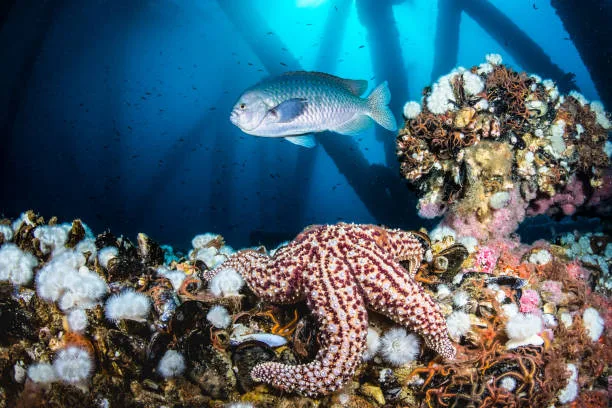
Artificial reefs are human-made structures, such as sunken ships or purpose-built concrete modules, placed on the seafloor to provide habitat and attract marine life. While they offer ecological benefits, they do not fully replicate the complex biodiversity and ecosystem services of natural coral reefs. (Source: gettyimages.com)
You might also like:
👉 Unveiling the World’s Most Baffling Natural Phenomena
👉 Venus: Why 475°C Hell Holds Earth’s Climate Future
👉 Unexplained Mysteries of Science: Cosmos, Quantum & Beyond