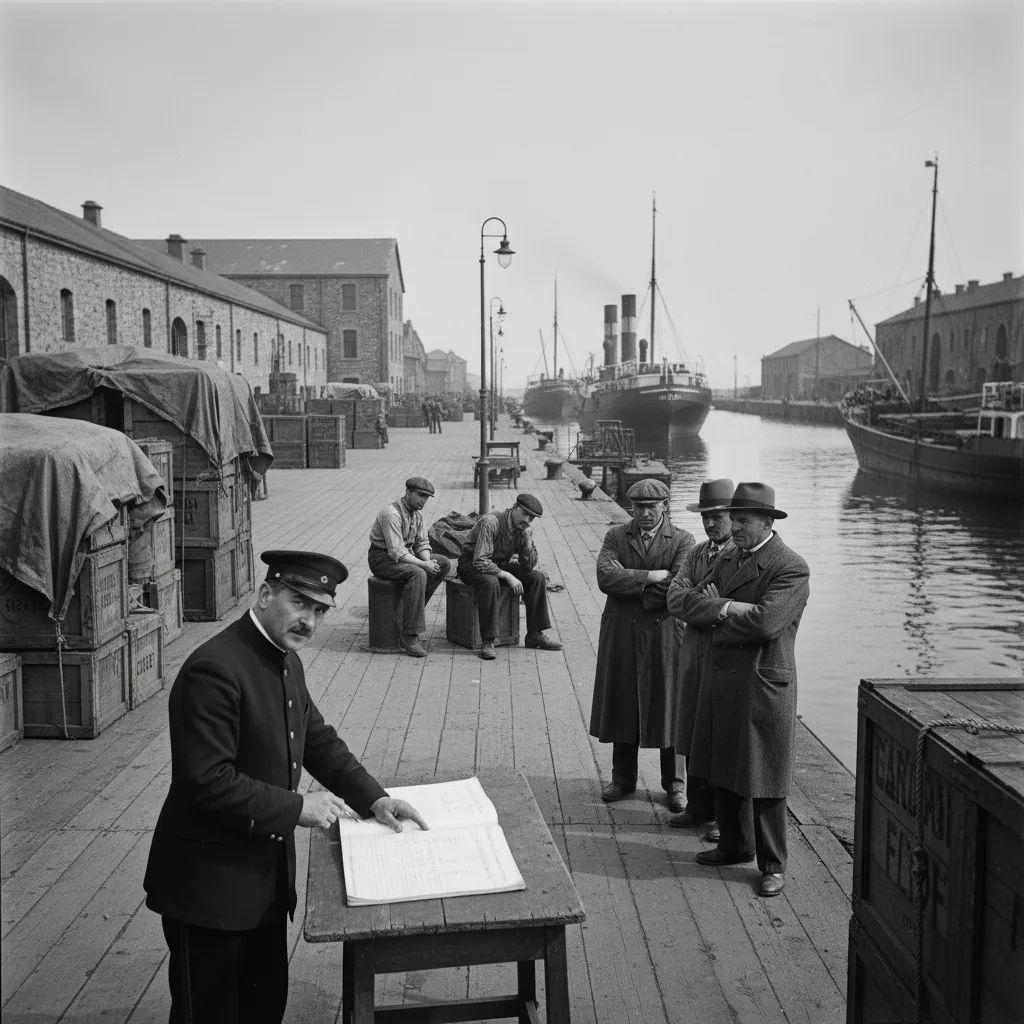
Economic Sanctions Examples in History: The Silent Hammer Unveiled
Uncover the powerful history of economic sanctions. Learn how this 'silent hammer' has been wielded for millennia to cripple nations, topple regimes, and reshape the global geopolitical landscape.
The Silent Hammer: Unveiling Economic Sanctions Examples in History’s Grand Tapestry
Imagine a weapon that fires no bullets, drops no bombs, yet can cripple nations, topple regimes, and reshape the geopolitical landscape. It’s not a fantasy device from a sci-fi epic; it’s the economic sanction, a tool as old as civilization itself, evolving from ancient decrees to sophisticated financial instruments. For millennia, leaders have wielded this silent hammer, attempting to bend adversaries to their will by severing the lifeblood of commerce. But how effective has it truly been? And what does history teach us about its formidable, often unpredictable, power? At TrendSeek, we’re diving deep into some of the most compelling economic sanctions examples in history to uncover the triumphs, the failures, and the enduring lessons of this powerful, yet often controversial, diplomatic weapon.
Ancient Echoes: The Megarian Decree and Early Economic Sanctions
Our journey begins not with modern-day financial maneuvers, but in the bustling agora of ancient Greece, over two millennia ago. In 432 BCE, the Athenian statesman Pericles issued the infamous Megarian Decree. This wasn’t a declaration of war, but a devastating economic blow: it banned merchants from Megara, a city-state allied with Sparta, from all markets within the Athenian Empire. Imagine waking up one day to find your primary trading partners, your access to vital goods, and your economic lifeline suddenly severed. For Megara, a small but strategically important state, the decree was catastrophic, akin to a modern-day comprehensive embargo.
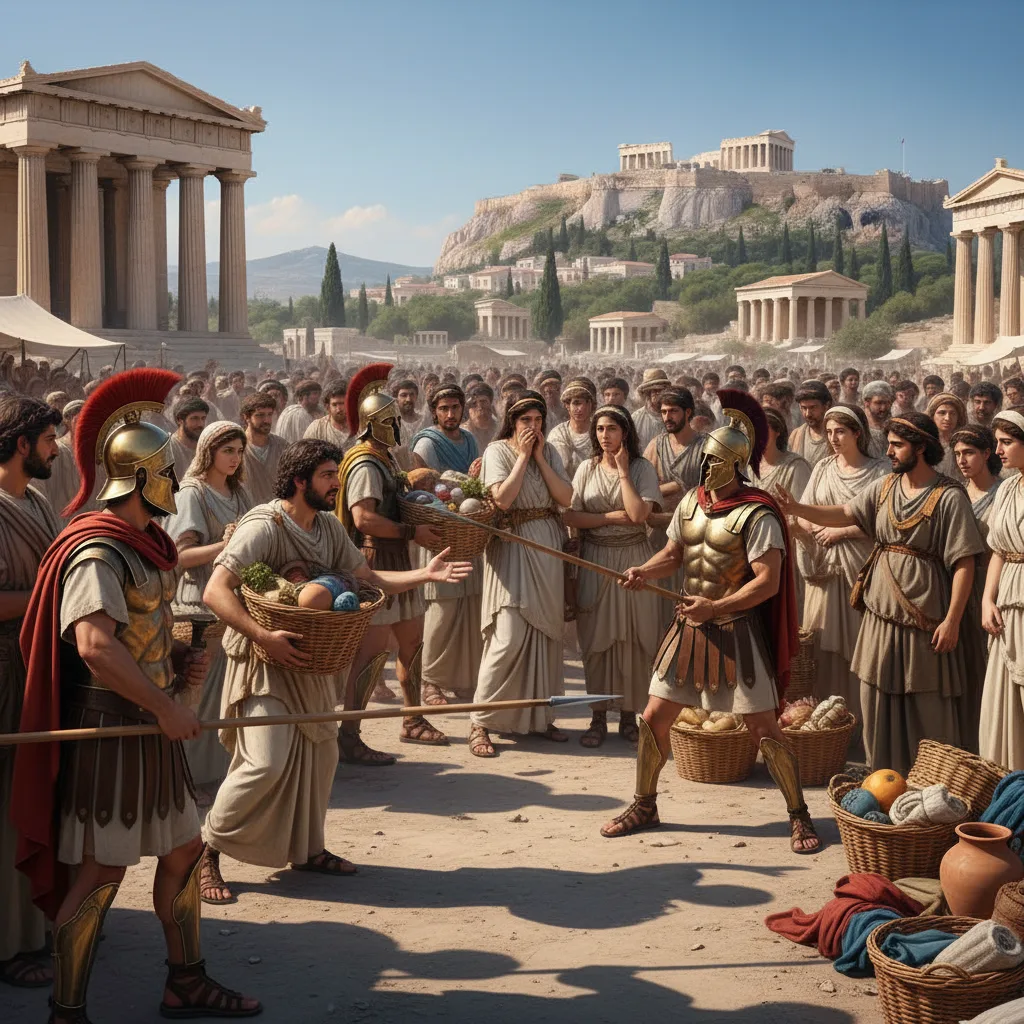
The Megarian Decree wasn’t merely a punitive measure; it was a deliberate act of economic warfare, designed to weaken Megara and, by extension, Sparta, without direct military confrontation. While its precise role in igniting the Peloponnesian War is debated by historians, it undeniably ratcheted up tensions, serving as a stark precursor to the widespread use of economic leverage. It demonstrated that control over trade routes and markets could be as potent a weapon as any phalanx of hoplites, setting a precedent that would echo through empires and ages.
From ancient Rome’s occasional grain embargoes to medieval city-states blockading rivals’ ports, the fundamental concept remained: starve your enemy of resources, and they might capitulate. These early forms of economic sanctions were often blunt instruments, difficult to enforce over vast territories, but their intent was clear: to inflict economic pain in pursuit of political objectives.
Napoleon’s Folly: The Continental System as a Landmark Economic Sanction
Fast forward to the early 19th century, where a titan of history, Napoleon Bonaparte, attempted to orchestrate the most ambitious economic blockade the world had ever seen. His target? Great Britain, the naval powerhouse that consistently thwarted his imperial ambitions. In 1806, Napoleon unveiled the Continental System, a grand design to cripple Britain by prohibiting all trade between the British Isles and continental Europe. Goods from Britain, or even those transported on British ships, were to be seized, and European ports were closed to British vessels.
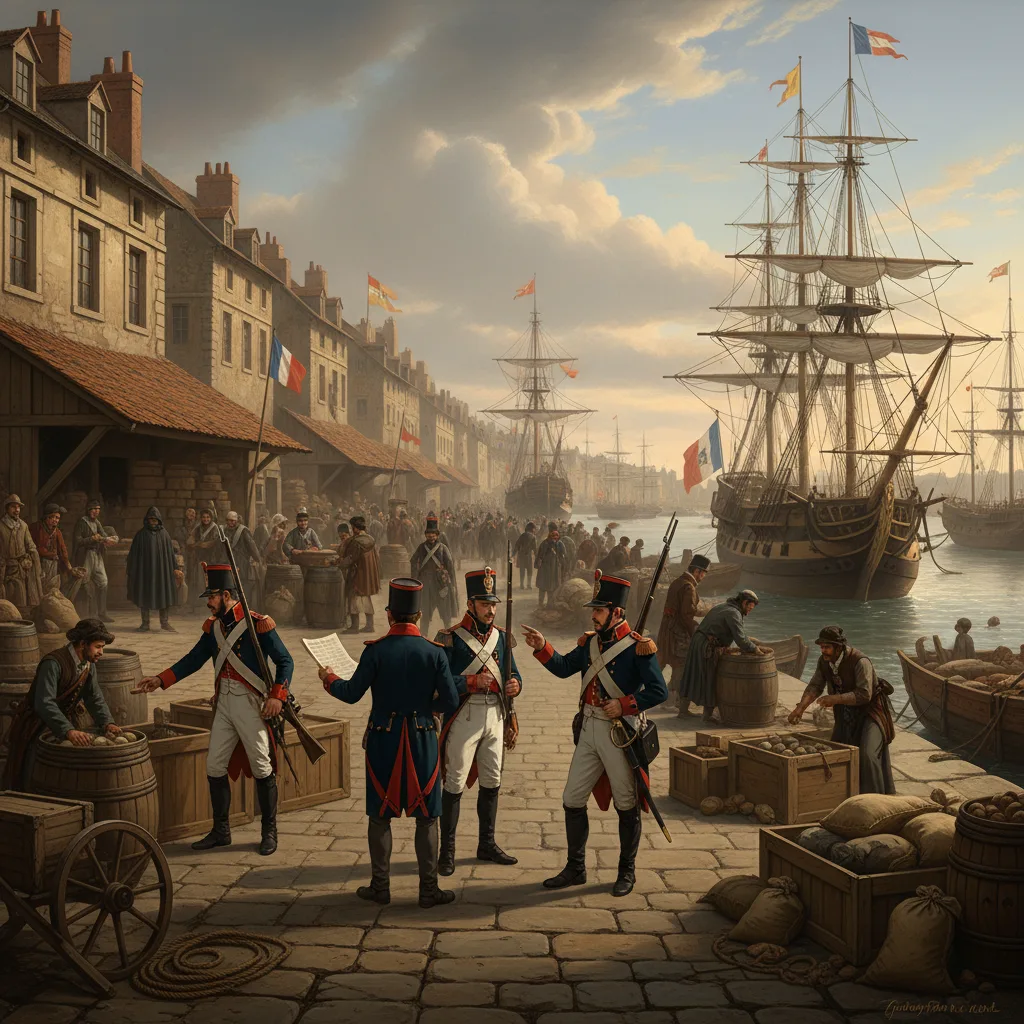
Napoleon believed that by cutting off Britain from its vital European markets and sources of raw materials, he could force the “nation of shopkeepers” to its knees without a direct invasion. The objective was clear: economic strangulation. He envisioned a self-sufficient European empire, free from British economic dominance. However, the system was a logistical nightmare and a political tightrope walk. Smuggling became rampant, and the economies of Napoleon’s allies and conquered territories suffered immensely, creating widespread discontent.
The Continental System ultimately proved to be a spectacular failure and a significant contributing factor to Napoleon’s downfall. Portugal’s refusal to comply led to the Peninsular War, draining French resources. Russia’s eventual withdrawal from the system, driven by economic necessity, provoked Napoleon’s disastrous 1812 invasion, a campaign from which his empire never truly recovered. This monumental economic sanction example in history demonstrated that while economic pressure can be immense, it often comes with significant blowback, testing the loyalty of allies and the patience of one’s own populace.
The League’s Lethargy: Italian Aggression and the Limits of Sanctions
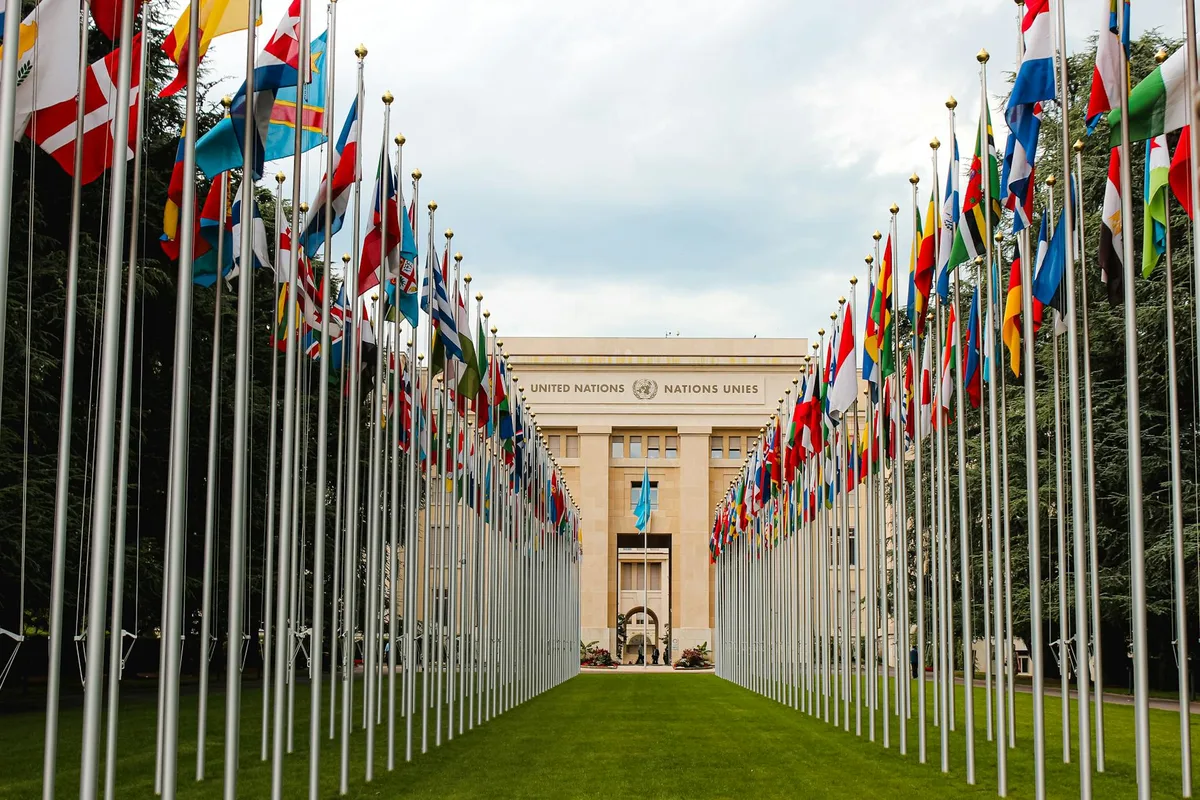 The interwar period, following the horrors of World War I, saw a new hope for international cooperation embodied in the **League of Nations**. This nascent global body aimed to prevent future conflicts through collective security, with economic sanctions as a key enforcement mechanism. Its first major test came in 1935 when Fascist Italy, under **Benito Mussolini**, invaded the independent African nation of Abyssinia (modern-day Ethiopia). The world watched, horrified.
The League responded by imposing sanctions on Italy, marking a pivotal moment in the history of international diplomacy. Member states agreed to an embargo on arms, loans, and certain Italian imports. This was a groundbreaking attempt to use collective economic pressure to deter aggression. However, the sanctions were fatally flawed. Crucially, they did not include an embargo on oil, a vital resource for Italy’s war machine, largely due to fears of escalating the conflict and the economic interests of powerful League members like Britain and France.
The limited nature of the sanctions, coupled with a lack of full enforcement by all members, rendered them largely ineffective. Italy was able to continue its conquest, eventually annexing Abyssinia in 1936. The failure of the League’s sanctions against Italy gravely undermined its credibility, demonstrating the profound challenges of achieving genuine collective action when national interests diverge. It was a sobering lesson that sanctions, without robust political will and comprehensive scope, could be little more than a symbolic gesture, paving the way for further aggression by expansionist powers like Nazi Germany.
Apartheid’s Isolation: Economic Sanctions as a Moral Imperative
Decades later, in the mid-20th century, the world witnessed one of the most sustained and morally driven applications of economic sanctions: the international campaign against apartheid South Africa. From the 1960s through the early 1990s, the racist system of apartheid, which institutionalized racial segregation and discrimination, drew widespread condemnation. The global response wasn’t just diplomatic; it was a multifaceted economic assault.
This wasn’t a single decree but a gradual, intensifying wave of pressure. The United Nations imposed an arms embargo in 1977. Individual nations, grassroots movements, and international organizations enacted a dizzying array of measures: bans on South African imports, divestment campaigns that urged companies and institutions to withdraw their investments, cultural and sports boycotts, and restrictions on financial transactions. From university campuses to pension funds, the call to isolate the apartheid regime resonated globally.
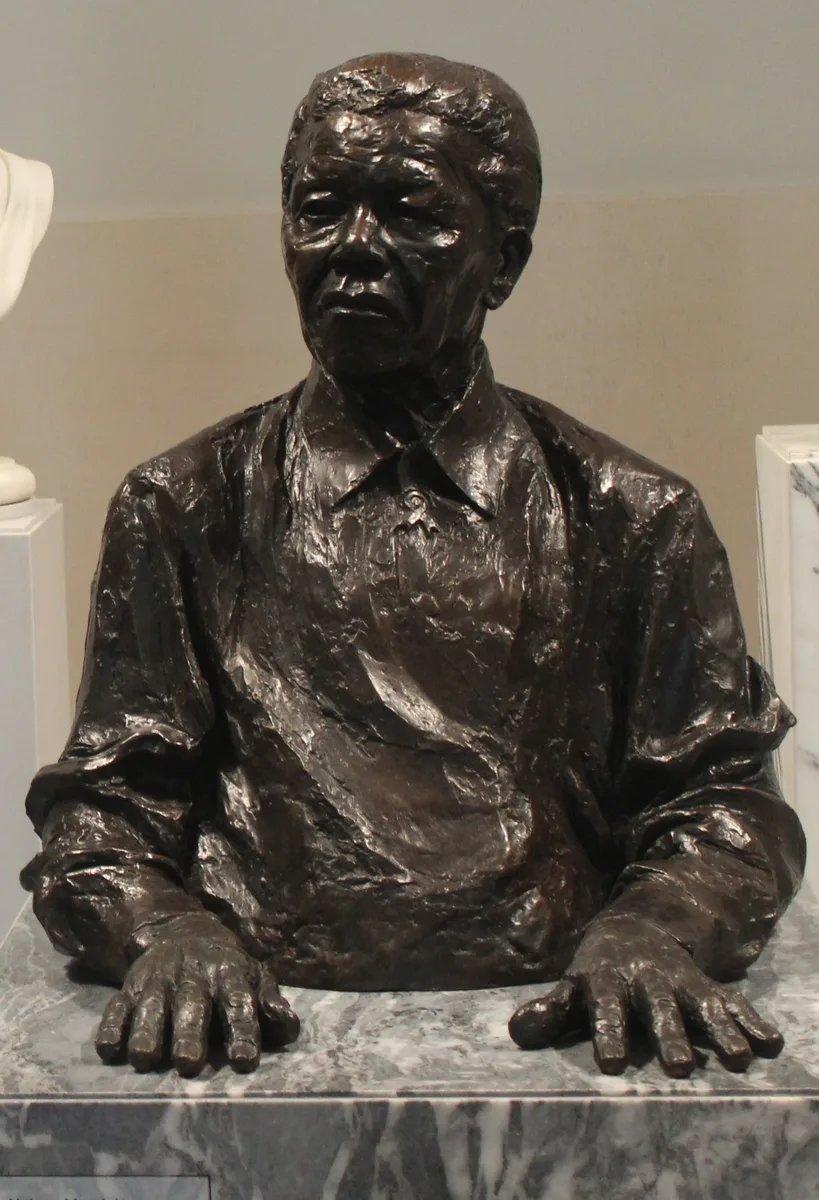 While the direct economic impact was debated, the cumulative effect was undeniable. The sanctions created a pariah state, making it difficult for South Africa to access foreign capital, technology, and markets. Perhaps more importantly, they fueled internal resistance by delegitimizing the regime and bolstering the morale of anti-apartheid activists like **Nelson Mandela**. This prolonged and comprehensive international pressure, combined with internal resistance, played a crucial role in dismantling apartheid, culminating in the first multiracial elections in 1994. The South Africa case stands as a powerful testament to the potential of sustained, broadly supported economic sanctions to effect profound political change, driven by a clear moral consensus.
Modern Manifestations: Iran’s Nuclear Program and Targeted Sanctions
In the 21st century, the nature of economic sanctions has evolved, becoming more sophisticated and often highly targeted. A prime example is the international pressure exerted on Iran over its nuclear program. Beginning in the mid-2000s, concerns that Iran was pursuing nuclear weapons capability led to a series of escalating sanctions imposed by the United Nations Security Council, the United States, and the European Union.
These weren’t just broad trade embargoes. They included highly specific measures: freezing assets of individuals and entities involved in the nuclear program, restricting access to international financial systems (like SWIFT), imposing an embargo on Iranian oil exports (a major blow to its economy), and limiting Iran’s ability to import sensitive technologies. The goal was to compel Iran to halt its uranium enrichment activities and negotiate a verifiable peaceful nuclear program. The sanctions had a significant impact, severely curtailing Iran’s oil revenues, contributing to high inflation, and isolating its economy.
The pressure eventually led to the 2015 Joint Comprehensive Plan of Action (JCPOA), an agreement that saw Iran limit its nuclear activities in exchange for sanctions relief. However, the subsequent US withdrawal from the JCPOA in 2018 and the re-imposition of sanctions highlight the complex, often volatile, political dimensions of modern economic pressure. This ongoing saga demonstrates how contemporary sanctions leverage financial networks and globalized trade to exert highly granular pressure, yet their ultimate success remains intertwined with shifting political landscapes and diplomatic efforts.
A Stalwart Standoff: The US Embargo Against Cuba
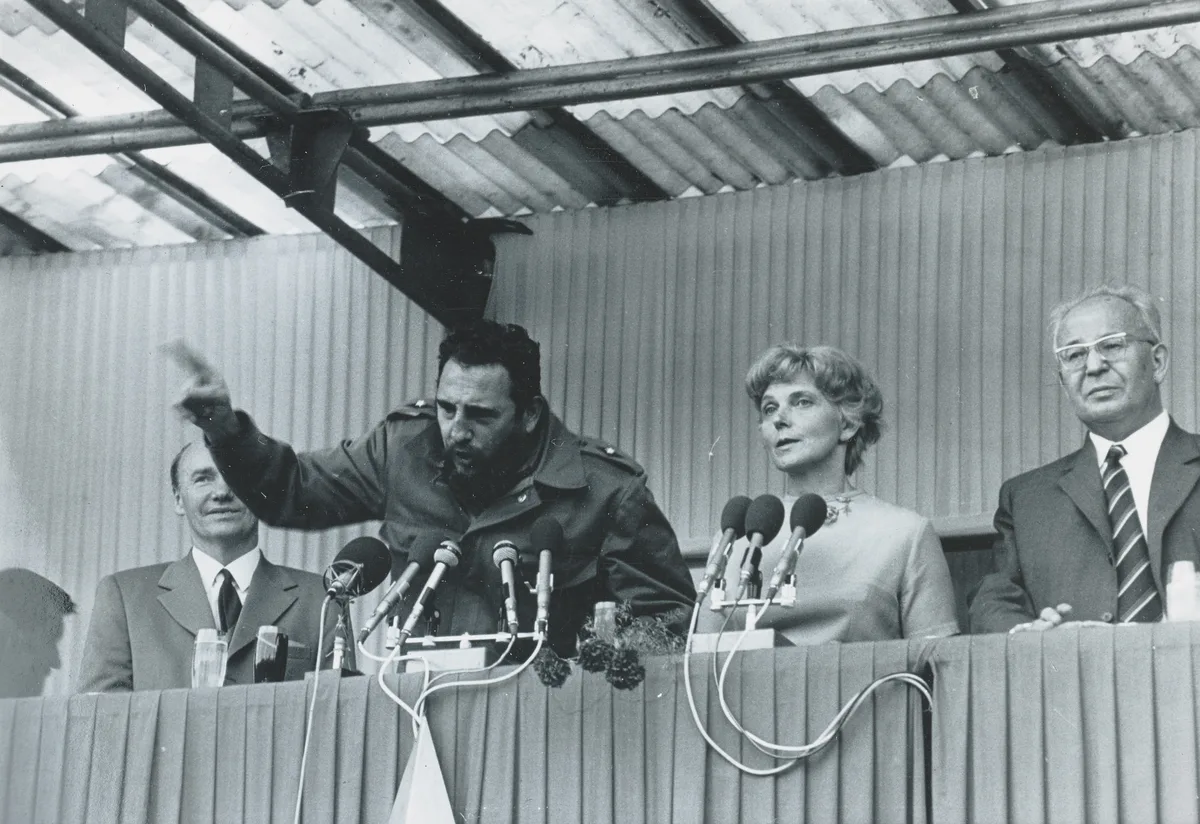 No discussion of **economic sanctions examples in history** would be complete without examining the longest-running and one of the most comprehensive unilateral embargoes: the United States' measures against **Cuba**. Initiated in 1960, in response to Fidel Castro's communist revolution and the nationalization of American-owned properties, the embargo has endured for over six decades, spanning multiple US administrations and outliving its initial Cold War context.
The US embargo, formally known as El Bloqueo in Cuba, restricts almost all trade, financial transactions, and travel between the two countries. Its stated aim has been to pressure the Cuban government towards democracy and respect for human rights. For Cuba, a small island nation just 90 miles from the US coast, the embargo has had profound and far-reaching economic consequences, limiting its access to goods, technology, and foreign investment, and forcing it to seek alternative trading partners.
Despite periodic attempts at rapprochement, most notably during the Obama administration, the core embargo remains largely intact. Its longevity and the profound debate surrounding its effectiveness — whether it has truly achieved its political objectives or merely entrenched the regime and caused hardship for the Cuban people — make it a unique and contentious case study. The US embargo against Cuba stands as a stark reminder of how deeply entrenched political rivalries can manifest in enduring economic warfare, with generations living under its shadow.
Conclusion
From Pericles’ decree to the intricate financial sanctions against modern states, economic pressure has been a constant, if evolving, feature of international relations. History’s tapestry is rich with economic sanctions examples, each offering unique insights. We’ve seen the blunt force of ancient blockades, the ambitious but flawed Continental System, the League of Nations’ hesitant steps, the morally driven global isolation of apartheid South Africa, the complex, targeted measures against Iran’s nuclear program, and the enduring standoff between the US and Cuba.
The key takeaways are clear: Sanctions are a powerful tool, capable of inflicting immense economic pain and contributing to significant political change, as seen in South Africa. However, their effectiveness is rarely guaranteed. They often require broad international consensus, clear objectives, comprehensive scope, and sustained political will to succeed. They can also carry unintended consequences, harming civilian populations, fueling illicit trade, and sometimes even entrenching the targeted regime. As the world becomes ever more interconnected, the silent hammer of economic sanctions continues to be wielded, a testament to humanity’s ongoing quest for influence and control, often without firing a single shot.
You might also like:
👉 Economic Sanctions: Impact on International Trade & Geopolitics
👉 Economic Sanctions: Why They Often Fail to Achieve Goals
👉 Economic Effects of Sanctions on Russia: A Comprehensive Guide