Eid al-Adha: Unpacking the Enduring Legacy of Sacrifice
Explore the profound meaning of Eid al-Adha, tracing its roots to the ancient story of Ibrahim and Isma'il. Unpack the enduring legacy of sacrifice, faith, and devotion that continues to resonate globally.
The Echo of Sacrifice: Unpacking Eid al-Adha’s Enduring Legacy
The desert wind, scorching and relentless, whipped at the worn fabric of their cloaks. A father and his young son, alone under the unforgiving Arabian sun, trudged towards a desolate outcrop of rock. No words were exchanged, yet the air vibrated with an unspoken, terrible understanding. The father, Ibrahim (Abraham), held a knife; his son, Isma’il (Ishmael), carried the wood for the pyre. In a world defined by the capricious whims of pagan deities and tribal loyalties, Ibrahim had dared to place his absolute faith in a singular, unseen God. Now, that faith faced its ultimate, agonizing test. The divine command, whispered in a dream, was clear: sacrifice his beloved son. It was a moment etched into the very bedrock of monotheistic history, a crucible of devotion that would, millennia later, resonate across continents and cultures, manifesting as Eid al-Adha, the Festival of Sacrifice.
The Genesis of Devotion: Ibrahim’s Trial and the Origins of Eid al-Adha
The story begins with a profound trial of obedience, a narrative central to Islam, Judaism, and Christianity, though with distinct interpretations. In the Islamic tradition, Ibrahim, revered as a prophet and patriarch, received a series of visions in which he was commanded to sacrifice his son, Isma’il, born to his wife Hajar. This was not a random act of violence, but a direct divine injunction, testing the very core of Ibrahim’s submission (Islam, meaning “submission to God”). His journey with Isma’il to the plains of Mina, near what would become Makkah, was fraught with spiritual and emotional torment. As they walked, tradition recounts that Shaytan (Satan) appeared three times, attempting to dissuade Ibrahim, then Hajar, and finally Isma’il, from fulfilling the divine decree. Each time, they rebuffed him by pelting him with stones, a symbolic act that pilgrims re-enact to this day.
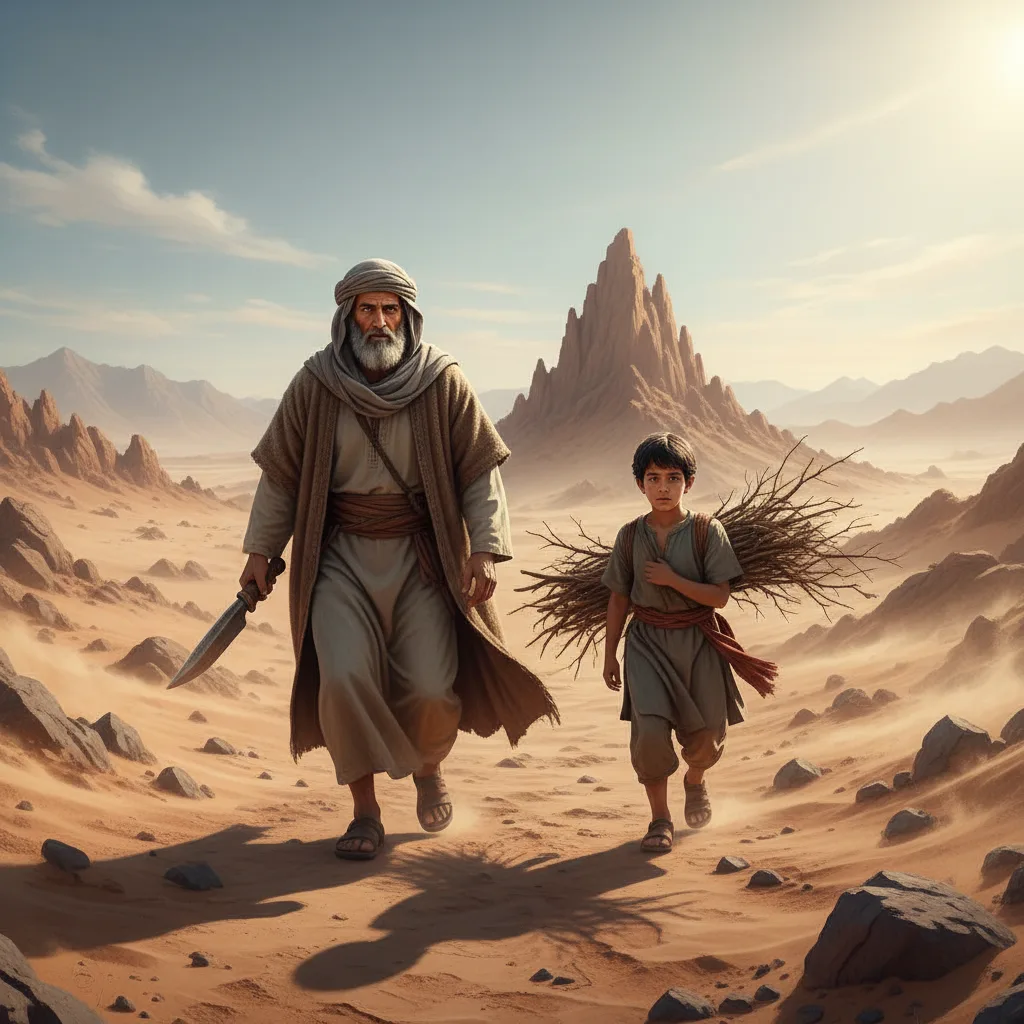
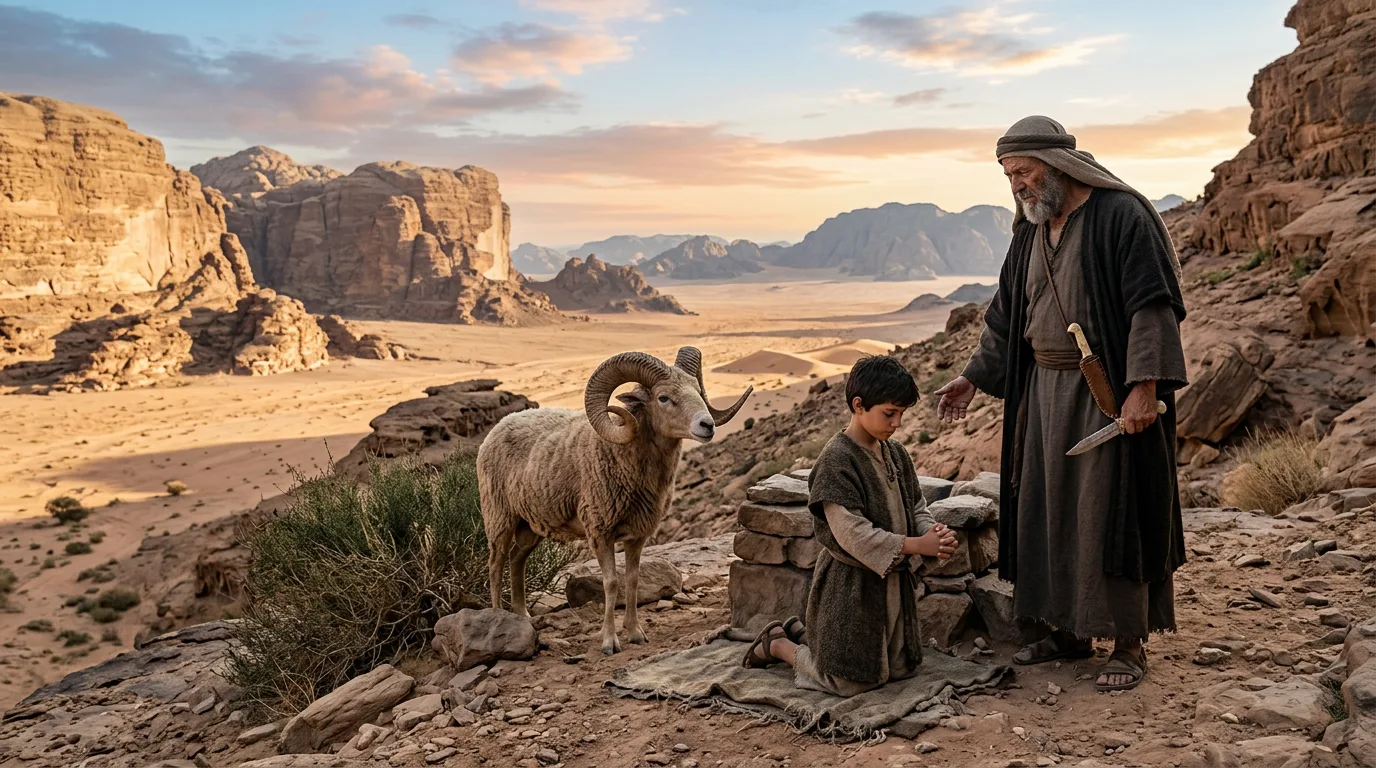
Upon reaching their destination, Ibrahim laid out his heart-wrenching plea to Isma’il, explaining God’s command. Isma’il, with a maturity and faith far beyond his years, responded with unwavering resolve: “O my father, do as you are commanded. You will find me, if Allah wills, of the steadfast.” It was an act of profound mutual submission. As Ibrahim prepared to carry out the sacrifice, his heart heavy, his hand trembled. Just as the blade was about to descend, a voice from the heavens intervened, proclaiming, “O Ibrahim! You have fulfilled the vision!” A magnificent ram, sent by God, appeared, to be sacrificed in Isma’il’s stead. This dramatic intervention cemented the narrative not as a call for human sacrifice, but as an ultimate demonstration of faith, trust, and God’s boundless mercy. The ram’s blood spilled, not Isma’il’s, forever marking this event as the genesis of Eid al-Adha – a remembrance of absolute surrender to divine will.
From Ancient Sands to Prophetic Revival: The Hajj and the Rituals of Eid al-Adha
Centuries after Ibrahim’s monumental act of faith, the Kaaba, the cube-shaped edifice built by Ibrahim and Isma’il in Makkah, had become a focal point of worship. However, over time, the pure monotheism of Ibrahim had been corrupted, surrounded by idols and pagan practices. The annual pilgrimage, or Hajj, though still observed, had devolved into a mélange of rituals tainted by idolatry and tribal rivalries. It was into this historical context that Prophet Muhammad emerged in the 7th century CE, tasked with restoring the pristine message of Islam.
In 632 CE, during his momentous Farewell Pilgrimage, Prophet Muhammad meticulously re-established the rites of the Hajj, purifying them and linking them explicitly back to the legacy of Ibrahim and Isma’il. On the 10th day of Dhul Hijjah, the twelfth and final month of the Islamic lunar calendar, as pilgrims stood on Mount Arafat and then proceeded to Mina, the Prophet formally instituted the observance of Eid al-Adha. He performed the animal sacrifice himself, teaching his companions the correct method and emphasizing its purpose: not as a blood offering to appease a vengeful deity, but as an act of gratitude, compassion, and submission to God, with the meat distributed to the needy. This solidified Eid al-Adha as an integral part of the Hajj, marking its culmination, and simultaneously establishing it as a global festival to be observed by all Muslims, pilgrim or not, wherever they might be. The air around Makkah, already thick with the dust of pilgrims, now carried the scent of freshly spilled blood, not of humans, but of animals offered in remembrance, a powerful olfactory marker of renewed covenant.
The Global Tapestry: Observing the Festival of Sacrifice Across Continents
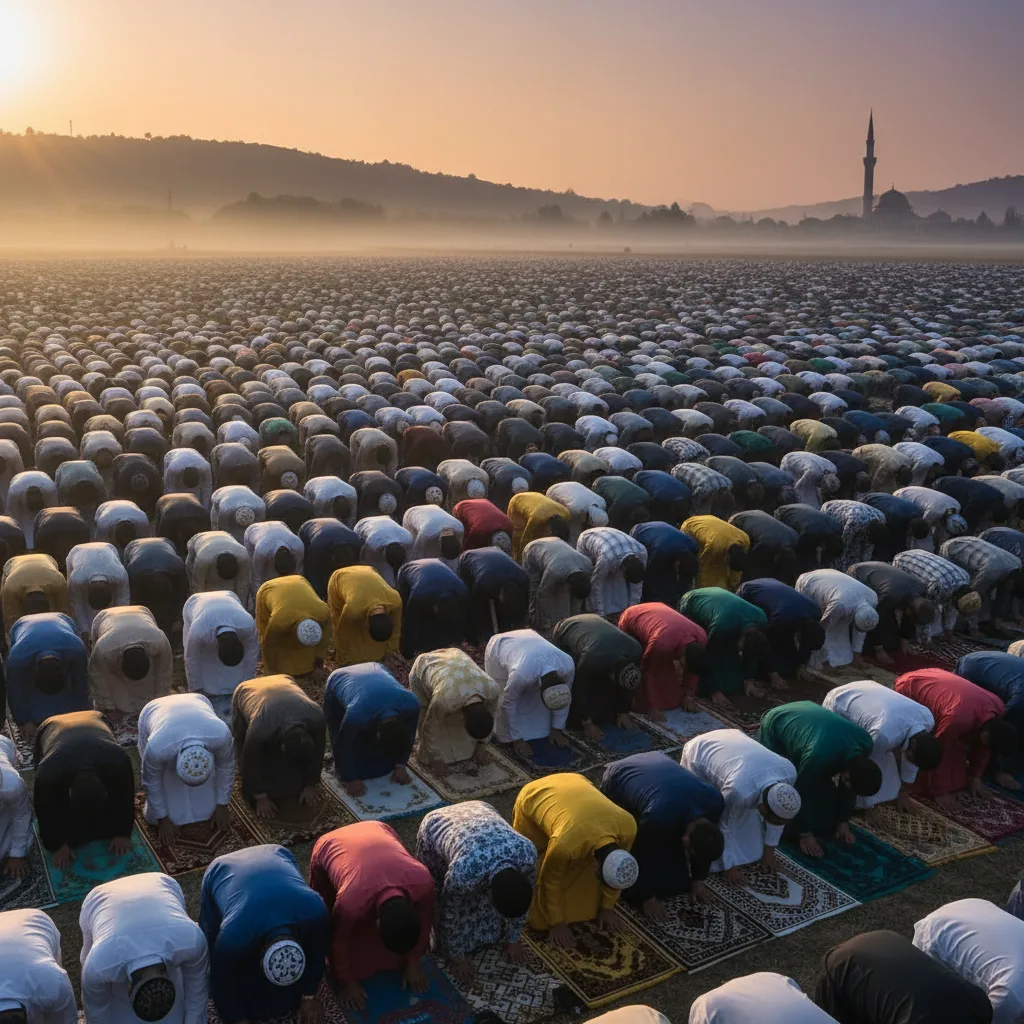
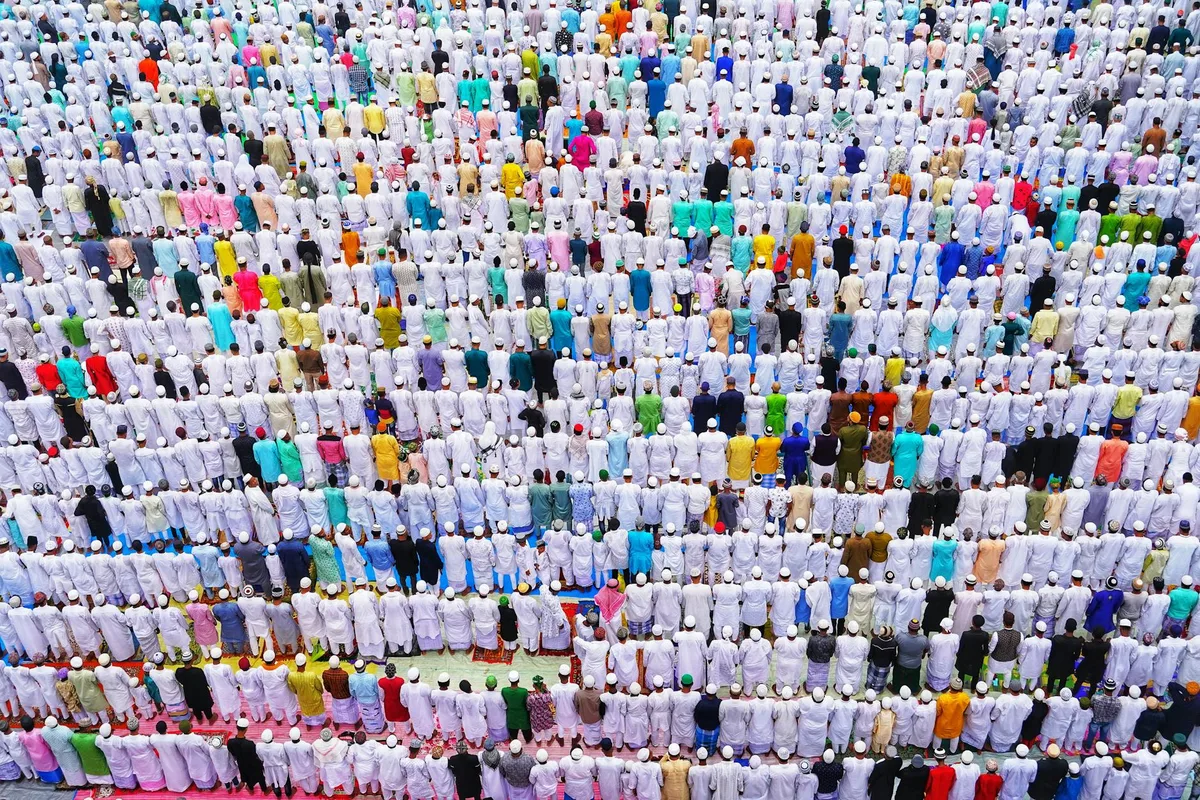 Today, the spirit of Ibrahim's unwavering devotion and Prophet Muhammad's teachings reverberates across the globe. **Eid al-Adha** is a four-day celebration, observed by approximately 1.8 billion Muslims worldwide, transcending national borders, linguistic barriers, and cultural nuances. The festival typically begins with the congregational **Eid prayer** (**Salat al-Eid**) shortly after sunrise. Millions gather in mosques, community centers, or vast open fields, their voices rising in unison, proclaiming "Allahu Akbar" (God is the Greatest). The sight is breathtaking: a sea of worshippers, adorned in new or best attire, bowing and prostrating in perfect synchronicity, a powerful visual testament to global unity.
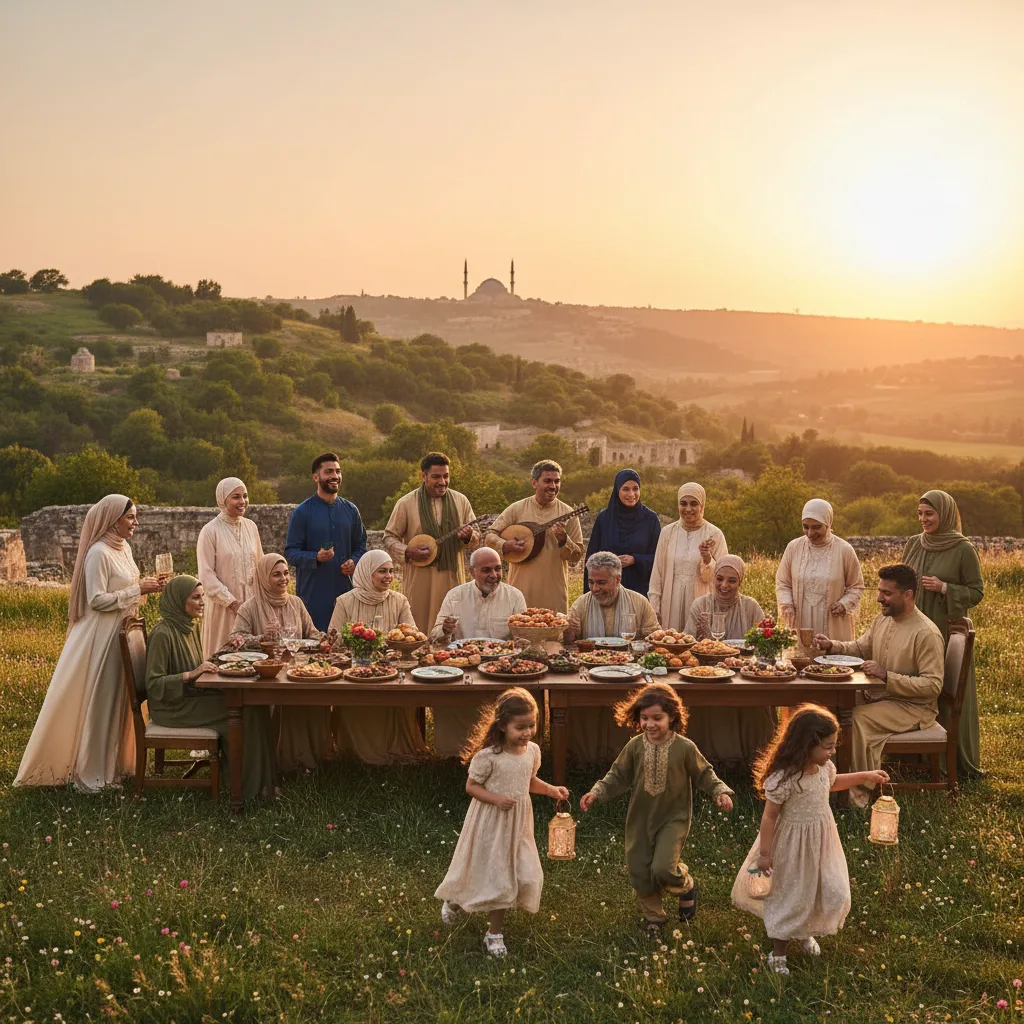
Following the prayer, the central ritual of Qurbani (sacrifice) commences. Muslims who can afford it sacrifice a permissible animal – a lamb, goat, cow, or camel – in remembrance of Ibrahim’s sacrifice. The act is performed with a prayer, thanking God and invoking His name. The fresh, earthy smell of the sacrifice fills the air in many communities, a potent sensory reminder of the day’s significance. The meat is then meticulously divided into three equal portions: one-third for the immediate family, one-third for friends and neighbors, and crucially, one-third for the poor and needy. This distribution is not merely a custom; it is a fundamental pillar of the festival’s ethos, ensuring that the joy and bounty of Eid reach those who often struggle. Families then gather for elaborate festive meals, sharing traditional dishes, exchanging gifts, and visiting relatives and friends. Children, often dressed in new clothes, are given money or sweets (Eidi), their laughter and excitement adding a vibrant soundtrack to the celebrations.
The Philosophy of Submission: Deeper Meanings Behind the Rituals
Beneath the visible rituals of prayer, sacrifice, and feasting lies a profound philosophical core. Eid al-Adha is not merely a historical commemoration; it is a living lesson in submission, gratitude, and communal solidarity. The act of Qurbani is symbolic, representing the individual’s willingness to sacrifice something beloved for the sake of God. It’s a reminder that true devotion often demands personal sacrifice – of ego, of material attachments, of self-interest – in favor of divine will and communal well-being. The animal sacrifice itself is not about the blood or the meat, but the intention behind the act, the purity of one’s heart. “It is not their meat nor their blood that reaches Allah, but it is your piety that reaches Him,” declares the Quran (22:37).
The mandatory distribution of the meat to the poor underscores the festival’s deep commitment to social justice and compassion. It dismantles economic barriers, allowing even the most disadvantaged members of society to partake in the festive meal, fostering a sense of shared humanity and collective responsibility. This act of charity, known as sadaqah, transcends simple giving; it is an affirmation of the interconnectedness of the community, where the fortunate share with the less fortunate, bridging gaps and reinforcing bonds. The introspection that accompanies Eid al-Adha encourages Muslims to reflect on their own lives, their level of submission to God, and their commitment to altruism. It is a time for renewing intentions, forgiving grievances, and strengthening familial and community ties. The festival, therefore, serves as an annual spiritual reset, challenging individuals to embody the virtues of selflessness and generosity exemplified by Ibrahim.
Echoes Through Time: Eid al-Adha’s Cultural and Economic Footprint
The global observance of Eid al-Adha has woven itself into the rich tapestry of diverse cultures, creating a vibrant mosaic of traditions. In Indonesia, the world’s most populous Muslim nation, the day is marked by the communal slaughter of animals in designated areas, followed by elaborate feasts featuring dishes like rendang and sate. In West Africa, particularly in countries like Nigeria and Senegal, the festival, often called “Tabaski,” is celebrated with vibrant attire, traditional drumming, and specific prayers, sometimes accompanied by the sacrifice of rams adorned with intricate patterns. The smells of grilling meat mingle with the sounds of communal singing and celebration. In the Indian subcontinent, the Eid is known as “Bakra Eid” or “Bari Eid,” where families meticulously prepare traditional sweets like sheer khurma alongside savory meat dishes. The exchange of gifts and visiting elders are integral customs.
Beyond its spiritual and cultural dimensions, Eid al-Adha also generates a significant economic ripple effect. The demand for sacrificial animals skyrockets in the weeks leading up to the festival, creating bustling livestock markets from Morocco to Malaysia. Farmers and traders anticipate this annual surge, which injects substantial capital into rural economies. Furthermore, the emphasis on new clothes, gifts, and festive food drives consumer spending in retail sectors. Travel also sees a massive uptick, as millions journey to be with their families, boosting airlines, bus companies, and hotels. In the modern era, the logistics of Qurbani have evolved; many Muslims now opt to donate money to charities that perform the sacrifice on their behalf in developing countries, ensuring the meat reaches those in dire need efficiently. This adaptation highlights the festival’s enduring relevance and its capacity to leverage contemporary mechanisms for its timeless charitable mission, ensuring the aroma of shared sustenance reaches even the remotest corners.
A Timeless Legacy: The Enduring Power of Eid al-Adha
As the sun sets on the final day of Eid al-Adha, the echoes of prayers, the aroma of festive meals, and the joyous sounds of family gatherings begin to fade, leaving behind a profound sense of spiritual renewal. The sheer scale of its observance is a testament to its enduring power: millions of pilgrims concluding their sacred journey in Makkah, while billions more across the globe reflect on its lessons. From the desolate plain where Ibrahim faced his ultimate test to the bustling metropolises of the 21st century, the message remains constant: absolute submission to God, unwavering faith, and boundless compassion for humanity.
This festival serves as a powerful annual reminder that true faith is not passive belief but active submission, requiring personal sacrifice and a commitment to justice and charity. It reinforces the fundamental Islamic values of unity (Ummah), generosity, and gratitude. The legacy of Ibrahim’s profound act, purified and formalized by Prophet Muhammad, continues to inspire introspection and collective action. Each year, Eid al-Adha offers a moment for Muslims to reconnect with their spiritual heritage, to strengthen their bonds of community, and to reaffirm their commitment to a life guided by divine principles. It is a festival that truly binds generations and geographies, an enduring beacon of devotion in an ever-changing world.
Frequently Asked Questions (FAQ)
Q1: When is Eid al-Adha celebrated? A1: Eid al-Adha is celebrated on the 10th day of Dhul Hijjah, the twelfth and final month of the Islamic lunar calendar. As the Islamic calendar is based on lunar cycles, the date varies each year on the Gregorian calendar, shifting approximately 10-11 days earlier annually.
Q2: What is the significance of the animal sacrifice (Qurbani)? A2: The Qurbani, or animal sacrifice, symbolizes Prophet Ibrahim’s (Abraham’s) willingness to sacrifice his son Isma’il (Ishmael) in obedience to God’s command, and God’s merciful intervention. It represents submission to God’s will and serves as an act of gratitude. A crucial aspect is the distribution of the meat to family, friends, and especially the poor, emphasizing charity and communal solidarity.
Q3: How is Eid al-Adha different from Eid al-Fitr? A3: Eid al-Adha, the “Festival of Sacrifice,” commemorates Ibrahim’s devotion and marks the culmination of the annual Hajj pilgrimage. It involves the ritual sacrifice of an animal. Eid al-Fitr, the “Festival of Breaking the Fast,” occurs at the end of the holy month of Ramadan and celebrates the completion of fasting. While both involve communal prayers, family gatherings, and charity, their origins and specific rituals differ significantly.
You might also like:
👉 The Black Stone of Mecca: History, Legends & Spiritual Significance
👉 Baghdad Abbasid Caliphate: Beyond the Golden Age Myth
👉 Unearthing History: Famous Archaeological Discoveries & Their Impact