
Hidden Afflictions: Exploring Rare Diseases & Medical History
Explore the captivating human history of rare medical conditions. From 1888 London, uncover hidden afflictions and how physicians grappled with mysterious symptoms like silvery-blue skin.
Hidden Afflictions: A Human History of Rare Diseases
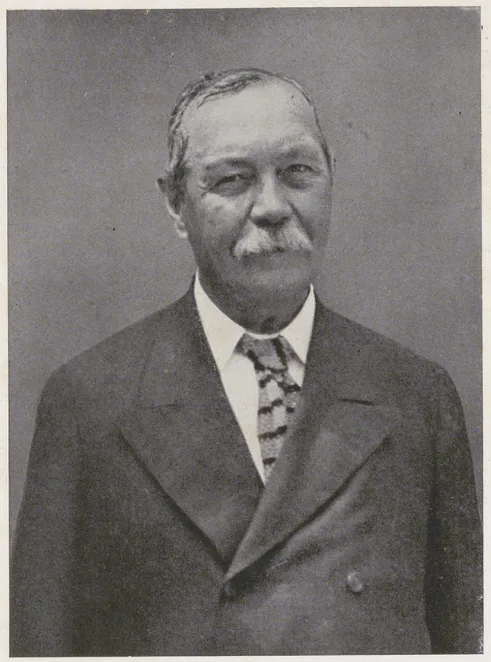 Imagine London in the autumn of 1888. Gas lamps hiss against the swirling fog, casting long, dancing shadows down narrow cobblestone streets. In a private drawing-room, far from the clamor of Whitechapel’s grim notoriety, a small gathering of physicians and curious socialites leans forward, their faces a mixture of fascination and revulsion. Before them stands a young man, perhaps no older than twenty-five, his skin a mottled, silvery-blue. He isn't ill, not in the way they understand consumption or cholera, but profoundly distinct. His appearance is a spectacle, whispered about as a 'curse' or 'divine displeasure.' Some present might label him a 'human exhibit'—a living curiosity whose strange hue defied all medical textbooks of the day. Dr. Arthur Conan Doyle, perhaps, fresh from publishing his first Sherlock Holmes stories, might have been intrigued, but even his powers of deduction would have been stumped by such an anomaly.
That man, whose name is lost to time, likely suffered from Argyria, a rare, irreversible discoloration of the skin and internal organs caused by chronic exposure to silver compounds. In the late 19th century, silver was a common ingredient in tonics and patent medicines, often sold as a universal remedy. People, desperate for relief from various ailments, consumed it unknowingly. They weren’t cursed; they were poisoned. The medical community then, despite its growing grasp of germ theory thanks to Louis Pasteur and Robert Koch, simply lacked the diagnostic tools, the chemical analysis, and the pharmaceutical understanding to connect silver ingestion to this striking skin change. The scientific thinking of the time, based on observation but limited by technology, often led to dismissal, superstition, or outright exploitation. It wasn’t until well into the 20th century, with advances in analytical chemistry and toxicology, that Argyria’s true cause became undeniably clear. This pattern of initial bewilderment and struggle to connect seemingly unrelated facts persists even today, despite our significantly advanced tools.

When Genes Go Wrong
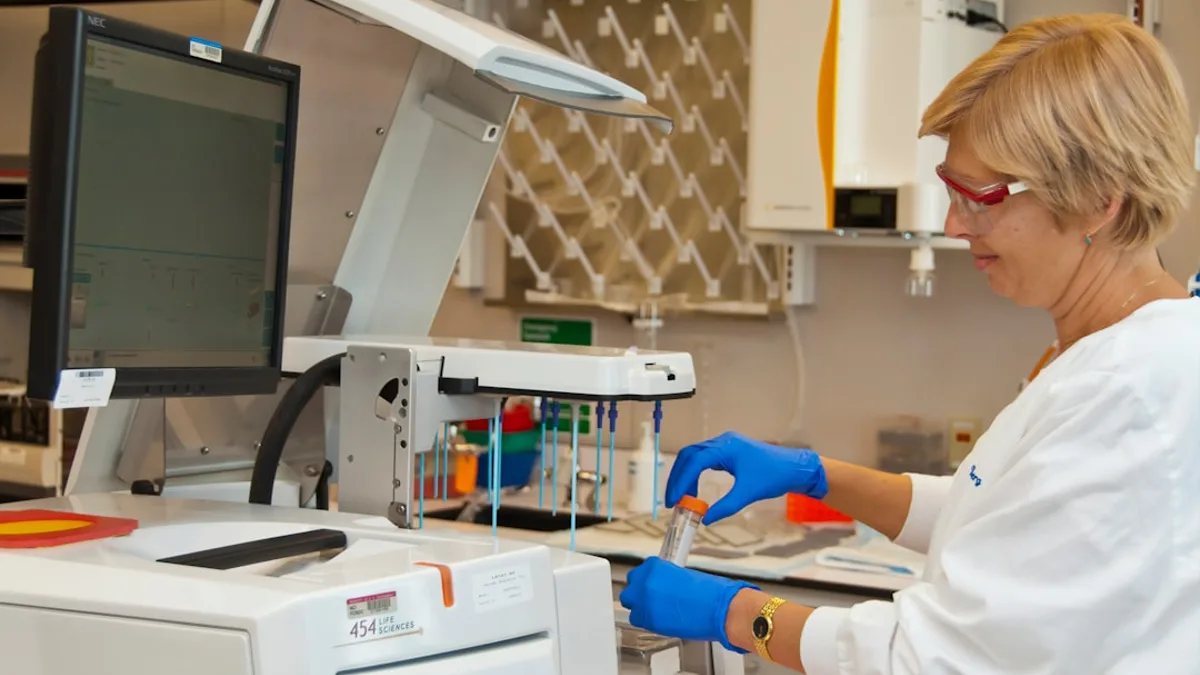 Today, the 'human exhibits' of the past have been replaced by the complex scientific puzzles of genetic medicine. We have moved beyond mere observation to directly examining the very blueprint of life. Yet, the sense of profound difference, the baffling symptoms, persist for individuals living with conditions like *Hutchinson-Gilford Progeria Syndrome (HGPS)* and *Fibrodysplasia Ossificans Progressiva (FOP)*. These aren't just rare; they are profoundly challenging in their manifestation.
 HGPS, for instance, is an ultrarare genetic condition that causes dramatic, accelerated aging starting in early childhood. Children with Progeria often have a distinctive appearance: small, fragile bodies, a large head with prominent scalp veins, and a lack of subcutaneous fat. Their bodies age rapidly, leading to conditions typically seen in the elderly—severe cardiovascular disease, stiff joints, and hair loss—often resulting in death by their mid-teens, usually from heart attack or stroke. In 2003, researchers at the National Human Genome Research Institute, led by Dr. Francis Collins, identified the single gene mutation responsible: a sporadic mutation in the *LMNA* gene. This discovery, published in *Nature*, was a pivotal advance in modern genetics, offering a clear molecular explanation for a condition that once seemed utterly bewildering.
 The discovery of the *LMNA* mutation for Progeria, and later the *ACVR1* mutation for FOP in 2006 by a team at the University of Pennsylvania's Perelman School of Medicine, marked a significant shift from early 20th-century medical thinking. Consider the era of eugenics, especially common in the United States and Europe in the 1920s and 30s. In 1927, the U.S. Supreme Court's ruling in *Buck v. Bell* upheld the forced sterilization of individuals deemed "unfit." The very idea of inherited disease, though still poorly understood at a molecular level, fed a dangerous societal urge to "improve" the human race through selective breeding. Fortunately, such practices are no longer condoned. But the shadow of that fear—the unease with genetic difference—still lingers in conversations around genetic screening and "designer babies." The understanding that genetic differences are biological realities, not moral failings, has fostered an approach rooted in compassion and scientific investigation, replacing historical judgment.
FOP, often called “Stone Man Syndrome,” is another condition that drastically changes the body’s structure. It’s a progressive genetic disorder where skeletal muscle and soft connective tissues, like tendons and ligaments, gradually turn into bone. Even minor injuries, bumps, or surgical procedures can trigger this process, forming extra bone that essentially locks joints, making movement agonizingly difficult and eventually impossible. Imagine being trapped within your own hardening body. There’s no effective treatment, no cure. The International FOP Association estimates there are only about 900 confirmed cases worldwide. For centuries, individuals with FOP would have been medical mysteries, perhaps seen as victims of a curse, their bodies slowly hardening, becoming increasingly immobilized. Early 20th-century physicians might have mistaken new bone formations for tumors, leading to biopsies that, tragically, only made the condition worse. This underscores the critical lesson that intervention without understanding can cause more harm than good. It’s a sobering reminder that even with all our knowledge, the human body holds profound mysteries.
Kuru: When Culture Meets Contagion
Sometimes, rare conditions emerge not from a single gene mutation but from a complex combination of environmental factors, biology, and even cultural practices. Few stories show this more chillingly than the saga of Kuru among the Fore people of Papua New Guinea. This devastating neurodegenerative disease, marked by progressive loss of muscle control, tremors, and emotional instability—often appearing as inappropriate bursts of laughter—wiped out entire villages in the mid-20th century.
When Western scientists, notably American virologist Dr. Carleton Gajdusek, first encountered Kuru in the 1950s, the Fore people themselves had their own explanations: sorcery, magic, or the spirits of their ancestors. Their understanding, while rooted in their culture, contained a crucial, albeit darkly interpreted, truth. Gajdusek and his team began a careful investigation, initially suspecting a slow-acting virus. However, the disease defied conventional infectious models. It was transmitted through ritualistic endocannibalism, specifically the consumption of deceased relatives’ brains during funerary rites, a practice meant to honor the dead. The disease spread rapidly through the female population and young children, who primarily participated in these rituals.
 In 1976, Gajdusek was awarded the Nobel Prize in Physiology or Medicine for his discovery that Kuru was caused by an entirely new class of infectious agents: *prions*. These misfolded proteins, rather than viruses or bacteria, induce other normal proteins to misfold, starting a chain reaction that destroys brain tissue. Kuru became the first human prion disease identified, opening the door for our understanding of Creutzfeldt-Jakob Disease (CJD) and later, Bovine Spongiform Encephalopathy (BSE), or "mad cow disease." This discovery wasn't just about Kuru; it completely changed our understanding of infectious agents, showing that diseases could be transmitted by proteins, not just genetic material.
The Kuru story offers a powerful historical comparison. In the 18th and 19th centuries, European colonial powers often dismissed indigenous medical knowledge as “primitive superstition.” Yet, in the case of Kuru, the Fore people’s practices, however strange to Western sensibilities, held the key to its transmission. Gajdusek’s brilliance lay not just in his scientific rigor but in his willingness to live among the Fore, to observe, and to listen, bridging the gap between Western science and indigenous understanding. This illustrates how arrogance and a failure to engage with diverse perspectives have historically obscured important medical truths. The challenge of integrating local cultural contexts into global health initiatives remains relevant today, highlighting persistent difficulties.
Porphyria: The Real Story Behind the Myths
History isn’t just about scientific discovery; it’s about how society interprets and responds to the unknown. Rare medical conditions, particularly those with dramatic physical or psychological symptoms, have often fueled folklore, superstition, and even persecution. Few conditions show this better than Porphyria, a group of rare genetic disorders that affect the nervous system and skin.
Porphyria’s symptoms can be profoundly distressing. Some forms, like Acute Intermittent Porphyria (AIP), primarily affect the nervous system, causing severe abdominal pain, psychiatric symptoms (anxiety, paranoia, hallucinations), muscle weakness, and even paralysis. Other forms, like Congenital Erythropoietic Porphyria (CEP), also known as Günther’s disease, cause extreme photosensitivity. Sufferers develop severe blistering and scarring on sun-exposed skin, which can lead to disfigurement, excessive hair growth, and reddish-brown teeth due to the accumulation of porphyrins. Historically, in severe cases, the skin could become fragile, break down, and even affect the nose and fingers.
It’s easy to see how, in a pre-scientific age, these symptoms could be interpreted as something supernatural. Imagine a person with severe CEP in 17th-century rural Transylvania: excruciating pain from sunlight, facial disfigurement, excessive hair, and possibly even a craving for blood (iron deficiency could cause this). They might avoid the sun, preferring the night, and exhibit unusual behaviors due to neurological involvement. These characteristics bear a striking resemblance to folkloric descriptions of vampires. Some historians and medical researchers, like Dr. Richard Noll, a historian of medicine, have speculated that severe porphyria, along with other conditions like rabies, may have contributed to the myths of vampires and werewolves in Eastern European folklore. The belief in such creatures was widespread, often leading to panic, grave desecrations, and even witch hunts.
This historical parallel reveals how a lack of scientific understanding not only creates diagnostic gaps but also fuels fear, prejudice, and the demonization of the afflicted. Consider the Salem Witch Trials in 1692-93. While many factors contributed, some historians have proposed that outbreaks of ergot poisoning (from contaminated rye bread), causing convulsions and hallucinations, might have been misinterpreted as demonic possession. Such historical events underscore that unusual symptoms demand rigorous investigation, not immediate supernatural explanations. It’s a hard-won lesson, reminding us that empathy and scientific inquiry are our best defenses against the darkness of misinformation and prejudice. Today, thanks to advances in genetic testing and biochemistry, porphyria can be diagnosed accurately, and while cures are still rare for many forms, treatments exist to manage symptoms, giving sufferers a quality of life unimaginable in earlier centuries.

The Long Road Ahead: Diagnosing and Treating Rare Diseases
The journey from misdiagnosis and myth to genetic clarity and targeted therapies is a testament to human persistence. Yet, for all our advancements, the world of rare diseases remains a complex and formidable frontier. There are over 7,000 known rare diseases, affecting an estimated 300 million people worldwide. The National Organization for Rare Disorders (NORD) defines a rare disease in the U.S. as one affecting fewer than 200,000 people. Many, however, impact only a few dozen or even a handful globally.
One of the biggest struggles, even now, is simply getting a diagnosis. For many patients, the diagnostic journey can last years, involving countless doctors’ visits, misdiagnoses, and immense emotional distress. Dr. Marshall Summar, a rare disease expert at Children’s National Hospital, has often spoken about this “diagnostic delay,” noting that it’s not uncommon for patients to see seven or eight specialists before receiving an accurate diagnosis. This mirrors the frustrations of physicians in the early 20th century, who, despite their best efforts, simply lacked the tools to identify conditions like Progeria or FOP definitively. The fundamental challenge persists, though our investigative tools are now far more sophisticated.
However, the future holds considerable promise. Genetic sequencing, once a prohibitively expensive and time-consuming process, is becoming more accessible. Whole-exome and whole-genome sequencing are transforming diagnostics, allowing clinicians to pinpoint the exact genetic mutations responsible for conditions that once seemed like unsolvable puzzles. This represents a profound shift, akin to the late 19th-century advent of the X-ray, which first allowed physicians to non-invasively visualize the body’s interior. Just as X-rays provided an unprecedented internal view, genetic sequencing offers a new window at the molecular level.
The development of orphan drugs—pharmaceuticals specifically developed for rare diseases—is another significant advancement. The U.S. Orphan Drug Act of 1983, a significant piece of legislation, encouraged pharmaceutical companies to invest in treatments for these small patient populations, offering tax credits and market exclusivity. Before this, the economic incentive simply wasn’t there. This reflects earlier public health movements, like the campaigns against tuberculosis in the early 20th century, which required collective action and government funding to tackle widespread problems. It underscored that market forces alone do not always adequately address the most pressing health needs.
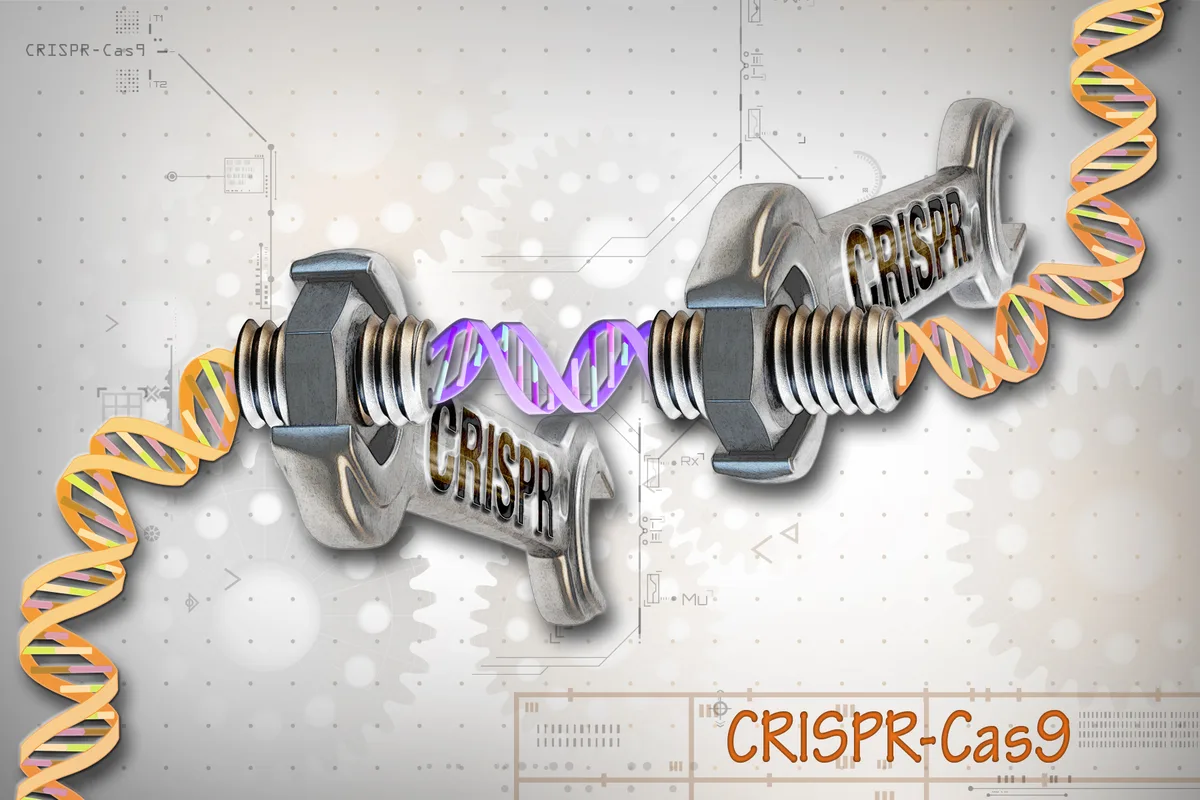 Looking forward, the promise of gene therapy, where faulty genes are replaced or repaired, offers revolutionary possibilities for many single-gene rare diseases. CRISPR-Cas9, the gene-editing tool, is already being explored in clinical trials for conditions like sickle cell disease and certain forms of blindness. AI and machine learning are set to accelerate drug discovery and improve diagnostic algorithms, potentially shortening that agonizing diagnostic journey for future generations.
However, these advancements bring their own set of challenges: astronomical costs, ethical considerations around gene editing, and ensuring fair access globally. Just as the widespread adoption of penicillin in the 1940s brought the unforeseen challenge of antibiotic resistance, so too will today’s medical marvels present new complexities. Beyond finding cures, these advancements compel a redefinition of what it means to be human, to be healthy, and to live with difference. The pursuit of understanding, sparked by persistent mysteries, continues. And while history rarely repeats itself precisely, the patterns of hope, struggle, and the tireless quest for knowledge continually echo through time.
Frequently Asked Questions about Rare Medical Conditions
Q1: What constitutes a “rare disease”? A1: In the United States, a rare disease is defined as a condition affecting fewer than 200,000 people. This definition varies internationally; for example, in the European Union, a disease is considered rare if it affects fewer than 1 in 2,000 people.
Q2: How prevalent are rare diseases globally? A2: There are over 7,000 known rare diseases. While individually rare, collectively they affect an estimated 30 million Americans and around 300 million people worldwide.
Q3: What are the primary challenges faced by rare disease patients? A3: Key challenges include delayed or incorrect diagnosis, limited access to knowledgeable specialists, lack of effective treatments (only about 5% of rare diseases have an FDA-approved treatment), and the significant financial and emotional burden on patients and their families.
Q4: Are most rare diseases curable? A4: Unfortunately, no. While research is progressing rapidly, especially in gene therapies, the vast majority of rare diseases currently lack a cure. Treatment often focuses on managing symptoms, slowing disease progression, and improving quality of life.
You might also like:
👉 Significant Medical Breakthroughs: A Journey Through Medicine History
👉 The Human Brain: Unraveling Its Mysteries & How It Works
👉 Simone Biles ADHD: Reshaping Sports, Stigma & Mental Health