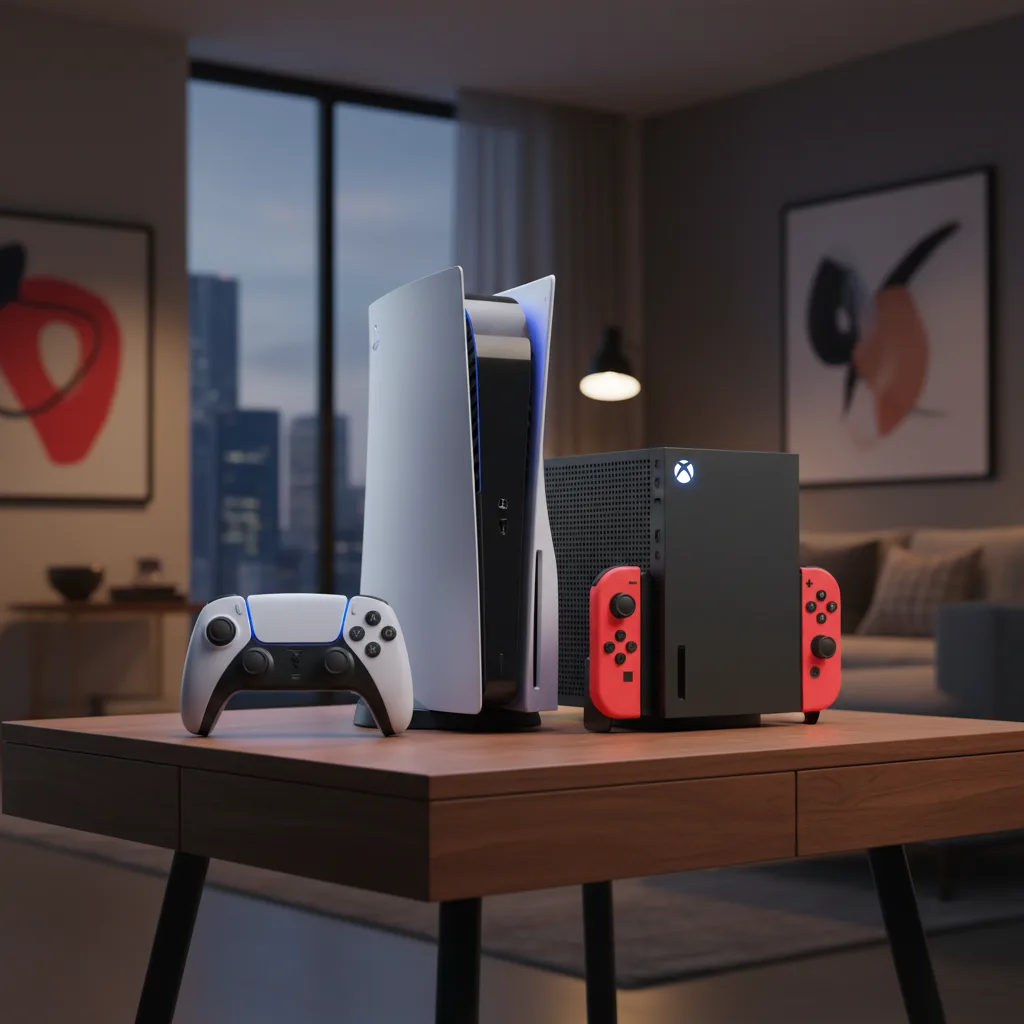
Are Consoles Obsolete? Not in a $184 Billion 2023 Market!
Many believe consoles are obsolete, but the $184 billion global video game market in 2023 shows they're still essential for millions.
The console’s game isn’t over
The global video game market reached an estimated $184 billion in 2023, according to Newzoo. Consoles take a significant share of this market. Millions worldwide still use them for interactive entertainment. Despite common beliefs, gaming consoles are far from obsolete. Many point to powerful PCs, widespread mobile games, and cloud streaming as reasons for their decline. But this view is too narrow. Console gaming is not just surviving; it is thriving and changing. Sony’s PlayStation, Microsoft’s Xbox, and Nintendo’s Switch are the main players. These specialized electronic devices connect to a TV and use controllers, built specifically for games.
Consoles still rule for good reasons
The PlayStation 5 sold over 50 million units by December 2023, Sony announced. It launched in November 2020. The Xbox Series X|S, released the same month, also sold well. This pushed Microsoft’s gaming revenue to record highs, Statista reported. Nintendo’s Switch, launched in 2017, sold over 139 million units by late 2023, according to Nintendo. These numbers prove the market is strong.
Consoles have clear upsides that other platforms lack. One big reason is exclusive titles. These games are made only for one system. “Marvel’s Spider-Man 2” is only on PlayStation, for example. “Halo Infinite” is an Xbox game. “The Legend of Zelda: Tears of the Kingdom” plays only on Nintendo Switch.
These exclusives often show what a console can really do. They give players strong reasons to pick a specific system. Developers can fine-tune their games for one hardware setup. This means a polished, fast experience.
Another key benefit is the ease of use. Consoles are “plug and play.” No need to check hardware or install drivers. Gamers just pop in a disc or download a game and start playing. This simple setup appeals to everyone, from casual players to hardcore fans.
A console’s fixed hardware helps developers. They know exactly what specs their game will run on. This lets them deeply optimize, getting the most performance and best visuals. PC gaming, however, must work with thousands of different hardware setups. This optimization often means console players get a more stable game.
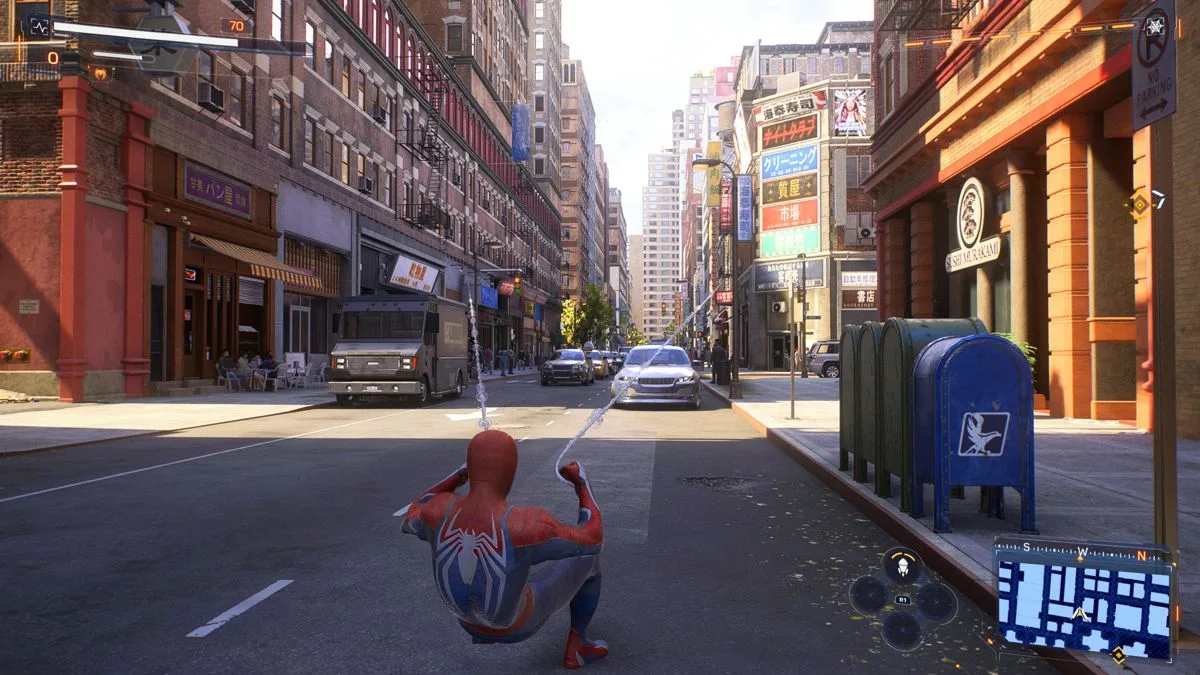
Marvel's Spider-Man 2, a critically acclaimed PlayStation 5 exclusive, sold over 2.5 million copies in its first 24 hours, demonstrating the power of exclusive titles in driving console sales and showcasing the system's graphical capabilities. (Source: mobygames.com)
Consoles also shine at creating shared experiences. Couch co-op games, where friends play together on one screen, are still popular. The living room console often becomes a family entertainment hub. It connects players in ways mobile devices or individual PCs can’t.
Challengers emerge: PCs, mobile, and cloud
Consoles have strengths, but powerful alternatives exist. PC gaming, for example, has long offered better graphics and frame rates. High-end gaming PCs give users endless customization and freedom. PC players can upgrade parts, use different input devices, and get thousands of games from stores like Steam.
Mobile gaming is now the biggest part of the global games market. It made an estimated $90.4 billion in 2023, says Newzoo. Smartphones are everywhere, making games available to billions. Most mobile games are free, which makes it easy to start playing. This casual access is very different from the upfront cost of a console.
Cloud gaming, or game streaming, is another growing rival. It lets players stream games over the internet, like Netflix streams movies. The actual game runs on remote servers. This means users don’t need powerful hardware at home. Services like Xbox Cloud Gaming, NVIDIA GeForce Now, and Amazon Luna offer huge game libraries.
Cloud gaming promises high-quality games on almost any device. Your phone, tablet, or smart TV can become a game machine. But cloud gaming has real problems. Latency, the delay between your input and the screen’s reaction, can hurt competitive play. A fast, steady internet connection is vital. Many places still lack the network to make streaming perfect.
Cloud gaming often uses a subscription model. Players don’t “own” the games in the old way. This differs from consoles, where purchased games can be played offline forever. Many gamers still like owning physical games or permanent digital licenses. Analyst Lewis Ward from IDC said in 2022 that cloud gaming will grow. But he thinks it will add to, not take over, console gaming for a long time.
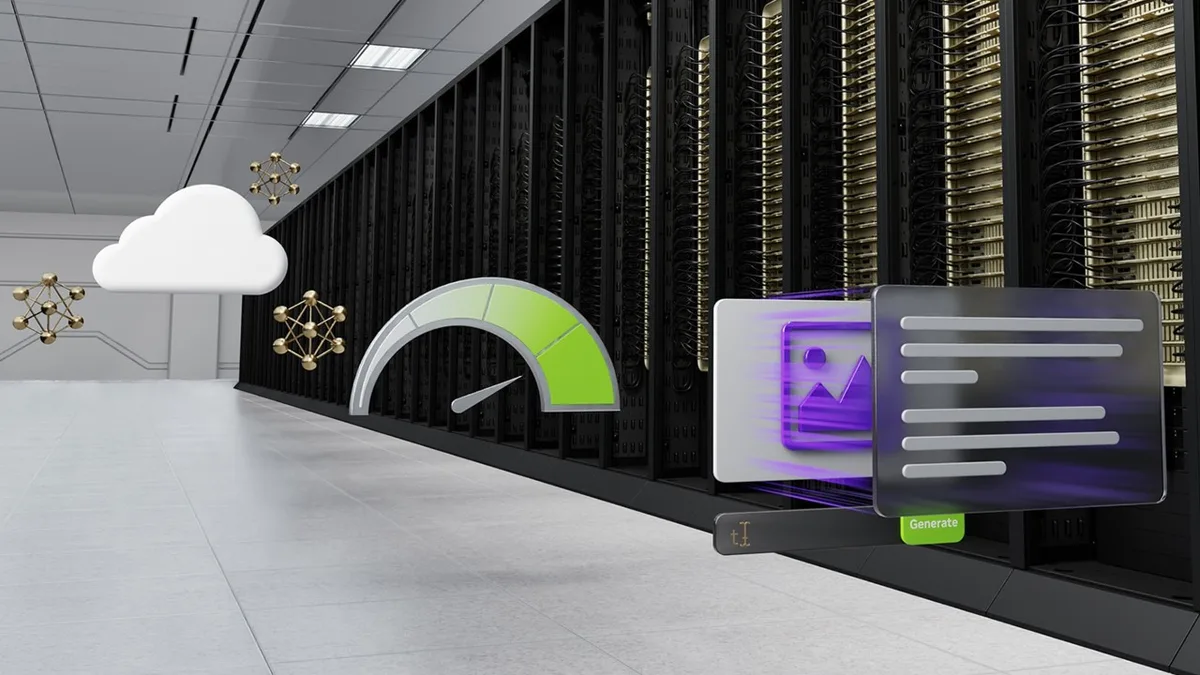
Behind the scenes of cloud gaming, vast server farms like this one run games remotely, streaming them to players' devices. This technology eliminates the need for powerful home hardware but relies heavily on fast, stable internet connections. (Source: nvidia.com)
How consoles are changing
Consoles aren’t standing still; they keep changing. They’ve gone from simple game boxes to full entertainment centers. Today’s consoles stream movies, TV, and music. They let you browse the web and use social media. This makes them a key part of many living rooms.
Subscription services have deeply changed how consoles work. Microsoft’s Xbox Game Pass, started in 2017, gives you hundreds of games for a monthly fee. New first-party titles are included on day one. Sony’s new PlayStation Plus has similar options, like classic games and cloud streaming. These services give players a lot of value. They let you try many games without buying each one.
Digital distribution has mostly taken over from physical discs for many gamers. Sony and Microsoft both sell disc-less consoles. Games download right to the console’s storage. This makes getting games easier and cuts down on physical waste. You also get instant access to updates and new content.
Cross-play and cross-progression are now common. Cross-play lets players on different systems play together. “Fortnite,” for instance, works across PlayStation, Xbox, Switch, and PC. Cross-progression means your game saves and achievements move with you across devices. This freedom breaks down platform walls. It makes gaming more social and easier to access.
Phil Spencer, Head of Xbox, often talks about “gaming everywhere.” His idea is to make Xbox games available on consoles, PCs, and mobile devices through cloud streaming. This shows how console makers think past just the box. They’re building systems that give players choice and flexibility. They’re connecting services that link players across different platforms. Consoles also continue to add new tech, such as virtual reality. The PlayStation VR2, for instance, launched in 2023. It makes the PS5 experience better with VR gaming.
The future: integrated, not obsolete
Consoles will not become obsolete. The market is not a zero-sum game where one technology completely replaces another. Instead, different gaming platforms fit different needs. Mobile gaming offers quick, casual fun. PC gaming provides top power and customization. Consoles deliver a smooth, high-quality, dedicated gaming experience.
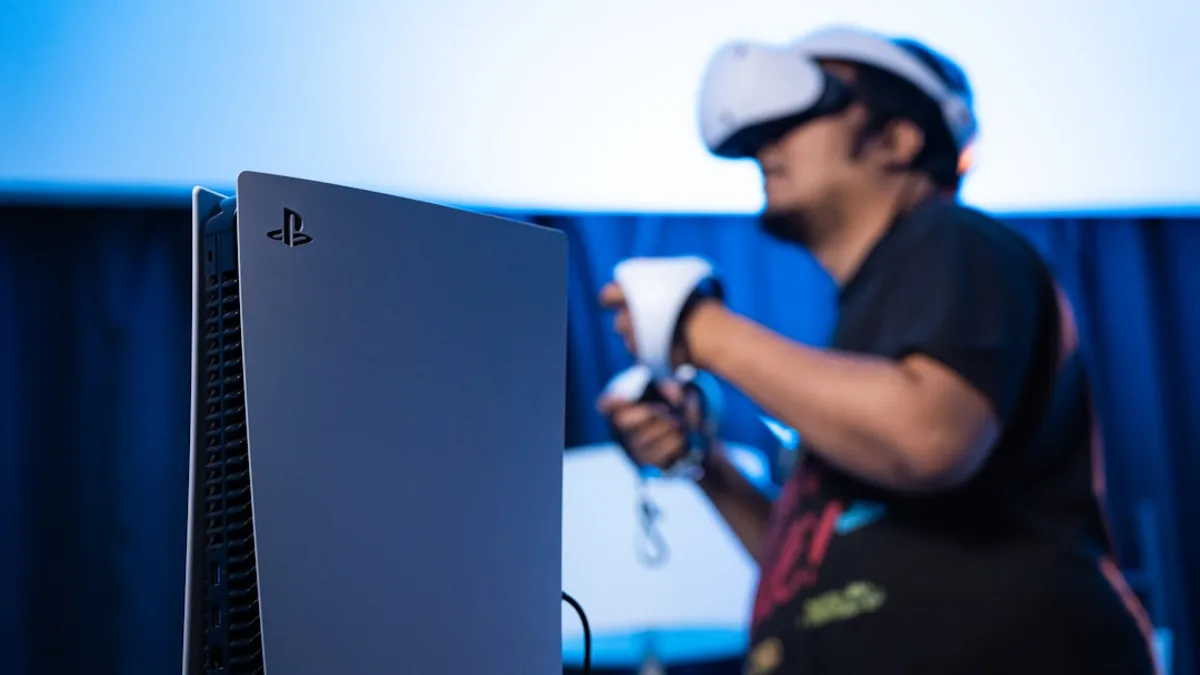
Launched in 2023, the PlayStation VR2 is Sony's advanced virtual reality headset designed exclusively for the PlayStation 5, showcasing how consoles continue to integrate cutting-edge technology to enhance the gaming experience. (Photo: Amanz / Unsplash)
DFC Intelligence, a market research firm, said in 2023 that dedicated gaming hardware will keep selling well. They predict steady growth for consoles through this generation and the next. Consoles stay popular because of their focused experience. They have strong hardware built for games. They give a simple, steady way to play the newest big titles.
Future consoles will likely connect even more with cloud services. They might work better with PC and mobile systems. Imagine playing a game on your console at home, then picking it up on a handheld device through the cloud. The lines between platforms will blur. But the console itself will remain a key part of this connected world.
The real question isn’t if consoles will die out. It’s how they will keep changing and finding their place. They’ll offer a powerful, focused, and easy-to-use path to great gaming. They will live alongside, and often add to, the bigger, multi-device gaming world. The console’s game is far from over.
FAQ
Q: Are console sales declining? A: No. Recent sales for PlayStation, Xbox, and Nintendo Switch show strong, steady demand. Millions of units sell each year.
Q: Is cloud gaming going to replace consoles? A: Cloud gaming is growing and convenient. But it has tech problems like latency and needs a steady internet connection. Analysts think it will add to consoles, giving more ways to play, not replace them.
Q: What’s the main reason to buy a console today? A: Consoles give you a simple, “plug and play” high-quality gaming experience. They often have exclusive games you can’t get anywhere else. They also act as entertainment centers for your living room.
Q: Will consoles eventually merge with PCs? A: Consoles are taking on some PC features, like subscriptions and digital stores. But they will probably stay separate. Consoles focus on being easy to use and having fixed hardware built for games. This makes them different from the highly customizable PC market.
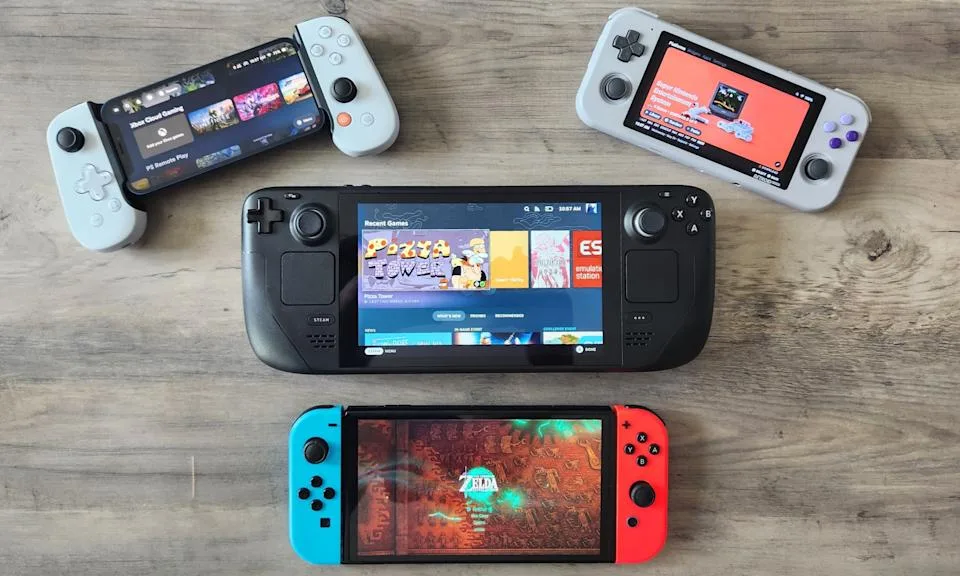
Modern handheld gaming devices like the Nintendo Switch, Steam Deck, and PlayStation Portal exemplify the blurring lines between traditional consoles and portable play, often leveraging cloud streaming or remote play to extend the gaming experience beyond the living room. (Source: engadget.com)
You might also like:
👉 The $546 Billion Space Race: Private Money, Global Rivalries
👉 Virtual Reality Applications: Exploring VR’s Impact Across Industries
👉 The Future of DeFi Protocols: Navigating Web3’s Financial Revolution