Houston Rodeo: Unveiling Its Economic Power & Political Influence
Explore the Houston Rodeo's hidden power as a non-profit, commanding an economic output rivaling a small nation's GDP and influencing state politics. Discover its true impact.
The Unseen Empire: Unpacking the Houston Rodeo and Livestock Show’s True Power
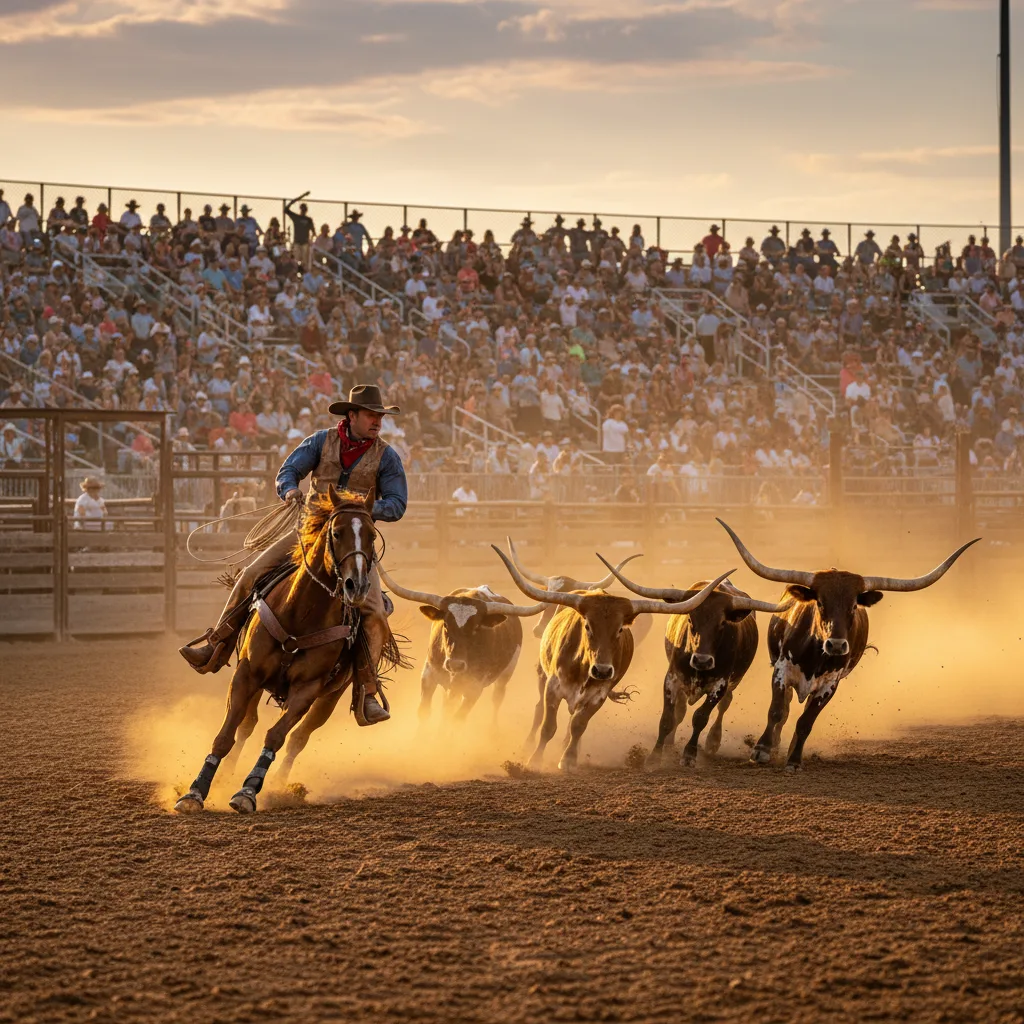
What if an annual festival, ostensibly celebrating cowboy heritage and agriculture, quietly commanded an economic output comparable to a small nation’s GDP, influenced state politics, and shaped the destinies of thousands, all while operating as a non-profit? Beneath the dust and dazzle of bucking broncos and chart-topping concerts, the Houston Rodeo and Livestock Show (HLSR) is not merely a spectacle; it is a meticulously engineered economic engine, a potent political proving ground, and a cultural crucible whose true depth and influence are rarely subjected to forensic examination. This isn’t just a rodeo; it’s an empire built on tradition, ambition, and an almost unparalleled volunteer spirit, yet its inner workings raise profound questions about its future, its impact, and the subtle power it wields.
The Goliath Beneath the Grandstand: Economic Engine or Public Spectacle?
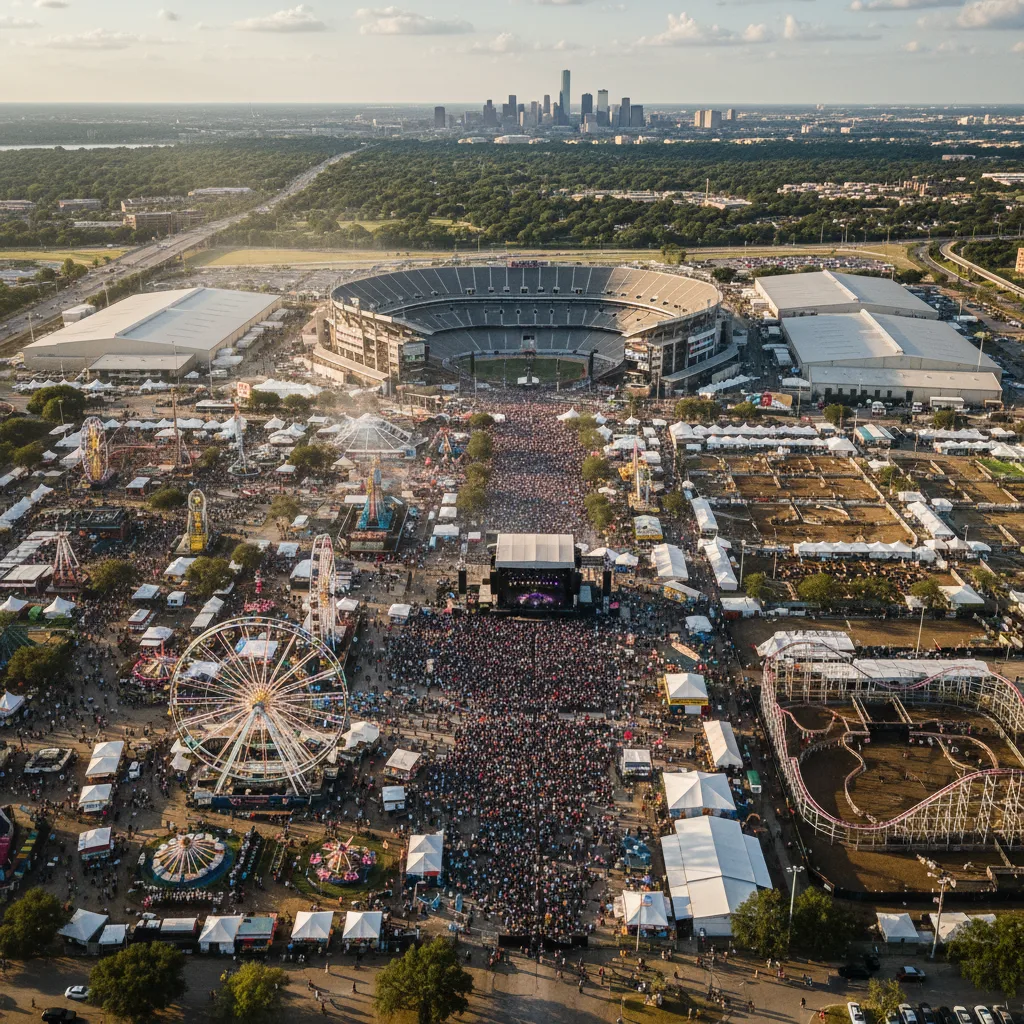
The sheer scale of the Houston Livestock Show and Rodeo is staggering, often obscured by the vibrant veneer of entertainment. Every February and March, for roughly three weeks, NRG Park transforms into a sprawling metropolis of livestock barns, carnival rides, concert stages, and exhibition halls, drawing an audience that routinely surpasses 2.5 million visitors. This isn’t just a crowd; it’s a demographic tsunami. In 2019, an independent study commissioned by the HLSR itself, and conducted by the University of Houston’s Hobby School of Public Affairs, pegged the event’s total economic impact on the Houston area at an astounding $227 million. This figure, often cited, includes direct spending by attendees and exhibitors, indirect business-to-business transactions, and induced spending by employees whose incomes are supported by the event. It’s an economic pulse that reverberates far beyond the rodeo grounds, affecting hotels, restaurants, transportation networks, and countless local businesses.
Yet, a critical distinction remains: the HLSR operates as a 501(c)(3) non-profit organization. Its stated mission is to promote agriculture, support Texas youth, and preserve Western heritage. Since its inception in 1932, the organization has committed over $500 million to scholarships and educational programs for students across Texas. This philanthropic backbone is undeniably impressive, funding thousands of futures. But critics might ask: does its non-profit status fully reflect the immense commercial machinery at play? Corporate sponsorships from giants like Coca-Cola, Ford, and Wells Fargo are not merely donations; they are strategic investments in brand visibility and access to a massive, diverse audience. The HLSR’s annual operating budget, which hovers in the hundreds of millions, represents a complex interplay of ticket sales, concession revenues, merchandise, and these crucial corporate partnerships. The challenge lies in discerning where the spectacle ends and the strategic economic and social engineering truly begins. Is it primarily a charity, or a multi-million-dollar enterprise skillfully cloaked in philanthropy?
The Unspoken Influence: Power, Politics, and the Houston Rodeo and Livestock Show
Beneath the Stetson hats and custom buckles, the HLSR is a formidable nexus of power and political influence. Its Board of Directors reads like a who’s who of Texas’s corporate and civic elite, featuring CEOs of major energy companies, prominent real estate developers, influential attorneys, and former elected officials. These are not merely figureheads; they are individuals with extensive networks and a vested interest in the region’s economic and political landscape. Serving on an HLSR committee, especially one of its 100+ specialized groups with over 35,000 dedicated volunteers, is often seen as a significant stepping stone or validation in Houston’s social and professional hierarchy. This volunteer army, while driven by genuine passion, also represents a vast, interconnected web of community leaders and decision-makers.
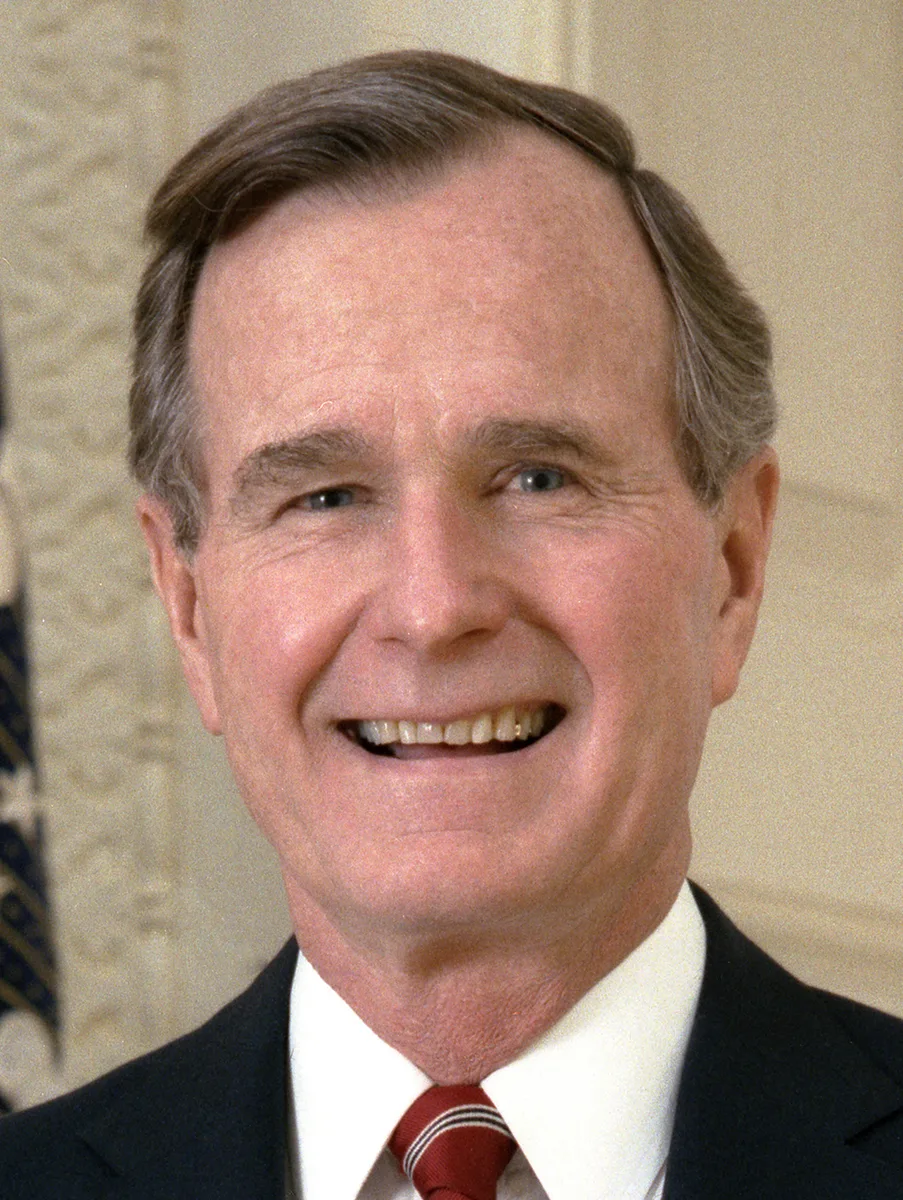 Historically, the rodeo has served as an unofficial proving ground and networking hub for politicians. From **George H.W. Bush** to **Rick Perry**, countless state and national figures have made appearances, delivered speeches, and pressed flesh at the HLSR, understanding its unique ability to connect with a broad cross-section of Texas voters. The event provides an unparalleled platform for candidates to project an image of being "in touch" with Texas values, agriculture, and community spirit. But the influence extends beyond photo opportunities. The HLSR's advocacy efforts, subtly woven into its mission of promoting agriculture, can carry significant weight in legislative debates concerning land use, water rights, and educational funding. When an organization with such broad public appeal and powerful leadership voices concerns, those concerns often translate into policy discussions in Austin. The question then becomes: how transparent are these connections, and to what extent does this influential non-profit shape public discourse and policy beyond its stated educational mission? The lines between philanthropy, public relations, and political leverage are often blurred, making a clear assessment challenging.
Beyond the Chute: The Livestock Show’s Enduring Legacy and Ethical Crossroads
At the heart of the HLSR, preceding the concerts and carnival lights, lies the Livestock Show – a tradition that anchors the entire event to its agricultural roots. This is where thousands of FFA (Future Farmers of America) and 4-H students from across Texas converge, showcasing animals they have meticulously raised, fed, and groomed for months, sometimes years. The competition is fierce, judged by experts on criteria ranging from conformation to market readiness. For these young exhibitors, the stakes are incredibly high. A grand champion steer, lamb, or hog can fetch hundreds of thousands of dollars at auction, translating directly into scholarship funds that pave the way for higher education. For example, in 2023, the Grand Champion Steer sold for a record-breaking $1 million, with the proceeds benefiting the student and the HLSR’s scholarship fund. This system is a powerful incentive, fostering responsibility, hard work, and a deep understanding of animal husbandry.
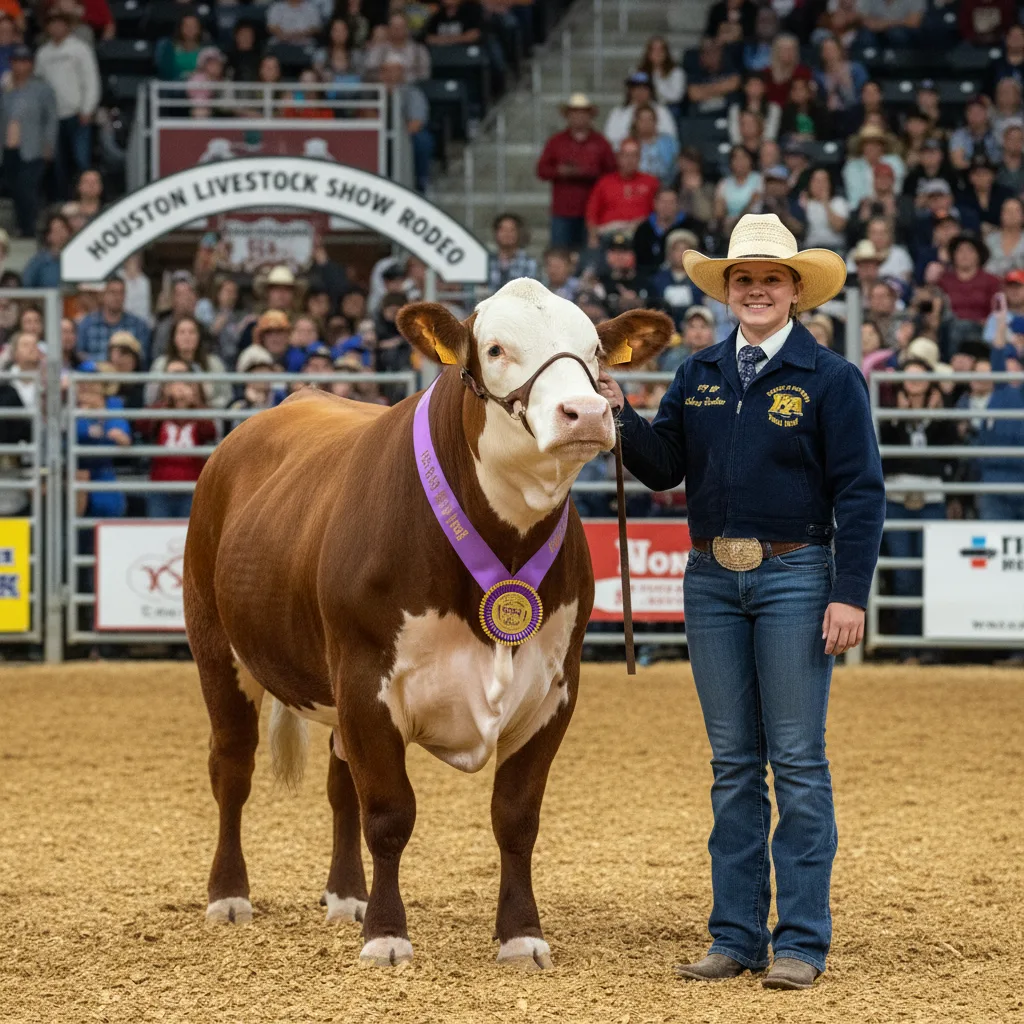
However, this core component is not without its controversies. Animal welfare organizations, most notably PETA (People for the Ethical Treatment of Animals), have long protested rodeos, citing concerns about the treatment of animals in competitive events like steer wrestling, calf roping, and bull riding. They argue that the pursuit of entertainment and prize money often comes at the expense of animal well-being. The HLSR counters these claims by emphasizing its rigorous animal care protocols. The organization employs a dedicated team of veterinarians, including Dr. Joe Mask, HLSR Chief Operations Officer and a veterinarian himself, who oversee all aspects of animal health and safety. Animals are inspected upon arrival, continuously monitored, and receive immediate medical attention if needed. Arenas are designed with safety in mind for both animals and human competitors. This presents a stark ethical crossroads: Is the preservation of a deep-seated agricultural tradition, which undeniably benefits thousands of youth, inherently compatible with modern animal welfare sensibilities? The debate continues, underscoring a tension between heritage, education, and the evolving moral compass of society.
The Cultural Crucible: Tradition, Transformation, and the Houston Rodeo and Livestock Show
The Houston Rodeo has always been a fascinating blend of the old and the new, a cultural crucible where deep-seated Texan traditions meet the demands of a rapidly modernizing, increasingly diverse urban landscape. What began as a local stock show in the 1930s has transformed into a global entertainment phenomenon, largely due to its ingenious embrace of popular music. The decision to integrate major concert acts, starting in the 1960s, was a stroke of genius that broadened its appeal exponentially. Today, the concert lineup is as anticipated as the rodeo itself, featuring a dizzying array of genres from country legends like George Strait and Garth Brooks to pop superstars like Beyoncé and Latin sensations. This strategic diversification has allowed the HLSR to remain relevant to generations of Houstonians, from traditional ranching families to urban millennials with no direct ties to agriculture.
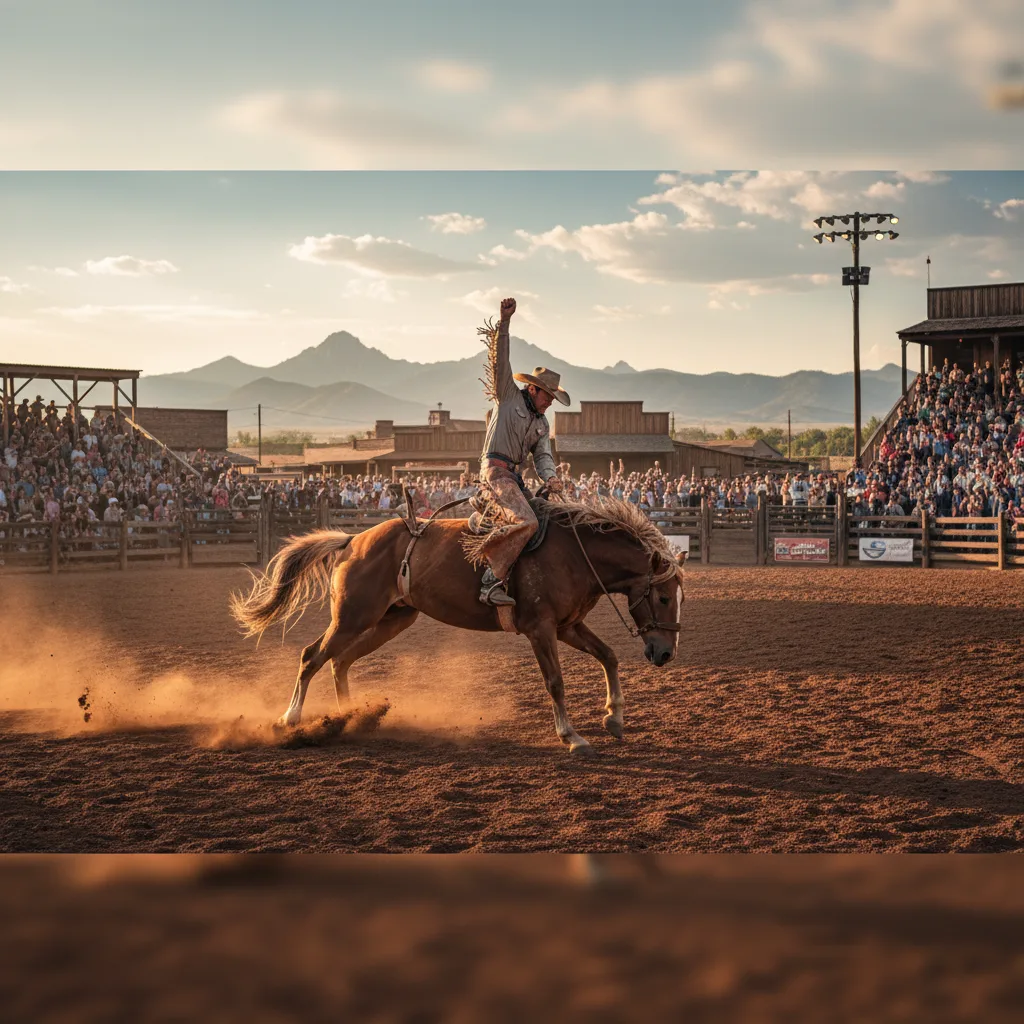
This transformation, however, sparks its own internal debates. Is the event still a “true rodeo,” or has it become primarily a music festival with a Western theme? Purists might lament the commercialization, arguing that the focus has shifted from the agricultural roots to celebrity performances and carnival attractions. Yet, the HLSR has masterfully navigated this tension, ensuring that the livestock show, youth competitions, and traditional rodeo events remain central to its identity. The World’s Championship Bar-B-Que Contest, a massive precursor event, draws hundreds of teams and tens of thousands of visitors, celebrating another cornerstone of Texas culture. The “RodeoHouston” invitational format, drawing top professional cowboys, maintains a high level of athletic competition. The challenge for the HLSR is to continue evolving to attract new audiences while faithfully preserving the heritage it champions. It’s a delicate balancing act, one that defines its unique cultural position.
The Unanswered Questions: Sustainability, Scale, and the Next Frontier
As the Houston Livestock Show and Rodeo marches deeper into the 21st century, several pressing, unanswered questions loom large, challenging its long-term sustainability and defining its next frontier. Can an event of this magnitude continue its exponential growth in an increasingly urbanized Houston? The city’s sprawl continues to consume agricultural land, creating a paradox for an organization dedicated to promoting agriculture. The environmental footprint of hosting 2.5 million people, thousands of animals, and extensive infrastructure for three weeks is substantial – from waste management to energy consumption. How effectively does the HLSR measure and mitigate these impacts, and what are its plans for a greener future?
Furthermore, the delicate balance between tradition and progress remains a constant tightrope walk. How will the HLSR address evolving societal views on animal welfare, ensuring its practices remain transparent and ethically sound to a global audience? What succession plan exists for its formidable leadership, and how will future generations of volunteers and executives uphold its unique mission while adapting to changing demographics and technological advancements? The sheer scale of its scholarship program is transformative, but does it adequately address the broader systemic challenges facing rural communities and agricultural education in Texas? The Houston Rodeo and Livestock Show is a powerful, multifaceted institution, a testament to Texan ingenuity and generosity. Yet, like any empire, its future success hinges on its ability to confront its internal contradictions, embrace critical scrutiny, and innovate without sacrificing the very soul of its enduring legacy. The investigation, in many ways, has only just begun.
FAQ Section
Q: How much money does the Houston Rodeo contribute to scholarships? A: Since its inception in 1932, the Houston Livestock Show and Rodeo has committed over $500 million to scholarships and educational programs for Texas youth.
Q: Is the Houston Rodeo only for cowboys and cowgirls? A: No, while it celebrates Western heritage, the HLSR attracts a diverse audience with its combination of professional rodeo, a massive livestock show, a world-class concert series featuring various music genres, a carnival, and educational exhibits.
Q: How many people attend the Houston Rodeo each year? A: The event consistently draws over 2.5 million visitors annually to NRG Park during its three-week run in February and March.
Q: What is the primary mission of the Houston Livestock Show and Rodeo? A: The HLSR’s stated mission, as a 501(c)(3) non-profit organization, is to promote agriculture, support Texas youth, and preserve Western heritage through various educational and entertainment initiatives.
The Houston Rodeo and Livestock Show is far more than a seasonal attraction; it is a profound socio-economic force. Its intricate web of philanthropy, corporate power, political influence, and cultural evolution creates a dynamic entity that both serves and shapes Texas. While its contributions to education and heritage are undeniable, the questions surrounding its immense scale, ethical responsibilities, and future trajectory demand continued scrutiny. This colossal event, an enduring symbol of Texas, embodies a complex interplay of tradition and modernity, leaving us to ponder its true impact and the legacy it will forge in the decades to come.
You might also like:
👉 Pablo Escobar’s Unseen Empire: Myth, Menace & Narco-State Legacy
👉 Rothschild Dynasty: Origins, Rise, and Shaping Global Finance
👉 History of Secret Societies: Unveiling Their Hidden Influence