Pablo Escobar's Unseen Empire: Myth, Menace & Narco-State Legacy
Dive into the true story of Pablo Escobar's unseen empire. Discover how this notorious drug lord amassed immense wealth, built a luxury prison, and ran a fearsome criminal enterprise.
Pablo Escobar’s Unseen Empire: Myth, Menace, and the Ghost of a Narco-State
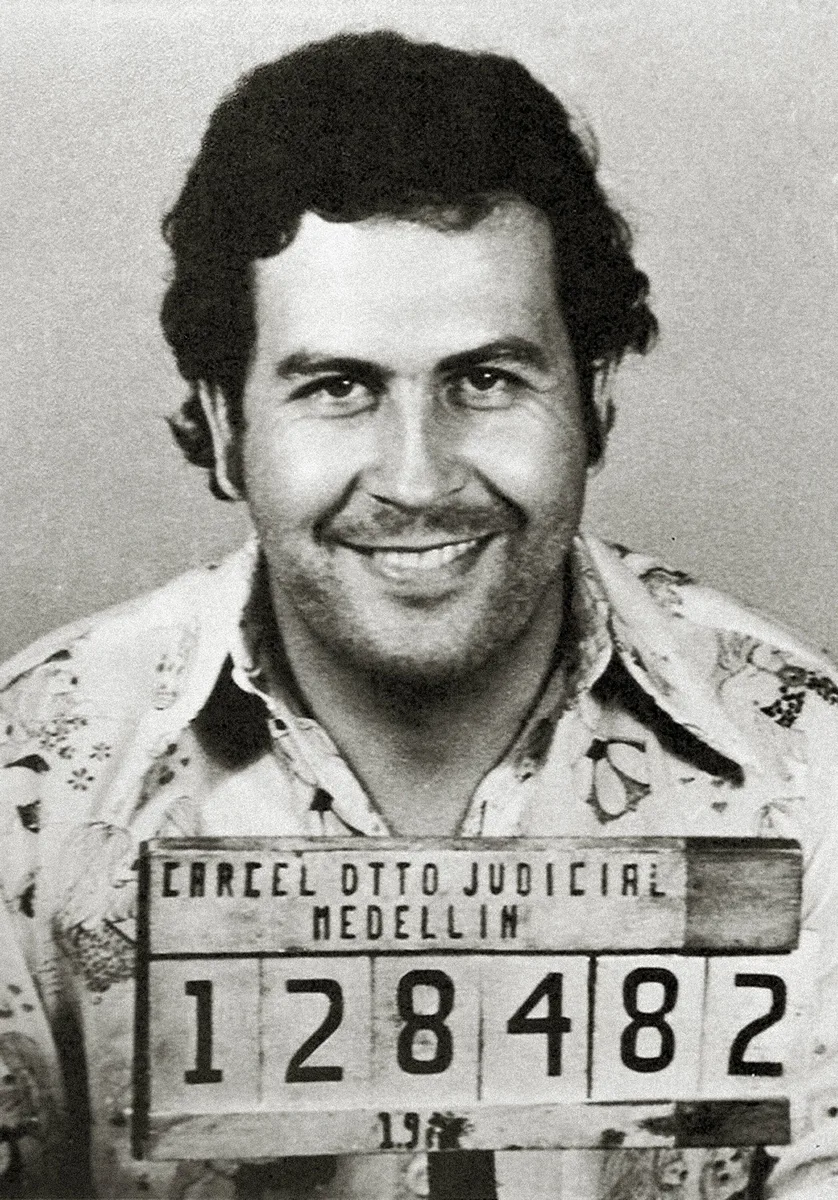 Imagine a man, born into poverty, who amassed such unfathomable wealth that he offered to pay off Colombia's entire national debt. A man who built his own luxury prison, complete with a waterfall and a disco, from which he continued to run the most fearsome criminal enterprise the world had ever seen. This wasn't the plot of a Hollywood blockbuster; this was the chilling reality of **Pablo Emilio Escobar Gaviria**, a figure whose name still conjures images of both brutal violence and audacious power. For decades, the true scope of Escobar's influence remained largely hidden, a vast, shadowy network we now refer to as his **unseen empire**. It was an empire built on cocaine, fear, and a perverse form of populism, casting a long shadow that continues to define the myth and menace of modern Colombia.
How did a simple car thief from Rionegro, Antioquia, manage to weave such a complex web of control, finance, and terror that he challenged the very fabric of a nation? How did he cultivate a myth that transformed him into a folk hero for some, while unleashing a menace that brought Colombia to its knees? Join us as TrendSeek peels back the layers of legend and reveals the meticulously constructed, yet often invisible, machinery of the Medellín Cartel.
The Humble Beginnings of a Colossus: From Petty Thief to Kingpin
 Before the private jets, the exotic animals, and the rivers of cash, Pablo Escobar was just a young man with an insatiable hunger for more. Born on December 1, 1949, in Rionegro, a rural town near Medellín, he came from modest beginnings. His father was a farmer, his mother a schoolteacher. Yet, the straight path held no appeal for Escobar. His criminal career began small, a series of petty thefts: stealing gravestones, reselling contraband cigarettes, and, notoriously, boosting cars. He was an entrepreneur of illicit goods, honing his organizational skills long before he discovered cocaine.
By the early 1970s, as the global demand for cocaine began to surge, Escobar saw his true opportunity. The nascent drug trade was chaotic, disorganized, and ripe for a ruthless visionary. He started small, buying coca paste in Peru and processing it into cocaine in makeshift jungle labs. His first major score came in 1975, when he smuggled a significant quantity of cocaine into the United States, cementing his reputation as a man who could deliver. It was a perilous business, but Escobar quickly learned that violence, when applied strategically, was the most effective lubricant for his burgeoning enterprise. He eliminated rivals, consolidated routes, and established a distribution network that would soon dwarf anything seen before, laying the groundwork for his truly unseen empire.
La Catedral and the Illusion of Imprisonment: The Narco-Prison as a Palace
 In 1991, facing immense pressure from the United States, Pablo Escobar struck a deal with the Colombian government. He would surrender, but under his terms: he would serve his sentence in a prison of his own design. The result was "La Catedral," a facility less like a jail and more like a private resort. Nestled in the mountains overlooking Medellín, it was a testament to Escobar's audacity and the extent of his corrupting influence. This wasn't a place of punishment; it was a command center, a fortress from which he continued to orchestrate his vast criminal operations with impunity.
La Catedral boasted a football pitch, a jacuzzi, a waterfall, a fully stocked bar, and even a disco. Guests, including prostitutes and cartel associates, came and went freely. Escobar had direct phone lines, faxes, and radio communications, ensuring his unseen empire remained firmly under his thumb. Far from being isolated, he used La Catedral to host meetings, issue orders, and even commit heinous acts of violence. It was within these walls that he infamously tortured and murdered two of his top lieutenants, Fernando Galeano and Gerardo Moncada, after accusing them of stealing from him. This brazen act, committed under the very nose of the state, finally shattered the illusion, forcing the government to act and revealing the true menace that continued to emanate from his “imprisonment.”
The Vast Network of Fronts: Laundering the Cocaine Billions
The sheer volume of cash generated by the Medellín Cartel was staggering – estimated at $420 million per week at its peak. This presented a colossal problem: how to make illicit money appear legitimate without drawing unwanted attention. Escobar’s solution was an elaborate, sprawling network of front businesses, a financial web so intricate that it became a key component of his unseen empire. He was a pioneer in money laundering, utilizing methods that would become templates for future cartels.
Real estate was a favorite. Escobar acquired countless properties across Colombia, from luxury apartments in Medellín to sprawling ranches like Hacienda Nápoles, a 7,400-acre estate featuring a private zoo, a bullring, and even a landing strip for his planes. He invested in taxi companies, turning fleets of vehicles into cash-generating machines. Legitimate import-export businesses were established, allowing drug money to be disguised as profits from ordinary trade. Even smaller ventures, like discotheques and grocery stores, played their part. This extensive legitimate facade allowed Escobar to embed his illicit gains deep within the Colombian economy, making it incredibly difficult for authorities to trace the true source of his wealth and the full extent of his hidden power.
The Political Ambition and the Shadow Government: A Parallel State
 Pablo Escobar wasn't content with mere wealth; he craved power, recognition, and legitimacy. In the early 1980s, he leveraged his immense fortune to enter politics, winning a seat as an alternate representative in the Colombian Congress in 1982. This move was a calculated attempt to legitimize his status and gain immunity from prosecution. He famously launched "Medellín without Slums," a social program that built housing, schools, and sports fields for the city's poor. For many, he was "Robin Hood," a benevolent benefactor who provided what the state could not or would not.
This philanthropic veneer, however, masked a more sinister agenda. By providing for the needy, Escobar cultivated a loyal base of support, creating a parallel authority that rivaled the legitimate government. His infamous “plata o plomo” (silver or lead) strategy became his calling card: accept his bribe (“silver”) or face the consequences (“lead”). Judges, politicians, police officers, and journalists were routinely corrupted or assassinated if they dared to stand against him. This systematic undermining of state institutions, from the judiciary to law enforcement, allowed Escobar to operate a de facto shadow government, exerting control over vast swathes of Colombia and demonstrating the terrifying menace he posed to democracy itself.
The Global Reach: Shipping Lanes and International Alliances
The sheer scale of the Medellín Cartel’s international operations was breathtaking. At its peak, Escobar’s organization was responsible for an estimated 80% of the cocaine smuggled into the United States, effectively monopolizing the world’s most lucrative drug market. To achieve this, he built a sophisticated logistical network that spanned continents, making his unseen empire truly global.
Escobar utilized a diverse fleet of transportation methods: small planes, often flown by experienced pilots, would drop cocaine bundles into the Caribbean Sea for retrieval by speedboats; cargo planes were loaded with hundreds of kilograms, disguised among legitimate goods; and even semi-submersible vessels were employed to evade detection. His routes stretched from the coca fields of Peru and Bolivia, through processing labs in Colombia, and onward to distribution hubs in Mexico, the Caribbean, and ultimately, major cities across the US and Europe. This complex web of operations required alliances with other criminal organizations, corrupt officials in multiple countries, and a constant flow of intelligence, all managed from the shadows, making his reach both pervasive and incredibly difficult to dismantle.
The Legacy of the Menace: Echoes in Modern Colombia
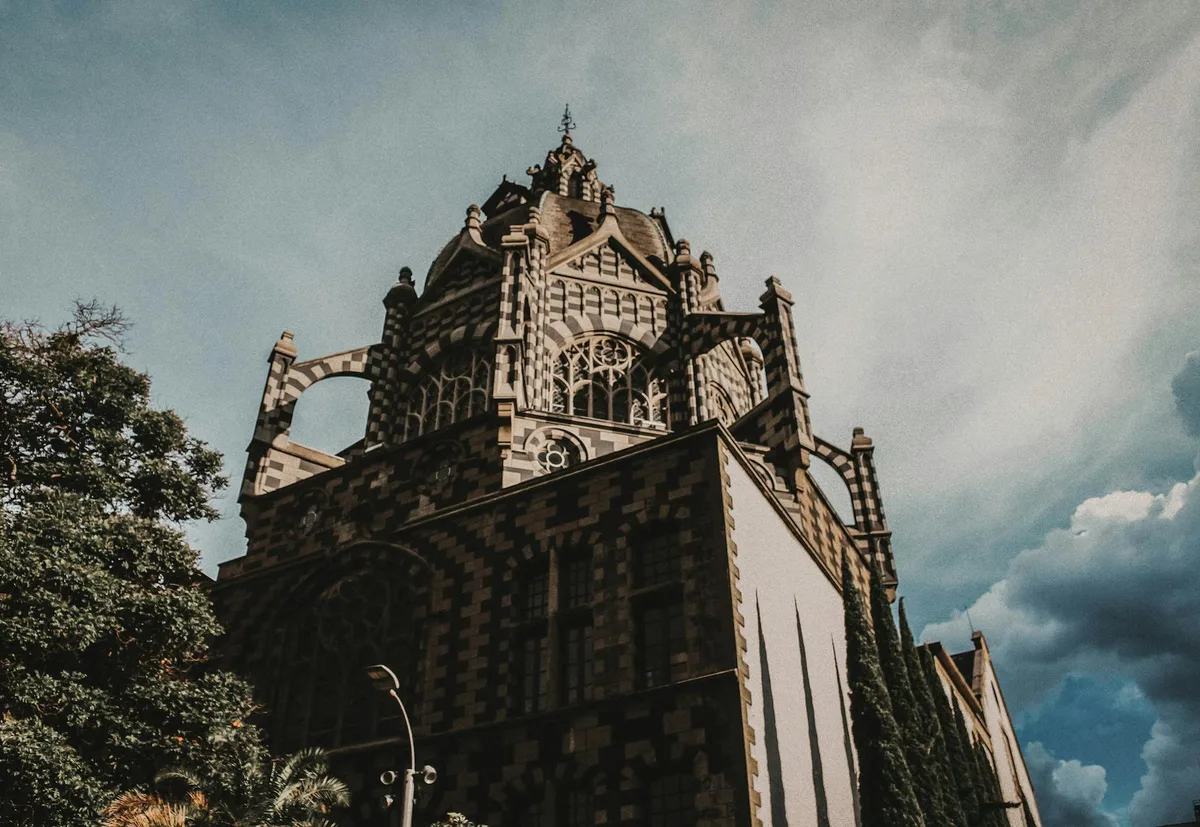 Pablo Escobar's reign of terror ended on December 2, 1993, when he was killed in a rooftop shootout in Medellín, just one day after his 44th birthday. His death marked the end of an era, but not the end of his legacy. The violence he unleashed left an indelible scar on Colombia, claiming the lives of thousands, including presidential candidates, justice ministers, police chiefs, and countless innocent civilians. The institutional damage was profound, as corruption had seeped into nearly every level of government and law enforcement, fostering a deep distrust in state authority.
While the Medellín Cartel fragmented, the drug trade did not disappear. Instead, it evolved, giving rise to new cartels, paramilitary groups, and guerrilla factions that continued the cycle of violence and illicit enterprise. The myth of Escobar, the “Robin Hood” figure, persists in some quarters, particularly among those who still recall his charitable acts. Yet, the enduring menace of his methods — the calculated brutality, the “plata o plomo” philosophy, the systematic corruption — continues to echo in modern organized crime. Colombia has made significant strides in rebuilding its institutions and economy, but the ghost of Escobar’s unseen empire serves as a stark reminder of how close a nation can come to being consumed by a criminal force.
Conclusion: The Enduring Shadow of Pablo Escobar’s Empire
Pablo Escobar was more than just a drug lord; he was a phenomenon, a criminal mastermind who, for a time, wielded power comparable to a head of state. His unseen empire was a marvel of perverse ingenuity, a sprawling network of illicit finance, political corruption, and logistical brilliance, all underpinned by an unprecedented level of violence. From his humble beginnings, he built a financial behemoth that challenged the global economic order and constructed a shadow government that held a sovereign nation hostage.
The myth of Escobar, the benevolent outlaw, still flickers in the narratives of some, a distorted reflection of a man who gave with one hand and took with the other, often with extreme prejudice. Yet, it is the profound menace of his actions – the car bombings, the assassinations, the institutional decay – that truly defines his legacy. His story is a chilling testament to the seductive power of unchecked ambition and the devastating consequences when a criminal enterprise becomes so vast, so integrated, and so violent that it threatens to consume everything in its path. Even decades after his demise, the shadow of Pablo Escobar’s empire continues to serve as a stark warning, a dark chapter in history that we must never forget.
You might also like:
👉 Biggest Unsolved Crimes in US History: Mysteries That Endure
👉 Ancient Rome: Rise, Fall, & Legacy of a Great Empire
👉 History of Secret Societies: Unveiling Their Hidden Influence